
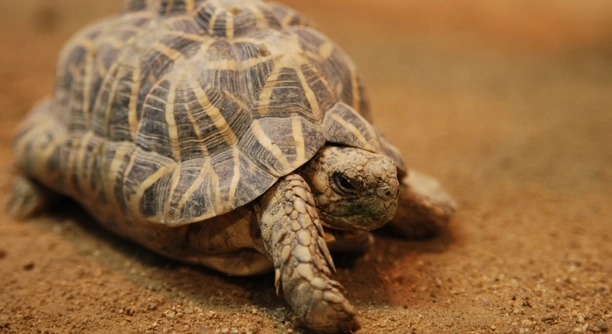
Turtles are unique pets, and their behavior can sometimes leave us wondering about their health. One common concern is when a turtle’s head tilts to one side. Understanding this issue can help provide proper care.
The head tilting in turtles may be caused by a variety of factors, including ear infections, neurological problems, or injury. A vet visit is crucial to determine the underlying cause and provide proper treatment for your turtle.
By exploring possible causes of this issue, we can better understand how to keep your turtle happy and healthy.
Possible Causes of a Turtle’s Head Tilting
Head tilting in turtles is usually a sign that something is wrong. One of the most common causes is a condition called Wry Neck or Torticollis, which affects the muscles or nerves in the neck. This can result from trauma, infections, or even vitamin deficiencies. Another cause could be an ear infection, which can cause pain and difficulty in turning the head properly. A less common cause is neurological issues, which could arise from a bacterial infection or parasites. It’s important to understand that head tilting can be a serious issue, as it affects the turtle’s balance and ability to eat or move.
Turtles are highly sensitive animals, and any changes in their behavior should be taken seriously. Identifying the issue early on can prevent further complications.
If your turtle’s head tilting is caused by an ear infection, it’s likely accompanied by symptoms like swollen ears or discharge. Ear infections are often caused by bacteria, and untreated cases can spread and worsen. If the infection goes unnoticed, it can affect the turtle’s ability to move and feed, leading to weight loss.
What to Do if Your Turtle’s Head is Tilting
If your turtle is showing signs of head tilting, the best thing you can do is take it to a vet. A vet will be able to examine your turtle and perform tests to determine the cause of the issue. Based on the diagnosis, treatment options will vary. For ear infections, the vet may suggest antibiotics to clear the infection. In cases of nutritional deficiencies, adjusting the diet or giving vitamin supplements might be needed. If the problem is neurological, more specialized treatments or medication could be prescribed.
It’s important to remember that turtles need a proper environment to thrive. If you haven’t already, ensure your turtle has access to the right temperature, lighting, and diet. These factors are essential for their health and well-being. A balanced diet rich in calcium, vitamins, and minerals will help prevent deficiencies that could lead to head tilting. Also, always make sure your turtle’s enclosure is clean, as bacteria in dirty water can lead to infections.
How to Prevent Head Tilting in Turtles
To prevent head tilting in turtles, it’s essential to maintain a clean and safe environment. Proper water filtration, regular cleaning, and correct lighting can minimize risks of infections. Also, provide a balanced diet that meets all the nutritional needs of your turtle.
A healthy diet includes calcium, vitamin A, and D3. Without these, your turtle can develop health issues like soft shell syndrome or even neurological problems, which could lead to head tilting. Additionally, offering a variety of fresh vegetables, protein, and calcium-rich foods will help prevent deficiencies. If your turtle isn’t getting the proper nutrients, supplementation may be necessary.
Another important aspect is ensuring that your turtle’s habitat is suitable. Keep the temperature consistent, as stress from sudden temperature changes can affect their immune system, making them more susceptible to infections. UVB lighting is also crucial for their overall health, helping them absorb necessary vitamins. A suitable basking area is essential for them to warm up and regulate body temperature.
When to Seek Veterinary Care
If you notice your turtle’s head tilting persistently, a trip to the vet is necessary. Delaying treatment can lead to worsening health problems, affecting their ability to eat, swim, and move. A vet can accurately diagnose the problem and suggest proper treatment.
It’s essential to pay attention to other signs, such as loss of appetite, lethargy, or changes in behavior. These could be symptoms of a more serious underlying condition like an infection, injury, or neurological disorder. In these cases, veterinary care is the best way to ensure your turtle gets the right treatment and starts recovering quickly.
Not all symptoms of head tilting are easy to spot, so make sure to observe your turtle closely. If you notice anything unusual or if the head tilting worsens, take them to the vet as soon as possible. Early intervention can help prevent permanent damage and support a quicker recovery.
Common Signs of an Ear Infection in Turtles
Ear infections are a common cause of head tilting in turtles. Look for swelling around the ears, discharge, or signs of pain when the turtle’s head is touched. These symptoms should prompt an immediate visit to the vet for proper treatment.
An ear infection can make it hard for your turtle to move its head properly. If untreated, it can worsen, leading to severe pain or even permanent damage. Keep an eye on your turtle for any of these signs and seek prompt care to avoid complications.
Treating Nutritional Deficiencies
If your turtle is tilting its head due to a lack of nutrients, you can help by adjusting its diet. Offer more calcium-rich foods like leafy greens, as well as vitamin A-rich vegetables. Proper supplementation may also be necessary to restore health.
A balanced diet is crucial to your turtle’s well-being. If nutritional deficiencies are suspected, consult your vet to find the best solution. They may recommend specific vitamin supplements to help correct any deficiencies and prevent further health issues.
The Importance of UVB Lighting
UVB lighting is vital for your turtle’s overall health, especially when preventing head tilting caused by a lack of vitamin D. Without it, your turtle may develop metabolic bone disease, leading to weakened bones and muscle problems. Ensure your turtle has proper UVB exposure daily.
FAQ
What should I do if my turtle’s head keeps tilting?
If your turtle’s head continues to tilt, it’s important to visit a vet. Persistent head tilting could be a sign of an infection, neurological issue, or injury. A veterinarian will be able to diagnose the cause and recommend appropriate treatment. Don’t wait too long, as early intervention can help prevent further complications.
Can I treat my turtle’s head tilt at home?
While some causes of head tilting, like minor injuries or temporary stress, may resolve with proper care at home, it’s always best to seek veterinary advice. If the tilt is caused by a bacterial infection or other serious issues, you will need professional treatment.
How do I know if my turtle has an ear infection?
Signs of an ear infection in turtles include swelling around the ears, discharge, or difficulty swimming or turning the head. Your turtle may also appear more lethargic than usual or show signs of discomfort when its ears are touched. A vet can confirm the diagnosis through examination and provide treatment.
Is head tilting in turtles always a serious issue?
Not always, but it can indicate a serious problem. If your turtle is tilting its head occasionally or after a minor bump, it might be a temporary issue. However, consistent or worsening tilting should be evaluated by a vet as it could signal an ear infection, neurological issue, or injury.
Can head tilting in turtles be prevented?
Yes, with proper care, many cases of head tilting can be prevented. Ensure your turtle has a balanced diet, proper lighting, and a clean environment. Regularly clean the tank, provide UVB lighting, and monitor their health. Adequate nutrition, including calcium and vitamin supplements, is essential.
How long does it take for a turtle’s head tilt to heal?
The healing time for a turtle’s head tilt depends on the underlying cause. If it’s due to a mild infection or injury, it may take a few days to weeks with proper treatment. However, for more severe neurological issues or long-term infections, it might take longer. Your vet will give you a better idea after diagnosing the cause.
Can head tilting affect my turtle’s behavior?
Yes, head tilting can impact your turtle’s balance, swimming ability, and eating habits. They may struggle to eat, move around, or interact normally. If the issue is neurological or related to an ear infection, it’s important to address it quickly to avoid further complications.
Should I change my turtle’s diet if it has a head tilt?
If the head tilt is caused by a nutritional deficiency, adjusting the diet is essential. Ensure that your turtle is getting a variety of foods that include calcium, vitamin A, and vitamin D. Supplementing their diet may help correct any deficiencies and improve their condition. Consult your vet for specific recommendations.
Is head tilting related to metabolic bone disease?
Metabolic bone disease (MBD) can cause a range of symptoms, including difficulty moving and head tilting. If your turtle is not getting enough calcium or UVB exposure, MBD may develop. The bones become weak, and the muscles may not function properly, leading to head tilting. Early treatment and proper care are key to recovery.
Can turtles get head tilt from trauma?
Yes, trauma can lead to head tilting. A fall or bump can injure the neck or head, causing temporary or permanent tilting. In these cases, your turtle might need to rest and recover, but it’s important to get it checked by a vet to rule out any serious injury.
What other symptoms should I look out for with head tilting?
Along with head tilting, other symptoms like loss of appetite, difficulty swimming, lethargy, or unusual behavior may indicate a health problem. If you notice any of these signs, consult a vet for a thorough examination. The sooner you catch the issue, the easier it will be to treat.
Can I use over-the-counter treatments for my turtle’s head tilt?
While over-the-counter treatments may be helpful for mild cases, it’s important to get a proper diagnosis first. Using the wrong medication or treatment without knowing the cause of the head tilt could make the situation worse. Always consult with a vet for the most appropriate treatment.
What if my turtle refuses to eat because of head tilting?
If your turtle is not eating, it could be because it’s struggling to move or feels discomfort from the tilt. This can lead to dehydration or malnutrition. Ensure that your turtle is comfortable and consult a vet to address the underlying cause of the head tilt. You may need to offer softer food or hand-feed your turtle.
How can I provide better care for my turtle’s environment?
Create an ideal habitat by maintaining proper water temperature, filtration, and UVB lighting. Clean the tank regularly, and make sure the basking area is appropriately heated. A clean environment reduces the risk of infections and stress, which can prevent issues like head tilting. Always monitor water quality and temperature, and adjust as needed.
Can stress cause head tilting in turtles?
Stress can sometimes cause physical symptoms like head tilting, especially if the turtle feels threatened or uncomfortable in its environment. Ensure that your turtle’s living space is safe and stress-free. Too much handling, loud noises, or other pets in the vicinity can contribute to stress and health problems.
Final Thoughts
If you notice your turtle’s head tilting, it’s important to pay close attention and take action quickly. While it may sometimes be caused by a minor issue, head tilting can also indicate more serious health concerns like ear infections, neurological problems, or nutritional deficiencies. The sooner you identify the cause, the easier it will be to treat and prevent further complications. Always monitor your turtle’s behavior, and if you see any signs that concern you, don’t hesitate to seek veterinary advice.
Maintaining a clean and well-balanced environment is crucial for preventing head tilting in turtles. Regularly clean the tank, ensure the water is filtered, and provide proper UVB lighting to promote healthy shell and bone development. A balanced diet, rich in vitamins and calcium, plays a vital role in keeping your turtle healthy and avoiding nutritional issues. If your turtle is showing signs of head tilting due to a deficiency, consider adjusting its diet or speaking with your vet about supplements.
Overall, your turtle’s well-being depends on a combination of proper care, attention to detail, and regular health checks. While head tilting can be concerning, it’s often treatable with the right approach. By ensuring that your turtle has a safe and healthy environment, a balanced diet, and regular veterinary care, you can help minimize the risk of health problems. Always take action early, and don’t wait for the condition to worsen. With the right care, your turtle can recover and continue living a healthy, happy life.

Hello,
If you enjoy the content that we create, please consider saying a "Thank You!" by leaving a tip.
Every little bit helps us continue crafting quality advice that supports the health, happiness, and well-being of pets around the world, for pets of all shapes, sizes, and species.
We really appreciate the kindness and support that you show us!