
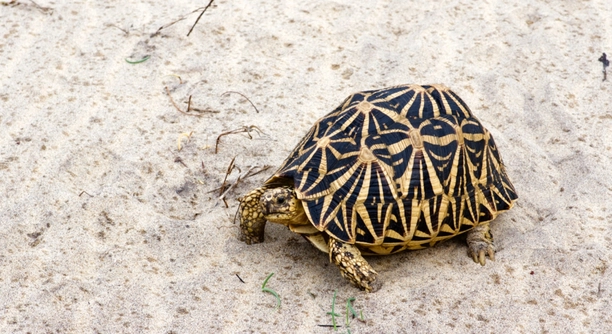
Turtles are fascinating pets, and it’s important to understand their behavior. If you notice your turtle sleeping on its back, it may raise some concerns. It’s common to wonder if something is wrong with your turtle’s health.
Turtles sleeping on their back is often a sign of health issues or environmental stressors. Common causes include an imbalance in the water temperature, improper tank setup, or even physical injury. It’s crucial to observe your turtle’s behavior closely.
Several factors could be contributing to this behavior. By addressing these potential issues, you can help your turtle feel better and stay healthy. Keep reading to learn what might be causing this and how you can fix it.
Common Causes for Turtles Sleeping on Their Back
Turtles often end up on their back due to physical or environmental problems. The most common reason is a tank setup that isn’t ideal. Turtles need a clean, warm, and well-lit environment to stay healthy. If the temperature in their tank is too low, they may become sluggish and unable to right themselves. Similarly, poor water quality can cause stress and illness, leading to odd behaviors like sleeping on their back. Injuries, such as shell damage or muscle weakness, can also prevent turtles from flipping back over easily. It’s important to pay close attention to the tank’s conditions and check for signs of illness or injury.
Sometimes, the issue can be related to the turtle’s overall health. Weakness, caused by malnutrition or stress, can make it harder for them to flip back onto their feet.
Regularly cleaning the tank, keeping the water at a proper temperature, and providing a varied diet can prevent these issues. If the turtle has sustained an injury, a vet should be consulted to ensure proper healing.
How Tank Conditions Affect Your Turtle
Water temperature, tank lighting, and cleanliness are essential factors in a turtle’s health. If the water temperature is too cold or too hot, it can make your turtle feel lethargic and unable to move properly. A good rule of thumb is to keep the water between 75°F and 80°F. Using a thermometer to monitor the temperature is a simple way to avoid this problem. Proper lighting is another key element. Turtles need both UVA and UVB light to regulate their metabolism and vitamin D production. Without proper UVB lighting, they may develop shell deformities and experience weakness. Dirty water is another cause for concern. If the tank isn’t cleaned often enough, harmful bacteria and parasites can make the turtle sick, leading to unusual behavior like sleeping on its back. All of these conditions can be controlled with regular maintenance.
Ensuring your turtle’s environment is optimal is a simple yet effective way to keep them healthy. A few easy adjustments can make a big difference.
Physical Health Issues
If your turtle is sleeping on its back, it might be struggling with a physical health problem. Injuries to the shell or muscles can make it hard for your turtle to flip back over. These injuries can happen if your turtle falls or is attacked by another animal. Weakness caused by malnutrition can also lead to trouble righting itself.
Turtles with weakened muscles may struggle to move as they should. This weakness could come from an inadequate diet or a vitamin deficiency. Without the right nutrients, a turtle may lack the strength to correct itself if flipped onto its back. Malnutrition can also affect their ability to fight off infections, which may make them more vulnerable to injuries and illnesses. Regularly checking your turtle’s diet and making sure it gets a proper balance of protein and vegetables can help prevent this issue.
If you suspect your turtle is injured or malnourished, visit a vet for a thorough examination. Proper care and the right diet are essential for your turtle’s recovery.
Stress Factors
Turtles can experience stress due to various factors, like too much noise, overcrowding in their tank, or changes in their environment. Stress can weaken their immune system, making them more susceptible to illness and injury.
Overcrowding in a turtle’s living space can lead to stress. Turtles are solitary creatures and need enough room to move around without feeling threatened. Too many turtles in one tank can cause territorial disputes and force them into situations where they might end up on their back. Additionally, turtles can feel stressed by loud noises or excessive human interaction. These stressors can affect their health, leading to unusual behaviors. Make sure your turtle’s space is calm and free from sudden disturbances to help them feel secure.
Reducing stress is an easy fix that can go a long way in improving your turtle’s behavior. Providing a peaceful environment, with adequate space and minimal disruptions, will help your turtle stay healthy and comfortable.
Shell Issues
A turtle’s shell is essential for its survival, and problems with the shell can lead to abnormal behavior. If the shell is damaged or deformed, it might make it harder for the turtle to flip over.
Shell injuries can happen if the turtle is dropped or bumped into hard objects. A cracked or broken shell causes pain and discomfort, which might make the turtle stay on its back to avoid moving. In addition, improper care, such as a lack of UVB light, can lead to soft shell disease. This condition weakens the shell and makes the turtle more prone to injuries.
Providing the right environment, along with a balanced diet, can prevent shell issues. If you notice cracks, softness, or discoloration, it’s crucial to consult a vet.
Improper Tank Setup
A tank that isn’t properly set up can cause various issues for your turtle, including sleeping on its back. The wrong type of substrate, inadequate basking spots, and poor water filtration can lead to stress and health problems.
Turtles need a secure basking area to rest and warm up. If the tank lacks this space, your turtle might struggle to find comfort. Substrates like gravel can cause problems too, especially if the turtle tries to eat them. A clean, well-maintained tank is essential for a healthy environment, preventing the turtle from becoming stressed or sick. If the water is dirty or improperly filtered, harmful bacteria can build up, causing skin and shell issues.
Ensure your turtle has a proper basking area and the tank is regularly cleaned to maintain a healthy, comfortable environment.
Temperature Issues
Turtles rely on specific temperatures to regulate their body functions. If the water is too cold or too hot, it can affect their ability to move properly and even cause them to flip onto their back. Maintaining a consistent temperature is essential.
FAQ
Why is my turtle always on its back?
If your turtle is frequently found on its back, it could be a sign of several underlying issues. Often, it is linked to environmental problems like improper water temperature, poor tank conditions, or lack of sufficient space. If the turtle is struggling to flip over, it might be due to physical weakness, injury, or malnutrition.
Sometimes, stress from overcrowding or excessive handling can also make your turtle feel disoriented or weak. Check the tank conditions, including the temperature, cleanliness, and space, to ensure everything is suitable for your turtle. If the behavior persists, consider visiting a vet to rule out injuries or illness.
Can a turtle recover from sleeping on its back?
Yes, a turtle can recover from being on its back if the cause is addressed. The key is to identify and fix the underlying issue. If the problem is due to environmental factors, such as poor water temperature or a dirty tank, improving these conditions will help. Similarly, if the turtle is injured or malnourished, proper care, including a visit to a vet, can lead to recovery.
In some cases, your turtle may need time to regain strength, especially if the issue is related to weakness or illness. Be sure to give your turtle a proper diet and a clean, safe environment to speed up recovery.
How can I prevent my turtle from flipping onto its back?
To prevent your turtle from flipping, make sure its tank is set up correctly. Provide a proper basking area with the right temperature and lighting to help your turtle feel secure and healthy. Keep the water temperature within the recommended range, as cold water can cause lethargy and make it harder for your turtle to move.
Ensure there is enough space for your turtle to move around without feeling crowded. If you’re keeping more than one turtle, make sure they have room to avoid stress and potential injury. Additionally, check that there are no sharp objects or hard surfaces in the tank that could lead to injury.
Could my turtle’s behavior be due to an injury?
Yes, injuries are a common cause of a turtle lying on its back. If your turtle is injured, it might struggle to move or right itself. This could happen if your turtle falls, bumps into something hard, or is attacked by another animal. Shell injuries can also cause pain and limit movement.
If you suspect an injury, carefully inspect your turtle’s shell and body for cracks, bruises, or swelling. If there are signs of injury, it’s important to take your turtle to a vet for proper treatment. Avoid handling the turtle too much, as it may cause further stress or harm.
How do I know if my turtle is stressed?
Stress in turtles can manifest in various ways, including unusual behavior like flipping onto their back or hiding. Stress can be caused by overcrowding, poor tank conditions, or frequent handling. Turtles might also act stressed if there is a lot of noise or movement around them.
If your turtle seems agitated, refuses to eat, or appears lethargic, it may be stressed. To reduce stress, make sure the tank is quiet, clean, and spacious. If the problem persists, consider re-evaluating the tank setup or even relocating your turtle to a quieter area.
Is it possible for my turtle to be sick and sleep on its back?
Yes, sickness can make your turtle weak and unable to move properly, including sleeping on its back. Illnesses, such as respiratory infections, parasites, or shell diseases, can cause lethargy and abnormal behavior. A sick turtle may not have the energy or strength to flip itself back over.
If you notice your turtle being unusually inactive, having difficulty moving, or showing signs of swelling, discoloration, or abnormal breathing, it’s important to seek veterinary care. Early treatment can help your turtle recover and prevent further health issues.
Should I call a vet if my turtle is sleeping on its back?
If your turtle is regularly found sleeping on its back and you’ve already ruled out environmental factors like tank conditions or diet, it’s a good idea to consult a vet. A vet can check for any physical injuries, infections, or illnesses that may be causing the behavior.
In some cases, it might be nothing serious, but it’s always better to be safe and have a professional assess the situation. A vet will be able to give you clear advice on how to care for your turtle and ensure it remains healthy.
Can my turtle’s tank cause it to sleep on its back?
Yes, an improperly set-up tank can lead to stress and health problems, which could cause your turtle to sleep on its back. Poor water quality, incorrect temperature, or lack of proper basking areas can all contribute to the issue. Turtles need a warm, clean environment to thrive.
If your turtle’s tank is too small, overcrowded, or lacking in proper heating or lighting, it can cause discomfort and stress. Ensure the water is clean, the temperature is within the recommended range, and the turtle has a secure basking spot to help prevent this behavior.
Can my turtle flip itself back over if it’s on its back?
Turtles can sometimes flip themselves back over if they are not injured or physically weak. However, if they’re stressed, sick, or lacking strength due to malnutrition, they might struggle. It’s important to check for signs of weakness or injury and help your turtle if needed.
If you find your turtle on its back, gently flip it over. Make sure the tank conditions are ideal, so the turtle doesn’t end up in the same position again. If the issue persists, it’s best to consult a vet.
Final Thoughts
When a turtle is consistently found sleeping on its back, it can be a sign of various underlying issues. The most common causes include improper tank conditions, health problems, and physical injuries. Ensuring that the water temperature is correct, the tank is clean, and the environment is stress-free can prevent many of these issues. Additionally, proper lighting and space are essential for the turtle’s overall well-being. Addressing these environmental factors can go a long way in making your turtle feel secure and healthy.
However, if your turtle continues to sleep on its back despite the right tank conditions, it may be suffering from physical health problems. Injuries, shell deformities, or weakness from malnutrition or stress could prevent your turtle from righting itself. In these cases, it’s important to monitor your turtle closely and consult a veterinarian if needed. A professional can diagnose any underlying health problems and provide the necessary treatment. Taking quick action ensures that your turtle will receive the care it needs to recover and thrive.
Finally, always keep in mind that turtles require a peaceful and well-maintained environment to stay healthy. By providing the proper care, you’ll reduce the chances of stress, injuries, and illnesses that might lead to your turtle sleeping on its back. While it’s not always a cause for alarm, staying vigilant and addressing potential issues early is key. A few simple adjustments to the tank, diet, and overall care can make a huge difference in your turtle’s health and comfort. Regular checkups and a balanced environment are the best ways to keep your turtle happy and healthy for years to come.

Hello,
If you enjoy the content that we create, please consider saying a "Thank You!" by leaving a tip.
Every little bit helps us continue crafting quality advice that supports the health, happiness, and well-being of pets around the world, for pets of all shapes, sizes, and species.
We really appreciate the kindness and support that you show us!