
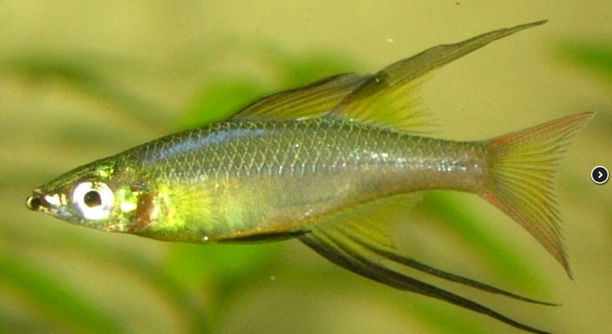
Threadfins are fascinating fish known for their delicate fins and graceful movements. Observing them glide through water can be calming, yet many aquarists notice their activity is often limited, restricting both health and natural behavior.
Encouraging threadfins to swim more freely involves creating an environment that meets their physical and behavioral needs. Proper tank size, water flow, temperature, lighting, and enrichment strategies all contribute to increased activity and overall well-being.
Implementing these approaches will help your threadfins move naturally and enjoy a more fulfilling aquatic life. Understanding these methods ensures they remain active and healthy in their environment.
Provide Adequate Tank Space
Threadfins require ample room to move, as cramped spaces restrict their natural swimming patterns. A tank that is too small can cause stress, reduce activity, and limit growth. When choosing a tank, consider both the length and width, ensuring they have plenty of horizontal space to glide. Decorations should be minimal and positioned to allow open swimming areas. This setup encourages natural movement and reduces the likelihood of accidents or injuries. Maintaining sufficient water volume also helps stabilize water parameters, keeping conditions consistent and comfortable. Large tanks allow threadfins to explore, interact, and exercise, supporting overall health. Observing them in a spacious environment often reveals more active behaviors, displaying their characteristic elegance and energy. Even small additions, like floating plants or gentle currents, can enhance their space without overcrowding. Consistently evaluating tank layout and size ensures that threadfins have a safe, stimulating, and open environment to thrive in over time.
A larger tank improves movement and encourages swimming naturally. Open spaces reduce stress and keep threadfins active consistently.
Regularly checking tank dimensions and layout helps maintain a healthy environment. Ensuring enough space allows fish to display natural behaviors and stay physically fit.
Optimize Water Flow
Threadfins respond well to gentle water currents, which simulate natural habitats and promote swimming. Too strong a flow can exhaust them, while stagnant water reduces activity. Adjust filter output or add a gentle pump to maintain a consistent, moderate flow. This keeps fish engaged and moving.
Proper water movement enhances oxygenation and encourages exploration. Maintaining balanced currents is essential for health and energy.
Controlling water flow requires careful observation of your threadfins’ behavior. Introduce subtle currents and monitor how they swim, adjusting as needed. This stimulates natural activity patterns, helping them exercise and strengthen muscles. Gentle flow also prevents debris from settling, keeping the tank clean. Avoid strong surges that may tire or injure the fish. Over time, threadfins adapt to moderate currents, swimming more freely and confidently. Combining water flow with open swimming areas creates a dynamic, healthy environment. Maintaining temperature, water quality, and consistent filtration supports overall well-being, encouraging active behaviors. A balanced setup allows threadfins to thrive, stay alert, and demonstrate natural elegance while interacting with their environment safely.
Maintain Proper Water Temperature
Threadfins are sensitive to temperature changes. Keeping water within their ideal range supports metabolism and encourages active swimming. Sudden fluctuations can stress them, causing sluggish behavior or hiding. A consistent temperature fosters comfort and energy, helping them move naturally throughout the tank.
Using a reliable heater and thermometer ensures stable water conditions. Threadfins thrive best in water that is slightly warm, simulating their natural habitat. Adjustments should be gradual to avoid shocking the fish. Consistent temperatures allow them to feed actively and engage in swimming behaviors without hesitation. Observing daily patterns can help identify if the environment is suitable, as fish will display regular movement when comfortable. Avoid placing the tank near drafts or windows where sunlight or external temperature changes could affect stability. Regular checks maintain a steady environment, reducing stress and encouraging healthy, lively activity.
Monitoring temperature is not just about comfort; it directly affects swimming patterns and energy levels. Balanced conditions support growth and overall health.
Introduce Environmental Enrichment
Adding plants, rocks, or floating structures provides stimulation and encourages exploration. These elements create a dynamic space that keeps threadfins engaged and active. Avoid overcrowding to preserve open swimming areas.
Threadfins benefit from a variety of textures and hiding spots. Carefully placed decorations allow them to navigate freely while offering security when needed. Floating plants can break light patterns, encouraging natural behaviors like schooling or gliding along the surface. Smooth rocks or driftwood provide resting spots and subtle boundaries that guide movement. Enrichment should balance stimulation with open space, ensuring fish can swim without obstruction. Rotating or rearranging features periodically can maintain interest, preventing boredom. Observing how threadfins interact with these elements reveals preferences, helping refine their environment to maximize activity. Providing a diverse habitat encourages natural behaviors, promotes mental engagement, and reduces stress-related inactivity.
Incorporating enrichment keeps threadfins active, alert, and mentally stimulated, supporting long-term health and encouraging natural swimming behaviors consistently.
Provide a Balanced Diet
Threadfins require a varied diet to maintain energy levels. High-quality flakes, pellets, and occasional live or frozen foods ensure they receive proper nutrients. Feeding small amounts multiple times a day encourages activity.
Avoid overfeeding, as excess food can foul the water and reduce swimming motivation. Consistent, balanced meals support health and natural behavior.
Ensure Adequate Lighting
Proper lighting encourages natural activity cycles. Bright but not harsh lighting helps threadfins maintain regular swimming patterns. A consistent day-night cycle supports energy and alertness.
Monitor Water Quality
Maintaining clean water is essential for active threadfins. Regular water changes and filtration prevent harmful buildup of ammonia, nitrites, and nitrates. Clear water ensures oxygen levels remain sufficient, supporting energy and movement.
Encourage Gentle Schooling
Threadfins are social fish that move more freely in small groups. Keeping compatible numbers allows them to display natural swimming patterns without stress.
FAQ
How many threadfins should I keep together?
Threadfins are social and feel more secure in small groups. Keeping at least three to five individuals allows natural schooling behavior. Too few can cause stress, while too many may overcrowd the tank and limit swimming space. Observing interactions helps ensure harmony and activity.
What is the ideal tank size for threadfins?
A long, spacious tank is important for threadfins to swim freely. A minimum of 55 gallons is recommended for a small group. Length is more important than height, as they require horizontal space. Open swimming areas should be prioritized over excessive decorations.
What type of food should I provide?
A balanced diet with high-quality flakes or pellets is essential. Supplementing with frozen or live foods like brine shrimp or daphnia provides protein and encourages movement. Feeding small portions multiple times a day keeps energy levels high and promotes swimming.
How often should I change the water?
Regular water changes prevent toxin buildup and maintain healthy conditions. Changing 20-30% weekly is ideal. Frequent monitoring of ammonia, nitrite, and nitrate levels ensures that water remains safe. Clean water encourages active swimming and reduces stress-related inactivity.
What temperature is best for threadfins?
Threadfins prefer slightly warm water, generally between 24–28°C (75–82°F). Sudden changes can stress them and reduce activity. Using a reliable heater and thermometer helps maintain stable conditions and supports normal behavior and swimming.
How do I create suitable water flow?
Gentle currents simulate natural conditions and stimulate activity. Avoid strong surges that can tire them. Adjust filter output or add a low-flow pump to create moderate, consistent movement. Observing how they respond allows fine-tuning to encourage free swimming.
Can lighting affect swimming behavior?
Yes, proper lighting encourages natural activity cycles. Bright but gentle light supports normal behavior and energy. Maintaining a consistent day-night cycle promotes alertness and encourages swimming while preventing stress.
Do decorations influence their movement?
Decorations provide stimulation, hiding spots, and visual interest, but too many can restrict swimming. Floating plants, smooth rocks, or driftwood help balance enrichment with open areas. Periodically rearranging these features keeps the environment engaging.
How can I tell if threadfins are healthy and active?
Active swimming, regular feeding, and interaction with the environment indicate good health. Lethargy, clamped fins, or hiding may signal stress, poor water quality, or illness. Observing behavior daily helps identify issues early and maintain an environment that encourages freedom of movement.
Is it necessary to keep water parameters stable?
Yes, stable water conditions are crucial for energy and well-being. Sudden fluctuations in temperature, pH, or chemistry can reduce swimming and cause stress. Using a quality heater, filtration system, and monitoring tools ensures consistency. Stable water keeps threadfins active and healthy over time.
How does schooling benefit threadfins?
Schooling offers safety and encourages movement. When kept in appropriate numbers, threadfins display coordinated swimming patterns. This social interaction reduces stress, stimulates exercise, and mimics natural behavior, promoting overall health and confidence in the tank environment.
What signs indicate overfeeding or poor diet?
Excess food leads to water pollution and inactivity. Uneaten portions or bloating are warning signs. Providing measured amounts multiple times a day ensures nutrition without compromising swimming behavior. Balanced feeding encourages activity and keeps fish engaged with their environment.
Can temperature or seasonal changes affect activity?
Yes, threadfins may become sluggish if temperatures drop or fluctuate rapidly. Maintaining stable warmth encourages consistent swimming. Seasonal adjustments should be gradual to prevent stress. Consistent, comfortable water conditions ensure active, natural behavior throughout the year.
How do I encourage shy or inactive threadfins to swim?
Introduce gentle currents, adequate space, and enrichment. Observing them and slowly adding new elements can build confidence. Keeping compatible companions encourages schooling and interaction. Patience and a stable environment gradually increase movement and natural activity.
Are there any common mistakes that limit swimming?
Cramped tanks, poor water quality, improper temperature, and lack of stimulation often reduce activity. Overfeeding or strong currents can also discourage movement. Addressing these factors and creating a balanced, comfortable environment promotes active and healthy threadfins.
How important is monitoring behavior daily?
Daily observation is essential to identify stress, illness, or environmental issues early. Noticing changes in swimming patterns or feeding habits allows adjustments to maintain optimal conditions. Consistent monitoring ensures threadfins remain active, healthy, and comfortable in their habitat.
How long should threadfins swim freely each day?
Threadfins benefit from continuous access to open space during active hours. Providing a well-maintained environment ensures they can swim naturally throughout the day. Encouraging movement supports growth, energy, and overall health, making free swimming an ongoing part of their routine.
Can adding companions improve activity?
Yes, keeping threadfins in compatible groups enhances social interaction and schooling behavior. Observing group dynamics ensures harmony and encourages natural swimming patterns. Appropriate companions reduce stress and stimulate continuous activity, allowing fish to express their natural behaviors fully.
What role does water quality play in behavior?
Clean, stable water is critical for energy, appetite, and swimming. Poor water quality causes lethargy, hiding, and reduced movement. Regular maintenance, testing, and filtration create an environment that encourages healthy, active threadfins.
How can I balance enrichment and open space?
Decorate minimally while offering stimulating elements like floating plants or driftwood. Ensure enough open areas for swimming. Rotating features maintains interest without overcrowding. This balance supports activity, mental engagement, and natural movement patterns consistently.
Is it better to feed live, frozen, or prepared foods?
A combination works best. Prepared flakes or pellets provide nutrition, while live or frozen foods offer protein and stimulation. Feeding small portions multiple times daily keeps threadfins active, engaged, and swimming regularly throughout the day.
How do I prevent aggression when keeping multiple threadfins?
Provide adequate space, hiding spots, and compatible numbers. Observe interactions and separate if necessary. Balanced environments reduce competition and stress, promoting natural swimming behavior and healthy group dynamics.
How often should I rearrange tank elements?
Occasional rearrangement maintains interest and encourages exploration. Avoid drastic changes that could stress the fish. Subtle adjustments provide stimulation while preserving open swimming areas, keeping threadfins active and engaged.
Can stress affect swimming patterns?
Yes, stress from overcrowding, poor water quality, or sudden changes reduces activity. Creating a stable, comfortable, and enriched environment minimizes stress and encourages free, natural movement consistently.
How can I tell if enrichment is effective?
Active exploration, interaction with decorations, and increased swimming indicate successful enrichment. Adjust elements based on observation to maintain engagement. Effective enrichment supports mental stimulation, natural behavior, and overall health of threadfins.
Is it necessary to monitor oxygen levels?
Yes, adequate oxygen is essential for activity. Well-aerated water and proper circulation prevent lethargy. Ensuring sufficient oxygen supports healthy swimming, metabolism, and energy in threadfins consistently.
How do I adjust tank lighting gradually?
Introduce light slowly to avoid stress. Mimic natural day-night cycles and adjust brightness incrementally. Gradual changes promote alertness, natural swimming patterns, and energy throughout active periods.
Can threadfins adapt to different tank setups?
Yes, with time and careful adjustments. Gradual changes in layout, water flow, or companions allow adaptation without reducing activity. Observing behavior helps fine-tune the environment for optimal swimming and comfort.
What are the best indicators of a thriving environment?
Active swimming, healthy appetite, social behavior, and minimal hiding suggest a suitable habitat. Consistent observation ensures conditions continue to support movement, engagement, and overall well-being of threadfins.
How do I combine diet, space, and enrichment effectively?
Balanced nutrition, adequate swimming space, and stimulating elements work together to maintain energy, activity, and natural behaviors. Coordinating these factors consistently encourages active, healthy, and confident threadfins in their environment.
Are there seasonal adjustments that help activity?
Gradual temperature, lighting, and feeding adjustments mimic natural patterns, supporting energy and movement. Careful monitoring ensures these changes maintain a safe, stimulating environment. Seasonal adaptations enhance swimming behavior and overall health.
How long does it take for threadfins to adjust to a new tank?
Adjustment varies but typically a few days to weeks. Gradual introduction, consistent conditions, and minimal stressors help them acclimate and begin swimming freely. Patience ensures they develop confidence and exhibit natural behaviors.
What is the role of observation in maintaining free swimming?
Observing daily allows early detection of stress, illness, or environmental issues. Adjustments based on behavior keep threadfins active, healthy, and confident. Consistent monitoring is key to supporting long-term well-being and natural swimming patterns.
How do I maintain motivation for activity long-term?
Regular enrichment, balanced diet, adequate space, and stable water conditions sustain movement. Observing patterns and making small, gradual improvements encourages ongoing activity. Threadfins remain engaged, energetic, and healthy when the environment consistently supports their natural behavior.
Can environmental changes encourage swimming?
Yes, introducing subtle adjustments such as gentle currents, new plants, or rearranged decorations can stimulate movement. Changes must be gradual to avoid stress while keeping the environment interesting and promoting active behavior.
How do I prevent overstocking?
Calculate space requirements carefully. Avoid adding too many fish at once. Maintaining appropriate density prevents competition, stress, and restricted swimming. Proper stocking ensures threadfins can move freely and display natural behavior.
What is the impact of sudden changes on activity?
Sudden shifts in water parameters, temperature, or layout can cause hiding, stress, and reduced swimming. Gradual, controlled adjustments maintain energy, confidence, and natural movement, supporting overall well-being.
How often should I check behavior patterns?
Daily observation is ideal. Noting feeding, swimming, and interactions helps detect issues early. Consistent monitoring supports adjustments that encourage free movement and a healthy, engaging environment.
How does companionship influence motivation to swim?
Social interaction stimulates activity. Threadfins in compatible groups move more confidently, school naturally, and explore the environment. Companionship encourages exercise, reduces stress, and promotes overall health.
Can enrichment substitute for larger tank space?
Enrichment helps engagement but cannot replace adequate space. Open swimming areas remain critical. Decorations and stimulation enhance activity but require room to allow natural movement without restriction.
What common signs indicate a need for environmental adjustment?
Reduced swimming, hiding, clamped fins, or decreased appetite suggest the environment may be unsuitable. Observing behavior regularly guides changes in tank layout, water quality, or enrichment to restore natural activity.
How can I maintain consistent energy levels?
Balanced feeding, stable water, suitable temperature, and enrichment work together. Providing these elements consistently ensures threadfins remain active, healthy, and motivated to swim freely every day.
What is the importance of gradual changes in all aspects?
Gradual adjustments prevent stress, maintain confidence, and support natural behavior. Sudden changes in water, lighting, or layout can reduce activity. Slow, consistent modifications keep threadfins comfortable, energetic, and active over time.
How can I integrate all strategies effectively?
Combining proper tank size, water quality, temperature, diet, enrichment, lighting, and companionship creates a harmonious environment. Coordinating these strategies supports energy, swimming, and long-term health consistently, allowing threadfins to thrive and move freely.
How do I maintain long-term motivation for activity?
Monitor behavior, provide variety in enrichment, maintain stability, and ensure social interaction. Regular assessment and subtle adjustments encourage continuous engagement and natural swimming behaviors over time.
What should I avoid to keep threadfins active?
Avoid overcrowding, poor water quality, rapid changes, overfeeding, strong currents, and lack of stimulation. Addressing these factors maintains energy, confidence, and active swimming consistently.
How do all these factors work together?
Proper space, diet, water conditions, lighting, enrichment, and companionship create an environment that supports energy, natural behavior, and health. Coordinated care ensures threadfins swim freely and thrive over the long term.
How do I know when the tank is optimized?
When threadfins swim actively, feed regularly, and interact with their environment confidently, the tank is functioning well. Continuous observation ensures conditions remain suitable for ongoing freedom of movement.
Can small changes make a big difference?
Yes, subtle adjustments in flow, lighting, enrichment, or tank layout can significantly impact activity. Gradual, thoughtful changes enhance swimming behavior and overall health without causing stress.
Is it necessary to combine multiple strategies?
Yes, relying on only one factor is insufficient. Integrating tank size, water quality, temperature, diet, enrichment, lighting, and social dynamics ensures threadfins remain active, healthy, and naturally motivated to swim freely.
How long does it take to see improvements in activity?
With consistent care, changes in swimming behavior may appear within days to weeks. Patience and observation allow threadfins to adjust, regain confidence, and display natural activity patterns consistently.
What is the most critical aspect for promoting free swimming?
Providing adequate space, stable water conditions, and balanced stimulation is essential. When these elements are combined effectively, threadfins remain energetic, active, and healthy while moving naturally throughout the tank.
How do I maintain a routine for long-term activity?
Consistently monitor water, feed balanced meals, adjust enrichment, and observe behavior. Establishing a stable, engaging routine encourages ongoing swimming, natural interaction, and overall well-being for threadfins.
Can environmental factors override diet or social interaction?
Yes, poor water quality, inadequate space, or strong currents can negate benefits of proper diet or companions. A balanced environment ensures all aspects work together to encourage active swimming.
How do I prevent inactivity after changes?
Introduce modifications gradually and monitor responses. Ensuring stability, sufficient space, and supportive companions helps threadfins adapt without reducing movement or confidence.
What are the key takeaways for encouraging free swimming?
Adequate tank space, stable water parameters, proper temperature, balanced diet, gentle water flow, enrichment, lighting, and social groups all contribute. Coordinated care ensures threadfins remain active, healthy, and exhibit natural behaviors consistently.
How important is patience in this process?
Patience is critical. Gradual adjustments, consistent care, and careful observation allow threadfins to adapt, gain confidence, and swim freely without stress or reduced activity.
Can I combine live and artificial enrichment effectively?
Yes, live plants, floating structures, driftwood, and occasional rearrangement enhance stimulation. Combining elements while maintaining open swimming space promotes natural behavior, exploration, and overall well-being.
How do I evaluate if improvements are working?
Active swimming, regular feeding, social interaction, and confident exploration indicate success. Observing daily provides insights for ongoing optimization of the tank environment.
What long-term strategies help maintain freedom of movement?
Consistent monitoring, balanced diet, proper water conditions, gentle currents, enrichment, lighting, and compatible social groups sustain activity. Coordinated strategies ensure threadfins continue swimming naturally and energetically over time.
How do I balance all aspects without overwhelming the fish?
Introduce gradual changes, maintain sufficient space, monitor water quality, and provide gentle enrichment. Balance ensures stimulation without stress, encouraging healthy, active, and confident swimming consistently.
Is it necessary to adjust strategies as fish grow?
Yes, as threadfins grow, tank size, companions, diet, and enrichment may need updates. Observing behavior and needs ensures the environment continues to support freedom of movement and natural activity.
How do I prevent boredom in a long-term setup?
Rotate decorations, provide occasional new enrichment, maintain social groups, and vary feeding routines. Subtle changes encourage exploration and maintain engagement without reducing open swimming space.
Can small behavioral cues indicate improvement?
Yes, increased activity, confident swimming, interaction with enrichment, and feeding enthusiasm signal positive changes. Observing these cues confirms strategies are effective in promoting natural movement.
How do I integrate daily care with activity goals?
Regular feeding, water checks, gentle adjustments, and monitoring behavior align daily maintenance with promoting swimming. Consistency supports energy, engagement, and long-term health.
What should I prioritize if I notice reduced activity?
Check water quality, temperature, tank space, diet, enrichment, and companions. Addressing these factors promptly restores confidence, energy, and natural swimming behaviors.
Can threadfins thrive in community tanks?
Yes, with compatible species, adequate space, and monitoring. Properly chosen companions encourage natural activity while minimizing stress and maintaining open swimming areas.
How important is observation compared to interventions?
Observation is crucial to identify issues early. Timely interventions based on behavior ensure adjustments are effective and support active, confident swimming consistently.
Can environmental adjustments replace social interaction?
No, enrichment and tank setup help engagement, but social companions are essential for schooling and natural movement. Both elements together maximize activity and well-being.
How do I maintain long-term motivation in the fish?
Sustained activity relies on stable water, proper diet, enrichment, companions, and gradual changes. Consistent care and observation ensure threadfins remain energetic and swim freely over the long term.
Is it better to adjust one factor at a time?
Yes, gradual, single-factor adjustments prevent stress and allow observation of effects. Controlled changes help identify what encourages swimming and maintain confidence.
What is the ultimate goal for threadfin care?
To create a balanced, comfortable environment that supports energy, health, and natural swimming patterns. Proper care ensures threadfins remain active, confident, and thrive in their habitat.
How can I combine all tips effectively?
Coordinate tank size, water quality, temperature, diet, enrichment, lighting, and social interaction. Consistency, observation, and gradual adjustments support ongoing free swimming and overall well-being.
How do I know when my threadfins are thriving?
Active movement, regular feeding, social interaction, confident exploration, and engagement with enrichment indicate thriving. Observing these behaviors ensures care strategies are successful.
How long before I see consistent improvement?
With consistent attention to space, water, diet, enrichment, and social dynamics, noticeable improvement in swimming and confidence usually appears within days to weeks.
Are there common mistakes to avoid in the long term?
Overcrowding, poor water quality, rapid changes, overfeeding, lack of stimulation, and ignoring social needs can reduce activity. Avoiding these mistakes ensures threadfins remain active, healthy, and naturally motivated to swim.
What is the biggest influence on swimming freedom?
Adequate space, stable water conditions, and appropriate stimulation are most important. Coordinated care ensures threadfins exhibit natural behavior consistently.
Can all threadfins adapt to the same conditions?
Individual personalities may vary, but most respond well to
Threadfins are elegant fish that thrive when given proper care and attention. Providing an environment that supports their natural behavior is essential to encouraging free swimming. Adequate tank space, consistent water quality, and appropriate temperature are fundamental factors that directly impact their activity levels. When these elements are managed carefully, threadfins are more likely to explore, glide, and interact confidently within their habitat. Observing them in a well-maintained environment reveals their full potential, showing off the graceful movements that make them so enjoyable to keep. Even small adjustments, such as monitoring temperature closely or rearranging decorations to create open swimming paths, can make a significant difference in their behavior. Consistency in these core areas builds a foundation for both health and active movement over time.
Equally important is the combination of diet and enrichment to maintain energy and engagement. Threadfins respond well to a balanced diet that includes prepared foods, along with occasional live or frozen options. Feeding small portions multiple times a day helps sustain their energy levels and encourages regular activity. In addition to nutrition, environmental enrichment contributes to mental stimulation and prevents boredom. Elements like smooth rocks, driftwood, or floating plants allow the fish to explore safely while providing subtle boundaries and resting spots. Rotating or rearranging these features occasionally keeps the environment dynamic without restricting swimming space. When diet and enrichment are considered together, threadfins display more confidence and natural behavior, moving freely throughout the tank. Maintaining this balance also supports long-term health, as active fish are less prone to stress and related health issues.
Social interaction and observation play an ongoing role in promoting free swimming. Threadfins are naturally social, and keeping them in compatible groups encourages schooling behavior that supports both activity and mental stimulation. Monitoring daily behavior allows for early identification of stress, illness, or environmental issues that might reduce movement. By making gradual adjustments to water flow, tank layout, lighting, or companion numbers, you can maintain a safe and engaging environment. Paying attention to these details ensures that threadfins are not only physically healthy but also mentally stimulated and confident in their space. Combining all these elements—space, water quality, temperature, diet, enrichment, social interaction, and careful observation—creates a balanced environment that allows threadfins to thrive. Consistently applying these practices encourages active, natural swimming and ensures they remain vibrant and healthy over the long term.

Hello,
If you enjoy the content that we create, please consider saying a "Thank You!" by leaving a tip.
Every little bit helps us continue crafting quality advice that supports the health, happiness, and well-being of pets around the world, for pets of all shapes, sizes, and species.
We really appreciate the kindness and support that you show us!