
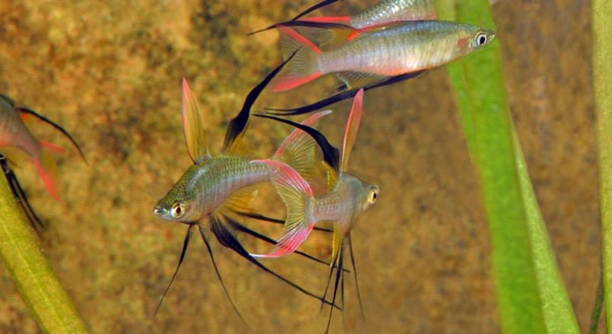
Do your threadfin males sometimes display sudden bursts of aggression, leaving you unsure how to maintain harmony in your aquarium? Managing their interactions is essential for a peaceful and balanced aquatic environment. Observing their behavior closely helps prevent serious conflicts.
Aggression between threadfin males is primarily territorial and hierarchical. Separating aggressive individuals, providing sufficient hiding spaces, and monitoring feeding routines can significantly reduce conflicts. Proper tank size and structured environments support stable social interactions among males.
Understanding these strategies will help you maintain a calmer aquarium. Maintaining harmony ensures both your fish and tank thrive over time.
Recognizing Early Signs of Aggression
Threadfin males often show subtle signs before conflicts escalate. You may notice chasing, nipping fins, or increased restlessness in specific areas of the tank. Aggressive displays can intensify around feeding times or when new decorations are added. Observing these patterns helps you intervene before injuries occur. Environmental factors like limited hiding spots or overcrowding can exacerbate tension. Some males will claim territories, defending them with persistent displays, making it essential to monitor each fish individually. Behavioral changes like sudden color shifts or rapid swimming may indicate stress. Regular observation allows you to adjust tank conditions early. Maintaining a balance between males and providing clear boundaries can prevent escalation.
Spotting these signs early is key. Quick intervention prevents injuries and keeps the tank atmosphere calmer for all fish.
Taking note of each male’s behavior helps you identify dominant and submissive individuals. Rearranging decorations or providing extra shelters can reduce direct confrontations. Avoid overcrowding and feed evenly to prevent competition. Sometimes, separating overly aggressive males temporarily is the safest solution. Adjusting tank layout and observing responses ensures peaceful coexistence.
Adjusting Tank Environment
Providing enough space is critical to managing aggression among threadfin males. Shelters, plants, and rocks create natural barriers, reducing direct confrontations and stress. Strategic placement of hiding spots allows submissive fish to retreat safely while dominant males maintain territories without constant conflict. Proper tank size ensures everyone has room to swim freely.
Rearranging decorations periodically can also help. It disrupts established territories, preventing long-term aggression patterns.
A well-structured environment significantly reduces tension in the tank. Proper hiding spots, territorial markers, and spacious layouts support healthier social behavior. Overcrowded tanks often trigger disputes, so maintaining fewer males or providing larger tanks is beneficial. Feeding in multiple locations prevents fights over food. Observing how males interact in this environment allows for adjustments, keeping dominant fish from harassing weaker ones constantly. Additionally, introducing visual barriers and varied substrates helps break line-of-sight dominance displays, which are common triggers for aggression. Consistent monitoring and small changes in tank structure can prevent the development of chronic stress, ensuring that all males maintain good health. Maintaining water quality, regular tank cleaning, and avoiding sudden disruptions complement environmental adjustments. Overall, combining space management, hiding spots, and observation creates a calmer tank and reduces aggression.
Separating Aggressive Males
Separating aggressive males is sometimes necessary to maintain peace. Using a temporary divider or a separate tank can prevent injuries and allow fish to calm down. Observation during this period helps determine long-term compatibility and whether reintegration is possible without conflict.
Temporary separation reduces immediate stress. It gives aggressive males a chance to regain composure while others continue normal activity. Monitoring behavior during this time is essential to decide on future interactions.
When separating males, ensure both tanks have similar conditions. Adequate hiding spots, proper water quality, and consistent feeding routines keep stress low. Gradual reintroduction can be attempted if aggression decreases, but persistent fighters may need permanent separation. Observation of subtle behaviors, like chasing or color changes, helps determine readiness. Always provide enough space in both tanks to prevent new territorial disputes. Maintaining calm and structured conditions during separation increases the chances of long-term harmony among males.
Monitoring Feeding Behavior
Feeding can trigger aggression if males compete for food. Spread food across multiple areas to reduce confrontations and ensure all fish get adequate nutrition. Consistent schedules help males anticipate feeding times and reduce surprise conflicts.
Careful observation during feeding is essential. Dominant males may still chase others, requiring minor adjustments in food distribution and timing to maintain balance.
Adjust feeding techniques to minimize fights. Distribute food evenly and monitor each male’s behavior to prevent bullying. Using slow-release pellets or sinking foods allows less aggressive males to eat without being chased. Avoid overfeeding, as excess food can cause competition and stress. Rotating feeding spots prevents territorial guarding of favorite locations. Observation over several days helps identify patterns and make necessary changes. If aggression persists, consider temporary separation during mealtime or using tank dividers. Consistent feeding management supports calmer interactions and ensures all males remain healthy and well-nourished.
Using Visual Barriers
Visual barriers can reduce aggression by limiting direct line-of-sight between males. Plants, rocks, or decorative panels create spaces for retreat and reduce constant territorial displays. Proper placement ensures dominant males cannot intimidate others continuously.
Barriers also help establish separate territories within the tank. They prevent weaker males from being cornered and reduce overall stress, promoting calmer interactions.
Observing Social Hierarchy
Watching how males interact helps identify dominant and submissive individuals. Dominant males display more chasing and fin flaring, while submissive fish retreat or avoid conflict. Knowing this hierarchy guides decisions on tank layout, hiding spots, and whether temporary separation is needed.
Adjusting Male Ratios
Maintaining a balanced number of males is crucial. Too many males increase competition and aggression, while fewer males reduce conflicts and make management easier. Regular observation helps maintain a healthy ratio.
FAQ
How can I tell if my threadfin males are stressed from aggression?
Signs of stress include hiding constantly, loss of color, rapid breathing, or reduced appetite. You may notice submissive males avoiding certain areas or being chased repeatedly. Monitoring behavior daily helps identify early stress, allowing you to intervene before health issues arise.
What is the best way to separate aggressive males?
Using a tank divider or a temporary separate tank works well. Ensure both areas have similar water conditions, hiding spots, and food access. Observe them during separation to see if aggression decreases, and only attempt reintegration when males show calmer behavior.
Do tank size and layout affect aggression?
Yes. Small or overcrowded tanks increase stress and territorial disputes. A larger tank with hiding spots, plants, and decorations allows males to establish territories without constant confrontation, reducing chasing and fin nipping. Periodically rearranging decorations can prevent long-term territorial aggression.
How many males can I keep together safely?
The ideal number depends on tank size and available hiding spaces. Overcrowding increases conflicts, so maintaining fewer males or providing larger tanks is safer. Observing interactions helps adjust numbers to maintain balance and minimize injuries.
Can feeding routines reduce fights?
Yes. Spreading food across the tank and feeding at consistent times reduces competition. Sinking pellets or slow-release foods allow submissive males to eat without harassment. Rotating feeding spots prevents dominant males from guarding one area. Monitoring feeding behavior ensures all males receive enough nutrition.
Should I rearrange decorations regularly?
Rearranging decorations breaks established territories, reducing dominance disputes. Rocks, plants, and other barriers prevent direct line-of-sight between males, giving submissive fish a chance to rest. Small adjustments over time help maintain a calmer social environment and prevent persistent aggression.
Is it necessary to remove the most aggressive male permanently?
Sometimes permanent separation is required if a male consistently attacks others despite interventions. Providing a separate tank ensures safety and reduces stress for the rest of the group. Observation over time helps decide if reintegration is possible or separation must remain long-term.
How do hiding spots affect male interactions?
Hiding spots allow weaker males to retreat, reducing direct confrontations. Caves, plants, and rocks create natural barriers that diffuse tension. Multiple shelters ensure no male is completely blocked from accessing resources, which prevents constant harassment and supports healthier social behavior.
What role does social hierarchy play in aggression?
Males establish dominance through chasing, fin displays, and territorial behavior. Understanding the hierarchy helps manage conflicts, determine hiding spot placement, and decide when temporary separation is necessary. Observing interactions allows you to support weaker males and prevent injuries.
Can environmental enrichment reduce aggression?
Yes. Adding plants, rocks, and varied substrates encourages natural exploration and breaks up territories. A stimulating environment reduces boredom-related stress, lowering aggressive behavior. Changing layouts occasionally and providing visual barriers helps males coexist more peacefully while maintaining a balanced social structure.
How can I monitor if interventions are working?
Watch daily for changes in chasing, fin nipping, and hiding. Submissive males should appear calmer, feed properly, and regain color. Dominant males may still assert themselves, but reduced frequency and intensity indicate that interventions like barriers, feeding adjustments, or separation are effective.
Are there signs aggression is causing health issues?
Yes. Look for torn fins, wounds, or infections. Submissive males may become lethargic or stop eating. Persistent stress can weaken immune systems. Early detection and intervention, such as separating aggressive males or adjusting tank conditions, are crucial to maintain the health and well-being of all fish.
How long should I wait before reintegrating separated males?
Wait until aggression visibly decreases and males show normal behavior. Gradual reintroduction is safer, with observation to prevent renewed fighting. Temporary separation may last days or weeks depending on individual personalities and tank conditions. Always ensure hiding spots remain available during reintegration.
Can adding more females help reduce male aggression?
In some cases, having more females can diffuse attention from dominant males, but it does not eliminate territorial disputes. Focus should remain on adequate space, hiding spots, and observing male interactions to prevent serious conflicts. Proper environmental management is more effective than altering ratios alone.
Is water quality linked to aggression?
Yes. Poor water conditions increase stress and irritability, making males more prone to fight. Maintaining stable temperature, pH, and cleanliness supports calmer behavior. Regular water changes and monitoring parameters help prevent aggression triggered by environmental stressors.
What should I do if aggression persists despite all interventions?
Persistent aggression may require permanent separation or rehoming the most aggressive male. Continuous monitoring, proper tank layout, and adequate space are essential. Ensuring all fish have access to hiding spots, food, and territory reduces overall stress while protecting the health of the group.
Final Thoughts
Managing aggression between threadfin males requires consistent observation and proactive care. These fish naturally establish territories, and understanding their behavior is the first step in creating a peaceful tank. Aggression is often triggered by overcrowding, competition for food, or lack of hiding spaces, so addressing these factors can prevent many problems before they escalate. Watching interactions closely allows you to recognize early warning signs like chasing, fin nipping, or hiding. Acting early helps avoid injuries and reduces stress, making the tank a healthier environment for all males. Small adjustments, such as rearranging decorations, adding visual barriers, or spreading out feeding areas, can have a significant impact on calming the group.
Separating aggressive males temporarily can be highly effective when conflicts become too intense. Using a divider or a separate tank gives the aggressive individual a chance to calm down and allows submissive males to regain confidence. During this period, maintaining proper water conditions, providing adequate hiding spots, and feeding consistently are essential. Observation during separation is key to deciding if reintegration is possible. In some cases, permanent separation may be necessary to ensure long-term harmony. Monitoring social hierarchy helps identify which males may pose ongoing challenges and which will coexist peacefully. Adjusting male ratios and tank layout based on these observations makes managing aggression far easier and supports the well-being of the entire group.
Creating a stable environment is the most reliable method to minimize conflicts among threadfin males. Adequate tank size, sufficient hiding spots, and regular monitoring of behavior all contribute to a calmer atmosphere. Feeding routines, visual barriers, and environmental enrichment further reduce tension and help maintain balance in social interactions. Consistent attention and small, thoughtful adjustments over time prevent chronic stress and support healthy fish behavior. Understanding the natural tendencies of threadfin males and responding appropriately allows you to maintain harmony without over-intervention. With careful planning and observation, it is possible to enjoy a peaceful aquarium where males coexist safely, reducing the risk of injury and promoting overall well-being for all the fish in your care.

Hello,
If you enjoy the content that we create, please consider saying a "Thank You!" by leaving a tip.
Every little bit helps us continue crafting quality advice that supports the health, happiness, and well-being of pets around the world, for pets of all shapes, sizes, and species.
We really appreciate the kindness and support that you show us!