
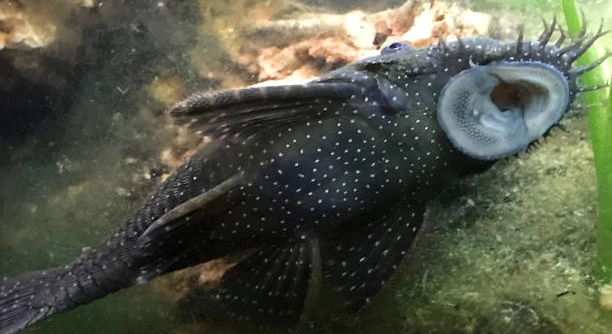
Keeping plecos in a community tank can sometimes be stressful. Aggressive tankmates may nip at fins, chase, or corner these peaceful fish, causing stress and injury. Observing their behavior closely is essential for maintaining a healthy aquarium environment.
To protect plecos from bullies, provide ample hiding spots, maintain sufficient tank size, avoid aggressive species, monitor feeding, and separate if necessary. Structured tank arrangements and consistent observation reduce stress, support health, and encourage natural behavior, ensuring plecos thrive safely.
Understanding these protective strategies allows your plecos to live without constant stress or injury in the aquarium setting. Implementing simple adjustments can make a significant difference in their well-being.
Recognize Aggressive Tankmates
Aggressive fish often target plecos by chasing, nipping fins, or guarding territory. Observing interactions closely can reveal which species are causing stress. Plecos may hide more often, show torn fins, or avoid open spaces when threatened. Knowing the signs early allows you to act before serious injury occurs. Behavioral observation is key, especially during feeding, when competition may increase aggression. Some fish only display aggression in specific areas of the tank. Rearranging decorations or adding plants can help reduce conflict. Monitoring interactions over days rather than hours gives a clearer picture of persistent bullying. Plecos may adjust over time, but repeated attacks can affect growth and immunity. Protecting their space ensures they can feed, rest, and maintain natural behaviors. Keeping notes of aggressive patterns helps in deciding if separation or tank adjustments are necessary. Regular observation builds a safe and stable environment for all tank inhabitants.
Aggressive behavior is often situational, and recognizing patterns early is essential to prevent harm.
Documenting incidents and planning tank adjustments allows plecos to thrive while minimizing stress from dominant species.
Provide Adequate Hiding Spaces
Plecos feel safer with places to retreat. Adding caves, driftwood, and dense plants creates multiple zones for them to escape from aggressive fish. Multiple hiding spots prevent one pleco from being constantly cornered, reducing stress and fin damage. Observing how plecos use these areas can guide further adjustments. Some plecos prefer higher spots or shaded corners, while others like lower areas with cover. Providing variety ensures all personalities in the tank have safe zones. Hiding spaces also help during feeding times, as plecos can access food without direct confrontation. It’s important to clean and maintain these areas regularly to prevent debris buildup and ensure water quality. Proper placement can create a natural flow, making the tank feel less crowded. Over time, plecos may explore more freely if they know safe areas exist. Watching their behavior around new shelters shows how well the adjustments work. This proactive approach fosters confidence and reduces the chance of injury.
Multiple shelters help plecos reduce stress and maintain health in a busy tank.
Consistently offering new hiding spots and observing usage improves plecos’ safety, comfort, and natural behaviors, making the aquarium a calmer environment for all species.
Separate When Necessary
Separating aggressive fish from plecos can stop immediate harm. Using a divider or a temporary quarantine tank gives plecos time to recover and reduces stress. This is especially important if injuries are visible or if aggression persists despite other adjustments.
A temporary separation allows plecos to regain confidence and heal damaged fins. During this period, monitor water quality carefully, as stress can make them more vulnerable to infections. Feeding should be adjusted to ensure plecos receive enough nutrition without interference. Observing behavior while separated helps identify which tankmates are incompatible long-term. This method is not a permanent solution for all setups, but it provides a controlled way to manage aggression while planning permanent tank arrangements. Gradual reintroduction may be possible, depending on species and temperament.
Permanent separation may be necessary for ongoing bullying, especially with aggressive species. Tank dividers, separate aquariums, or moving problematic fish ensures plecos’ safety. This strategy reduces chronic stress and prevents further injury, maintaining a healthier environment.
Maintain a Balanced Diet
Feeding plecos properly reduces competition and aggression from other fish. Ensuring they have enough food prevents bullying at feeding times and supports growth.
A balanced diet includes algae wafers, fresh vegetables, and occasional protein supplements. Providing multiple feeding zones prevents dominant fish from controlling access to food. Observing plecos’ feeding habits shows if they are receiving enough nutrients. Overfeeding should be avoided, as it can harm water quality and increase aggression. Rotate foods to provide variety and maintain health. This approach ensures plecos get consistent nutrition without constant stress, supporting natural behaviors and reducing conflict.
Feeding should be regular, measured, and considerate of all tank inhabitants. Multiple feeding areas and dietary variety keep plecos healthy, minimize stress, and reduce competition for resources. Observing their response to different foods ensures adjustments meet their needs effectively.
Monitor Tank Conditions
Clean water reduces stress and aggression in the aquarium. Regular water changes and proper filtration keep plecos healthy and more confident in their environment.
Stable temperature and pH levels also help minimize tension among tankmates. Stress from poor conditions can make plecos more vulnerable to bullying, so consistent maintenance is essential.
Increase Tank Size
A larger tank provides more space for plecos to avoid aggressive fish. Extra room reduces territorial disputes and allows hiding spots to be more effective.
Spacious aquariums allow all species to establish personal areas, lowering stress and promoting natural behavior. Crowded conditions often lead to repeated attacks and long-term health issues.
Observe During Feeding
Feeding times can trigger aggression. Watching interactions ensures plecos get food without being chased or harassed.
Regular observation during meals allows you to adjust feeding strategies, such as using multiple feeding spots or distributing food slowly to reduce conflicts.
FAQ
What are the signs that plecos are being bullied?
Plecos show several signs when stressed by aggressive tankmates. They may hide constantly, have torn or frayed fins, and avoid open areas of the tank. Some may refuse food or appear lethargic. Watching interactions closely during feeding and general activity helps identify patterns of bullying early. These signs indicate that intervention is needed to protect the plecos’ health and reduce stress in the aquarium.
How can I safely separate plecos from aggressive fish?
Temporary separation can be done using a tank divider or a separate quarantine tank. Ensure water parameters match the main tank to prevent additional stress. Provide hiding spaces and monitor the pleco’s behavior and healing process. Feeding should be adjusted so the pleco receives enough nutrition without interference. Gradually reintroducing tankmates is possible if aggression decreases, but some species may require permanent separation to ensure safety.
What types of hiding spaces work best for plecos?
Plecos benefit from caves, driftwood, dense plants, and shaded areas. Multiple hiding spots prevent any one pleco from being cornered repeatedly. Observing which shelters they prefer helps in arranging the tank effectively. Rotating or adding new shelters occasionally encourages exploration and reduces boredom while providing a safe retreat from dominant tankmates. Proper placement can also reduce territorial disputes among other fish.
How often should I monitor pleco behavior?
Daily observation is ideal, especially during feeding times. Short periods are enough to notice signs of stress or aggression. Keeping a simple log of incidents or unusual behavior helps track which tankmates cause issues. Regular monitoring allows for timely adjustments in tank arrangement, feeding strategy, or separation if necessary. Over time, this practice ensures a safer and calmer environment.
What is the best diet to reduce bullying during feeding?
A balanced diet of algae wafers, fresh vegetables like zucchini or cucumber, and occasional protein supplements helps. Providing multiple feeding areas prevents dominant fish from controlling access. Observing plecos’ feeding habits ensures they get enough nutrition without being stressed. Avoid overfeeding, as leftover food can affect water quality and increase aggression among fish. Consistency and variety are key for maintaining health and reducing competition.
Can tank size impact pleco safety?
Yes, larger tanks reduce territorial disputes and provide more hiding spaces. Crowded tanks increase stress and the likelihood of repeated attacks. Adequate space allows plecos to establish personal areas and feed safely. Even small adjustments, like rearranging decorations or adding plants, can create zones that minimize conflicts and allow all fish to coexist peacefully.
How do water conditions affect pleco stress levels?
Poor water quality can make plecos more vulnerable to bullying. Regular water changes, proper filtration, and maintaining stable temperature and pH reduce stress. Stress weakens immunity, making injuries from aggression more serious. Observing fish behavior in clean, stable conditions helps determine if problems stem from water quality or tankmate interactions.
What should I do if injuries occur?
Minor injuries can heal with proper care and a stress-free environment. Isolate injured plecos if necessary, ensure clean water, and provide a nutrient-rich diet to support healing. Severe injuries may require veterinary attention or permanent separation of aggressive fish to prevent further harm. Keeping a first aid kit for aquariums can help manage infections or fin damage.
Is it necessary to remove aggressive fish permanently?
Sometimes permanent removal is the safest option, especially if aggression persists despite tank adjustments. Using a separate tank or rehoming the aggressive species protects plecos’ well-being and reduces chronic stress. Observing long-term interactions helps decide whether coexistence is possible or permanent separation is required.
How can I prevent future bullying incidents?
Planning tankmates carefully, providing hiding spaces, monitoring behavior, maintaining water quality, and feeding strategically all reduce future aggression. Observing new additions closely during the first weeks ensures compatibility. Ongoing maintenance, adequate space, and proactive interventions create a calmer environment where plecos can thrive without stress.
This FAQ provides practical strategies and insights to protect plecos, maintain their health, and create a safe aquarium environment, reducing stress and promoting natural behavior.
Final Thoughts
Protecting plecos from bullying is an essential part of maintaining a healthy aquarium. These fish are generally peaceful, but aggressive tankmates can cause significant stress, injury, and long-term health issues. Observing behavior, identifying signs of bullying, and taking proactive measures help ensure plecos feel safe and comfortable in their environment. Simple steps like adding hiding spaces, maintaining clean water, and providing multiple feeding zones can make a noticeable difference in their well-being. A calm, stable environment allows plecos to display natural behaviors, feed properly, and recover from any minor injuries without constant threat.
Separating plecos from aggressive fish is sometimes necessary, either temporarily or permanently. Using a tank divider or a separate quarantine tank can give them time to recover while preventing further stress. Not all aggressive fish can coexist peacefully with plecos, and recognizing which species are incompatible helps prevent chronic bullying. Providing enough space and carefully arranging the tank with shelters and decorations ensures plecos have areas to retreat. Monitoring water quality, temperature, and pH levels supports their overall health and reduces stress, which can otherwise make them more vulnerable to attacks. Regular observation during feeding and daily activity allows for adjustments to tank layout, feeding methods, or separation strategies when needed.
Maintaining a balanced diet and a proper environment supports plecos’ long-term health. Offering algae wafers, fresh vegetables, and occasional protein ensures they receive enough nutrition without triggering competition or aggression from other fish. Multiple feeding zones reduce conflict, while consistent feeding schedules help plecos feel secure. Over time, careful attention to tank conditions, space, and diet promotes confidence and natural behavior. Protecting plecos from bullies is not just about preventing injury—it is about creating a stable, comfortable environment where they can thrive. By taking these steps, you ensure that your plecos live healthier, calmer lives, making your aquarium more harmonious for all its inhabitants.

Hello,
If you enjoy the content that we create, please consider saying a "Thank You!" by leaving a tip.
Every little bit helps us continue crafting quality advice that supports the health, happiness, and well-being of pets around the world, for pets of all shapes, sizes, and species.
We really appreciate the kindness and support that you show us!