
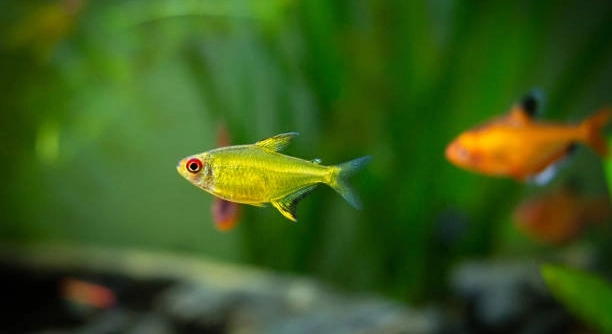
Lemon tetras are small, vibrant fish that bring life and movement to any aquarium. They thrive in carefully maintained conditions, and their comfort largely depends on factors like water temperature, pH, and overall environment.
Lemon tetras generally prefer low to moderate water flow. High currents can stress them, disrupt swimming patterns, and negatively affect their overall health. Maintaining gentle circulation ensures they can navigate comfortably and exhibit natural, calm behaviors.
Proper water flow is essential for their well-being. Understanding their preferences helps create a stable, thriving aquarium environment for these lively fish.
Understanding Lemon Tetra Behavior
Lemon tetras are active and social fish that enjoy swimming in groups. Observing them in the tank reveals subtle behaviors that indicate comfort or stress. When water flow is too strong, they may struggle to maintain position, often hiding or sticking close to plants. Gentle currents allow them to glide smoothly, conserving energy and staying healthy. Their natural habitats typically feature calm streams with moderate movement, which translates well into aquarium conditions. Providing areas with varying flow can give them options to explore or rest. It also supports proper oxygenation and prevents stagnant spots without overwhelming the fish. Watching their response to different currents helps ensure their tank setup aligns with their needs. By noting how they interact with the environment, it’s easier to adjust filters or decorations. A balance of calm zones and slight movement encourages natural activity, keeps them lively, and reduces stress-related issues in the aquarium.
Monitoring flow patterns in your tank can significantly impact the fish’s health and behavior.
Adjusting flow is straightforward. Use a sponge or adjustable filter to create gentle currents that match the tetras’ natural preference. Positioning plants or decorations strategically breaks up strong streams. This setup reduces stress, promotes schooling, and allows the fish to explore comfortably. Observation over a few days shows whether changes are effective. Lemon tetras are adaptable but thrive when conditions mirror gentle streams. Maintaining consistency in flow also prevents sudden stress that can affect appetite and immunity. Regularly cleaning filters while ensuring they do not generate strong currents maintains a calm environment. By keeping the water movement moderate, these small fish stay active, healthy, and display their natural vibrant colors. Overall, managing water flow is a key aspect of proper care, supporting both the physical and behavioral needs of lemon tetras.
Tank Setup for Optimal Flow
Creating gentle water movement starts with the right filter. Sponge filters or adjustable flow pumps work best for lemon tetras. Positioning them near decorations or plants can diffuse strong currents, giving the fish calmer swimming areas.
Plants, rocks, and driftwood not only provide hiding spots but also naturally slow water flow. By arranging these strategically, you can create zones of gentle movement while still maintaining circulation for oxygenation. Lemon tetras tend to explore these areas comfortably, using slower spots to rest and faster ones for short bursts of activity. Consistent observation ensures the flow remains suitable and adjustments can be made as needed.
Adjusting flow should be gradual. Sudden changes can stress fish and affect their schooling behavior. Observe how the tetras interact with the water movement. If they consistently avoid certain areas, reposition decorations or reduce filter intensity. A well-balanced setup encourages natural swimming patterns, reduces stress, and maintains vibrant coloration. Careful attention to both water flow and tank layout ensures lemon tetras thrive without unnecessary strain.
Observing Your Lemon Tetras
Fish behavior provides clear signals about water conditions. Watching how they swim and interact helps identify whether flow is suitable or needs adjustment.
When lemon tetras are comfortable, they swim smoothly, school together, and explore the tank evenly. Strong currents can cause them to huddle in corners, struggle against the flow, or avoid certain sections. By paying attention to these patterns, you can make small, effective adjustments to filters and decorations. Maintaining moderate flow also supports feeding and reduces the risk of stress-related illnesses. Observing daily allows for proactive care, ensuring the fish remain active, healthy, and vibrant.
Consistency is key. Sudden changes in water movement can disrupt their routine and lead to stress. Gradual tweaks in flow strength help them adapt naturally. Monitor their schooling behavior, resting spots, and swimming speed. Over time, this allows the tank to settle into a rhythm that matches their needs. Maintaining this balance supports long-term health, encourages natural activity, and keeps the tetras’ colors bright. Simple, careful adjustments make a significant difference in their well-being and tank harmony.
Choosing the Right Filter
Filters that allow adjustable flow are ideal for lemon tetras. Sponge or hang-on-back filters can provide gentle currents without overwhelming the fish.
Positioning the filter output near tank decorations helps diffuse the water movement. This creates calmer areas while maintaining circulation and oxygenation throughout the aquarium.
Signs of Stress from High Flow
Lemon tetras struggling against strong currents may hide excessively or cling to plants. Rapid, erratic swimming and loss of appetite are also common indicators. Watching these behaviors helps determine if water flow is too high and adjustments are necessary to maintain comfort.
Adjusting Flow Gradually
Slowly decreasing filter output allows tetras to adapt without sudden stress. Sudden changes can disrupt their swimming patterns and social behavior, making gradual adjustments essential for long-term health and comfort.
Maintaining a Balanced Environment
Providing a mix of slow and slightly stronger currents keeps the tank dynamic. Plants, rocks, and gentle flow create zones for rest and activity, supporting natural behavior and overall well-being.
FAQ
What water flow is best for lemon tetras?
Lemon tetras do best in low to moderate water flow. Gentle currents allow them to swim comfortably without stress. Too strong a current can tire them out, disrupt schooling behavior, and make it hard for them to feed properly. Observing their response to flow is the easiest way to adjust.
Can lemon tetras tolerate high water flow?
They can tolerate brief exposure to stronger currents but prolonged high flow causes stress. Signs include hiding, erratic swimming, or clinging to plants. Maintaining calm areas in the tank is essential for their comfort.
How do I know if the flow is too strong?
Watch their behavior. If tetras avoid sections of the tank, struggle to swim, or appear fatigued, the flow is likely too strong. Consistent observation helps identify problem areas.
Do tank decorations affect water flow?
Yes, plants, rocks, and driftwood help diffuse strong currents. Strategic placement creates calm zones for resting and exploring while still maintaining overall circulation for oxygenation.
Should I adjust the filter output for lemon tetras?
Adjustable filters are ideal. Reducing output or redirecting flow can create gentler currents. Gradual changes are important to prevent sudden stress and allow fish to adapt.
Does water flow affect feeding?
High flow can make it difficult for tetras to reach food. Calm areas or feeding in low-current zones ensures they get proper nutrition. Observing how they feed helps adjust flow effectively.
Can schooling behavior indicate comfort?
Yes. When comfortable, lemon tetras swim together in coordinated patterns. Disrupted schooling, separating, or hiding can signal stress due to excessive water movement or other environmental factors.
Do plants help with stress from water flow?
Plants provide both shelter and flow breaks. Dense or tall plants give tetras safe areas to rest and reduce fatigue caused by constant swimming against currents.
How often should I check water flow?
Daily observation is best. Fish behavior can change with tank conditions, so frequent monitoring ensures the flow remains suitable. Adjustments can be made quickly if signs of stress appear.
Is it better to have variable flow or constant low flow?
A mix of gentle zones with slightly stronger currents is ideal. This mimics natural environments, allowing tetras to swim actively or rest. Consistency in overall flow is important while providing options for movement.
Do tank mates affect preferred flow?
Yes. Active or larger fish may generate stronger currents naturally. Ensure lemon tetras have calm areas to avoid stress and maintain natural swimming behavior.
How does flow impact oxygen levels?
Proper circulation is necessary for oxygenation but does not require strong currents. Gentle water movement evenly distributes oxygen without causing strain. Adjusting the flow can balance oxygen levels with fish comfort.
Can high flow cause health issues?
Prolonged exposure to strong currents can lead to fatigue, weakened immunity, and increased susceptibility to disease. Keeping water movement moderate helps prevent these issues.
Should I use a water diffuser or spray bar?
Yes. Diffusers or spray bars help break up the flow, creating calmer areas for tetras while maintaining circulation throughout the tank.
How quickly should tetras adapt to flow changes?
They adapt gradually. Sudden increases or decreases can stress them, so adjustments should be made slowly, monitoring behavior over several days for comfort and normal activity.
Can water temperature influence flow tolerance?
Yes. Warmer water slightly increases metabolism, so tetras may tire faster in strong currents. Maintaining moderate temperature alongside gentle flow helps their energy levels and overall health.
Are there signs of long-term stress from flow issues?
Yes. Chronic hiding, loss of color, reduced appetite, and lethargy indicate prolonged stress. Correcting flow and providing calm zones restores health and natural behavior.
Do juvenile tetras prefer different flow than adults?
Juveniles often need gentler currents. Their smaller size makes strong flows more challenging. Providing calm areas helps them grow safely while still exploring the tank gradually.
Is it necessary to test flow strength with equipment?
Not usually. Observing fish behavior is sufficient. Tools can help measure flow, but adjusting based on the tetras’ reactions is more practical and reliable.
How can I create a natural flow pattern in the tank?
Use a combination of plants, driftwood, and adjustable filters. Direct the flow around obstacles to mimic slow-moving streams. This creates varied currents while keeping the overall environment calm and comfortable for lemon tetras.
Final Thoughts
Maintaining the proper water flow for lemon tetras is one of the most important steps in creating a comfortable aquarium environment. These small, active fish are easily stressed by strong currents, so providing gentle to moderate flow allows them to swim naturally without excessive effort. By observing how they move through the tank, you can quickly identify whether the flow is too strong or just right. Simple adjustments to filter output or the placement of decorations can have a significant impact on their comfort. Even small changes, like redirecting the filter spray or adding plants, can create calmer areas where lemon tetras feel safe and can rest. Consistent observation and minor tweaks help maintain an environment where the fish remain active, healthy, and display their natural colors. Over time, these small adjustments lead to a tank that feels balanced and allows the tetras to thrive without unnecessary stress or fatigue.
It is also important to remember that water flow interacts with other aspects of tank care. Oxygenation, filtration, and temperature all play roles in how lemon tetras respond to currents. Gentle water movement is enough to keep the tank well-oxygenated and circulating nutrients without overwhelming the fish. Plants, rocks, and driftwood can be used to diffuse stronger currents while providing hiding spots, creating zones of varying flow for exploration or rest. This helps mimic their natural habitat, which is typically slow-moving streams and calm waters. Maintaining a balance between sufficient circulation and calm swimming areas ensures the tetras’ health and encourages natural behaviors such as schooling, feeding, and exploring the tank. Being mindful of these factors and observing the fish regularly allows for proactive adjustments that prevent stress before it affects their well-being.
Finally, water flow is just one part of proper care for lemon tetras, but it has a noticeable effect on their behavior and overall quality of life. Creating a setup that accommodates their preference for low to moderate flow helps reduce stress, supports natural activity, and improves their appetite and immunity. Providing zones with slower currents, gradually adjusting flow when necessary, and observing behavior over time ensures that the tetras can navigate the tank comfortably. With careful attention to flow, combined with proper tank maintenance, feeding, and social conditions, lemon tetras can live healthy, vibrant lives. Their bright colors, schooling patterns, and lively movements are easier to enjoy when the tank environment respects their natural preferences. By focusing on water flow and maintaining a balanced aquarium setup, it is possible to create a stable, thriving home that supports both their physical and behavioral needs.

Hello,
If you enjoy the content that we create, please consider saying a "Thank You!" by leaving a tip.
Every little bit helps us continue crafting quality advice that supports the health, happiness, and well-being of pets around the world, for pets of all shapes, sizes, and species.
We really appreciate the kindness and support that you show us!