
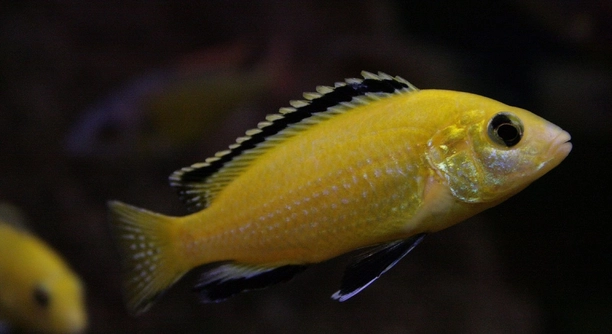
Have you ever noticed your fry swimming around curiously, exploring every corner of their tank? Watching them discover their environment can be both fascinating and worrying for new fishkeepers observing their tiny movements.
Encouraging fry exploration safely involves providing a well-structured environment with hiding spots, controlled water parameters, and monitored feeding routines. These measures ensure fry can develop naturally without risking stress, injury, or exposure to harmful conditions in their habitat.
Understanding the right balance between freedom and safety is key to supporting healthy fry growth and confident swimming behavior. Proper guidance can make a noticeable difference in their early development.
Preparing the Tank for Exploration
A tank set up for fry needs careful thought. Adding small hiding places like plants, rocks, or PVC tubes gives fry a sense of security. Gentle filtration ensures the water is clean without creating strong currents that could tire or stress the fry. Keeping the water temperature stable helps their metabolism and activity. Regular water testing is important, as even minor changes in pH or ammonia levels can affect their health. Substrate choice matters too; fine sand or smooth gravel reduces the risk of injury while allowing fry to forage naturally. Lighting should be soft to prevent stress, and decorations should not have sharp edges. Spacing is crucial to give each fry room to explore. Introducing the tank slowly and avoiding sudden changes in environment allows them to acclimate confidently. Observation is key. Watching how they interact with the environment shows whether adjustments are needed for safety and comfort.
Providing hiding spots and gentle water flow encourages fry to move around without stress or risk.
Maintaining a stable, secure environment ensures fry can explore naturally. Combining soft lighting, smooth substrate, and proper water conditions allows them to build confidence while reducing injury risk. Over time, their curiosity increases safely, and they learn to forage and navigate their space effectively. Regular checks and slow adjustments make this process smooth and reliable, giving the fry a balanced start in their tank environment.
Safe Feeding Practices
Fry need frequent, small meals to grow steadily and stay healthy.
Using appropriate food size and type is essential. Microworms, baby brine shrimp, or finely crushed flakes provide necessary nutrients. Avoid overfeeding, as leftover food can pollute the water and create harmful bacteria growth.
Feeding routines should be consistent to maintain water quality and support growth. Observing how much the fry eat helps prevent excess, which can lead to water issues or stress. Portion control encourages natural foraging behaviors, while varied diets enhance their development. Offering food in small amounts multiple times a day matches their high metabolism and keeps them active. Removing uneaten food promptly reduces ammonia buildup and keeps the tank safe. Over time, fry become more confident in seeking food and exploring different areas. Maintaining cleanliness during feeding ensures the tank remains a safe environment while supporting healthy growth and exploration habits.
Monitoring Water Quality
Regular testing keeps the tank safe for fry. Check ammonia, nitrite, and pH daily to prevent stress or illness.
Water changes are critical for maintaining a healthy environment. Small, frequent changes prevent sudden fluctuations that can harm fry. Using a siphon removes debris gently, avoiding disturbance. Filter maintenance is important, but ensure it doesn’t create strong currents. Temperature should remain consistent, as fry are sensitive to sudden shifts. Adding dechlorinated water slowly helps them adjust. Observing fry behavior during water changes indicates if conditions are comfortable. Consistent care and careful monitoring reduce risks and support healthy development over time.
Keeping water clean and stable allows fry to explore without danger. Any sudden changes can stress them, so regular checks are essential.
Encouraging Natural Behavior
Providing varied textures and safe decorations stimulates activity and exploration. Smooth rocks, live plants, and soft substrates let fry forage naturally.
Fry develop better when allowed to interact with their environment. Hiding spots reduce stress, while open spaces encourage swimming. Observing them helps identify shy or overly dominant fry, allowing adjustments for balanced activity. Rotating decorations occasionally prevents monotony and encourages curiosity. Avoid overcrowding to maintain safe distances and prevent competition. Environmental enrichment not only supports growth but also helps fry learn to navigate and forage efficiently. Over time, this balanced setup improves their confidence, physical development, and natural instincts, preparing them for a healthy adult life.
Gradual Introduction to Tank Mates
Introducing fry to tank mates should be done slowly. Choose peaceful species and avoid overcrowding to reduce stress.
Observation is key during introductions. Watch for signs of aggression or excessive hiding, and separate fry if needed. Gradual exposure helps them adapt safely.
Maintaining Consistent Light Cycles
A stable light schedule supports fry activity and growth. Use a timer to keep day and night periods consistent. Consistent lighting encourages natural behavior and reduces stress, helping fry explore confidently.
Gentle Handling
Handling fry should be minimized. Use soft nets and avoid sudden movements to prevent injury.
FAQ
How often should I feed my fry?
Fry need small, frequent meals to grow properly. Feeding three to four times a day with tiny portions helps prevent leftover food from polluting the water. Observe how much they eat in a few minutes and remove any uneaten food to maintain water quality.
What type of food is best for fry?
Microworms, baby brine shrimp, and finely crushed flakes are excellent choices. These foods are small enough for fry to eat easily and provide essential nutrients for healthy growth. Rotating types occasionally encourages natural foraging and supports development.
How can I tell if my fry are stressed?
Signs of stress include hiding constantly, erratic swimming, or refusing food. Water quality, temperature, and tank mates are common stress factors. Monitoring their environment closely and making gradual adjustments can reduce stress and encourage exploration.
Can fry live with adult fish?
It’s risky. Adult fish may see fry as food, so separating them is safest. If you plan on introducing tank mates, choose very peaceful species and do so gradually, keeping fry in protected areas until they are bigger.
How do I maintain proper water conditions for fry?
Test ammonia, nitrite, and pH regularly. Small, frequent water changes prevent spikes in harmful substances. Ensure the temperature remains stable and avoid strong currents. Using dechlorinated water and observing fry during changes helps maintain a safe environment.
How can I encourage natural behavior in fry?
Provide hiding spots, plants, and smooth decorations. Open spaces allow swimming, while varied textures promote foraging. Rotating decorations and avoiding overcrowding helps fry stay active, explore, and develop confidence in their environment.
What is the ideal tank size for fry?
Smaller fry tanks should allow at least one liter of water per fry to reduce competition and maintain water quality. As they grow, increasing space becomes necessary. Overcrowding can lead to stress, slowed growth, and higher risk of disease.
How do I safely introduce fry to a new tank?
Acclimate fry slowly using a drip method to match water parameters. Avoid sudden changes in temperature, pH, or salinity. Observing their behavior during introduction helps identify any stress or issues early, ensuring a smooth transition to the new environment.
How long does it take for fry to explore confidently?
Exploration depends on species, tank conditions, and feeding routines. Generally, fry become more confident within a few weeks if water quality is stable, food is appropriate, and hiding spots are available. Gradual exposure to new spaces encourages safe exploration habits.
Can overfeeding harm fry?
Yes. Overfeeding leads to leftover food, which can pollute the water and cause ammonia spikes. It may also stress fry and encourage unhealthy growth patterns. Small, controlled portions multiple times a day are safer and promote natural foraging behavior.
How often should I clean decorations and plants?
Clean them gently during water changes to avoid disturbing fry. Remove debris and algae carefully, using soft brushes or rinsing with tank water. Avoid harsh chemicals, as fry are very sensitive to toxins. Regular maintenance keeps the environment safe without causing stress.
Is it okay to handle fry directly?
Handling should be minimized. Fry are fragile and can be easily injured. When necessary, use soft nets and move them slowly to avoid sudden shocks. Limiting direct handling reduces stress and supports healthy exploration and growth.
How can I make the tank more interesting for fry?
Introduce varied textures like smooth rocks, fine substrate, and live plants. Open swimming areas encourage movement, while hiding spots reduce stress. Small, safe decorations rotated occasionally prevent boredom and promote natural behavior, keeping fry active and curious.
What should I do if a fry becomes sick?
Isolate the affected fry in a quarantine tank to prevent spread. Check water quality, feeding, and tank mates. Treatments depend on symptoms, so research or consult a knowledgeable source. Early intervention improves recovery chances and protects other fry in the tank.
How important is observation for fry care?
Constant observation is crucial. Watching behavior, feeding, and swimming patterns helps identify stress, disease, or environmental issues early. Adjustments based on careful observation ensure fry stay safe, healthy, and confident as they explore their habitat.
Fry care is a delicate process that requires attention to detail and patience. Every small decision, from water quality to feeding schedules, affects their growth and development. Providing a stable and safe environment allows fry to explore naturally while minimizing risks. Proper tank setup with hiding spots, smooth substrate, and gentle water flow gives them confidence to move around and interact with their surroundings. Observing their behavior daily helps identify any issues early, ensuring problems can be addressed before they become serious. Consistency in routine, including regular water checks and controlled feeding, supports their physical development and reduces stress, creating conditions where fry can thrive.
Feeding is one of the most important aspects of fry care. Small, frequent meals with the right type of food ensure they get the nutrients needed for healthy growth. Overfeeding can lead to poor water quality and increase stress levels, so it is crucial to remove uneaten food promptly. Varying food types encourages natural foraging behavior and helps fry develop properly. Gradual introduction to new foods and tank mates also supports their ability to adapt safely. Over time, fry become more confident in exploring and interacting with their environment, which contributes to stronger physical and behavioral development.
Maintaining a balance between safety and freedom is key to raising healthy fry. Limiting direct handling and avoiding sudden changes in water or tank conditions helps reduce stress and prevents injury. Providing a mixture of open spaces and hiding areas encourages natural exploration while giving fry a sense of security. Observation, careful planning, and slow adjustments are essential to creating an environment where fry can grow into strong, active fish. With consistent care and attention, the fry will learn to navigate their surroundings safely, exhibit natural behaviors, and develop into healthy adults, giving any fishkeeper confidence in their success.

Hello,
If you enjoy the content that we create, please consider saying a "Thank You!" by leaving a tip.
Every little bit helps us continue crafting quality advice that supports the health, happiness, and well-being of pets around the world, for pets of all shapes, sizes, and species.
We really appreciate the kindness and support that you show us!