
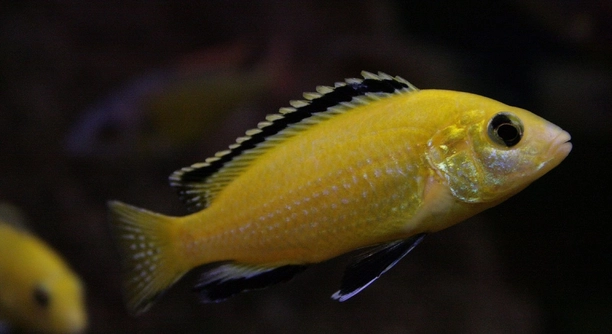
Expanding a cichlid tank can feel exciting, especially as your fish get more space to explore. Adjusting to a larger environment changes their behavior and habits in ways that can be subtle but important.
Cichlids exhibit noticeable changes in routine after tank expansion, including altered feeding patterns, increased territorial behavior, more active swimming, modified hiding spots, changes in social hierarchy, adjusted breeding activity, and shifts in stress levels. These changes reflect adaptation to the new environment.
Observing these adjustments can help ensure your fish thrive in their expanded home and maintain healthy routines in the long term.
Increased Swimming Activity
When I first expanded my cichlid tank, I noticed my fish moving around much more than before. The extra space gave them room to explore, and they started swimming in patterns I had never seen. Some would patrol their favorite areas, while others seemed to enjoy gliding through the open water. This increased activity also meant they spent more time interacting with each other. I observed more chasing, but it wasn’t aggressive—it seemed like playful behavior. The added space encouraged natural instincts like exploring, patrolling, and foraging. I also realized that some fish previously shy in the smaller tank became bolder, venturing into new corners without hesitation. Over time, this increase in movement helped improve their muscle tone and overall health. Watching them adapt made me appreciate how important space is for their well-being. Their energy levels rose, and the tank felt more alive. Expanding the tank created a more dynamic and stimulating environment that benefited every fish.
Increased swimming helps cichlids stay healthy and reduces stress, promoting natural behavior that was limited in a smaller tank.
The change was noticeable quickly. Fish that were once hidden now ventured out, exploring rocks, plants, and open areas. Even timid fish grew more confident, and territorial displays became clearer. Swimming laps and circling the tank became daily routines, making the tank feel lively and balanced. It was clear that more space allowed each cichlid to express its instincts fully.
Changes in Feeding Patterns
After expanding the tank, feeding times became more interactive. Fish spread out to find food, and some that usually waited for scraps now ate with more confidence.
Cichlids started showing new preferences and timing for meals. Some waited in certain spots, while others chased food more actively. The increased space allowed each fish to access food without competition stress. I noticed fish that were slower to eat in the smaller tank now consumed food without interference, and aggressive feeding behavior reduced. They explored the tank while searching, combining feeding with exercise. The distribution of food became more important, as a single spot wasn’t enough to satisfy everyone. Using multiple feeding points worked well, keeping fish calmer and ensuring no one was left out. Over time, I adjusted the amount and frequency of feeding to match their activity levels. Observing their new habits helped me understand their personalities better, as some fish became more adventurous and others more cautious. The expanded environment allowed feeding to become a smoother, healthier part of their routine, and I could see improvements in both appetite and behavior.
Adjusted Territorial Behavior
Cichlids became more aware of their boundaries after the tank expansion. They claimed new spaces and marked them clearly, establishing territories that were easier to defend with the extra room available.
With the larger environment, I noticed territorial disputes were less frequent but more defined. Fish selected specific areas to guard, often around favorite rocks or plants. Previously, in the smaller tank, space limitations forced overlap and stress. Now, each cichlid had room to patrol without constant confrontation. The increased space allowed weaker or smaller fish to retreat safely, reducing injuries and tension. Fish also displayed more confident body language, like flaring fins and erect postures, to assert their presence. Watching this shift in territorial behavior helped me understand how the tank size directly impacts social structure. It created a more organized and calmer atmosphere, where each cichlid could establish its own niche while coexisting peacefully with others.
Territorial behavior also influenced feeding and hiding patterns. Fish defended preferred spots, but with less aggression, making the tank a balanced space for everyone.
Changes in Hiding Spots
The extra room encouraged cichlids to explore and select new hiding places. Some fish started using plants, caves, and decorations differently than before, taking full advantage of the additional space.
I observed fish spending time in corners or behind rocks that were previously ignored. The expansion allowed them to create small personal zones where they felt safe, which reduced stress noticeably. Hiding spots became more diverse, with some fish using tall plants, others retreating into caves, and a few simply staying near the tank edges. The added room made it easier for shy individuals to avoid aggressive tank mates. Fish seemed to rotate their favorite spots, showing curiosity without feeling threatened. These new hiding behaviors also encouraged natural instincts like exploring, resting, and assessing surroundings. Overall, the tank felt more dynamic, with each cichlid managing its own space and interacting in healthier ways, creating a calmer, more natural environment.
Shifts in Social Hierarchy
The tank expansion allowed cichlids to reorganize their social ranks naturally. Dominant fish maintained key areas while others found new spaces to avoid conflict, reducing stress across the tank.
Lower-ranking fish became more confident in exploring the tank. They established secondary zones and engaged in less confrontational interactions, improving overall harmony.
Modified Breeding Activity
After expanding the tank, some cichlids began showing more frequent breeding behavior. Mating rituals and nest building became easier with more space, and pairs had room to isolate themselves from the rest of the group. Increased territory options allowed both male and female fish to choose optimal locations, improving breeding success. I noticed that eggs were placed in safer areas, and fry had better access to hiding spots. The expanded tank made it possible for multiple pairs to display courtship without interference, creating a more balanced environment. Observing these changes highlighted how space directly influences reproductive behavior and the natural instincts of cichlids.
Reduced Stress Levels
Fish appeared calmer overall, moving freely and resting confidently in new areas, which suggested lower stress after the expansion.
FAQ
How soon will my cichlids adjust to a larger tank?
Adjustment times vary, but most cichlids start exploring the new space within a few days. Initial hiding and cautious swimming are normal. Over the first week, they usually become more confident and active, gradually redistributing themselves throughout the tank. Patience is key, as each fish has its own comfort level.
Will territorial disputes increase in a bigger tank?
Territorial disputes often become more defined but less frequent. The extra space allows fish to claim specific areas without constant overlap. Dominant cichlids still patrol their preferred zones, but weaker or shy individuals can retreat safely, reducing overall aggression and injury risk.
Do feeding routines change after tank expansion?
Yes, feeding patterns often shift. Fish spread out to find food, and slower or less aggressive fish may now eat without interference. Multiple feeding points help ensure all fish get enough nutrition. Increased activity may also require slightly larger or more frequent feedings to maintain energy levels.
How does tank expansion affect hiding behavior?
Cichlids explore new hiding spots and rotate their preferences. Plants, rocks, and decorations become part of their personal zones. Shy fish benefit most, as they can retreat without encountering aggressive tank mates. Over time, hiding behavior stabilizes, reflecting confidence and comfort in the expanded environment.
Will breeding activity change after expanding the tank?
Yes, breeding behavior often increases. Pairs have room to isolate themselves and select safe nest areas. Multiple pairs can court simultaneously without interference, and fry have better access to hiding spots. The larger environment supports more natural reproductive behavior and improves success rates.
Does stress decrease with a larger tank?
Generally, yes. Fish move more freely, defend territories effectively, and find personal spaces to rest. Reduced aggression, improved feeding access, and new hiding spots all contribute to lower stress levels. Health and activity levels typically improve as a result.
How long before I see permanent changes in behavior?
Permanent changes depend on the species and individual personalities. Some behaviors, like swimming patterns and territorial boundaries, stabilize within weeks, while others, such as social hierarchy adjustments and feeding routines, may take a month or more. Continuous observation helps ensure a smooth transition.
Should I rearrange decorations or plants after expansion?
Yes, strategic placement of hiding spots, rocks, and plants encourages natural behavior. Avoid overcrowding the tank, as cichlids need open areas for swimming and patrolling. Rearranging can help reduce conflict and give shy fish accessible retreat zones.
Can all cichlids adapt equally to a larger tank?
Adaptation varies by personality and species. Bold or dominant fish often adjust quickly, while shy individuals may take longer to explore and feel secure. Monitoring each fish helps identify those that may need extra care or temporary shelter.
Will expanding the tank affect water quality?
Yes, a larger tank may require adjustments to filtration, water changes, and monitoring. While more water helps dilute waste, maintaining proper parameters is still essential to support healthier, more active fish. Regular testing ensures stability and reduces stress-related issues.
Are there long-term benefits to expanding a cichlid tank?
Absolutely. Expanded space promotes natural behavior, reduces aggression, encourages healthier feeding and breeding, and lowers stress levels. Over time, cichlids develop stronger social structures, improved physical fitness, and more confidence in their environment. The benefits are noticeable in both behavior and overall health.
How can I support my cichlids during the transition?
Provide consistent feeding schedules, avoid sudden rearrangements, and observe interactions closely. Ensure enough hiding spots and feeding points, and monitor water quality. Minimal disturbance helps fish acclimate quickly, and gradual adjustments to decor or territory reduce stress, allowing them to settle comfortably in the new tank.
This FAQ addresses common concerns after expanding a cichlid tank, offering practical guidance for smoother transitions and healthier fish behavior. By understanding their needs and observing changes carefully, the tank becomes a more balanced and enjoyable environment.
Expanding a cichlid tank is a significant change for both the fish and the keeper. The larger environment gives cichlids more room to move, explore, and establish territories. With extra space, shy or smaller fish can retreat from more dominant individuals, reducing conflict and stress. I noticed that fish that were previously hidden or timid began to explore corners and open areas, showing more natural behavior. Dominant fish could patrol their chosen spots without constant confrontation, creating a calmer and more balanced social dynamic. Overall, the tank felt more organized, and each fish seemed to have a sense of its own space, which contributed to a healthier atmosphere.
Feeding routines and hiding behavior also changed noticeably after the expansion. Fish started distributing themselves differently during feeding, with previously slower or less confident individuals now able to eat without interference. Multiple feeding points became necessary to accommodate the larger tank, and I found that the fish adjusted quickly to the new routine. Hiding spots became more utilized and varied, with some fish using plants, rocks, or corners in ways I had not expected. This gave them both security and freedom to explore. Over time, their increased activity, combined with the availability of safe hiding spaces, seemed to lower stress levels significantly. Observing these adjustments highlighted how sensitive cichlids are to their environment and how space directly impacts their behavior.
Breeding behavior, social hierarchy, and overall activity also improved with the tank expansion. Pairs were able to isolate themselves and select safer locations for nests, while fry had better access to shelter. Social structures became clearer, with dominant and lower-ranking fish interacting in less stressful ways. Swimming patterns became more dynamic, and overall energy levels improved, showing that the fish were healthier and more confident. The expansion also made monitoring behavior easier, as fish were more visible and interactions less chaotic. Providing a larger space allowed cichlids to display natural instincts, maintain their health, and live with reduced stress. Expanding a tank is more than just increasing water volume—it creates a more comfortable, stimulating, and sustainable environment where cichlids can thrive and adapt in ways that reflect their true nature.

Hello,
If you enjoy the content that we create, please consider saying a "Thank You!" by leaving a tip.
Every little bit helps us continue crafting quality advice that supports the health, happiness, and well-being of pets around the world, for pets of all shapes, sizes, and species.
We really appreciate the kindness and support that you show us!