
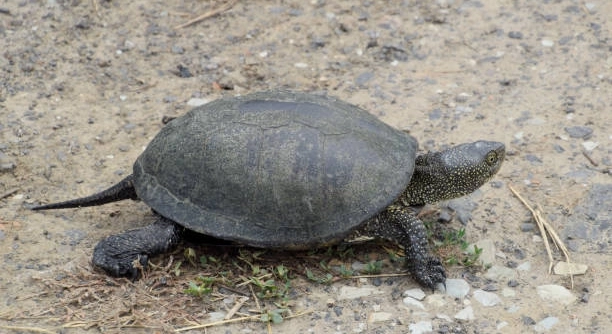
Musk turtles are fascinating and relatively easy to care for, making them a great pet choice for beginners. Their small size and calm nature make them an enjoyable addition to your home aquarium or pond.
Musk turtles thrive in well-maintained aquatic environments with a diet of protein-rich food. They require proper lighting, clean water, and a suitable tank size for their growth and comfort. Ensuring these conditions supports their long-term health.
Proper care involves understanding their needs and creating a stable environment for them. By following these simple steps, you can provide a healthy home for your new turtle friend.
Tank Setup for Musk Turtles
When setting up a tank for your musk turtle, focus on providing a spacious environment. A 20-gallon tank is usually a good starting size for one turtle. However, as they grow, you may need a larger tank. Make sure to include a basking area, like a rock or floating platform, so they can dry off and get heat from a light. The tank should be filled with dechlorinated water, and a filtration system is essential to keep the water clean and safe.
You can also add plants, but ensure they are sturdy and won’t be easily destroyed by your turtle. Musk turtles are not aggressive, but they like to explore their surroundings, so a tank with hiding spots is helpful. Regularly check the water quality, temperature, and humidity to keep your turtle comfortable and healthy.
A proper tank setup makes a big difference in the well-being of your musk turtle. Keeping the tank clean and maintaining the right conditions helps prevent illness and keeps your turtle active.
Feeding Musk Turtles
Musk turtles are primarily carnivorous, but they will also eat some plant matter. A healthy diet for your turtle includes live or frozen insects, small fish, and commercial turtle pellets. Offer a variety of food to mimic their natural diet.
It’s important to feed them in the water, as they tend to eat while swimming. Remove any uneaten food to avoid water contamination. Musk turtles typically eat every other day, but adjust their diet based on age and activity levels. Young turtles may require more food than older ones.
Feeding them a balanced diet ensures your turtle stays healthy and strong. Provide high-quality food and maintain good water quality to support their digestive system. Avoid overfeeding, as this can lead to obesity, which affects their health and activity levels.
Temperature and Lighting for Musk Turtles
Musk turtles need both proper lighting and temperature to thrive. During the day, provide a basking light that creates a warm spot around 85°F (29°C) for them to dry off and rest. At night, the temperature can drop to room level but should not go below 65°F (18°C).
A UVB light is essential for musk turtles to help them synthesize vitamin D3, which is necessary for calcium absorption. Without UVB light, they may suffer from shell deformities or bone issues. Keep the basking area well-lit for 10–12 hours daily, mimicking natural sunlight.
To ensure your turtle gets adequate UVB exposure, place the light close to the basking area, but avoid overheating. Regularly replace the UVB bulb every 6 to 12 months, as its effectiveness can diminish even if it still provides light. Check the temperature with a thermometer to avoid fluctuations.
Cleaning and Maintenance
Musk turtles can be messy, so keeping their environment clean is crucial. Water quality is one of the most important factors in their health. Use a strong filter to maintain cleanliness, and change the water regularly. A water change of about 25% every week is often enough.
In addition to cleaning the tank, you should clean the basking area and remove any waste or debris. If you notice your turtle becoming sluggish or the water looking cloudy, it’s time for a more thorough cleaning. Use non-toxic, turtle-safe cleaners to avoid harming your pet. Regularly remove uneaten food to prevent it from decaying in the water.
To keep your turtle healthy and avoid bacterial infections, focus on routine cleaning. This will help maintain water clarity and balance, allowing your turtle to live in a healthy, stable environment. Always wash your hands after handling the tank to avoid contamination.
Handling and Interaction
Musk turtles are generally not overly social, but they can become accustomed to gentle handling. Always support their body fully to avoid injury. Avoid excessive handling as it can stress them out, especially when they’re young. Allow them to explore at their own pace.
When interacting with your turtle, keep it calm and gentle. If you need to handle them, move slowly and avoid sudden movements that could startle them. Over time, your turtle will learn that you’re not a threat and may even become more comfortable with your presence. Just be patient.
Common Health Issues
Musk turtles can face several health problems, including respiratory infections and shell rot. Respiratory infections are often caused by poor tank conditions, while shell rot results from prolonged exposure to dirty or stagnant water. Look out for signs like swelling, lethargy, or abnormal breathing.
To prevent health issues, maintain clean water and proper temperatures. A balanced diet with plenty of protein will also help keep your turtle strong. If your turtle shows any symptoms of illness, take them to a reptile vet for proper diagnosis and treatment.
Handling Tank Maintenance
Make cleaning your turtle’s tank part of your regular routine. Cleaning is vital for the health of your turtle and the quality of the water. Pay attention to areas where waste accumulates, especially in the corners or under the basking area. Always use a water conditioner if you’re refilling.
FAQ
How often should I feed my musk turtle?
Musk turtles are not constant eaters, and overfeeding can lead to obesity. It’s best to feed them 2-3 times a week, with varied foods like insects, small fish, and pellets. Younger turtles may require food more frequently. Monitor their growth and activity levels to adjust the feeding schedule accordingly. Remove any uneaten food after an hour to avoid polluting the tank.
What size tank is suitable for a musk turtle?
A single musk turtle typically needs a 20-gallon tank as a minimum. As they grow, you’ll need to upgrade the tank size. Larger tanks provide better water quality, more swimming space, and allow for easier maintenance. A good rule of thumb is to increase the tank size by 10 gallons for each additional turtle.
Do musk turtles need a heat source?
Yes, musk turtles need a basking area that’s kept warm, ideally around 85°F (29°C). This helps them regulate their body temperature and dry off after swimming. Use a basking light or heat lamp to create a warm spot in the tank. Avoid overheating, as this can stress them out.
Can musk turtles live with other turtles?
Musk turtles can live with other turtles as long as the tank is large enough to give each turtle their own space. Be cautious, as some turtles may be more aggressive than others. Monitor interactions closely, especially during feeding time, to prevent any aggression or competition.
What water conditions do musk turtles need?
The water should be clean, dechlorinated, and maintained at a temperature of 75-80°F (24-27°C). Use a good filtration system to ensure water quality is kept high. Musk turtles are sensitive to poor water quality, which can lead to health problems like respiratory infections. Regular water changes are essential.
Do musk turtles need UVB lighting?
Yes, UVB lighting is crucial for musk turtles to synthesize vitamin D3, which helps with calcium absorption. Without UVB light, they can develop shell deformities or metabolic bone disease. Ensure the UVB bulb is placed near the basking area and replace it every 6–12 months.
How can I tell if my musk turtle is sick?
Signs of illness in musk turtles include lethargy, swelling, abnormal breathing, or changes in eating habits. Shell rot and respiratory infections are common health issues. If you notice any of these symptoms, it’s important to consult a vet familiar with reptiles to get proper treatment.
What do musk turtles eat besides pellets?
Musk turtles enjoy a varied diet, including insects like crickets, mealworms, and waxworms, as well as small fish and aquatic plants. Offering a mix of live food and prepared pellets will keep them healthy. You can also give them occasional treats like earthworms or shrimp.
How do I keep the tank clean?
Keeping the tank clean involves regular water changes, proper filtration, and removing uneaten food. Clean the basking area and substrate periodically, as waste can build up there too. A good routine will help maintain water clarity and prevent bacterial growth. Be sure to scrub any algae off surfaces and check the filter regularly.
Can I house my musk turtle in a pond?
Yes, musk turtles can live in a pond, but you need to make sure it’s safe and clean. The pond should be free from chemicals, and it should have a basking area. During colder months, you may need to bring your turtle indoors if the temperature drops too low.
How long do musk turtles live?
Musk turtles have a relatively long lifespan and can live for 20 to 30 years with proper care. To ensure they live a long, healthy life, focus on maintaining a clean tank, feeding them the right diet, and providing them with the correct temperature and lighting conditions.
How do I prevent my musk turtle from getting shell rot?
Shell rot is typically caused by poor water quality, so maintaining clean water is key. Avoid overexposing your turtle to wet conditions without a dry area for basking. If shell rot occurs, consult a reptile vet for proper treatment. Regular tank cleaning and good diet will help prevent this issue.
Do musk turtles need a filter?
Yes, a filter is necessary to maintain water cleanliness. Musk turtles are messy creatures, and the filter helps remove waste and debris. Make sure to choose a filter suitable for the size of your tank and clean it regularly to ensure effective filtration.
What is the best substrate for a musk turtle tank?
For the substrate, avoid sharp rocks or gravel that could injure your turtle. Instead, opt for smooth river rocks, sand, or a soft, reptile-safe liner. It’s important to regularly clean the substrate to remove waste and prevent the build-up of harmful bacteria.
Final Thoughts
Caring for a musk turtle can be a rewarding experience, especially if you’re prepared to meet their needs. These turtles are relatively low-maintenance but do require a specific environment to thrive. By ensuring they have clean water, proper lighting, and a balanced diet, you can help them live a long and healthy life. Remember that while they are not overly demanding pets, they still need attention and care to stay comfortable and stress-free.
One important thing to consider is that musk turtles can live for many years, so be prepared for a long-term commitment. They don’t grow quickly, but with proper care, they will gradually need larger living spaces. Their health depends heavily on water quality and temperature, so maintaining a stable environment is key. Regular cleaning and attention to their diet are also important. A healthy turtle will be more active and engaging, which can be a joy to observe.
In the end, owning a musk turtle requires a balance of patience and knowledge. Taking the time to learn about their needs and providing the right habitat will not only ensure their well-being but also make the experience more enjoyable for you. With the right care, your musk turtle can be a lasting companion, offering many years of enjoyment.

Hello,
If you enjoy the content that we create, please consider saying a "Thank You!" by leaving a tip.
Every little bit helps us continue crafting quality advice that supports the health, happiness, and well-being of pets around the world, for pets of all shapes, sizes, and species.
We really appreciate the kindness and support that you show us!