
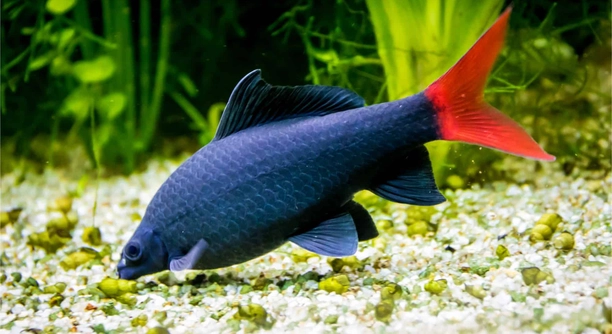
Rainbow sharks are popular aquarium fish known for their striking colors and active behavior. However, their aggressive nature can sometimes cause stress in community tanks. Understanding their behavior helps create a more peaceful aquatic environment.
Managing rainbow shark aggression involves controlling tank conditions, providing adequate space, and ensuring proper tank mates. Regular feeding, hiding spots, and monitoring behavior can reduce stress and territorial disputes, promoting harmony in the aquarium.
Learning effective ways to handle this aggression can improve the well-being of all your fish. The following tips offer practical guidance to maintain balance in your tank.
Provide Adequate Space in the Tank
Rainbow sharks need enough room to swim and establish their own territories. A small or overcrowded tank can increase aggression. Ideally, the tank should be at least 55 gallons for one rainbow shark. If you have more than one, a larger tank is necessary to give each fish its space. This helps reduce competition and fights. Adding decorations like rocks or plants can also break up open areas, giving fish places to hide and avoid direct confrontations. Space combined with visual barriers helps calm aggressive behavior by allowing each fish to claim a territory without constant threats.
Ensuring enough swimming space is one of the easiest ways to reduce aggression. Crowding often triggers stress and fighting among rainbow sharks.
A spacious tank with multiple hiding spots promotes peaceful interactions. When fish feel safe and not crowded, they tend to be less aggressive. This allows you to enjoy their bright colors and active behavior without constant issues.
Choose Compatible Tank Mates Carefully
Rainbow sharks are territorial and may be aggressive toward fish that look or behave similarly. Avoid housing them with other bottom dwellers or fish that share their swimming level. Instead, select mid to upper-level swimmers that won’t compete for the same space. Larger, fast-moving fish can also help distract aggression and reduce conflicts. Avoid slow-moving, long-finned, or very small fish, as they may become targets.
Keeping compatible tank mates reduces stress and limits fights. It is important to research fish species before mixing them with rainbow sharks to ensure harmony. Introduce new fish slowly and watch interactions carefully. If aggression occurs, it may be necessary to separate fish or reconsider the tank setup. Proper pairing of fish creates a balanced aquarium where everyone can thrive peacefully.
Maintain Proper Feeding Schedule
Feeding rainbow sharks on a regular schedule helps reduce aggression. Hunger can make them more territorial and prone to fighting. Provide a balanced diet with high-quality pellets, flakes, and occasional live or frozen foods.
Consistent feeding prevents competition for food and reduces stress. Avoid overfeeding, which can cause water quality issues and health problems. Feeding small amounts multiple times a day is ideal to keep them satisfied and calm.
Healthy, well-fed fish are less likely to be aggressive. Offering variety in their diet also supports overall health, which helps manage their behavior naturally.
Create Plenty of Hiding Spots
Rainbow sharks need places to hide when they feel threatened or want to rest. Use plants, caves, and decorations to create multiple hiding areas around the tank. This helps lower stress and aggression.
Providing many hiding spots breaks the line of sight between fish, reducing territorial disputes. It also gives shy fish a safe space to avoid confrontations. Rearranging decorations occasionally can help reset territories and prevent constant fighting.
A tank with plenty of hiding spots feels safer for all fish. When fish can retreat and feel secure, they show less aggressive behavior, leading to a calmer, more enjoyable aquarium environment.
Monitor Water Quality Regularly
Poor water quality can increase stress and aggression in rainbow sharks. Test the water often to keep ammonia, nitrite, and nitrate levels low. Clean water helps fish stay healthy and calm.
Perform regular water changes and maintain the filter system. This prevents toxins from building up, which can trigger aggressive behavior.
Avoid Overstocking the Tank
Overcrowding creates stress and competition among fish. Keeping fewer fish in the tank reduces territorial disputes and aggression. Make sure the tank size matches the number of fish to maintain balance and harmony.
Use Tank Dividers if Needed
If aggression persists, temporary dividers can separate fish. This allows them to get used to each other without physical fights. Gradually remove dividers once behavior improves.
Maintain Consistent Lighting
Sudden changes in lighting can stress fish. Keep a regular light cycle to support natural rhythms and reduce aggression.
FAQ
Why are rainbow sharks aggressive?
Rainbow sharks are naturally territorial fish. In the wild, they defend their space to protect food and breeding grounds. In tanks, limited space can increase competition, causing them to act aggressively. Stress, poor water quality, and overcrowding also contribute to their aggressive behavior.
Can rainbow sharks live peacefully with other fish?
Yes, they can live peacefully if tank conditions are right. Choosing compatible tank mates and providing enough space helps reduce conflicts. Avoid housing them with other bottom dwellers or small, slow-moving fish that may trigger aggression. Mid-level or fast-swimming fish are better companions.
How big should my tank be for rainbow sharks?
A minimum tank size of 55 gallons is recommended for one rainbow shark. If you plan to keep more than one, a larger tank is necessary to provide enough space and reduce territorial disputes. Larger tanks allow fish to establish their own areas and reduce aggression.
What is the best diet for rainbow sharks?
Rainbow sharks thrive on a balanced diet including high-quality pellets, flakes, and occasional live or frozen foods like bloodworms or brine shrimp. Feeding them regularly with varied foods keeps them healthy and less aggressive. Avoid overfeeding, which can harm water quality and fish health.
How often should I clean the tank?
Regular tank maintenance is important. Perform partial water changes of about 20-30% every week or two. Clean the filter monthly and remove uneaten food or debris. Keeping water clean reduces stress and aggression by maintaining a healthy environment.
Can hiding spots reduce aggression?
Yes, hiding spots are essential. They give fish places to retreat and feel safe, which lowers stress and fights. Use decorations, plants, or caves to break up open areas. Rearranging these sometimes helps reset territories and prevent ongoing disputes.
What should I do if aggression continues despite precautions?
If aggression continues, try rearranging the tank layout or adding more hiding spots. You may need to separate aggressive individuals temporarily using tank dividers. In some cases, rehoming the most aggressive fish may be necessary to restore peace.
Does lighting affect rainbow shark behavior?
Consistent lighting helps maintain their natural rhythms. Sudden or irregular lighting changes can stress fish and increase aggression. Use a timer to keep a regular light cycle, typically 8-10 hours per day, to create a stable environment.
Is it normal for rainbow sharks to chase each other?
Some chasing is normal as part of establishing territory. However, frequent or severe chasing can cause injury or stress. If chasing becomes intense, consider increasing tank size, adding hiding spots, or separating fish to reduce aggression.
Can stress cause aggression in rainbow sharks?
Stress is a major factor in aggression. Causes include poor water quality, overcrowding, lack of hiding places, and sudden changes in the environment. Reducing stress by maintaining good tank conditions helps keep aggression under control and supports fish health.
Final Thoughts
Rainbow shark aggression can be challenging to manage, but it is not impossible. By understanding their natural behavior and needs, you can create a tank environment that reduces stress and competition. Providing enough space, suitable tank mates, and proper hiding spots are some of the most important steps. These adjustments help rainbow sharks feel secure and less threatened, which lowers their aggressive tendencies. It is also important to maintain good water quality and a consistent feeding schedule. Healthy fish are less likely to act out and more likely to coexist peacefully.
Taking the time to carefully set up your aquarium will benefit both you and your fish. Overcrowding and poor water conditions often lead to frustration and fights, but they can be avoided with proper care. Watching your rainbow sharks settle in and display natural, calm behavior can be very rewarding. While some chasing and territorial behavior is normal, constant aggression is a sign that changes are needed. Use tank dividers or rehome overly aggressive fish if necessary. Patience and observation play a key role in managing aggression and ensuring a balanced environment for all your aquatic pets.
In the end, dealing with rainbow shark aggression is about creating balance and respect among the fish. It requires effort and consistency, but the results are worth it. A peaceful aquarium allows you to enjoy the beauty and energy of these colorful fish without worry. Maintaining a calm environment promotes their health and longevity. Keeping these tips in mind will help you provide a comfortable home where your rainbow sharks and other fish can thrive together peacefully.

Hello,
If you enjoy the content that we create, please consider saying a "Thank You!" by leaving a tip.
Every little bit helps us continue crafting quality advice that supports the health, happiness, and well-being of pets around the world, for pets of all shapes, sizes, and species.
We really appreciate the kindness and support that you show us!