
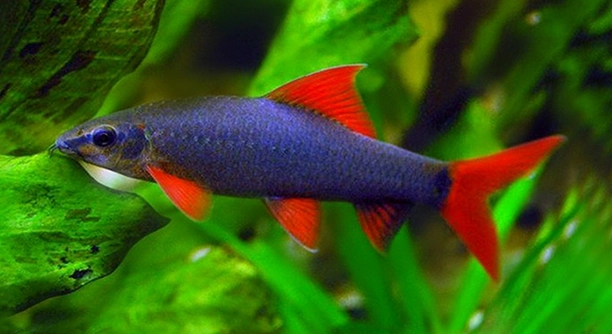
Rainbow sharks are popular freshwater fish known for their vibrant colors and active behavior. Many aquarium enthusiasts enjoy keeping them, but breeding these fish can be challenging. Proper care and understanding of their needs are essential for success.
Successful breeding of rainbow sharks requires maintaining optimal water conditions, providing suitable spawning areas, and ensuring a balanced diet. Consistent monitoring and gentle handling reduce stress, increasing the likelihood of healthy eggs and fry development. Attention to these details supports reproductive success.
Breeding rainbow sharks involves careful preparation and patience. The following tips will help guide you through the process for better results.
Preparing the Tank for Breeding
Setting up the right environment is crucial for breeding rainbow sharks. The tank should be spacious, with at least 30 gallons to provide enough room for swimming and spawning. Clean water with stable parameters helps reduce stress and encourages breeding behavior. Aim for a temperature between 78 and 82 degrees Fahrenheit, and maintain a pH level of 6.5 to 7.5. Add plenty of hiding spots using plants, rocks, or driftwood, as rainbow sharks prefer shelter during breeding. A separate breeding tank can improve success rates by minimizing aggression and controlling conditions better.
A well-prepared tank promotes healthy fish and increases breeding chances. Monitoring water quality daily is important for stability and fish well-being.
Keeping the tank clean and maintaining ideal conditions will prevent common health issues. Frequent water changes of 20 to 30 percent weekly help remove toxins. Adding a gentle filter with low flow mimics their natural habitat without stressing the fish. Avoid overcrowding, as rainbow sharks can be territorial, especially during breeding. Observing their behavior closely will alert you to any problems early, allowing for quick adjustments. Proper tank preparation creates a safer, more comfortable space for successful breeding.
Feeding and Nutrition for Breeding Success
Proper nutrition plays a key role in breeding readiness. Rainbow sharks require a balanced diet rich in protein to develop eggs and sperm. Feed them high-quality pellets or flakes formulated for carnivorous fish, supplemented with live or frozen foods like bloodworms, brine shrimp, or daphnia. These options help boost their energy and improve overall health. Feeding small amounts multiple times daily ensures they receive adequate nutrition without polluting the tank.
A strong diet improves fish vitality and increases the chances of spawning.
Consistent feeding with varied food sources supports reproductive health. Nutrient-rich meals encourage females to produce more eggs and males to be more active during courtship. Overfeeding should be avoided to maintain water quality. Introducing foods with vitamins and minerals can further enhance fish condition. Monitoring their appetite and adjusting portions as needed helps keep them in peak form for breeding. Proper feeding contributes directly to the success of raising healthy offspring.
Selecting Healthy Breeding Pairs
Choosing healthy fish increases breeding success. Look for active, vibrant rainbow sharks without signs of illness or injury. Avoid fish that appear lethargic or have faded colors.
Healthy rainbow sharks display bright colors and smooth scales. Males tend to be slimmer with longer fins, while females are rounder, especially when ready to spawn. Introducing a compatible pair in a separate tank reduces stress and territorial fights. It’s best to select fish of similar size and age to improve mating chances. Keep an eye on their behavior to confirm compatibility, as aggression can prevent breeding.
Isolating the breeding pair allows closer monitoring. It also provides a safe space for egg laying without interference from other tank mates. This careful selection and management encourage better reproductive outcomes.
Creating the Ideal Spawning Environment
Rainbow sharks prefer flat surfaces or broad leaves for egg laying. Providing smooth rocks or spawning mops encourages females to deposit eggs. Position these in quiet, low-traffic areas of the tank.
Maintaining consistent water conditions is essential during spawning. Slightly raising the temperature by 2 degrees can stimulate breeding. Light cycles should mimic natural day and night, with around 10 to 12 hours of light daily. Avoid sudden changes in water parameters or lighting, as these stress the fish and reduce spawning activity.
After eggs are laid, removing the adults prevents them from eating the eggs. Using a sponge filter keeps water clean without harming fragile eggs. Proper environmental adjustments make a significant difference in breeding success.
Monitoring Spawning Behavior
Rainbow sharks show specific behaviors before spawning. Males may chase females gently around the tank as part of courtship. Watch for increased activity and territorial displays.
These behaviors usually indicate readiness to breed. Observing them helps time interventions, such as preparing to separate adults after egg laying to protect the eggs.
Caring for Eggs and Fry
Eggs hatch in about 24 to 36 hours under optimal conditions. Keep water clean and stable during this time. Remove any fungus with appropriate treatments.
Fry are tiny and delicate. Feed newly hatched brine shrimp or infusoria to support their growth. Avoid strong currents in the tank to prevent harm.
Handling Aggressive Behavior
Aggression can disrupt breeding. Separating aggressive individuals helps maintain peace. Territorial disputes reduce chances of successful spawning.
FAQ
How long does it take for rainbow shark eggs to hatch?
Rainbow shark eggs typically hatch within 24 to 36 hours if water conditions are stable. Maintaining a temperature between 78 and 82 degrees Fahrenheit helps speed up the process. Proper water quality is essential to prevent fungus or bacteria from harming the eggs during this time.
Can rainbow sharks breed in a community tank?
Breeding in a community tank is difficult because rainbow sharks are territorial, especially during breeding. Other fish can stress or harm them, reducing chances of successful spawning. Using a separate breeding tank is highly recommended for better control and protection of eggs and fry.
What are the signs that rainbow sharks are ready to breed?
Signs include increased chasing and territorial behavior, especially from males toward females. Females may appear rounder due to eggs. Both fish become more active and may show brighter colors. Watching these signs helps in timing the transfer to a breeding setup.
How can I tell male and female rainbow sharks apart?
Males are usually slimmer with longer, more pointed fins, while females tend to be rounder, especially when carrying eggs. Observing their behavior during breeding season can also help identify sexes, as males become more aggressive.
What is the best diet to prepare rainbow sharks for breeding?
A protein-rich diet including high-quality pellets, flakes, and live or frozen foods like bloodworms and brine shrimp supports reproductive health. Feeding small portions multiple times daily keeps fish in good condition without polluting the tank.
How often should water be changed during breeding?
Regular water changes of 20 to 30 percent per week are important to keep water clean and stable. During breeding and egg care, frequent monitoring and maintaining water quality prevent stress and diseases.
What temperature is ideal for breeding rainbow sharks?
Maintaining the tank temperature between 78 and 82 degrees Fahrenheit encourages spawning. Slightly raising the temperature by about 2 degrees during breeding time can stimulate activity.
What should I do if eggs develop fungus?
Fungus can be treated with antifungal medications safe for eggs or by using methylene blue in the water. Improving water quality and reducing light exposure also helps prevent fungal growth.
How do I protect the eggs from being eaten?
Removing adult fish from the breeding tank immediately after eggs are laid prevents them from eating the eggs. Using a separate breeding tank or divider is useful for protection.
When can fry be fed, and what should they eat?
Fry start feeding once their yolk sacs are absorbed, usually after a few days. Offer tiny live foods like newly hatched brine shrimp or infusoria to ensure proper nutrition and growth.
Is it necessary to have a special filter during breeding?
A sponge filter is recommended because it provides gentle filtration without creating strong currents that can harm eggs or fry. It also helps maintain water quality effectively.
Can rainbow sharks breed without changing water conditions?
Stable water conditions are essential for successful breeding. Sudden changes in temperature, pH, or water quality can stress fish and inhibit spawning.
What is the role of lighting during breeding?
Maintaining a natural light cycle of about 10 to 12 hours per day supports breeding activity. Avoid sudden changes in lighting to reduce stress.
How long does it take for fry to grow?
Fry grow slowly during the first few weeks. With proper feeding and care, they develop colors and start looking like adults after several months.
What common mistakes reduce breeding success?
Overcrowding, poor water quality, inadequate diet, and stress from aggressive tank mates are common issues. Preparing the tank properly and isolating the breeding pair improve outcomes.
Breeding rainbow sharks requires patience and careful attention to their needs. It is not a quick or easy process, but with the right setup and consistent care, it is possible to see successful results. The key is maintaining stable water conditions and providing a peaceful environment. Avoid sudden changes that could stress the fish. Keeping the tank clean and properly filtered supports healthy breeding and development of eggs and fry. Preparation before breeding begins will save time and reduce problems later on.
Nutrition plays an important role in preparing rainbow sharks for breeding. Feeding a balanced diet that includes protein-rich foods helps improve their overall health and reproductive abilities. It is important to avoid overfeeding, which can harm water quality and fish health. Offering a variety of foods such as pellets, flakes, and live or frozen items like bloodworms can support the fish during breeding. Observing their behavior and appetite will help you adjust feeding to meet their needs.
Finally, closely monitoring the breeding process can increase success rates. Watch for signs that fish are ready to spawn, and create the right conditions for egg laying and hatching. Removing adults after spawning helps protect the eggs from being eaten. Caring for fry requires patience, proper feeding, and a calm environment. Understanding these factors and following recommended steps will help in breeding rainbow sharks successfully and raising healthy young fish.

Hello,
If you enjoy the content that we create, please consider saying a "Thank You!" by leaving a tip.
Every little bit helps us continue crafting quality advice that supports the health, happiness, and well-being of pets around the world, for pets of all shapes, sizes, and species.
We really appreciate the kindness and support that you show us!