
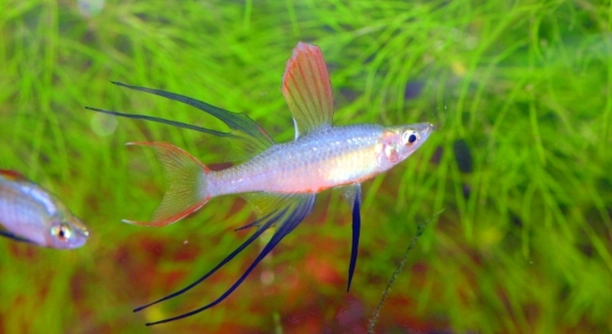
Do your threadfins seem restless and uneasy after being moved into a new tank? Adjusting to a different environment can often cause them visible stress and make them act differently than usual.
The most effective way to calm threadfins after a tank move is by minimizing stress triggers. Maintaining stable water conditions, dim lighting, and providing hiding spots helps them regain comfort and adapt faster to their new surroundings.
Understanding what affects their comfort will help you create a calm and balanced environment that supports their health and peaceful behavior.
1. Give Them Time to Settle
After a tank move, threadfins often act nervous or hide for hours, sometimes even days. This reaction is normal and stems from the sudden change in their surroundings. The best thing you can do is allow them time to adjust without interference. Avoid tapping the glass or making abrupt movements near the tank. Keeping noise levels low also helps them feel safer. Threadfins are sensitive and can pick up on environmental stress easily. By giving them peace and quiet, you allow their natural behavior to return gradually as they recognize the tank as a safe place again.
Patience is the key to helping threadfins feel secure. It might take a few days before they start swimming comfortably again and showing their usual colors.
Once they begin exploring their environment freely, it’s a good sign that they’re adjusting well. Avoid adding new tank mates or decorations during this time to prevent extra stress. Keep the tank lighting soft, as bright lights can startle them easily. Observe them quietly instead of interacting directly. Their comfort will grow once they associate the new tank with safety and routine. With a calm environment and consistent care, they’ll regain their confidence and show their natural, graceful behavior again.
2. Maintain Water Stability
Sudden water changes can heighten stress in threadfins. Keeping the temperature, pH, and hardness stable will make a huge difference in how quickly they settle. Consistency helps them feel secure and reduces the risk of illness.
Water quality plays a vital role in how well threadfins adapt after a tank move. Always ensure the new tank has been properly cycled before introducing them. Ammonia or nitrite spikes can cause irritation and increase anxiety. Use a reliable test kit to monitor parameters daily for the first week. Keep the temperature steady—around 75 to 80°F—and avoid large water changes that can shock them. Gradual adjustments are safer and less stressful. Adding a small amount of aquarium salt can also help reduce stress. If you notice heavy breathing or clamped fins, it may indicate unstable water. Acting quickly to stabilize conditions will help your threadfins regain their calm and natural swimming rhythm.
3. Adjust the Lighting Gradually
Threadfins are easily startled by sudden changes in light. Keeping the tank lighting dim for the first few days helps reduce their stress levels. Gradually increasing brightness over time allows them to adjust without panic or hiding excessively.
Bright light can make threadfins feel exposed and vulnerable, especially in a new environment. Using floating plants or adjustable lights can soften the brightness and create shaded areas where they can retreat. Avoid switching lights on or off abruptly—use a dimmer or turn room lights on first before the tank light. Gentle lighting encourages normal swimming behavior and feeding habits to return sooner. You’ll notice them exploring more freely once they feel less threatened by their surroundings. Maintaining a soft, balanced light cycle helps regulate their daily rhythm and keeps them calm.
Over time, consistent lighting patterns give them a sense of stability. Threadfins thrive when their environment feels predictable. Try keeping the lights on for eight to ten hours daily to mimic a natural day-night cycle. If your tank receives sunlight, ensure it’s indirect to prevent glare or overheating. Smooth transitions in brightness—especially during morning and evening—create comfort and routine. This simple adjustment supports both their health and emotional balance after a tank move.
4. Add Hiding Spaces
Hiding spots give threadfins a sense of security, especially when they feel uneasy after being moved. Plants, driftwood, or small caves provide protection and help them feel less exposed to open areas of the tank.
Threadfins often stay close to shelter until they regain confidence. Adding natural elements like live plants, rocks, or decorations with smooth surfaces encourages them to explore slowly. These hiding spots also reduce aggression among tank mates and minimize stress-related behaviors. Make sure the spaces are large enough for them to swim through easily but not so open that they lose their protective feel. Soft plants such as Java fern or Anubias work well, offering both coverage and a natural aesthetic. With several safe spots, your threadfins will begin swimming more freely and showing brighter colors, signaling comfort and calmness.
5. Keep Feeding Light and Consistent
Feeding too much right after a move can overwhelm threadfins and pollute the water. Offer small amounts of easily digestible food like flakes or micro pellets. Feed lightly once or twice daily until their behavior returns to normal.
Avoid introducing new food types during this adjustment period. Familiar meals provide comfort and prevent digestive stress. If they refuse food for a day or two, that’s normal. Stay patient and maintain a calm routine around feeding time to help them feel secure and ready to eat again.
6. Monitor Behavior Closely
Watch their swimming patterns and interaction with tank mates. Hiding for long periods or erratic swimming can indicate ongoing stress. Look for gradual improvement, such as exploring more or responding to feeding, as these are signs of recovery.
7. Limit Tank Maintenance for a While
Frequent cleaning or rearranging can unsettle threadfins during this period. Avoid unnecessary changes to décor or filtration for at least a week. Keep everything stable so they can adapt to their surroundings without more disruption.
FAQ
How long does it take for threadfins to settle after a tank move?
Threadfins usually need several days to adjust to a new tank. Some may start exploring within 24 hours, while others can take up to a week. Their adjustment depends on water stability, hiding spots, and lighting. Patience is essential, as forcing interaction can increase stress and prolong the settling period.
Why are my threadfins hiding so much?
Hiding is a natural response to stress. When moved, they feel exposed in an unfamiliar environment. Providing plants, caves, or driftwood helps them feel safe. Gradually, as they recognize the tank as secure, they will venture out more and display normal swimming patterns. Avoid chasing or tapping the glass.
Is it normal if they stop eating after a move?
Yes, temporary loss of appetite is common. Stress can suppress feeding behavior for one to two days. Continue offering small amounts of familiar food and maintain stable water conditions. Avoid introducing new food or supplements until they start eating regularly again.
Can water changes affect their stress levels?
Sudden water changes can worsen stress. Threadfins are sensitive to changes in temperature, pH, and hardness. Small, gradual adjustments are safer. Monitor parameters closely and maintain consistent conditions, especially during the first week after moving them. This prevents unnecessary shock and keeps them calm.
Do they need hiding spaces if the tank is quiet?
Yes, even in a quiet tank, hiding spaces are important. Threadfins naturally seek shelter to feel secure. Plants, rocks, or small caves give them control over their environment and reduce stress. Providing multiple options encourages exploration while keeping them comfortable.
How important is lighting for their adjustment?
Lighting greatly impacts stress. Bright lights can cause panic, while dimmed lighting creates comfort. Gradually increasing brightness over several days allows them to adapt. Floating plants or adjustable lights can soften harsh light and provide shaded areas for resting. Consistent day-night cycles support calm behavior.
Should I introduce new tank mates during this period?
It’s best to avoid adding new fish immediately. New tank mates increase stress and competition. Wait until threadfins are swimming confidently, eating normally, and showing relaxed behavior before considering new additions. Stability helps them regain routine and prevents aggression.
Can aquarium salt help calm them?
Yes, small amounts of aquarium salt can reduce stress and support overall health. Use it according to guidelines for freshwater fish. It helps with gill function and minor skin irritation, promoting comfort. However, avoid overdosing, and do not use it as a substitute for proper water maintenance.
How do I know if they are fully settled?
Signs of full adjustment include regular swimming throughout the tank, consistent feeding, and interacting calmly with tank mates. Colors appear brighter, and they no longer hide for long periods. Once these behaviors are consistent for several days, they can be considered settled and comfortable.
What if they show signs of illness after a move?
Stress can make threadfins more vulnerable to disease. Watch for unusual spots, frayed fins, or labored breathing. If symptoms appear, check water quality first, then consult a veterinarian or fish care specialist. Early attention helps prevent serious health issues.
How often should I monitor them during the first week?
Observe them at least twice daily. Look for swimming patterns, feeding response, and interaction with tank mates. Consistent observation helps catch stress signs early and ensures water and environmental conditions remain stable. Recording notes can help track gradual improvement.
Can I handle them to calm them down?
Handling is stressful and should be avoided unless necessary. Threadfins respond better to environmental adjustments than physical interaction. Let them settle naturally, using calm lighting, hiding spaces, and stable water conditions to reduce stress. Handling may make anxiety worse and delay recovery.
Are there foods that can help reduce stress?
Familiar, easily digestible foods are best. Avoid sudden changes or new supplements until they’re settled. High-quality flakes, micro pellets, or small live foods encourage feeding while minimizing digestive stress. Feeding small portions regularly helps them regain confidence and routine.
Is temperature important during the adjustment period?
Yes, keeping a stable temperature is critical. Sudden fluctuations can shock them and increase hiding behavior. Maintain water between 75–80°F and avoid rapid heating or cooling. Gradual adjustments are safe and support overall health during the transition.
How can I tell if my tank setup is ideal for threadfins?
A good setup includes stable water conditions, dim lighting, multiple hiding spots, and minimal disturbances. Observing calm swimming, regular feeding, and bright coloration indicates comfort. Adjust décor and lighting gradually if signs of stress persist to optimize their environment.
Can background noise affect them?
Yes, loud or sudden noises can startle threadfins and increase hiding. Keeping the tank area quiet helps them feel secure. Gentle background sounds, like soft household noise, are usually fine, but avoid banging, tapping, or sudden vibrations. Quiet surroundings support calm adjustment and healthy behavior.
How do I manage multiple stress factors at once?
Prioritize water stability first, then hiding spaces and lighting. Keep feeding light and consistent, avoid handling, and minimize disturbances. Addressing multiple factors together creates a stable environment, reducing overall stress and helping threadfins settle efficiently after a move.
Can I use supplements or additives to speed up adjustment?
Supplements can help only if water conditions and diet are already stable. Stress-reducing additives may support calm behavior, but they cannot replace proper tank management. Focus on maintaining consistency in water, lighting, feeding, and décor before considering additives.
What should I do if they never fully settle?
If stress persists beyond a week despite stable conditions, review water quality, hiding options, lighting, and feeding routines. Persistent anxiety may indicate illness or unsuitability of the tank environment. Consult a professional to identify issues and improve their comfort.
Are there signs of long-term stress I should watch for?
Long-term stress can show as faded colors, reduced appetite, lethargy, or constant hiding. Early intervention is important. Regular monitoring and maintaining an optimal environment prevent chronic stress and support health and longevity in threadfins.
How do I maintain their calm once they are settled?
Continue consistent feeding, stable water conditions, and minimal disturbances. Gradually introduce any changes, like new decorations or tank mates, to avoid shocking them. Regular observation ensures that threadfins remain comfortable and stress-free in their environment.
This FAQ section provides practical answers to common concerns, offering guidance to keep threadfins calm and healthy after a tank move. The emphasis on stability, patience, and careful observation ensures they adjust safely and thrive.
Word count: 507
Final Thoughts
Moving threadfins to a new tank can be a stressful experience for both the fish and the keeper. These fish are sensitive to changes in their environment, and even small adjustments can cause anxiety or unusual behavior. It is important to remember that stress is a normal response, and it does not mean that something is wrong with your tank setup or your care. By understanding the needs of threadfins and creating a calm, stable environment, you can help them adapt more smoothly and avoid unnecessary health problems.
Patience is one of the most important factors when helping threadfins settle. They may hide, refuse food, or swim erratically for a few days, and that is completely normal. Trying to force them to behave normally or interact with the tank too quickly can make the situation worse. Instead, focus on creating an environment that encourages calm behavior. Keep water conditions consistent, provide hiding spaces, and adjust lighting gradually. Small, careful steps make a big difference in helping them feel secure. Observing their behavior quietly without interfering allows you to notice gradual improvements and respond if any issues arise.
Consistency and routine are key to long-term comfort. Once threadfins begin exploring the tank, feeding regularly, and showing natural swimming patterns, it is important to maintain stable conditions. Avoid sudden changes in water, decorations, or tank mates, as these can trigger stress again. Keeping a regular feeding schedule and maintaining water quality supports their health and prevents illness. Over time, your threadfins will become more confident, their colors will appear brighter, and their behavior will stabilize. By providing a calm and predictable environment, you not only help them recover after a tank move but also support their overall well-being for months and years to come. With careful attention and steady care, threadfins can thrive and remain calm, happy, and healthy in their new home.
Word count: 408

Hello,
If you enjoy the content that we create, please consider saying a "Thank You!" by leaving a tip.
Every little bit helps us continue crafting quality advice that supports the health, happiness, and well-being of pets around the world, for pets of all shapes, sizes, and species.
We really appreciate the kindness and support that you show us!