
Have you ever noticed subtle changes in your aquarium and wondered what they mean for your fish? Threadfin Rainbowfish display a variety of behaviors when preparing to mate, often unnoticed by casual observers. Watching these signs can be rewarding.
Threadfin Rainbowfish exhibit mating behaviors such as color intensification, fin spreading, chasing, and specific swimming patterns. Males often display heightened aggression, territoriality, and courtship dances, while females show readiness through body posture and receptiveness, indicating active reproductive activity.
Observing these behaviors closely can help you understand your fish better and maintain a healthy breeding environment. Proper awareness ensures you respond appropriately to their mating needs.
Intensified Colors in Males
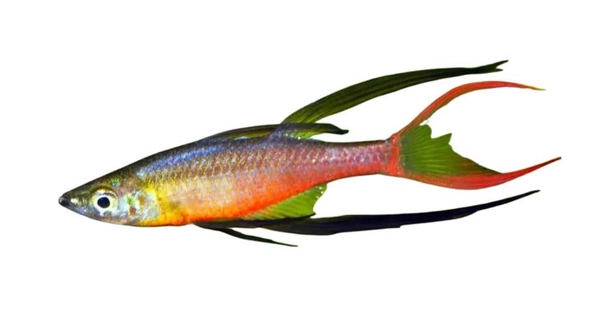
Male Threadfin Rainbowfish often develop brighter and more vivid colors during mating. Their bodies show intense blues, reds, and greens, signaling readiness to females. This transformation can be gradual but noticeable over days, and it is an early sign of reproductive behavior. Observing these color changes helps determine when breeding conditions are optimal.
This color shift is primarily a visual cue for attracting females.
Females respond to these vivid displays by approaching or staying near the males. Increased brightness may also coincide with males defending territories or performing courtship displays. If you notice several males intensifying their colors simultaneously, it usually indicates a high level of reproductive activity in the tank. Creating a stable environment with proper water quality and hiding spaces supports this behavior and reduces stress. Monitoring color changes allows for timely interventions if needed and ensures successful mating while keeping the fish healthy. Consistent observation is key to understanding these subtle visual signals.
Fin Spreading and Display
Males frequently spread their fins wide to appear larger and more impressive.
This behavior is part of a courtship display intended to attract females and assert dominance. Spreading fins is often accompanied by rapid swimming and circling around a chosen female. Over time, the display may become more pronounced, especially when multiple males compete for attention. Observing these movements closely can help you identify which males are more likely to mate. Proper tank arrangement, with open swimming areas and plants for shelter, encourages natural displays without causing unnecessary aggression. By understanding fin-spreading behavior, you can better support mating activities and monitor interactions, ensuring the fish remain healthy and calm during reproductive periods.
Chasing and Courtship Behavior
Males often chase females around the tank as part of their mating ritual. This is not aggression but a natural way to show interest and encourage the female to follow them to suitable spawning areas.
Chasing is a common courtship behavior where males swim quickly around the tank, sometimes circling or darting past females. These movements are intended to grab the female’s attention and demonstrate fitness. It is normal for chasing to last several minutes at a time, and females may respond by swimming along or showing readiness through subtle changes in posture. Providing open swimming space with plants or hiding spots allows females to respond naturally without stress. Observing this behavior helps identify active males and potential mating pairs, giving insight into which fish are likely to reproduce successfully.
This courtship often escalates into synchronized swimming, where the male mirrors the female’s movements. Such coordination signals that the female is receptive and ready for spawning. Careful monitoring ensures the interactions remain healthy, preventing stress or injury.
Female Readiness Signals
Females show readiness through changes in body posture and slight color shifts.
A receptive female may flatten her body slightly, approach the male, or linger near spawning sites. Color changes are subtler than in males but still indicate readiness. These signals are essential for successful mating.
Female readiness is a combination of behavior and physical cues. She may pause near plants or smooth surfaces where eggs can be laid, and her swimming becomes slower and more deliberate around males. Subtle darkening or brightening of the body indicates hormonal changes preparing her for egg release. Observing these signs alongside male displays helps identify compatible pairs and ensures timing is right for breeding. Stress-free conditions and a stable tank environment make it easier for females to display these signals naturally, improving the chances of successful reproduction. Understanding female signals allows careful monitoring without interference.
Aggression and Territorial Behavior
Males often become more territorial during mating, guarding areas with plants or hiding spots. This behavior ensures they have a space to perform courtship and attract females.
Increased aggression may include chasing other males or nudging females gently. This is normal and helps establish dominance for mating purposes.
Bubble Nesting and Spawning Sites
Threadfin Rainbowfish may prepare specific areas for egg-laying, often near plants or smooth surfaces. These sites are chosen for protection and accessibility, increasing the likelihood of egg survival. Maintaining clean water and stable conditions encourages this behavior and supports successful reproduction.
Increased Activity
Males and females become noticeably more active in the tank, swimming energetically and interacting frequently.
FAQ
How can I tell if my Threadfin Rainbowfish are actively mating?
Active mating is indicated by a combination of behaviors. Males intensify their colors, spread their fins, and chase females around the tank. Females respond with subtle color shifts, slower swimming, and positioning near spawning areas. Observing these behaviors together signals that mating activity is occurring.
Do male Threadfin Rainbowfish become aggressive during mating?
Yes, males often show increased aggression during mating. They defend territories, chase other males, and occasionally nudge females. This is normal behavior and usually does not harm the fish if the tank is spacious and has adequate hiding spots. Monitoring interactions ensures aggression does not escalate into injury.
What role do female fish play during the mating process?
Females display readiness through posture, slower movements, and slight color changes. They often approach males who are displaying or choose preferred spawning areas. Their receptiveness is essential, as males rely on these signals to know when to court and attempt fertilization.
How long does the mating process last?
Mating behavior can last from several minutes to a few hours, depending on the number of males and females in the tank. Continuous observation helps identify peak activity times and ensures that the tank conditions remain stable for successful spawning.
Are there specific tank conditions needed for Threadfin Rainbowfish to mate?
Stable water quality, appropriate temperature, and clean surroundings are essential. Plants, smooth surfaces, and open swimming areas allow males to display and females to lay eggs. Reducing stress through proper lighting and minimal disturbances supports natural mating behavior.
Do Threadfin Rainbowfish lay eggs in specific locations?
Yes, they prefer areas with plants, smooth surfaces, or hidden corners where eggs can remain protected. These spots help improve egg survival rates and allow fry to develop without excessive risk from tank mates or strong currents.
How can I encourage mating without causing stress?
Maintain consistent water parameters and provide a balanced diet. Include hiding spots and open swimming space. Avoid overcrowding, loud noises, and sudden movements, as these factors can disrupt mating behavior and reduce the likelihood of successful spawning.
Can I tell which males are more likely to succeed in mating?
Males that display the brightest colors, spread fins widely, and chase females persistently are generally more likely to attract mates. Observing these traits helps identify dominant males and anticipate which pairs may produce offspring.
What should I do after eggs are laid?
Monitor the eggs and ensure water quality remains stable. Remove aggressive males if necessary to protect the eggs. Some breeders move eggs to a separate tank to improve survival rates and reduce stress for both adults and fry.
Do all females in the tank lay eggs at the same time?
Not necessarily. Timing varies depending on individual readiness, age, and environmental conditions. Some females may spawn earlier, while others follow after observing male courtship and suitable spawning conditions. Understanding this helps manage tank space and anticipate fry development.
How can I prevent stress during mating?
Provide a calm environment with minimal disturbances. Ensure sufficient space, hiding spots, and a steady routine for feeding and water maintenance. Avoid introducing new fish during this period, as sudden changes can disrupt courtship and spawning behavior.
Is it normal for males to display even when females are not ready?
Yes, males may display preemptively or in competition with other males. These displays are part of establishing dominance and preparing for potential mating opportunities. Females will respond when ready, so patience and observation are key.
Can mating behavior be mistaken for aggression?
It can be confusing, but chasing and nudging are often part of courtship rather than true aggression. True aggression involves prolonged attacks or injury, whereas mating behavior is short, repeated, and focused on interaction with a receptive female.
How often do Threadfin Rainbowfish mate?
Frequency depends on age, health, and tank conditions. In a well-maintained environment, mating can occur multiple times a month. Observing repeated courtship behaviors and egg-laying patterns helps determine frequency and overall reproductive health.
What are signs that eggs may not survive?
Eggs may fail if water quality drops, if they are eaten by other fish, or if environmental conditions are unstable. Cloudy water, excessive algae, or strong currents can also impact survival. Careful monitoring and proper tank setup are essential to protect the eggs.
How soon after mating do eggs hatch?
Eggs typically hatch within 7 to 10 days, depending on temperature and water conditions. During this time, consistent care and minimal disturbance improve survival and ensure fry develop in a safe environment.
Can multiple males fertilize eggs at the same time?
Yes, in tanks with several males, more than one may attempt to fertilize eggs. This is common in community setups. Observing interactions and providing enough space reduces competition and prevents harm to the fish or eggs.
Are there visual cues for male dominance in mating?
Dominant males display the brightest colors, spread fins widely, and are the most active in chasing and courtship. Submissive males show less intense colors and avoid direct competition, which can help predict which males will succeed in mating.
Do Threadfin Rainbowfish mate year-round?
In a controlled aquarium with stable conditions, they can display mating behavior throughout the year. Seasonal changes are less relevant in captivity, though natural reproductive cycles may still influence activity levels.
How important is diet for successful mating?
A nutritious diet supports energy for displays, chasing, and egg production. High-quality flakes, live food, and occasional protein-rich treats enhance coloration, stamina, and overall reproductive readiness, improving the likelihood of successful spawning.
Can stress prevent mating entirely?
Yes, stress from poor water quality, overcrowding, or sudden environmental changes can inhibit mating behaviors. Maintaining calm, clean, and stable conditions is crucial for encouraging natural reproductive activity and ensuring fish remain healthy throughout the process.
Is it possible to track which pairs will produce the most fry?
Observing courtship intensity, color brightness, and female responsiveness helps identify likely successful pairs. Dominant males and receptive females often produce more eggs and higher survival rates, making it easier to predict which pairings will yield the best results.
How do I know when to separate fry from adults?
Once eggs hatch and fry are free-swimming, adults may eat them. Separating fry into a nursery tank or using protective barriers ensures survival. Proper feeding and gentle care during early development improve their chances of growing into healthy adults.
What are common mistakes during mating observation?
Misinterpreting chasing as aggression, overcrowding the tank, disturbing fish too often, and inconsistent water conditions are common mistakes. Observing quietly, maintaining stable conditions, and understanding natural behaviors prevent stress and support successful mating.
How long does it take for fry to grow into adults?
Fry grow rapidly under good conditions. Within 3–4 months, they begin to display juvenile colors, and by 6–8 months, they approach adult size. Consistent feeding, clean water, and minimal stress accelerate healthy development.
Can I encourage mating without adding new fish?
Yes, optimizing tank conditions, providing hiding spots, and ensuring balanced nutrition can stimulate mating naturally. Observing existing fish and supporting their courtship behaviors often results in successful breeding without introducing new individuals.
Are there specific plants or decorations that help mating?
Soft-leaved plants and smooth surfaces provide ideal egg-laying sites. Dense foliage offers shelter and security for both adults and fry. Including these features encourages natural spawning behavior and helps protect eggs from disturbances or accidental predation.
What should I do if males fight too much during mating?
Provide additional space, visual barriers, or more hiding spots to reduce stress. Separating overly aggressive males temporarily can prevent injuries while still allowing courtship to continue. Monitoring interactions carefully ensures healthy reproductive activity without harm.
Can Threadfin Rainbowfish lay eggs without a male present?
No, fertilization requires a male. Females may prepare spawning sites or display readiness, but eggs will not develop unless a male fertilizes them. Understanding this helps plan breeding and ensures proper timing and pairings.
How do I know when mating is complete?
Mating is generally complete when chasing, fin displays, and color intensification decrease, and females have laid eggs in chosen sites. Observing the tank for reduced courtship behaviors signals that the active mating phase has ended.
Can environmental changes trigger mating behavior?
Yes, stable temperatures, clean water, and gentle lighting can encourage reproductive behavior. Sudden changes, however, may cause stress. Providing consistent conditions helps simulate natural cues and promotes successful mating.
Do all eggs usually hatch successfully?
Not always. Survival depends on water quality, protection from adults or tank mates, and overall health of the parents. Monitoring and, if needed, relocating eggs can improve hatch rates and support fry development.
How long should I observe the tank during mating?
Frequent but brief observation is best. Watching for 15–30 minutes multiple times a day allows you to track behaviors without causing stress, ensuring the fish can mate naturally while remaining healthy.
What are signs of unsuccessful mating?
Lack of color changes, minimal chasing, unresponsive females, or eggs that fail to appear indicate mating may not have been successful. Identifying these signs early helps adjust conditions for future attempts.
Can I tell the difference between courting and aggressive males?
Courting males display fin spreading, chasing females gently, and vibrant colors. Aggressive males attack or harass without interacting with females appropriately. Observing patterns helps distinguish natural courtship from harmful behavior.
How do temperature and lighting affect mating?
Optimal temperature and moderate lighting support reproductive behavior. Stable conditions encourage color intensification, chasing, and spawning. Sudden fluctuations may delay or prevent mating, making consistency crucial for a successful breeding environment.
Do Threadfin Rainbowfish mate in groups or pairs?
Both occur. In community tanks, multiple males may court one or several females simultaneously. Pairing can also happen naturally when dominant males attract receptive females. Understanding social dynamics helps manage tank interactions and protect weaker fish.
How important is water cleanliness during mating?
Very important. Clean water reduces stress, prevents disease, and ensures eggs and fry remain healthy. Frequent testing and partial water changes support optimal conditions for reproductive success.
Can fry survive in the same tank as adults?
Fry are at risk of being eaten by adults. Separating them or using protective barriers is recommended until they grow large enough to avoid predation. Proper care and feeding are essential during this vulnerable stage.
Is it normal for mating behavior to fluctuate daily?
Yes, activity may vary based on mood, energy levels, and environmental conditions. Observing over several days provides a more accurate picture of reproductive activity rather than focusing on isolated instances.
Do males show specific patterns when courting a single female?
Yes, dominant males often focus on one female, chasing her gently, performing fin displays, and swimming alongside her. This targeted behavior increases the likelihood of successful fertilization.
Can Threadfin Rainbowfish mate in small tanks?
Limited space can increase stress and aggression. While mating may occur, providing at least 20–30 gallons per group is recommended to allow natural behaviors and reduce risks to fish health.
How long after spawning should I remove adults from the tank?
Once eggs are laid and visible, removing or separating adults helps prevent predation. Timing depends on tank setup and species-specific behavior but typically occurs within 24 hours of spawning.
What is the best way to monitor egg development?
Check daily for signs of fungus, discoloration, or detachment from spawning sites. Maintaining clean water and stable temperature supports healthy development, increasing the likelihood that eggs hatch successfully.
Can stress delay egg hatching?
Yes, stress from water quality issues, disturbances, or aggressive tank mates can slow development. Stable, calm conditions help eggs develop and hatch on schedule.
Are there differences in mating behavior between young and mature fish?
Mature fish display more vivid colors, vigorous chasing, and consistent courtship patterns. Younger fish may attempt mating but show less intensity, reduced fin displays, and limited success in fertilizing eggs.
Do male Threadfin Rainbowfish compete for females?
Yes, males often compete through chasing, fin spreading, and color displays. Dominant males generally secure access to receptive females, while less dominant males wait or display less intensely to avoid injury.
How do I know when fry are free-swimming?
Fry leave the egg site, swim independently, and begin exploring the tank. They actively search for food, making this stage critical for transferring to a nursery or providing proper feeding and protection.
Can mating behavior continue even after eggs are laid?
Yes, males may continue displays and chasing if females are ready to spawn again. Observing this helps predict future egg-laying events and manage tank conditions for ongoing breeding success.
Is courtship behavior energy-intensive?
Very much so. Male displays, chasing, and color intensification require energy and proper nutrition. A balanced diet ensures stamina and supports repeated mating attempts without compromising health.
What are early signs that fry are thriving?
Active swimming, steady growth, and consistent feeding indicate healthy development. Fry that remain hidden, weak, or slow-growing may need adjustments in food, tank conditions, or separation from adults.
Do all males display equally during mating?
No, dominant males often show the brightest colors and most persistent chasing. Submissive males display less intensely and may wait for opportunities, which can influence breeding success and social hierarchy in the tank.
Can Threadfin Rainbowfish mate with other species?
They generally mate only with their own species. Attempts with other species may result in chasing but not fertilization, ensuring genetic integrity and consistent fry development.
Are there common mistakes that reduce egg survival?
Overcrowding, poor water quality, inadequate hiding spots, and leaving aggressive adults with eggs reduce survival. Careful tank management and separation strategies improve hatching rates and fry health.
How often should I feed fish during mating periods?
Regular, nutritious feedings support energy for displays and chasing. Small, frequent meals encourage stamina without overfeeding, maintaining health and promoting reproductive activity.
Do females ever reject males?
Yes, females may ignore males, swim away, or avoid spawning sites if they are not ready. Observing receptiveness ensures that males focus efforts appropriately, preventing unnecessary stress.
Can I use visual barriers to manage aggression?
Yes, plants, rocks, and decorations create territories and reduce direct conflict. Visual barriers help balance interactions between males and females, supporting safe and natural mating behaviors.
How do I know if eggs are fertilized?
Fertilized eggs are usually clear and round, while unfertilized eggs may appear cloudy or shriveled. Proper monitoring allows separation or protection of viable eggs, increasing chances of successful hatching.
What is the best way to prepare a tank for mating?
Stable water conditions, balanced diet, appropriate plants, hiding spots, and open swimming areas support natural behaviors. Minimizing stress and providing ideal spawning sites improves mating success and overall fish health.
Can Threadfin Rainbowfish mate multiple times in a week?
Yes, if conditions are favorable and fish are healthy, multiple mating events can occur. Observing behaviors and maintaining optimal tank conditions encourages repeated spawning opportunities.
Do males stop displaying after a female lays eggs?
Displays often decrease but may continue if females remain receptive. Monitoring behavior helps identify when the active courtship phase ends and when new mating cycles may begin.
How do I prevent egg predation in a community tank?
Provide dense plants, hiding spots, and, if needed, separate adults from eggs. Careful tank management and observation reduce risks from other fish or aggressive tank mates.
Are there signs that mating behavior is not healthy?
Excessive aggression, injuries, or stress indicators suggest problems. Adjusting tank space, separating overly aggressive fish, and maintaining clean, stable conditions restores safe mating behavior.
Can environmental enrichment affect mating success?
Yes, plants, smooth surfaces, and open areas encourage displays, chasing, and spawning. Enrichment reduces stress, supports natural behaviors, and improves overall reproductive outcomes.
How long should I keep eggs in a separate nursery?
Until fry are free-swimming and large enough to avoid adult predation, usually 7–10 days post-hatching. Proper care during this period ensures higher survival and healthy growth.
Is it necessary to remove uneaten food during mating?
Yes, leftover food can reduce water quality, stress fish, and impact egg survival. Regular removal maintains a clean environment and supports reproductive success.
Do males show patience while courting?
Dominant males can persist for hours, waiting for female readiness. Submissive males may show less patience, demonstrating natural social hierarchies in reproductive behavior.
Can lighting influence mating times?
Moderate, consistent lighting encourages natural daily patterns. Sudden changes may disrupt courtship, so maintaining steady light schedules supports predictable mating activity.
Are there signs that a female is about to lay eggs?
She may linger near spawning sites, swim slowly, and show subtle body color changes. Observing these behaviors helps anticipate egg-laying and prepare protective measures.
Can water changes disturb mating behavior?
Frequent or large water changes may stress fish, interrupting courtship. Small, careful adjustments maintain quality without disrupting reproductive activity.
Do Threadfin Rainbowfish prefer specific water temperatures for mating?
Temperatures between 24–28°C (75–82°F) support optimal mating behavior. Maintaining consistent temperature encourages displays, chasing, and successful spawning.
How soon should I feed fry after hatching?
Fry should begin feeding within 24–48 hours on fine, nutrient-rich foods suitable for small mouths. Early nutrition supports growth, health, and survival.
Can aggressive males harm females during mating?
If space is limited or hiding spots are unavailable, aggression can stress or injure females. Providing territory and separation options reduces risks.
How do I know when to stop observing?
Observation should be brief and regular, avoiding interference. Stop if fish show stress, hiding, or unusual behavior, resuming once calm.
Are there behavioral differences between first-time breeders and experienced fish?
First-time breeders may show hesitant chasing, less vivid colors, and slower responses. Experienced fish display stronger colors, precise chasing, and coordinated courtship, increasing mating success.
Do Threadfin Rainbowfish require special water hardness or pH?
Moderate pH (6.5–7.5) and soft to moderately hard water support mating and egg development. Stability is more important than exact numbers for successful reproduction.
Can visual observation alone determine mating readiness?
Yes, color changes, chasing, fin displays, and female responsiveness provide reliable indicators. Close monitoring allows anticipation of spawning and preparation for egg protection.
What is the best way to separate fry without stress?
Gently transfer using a soft net or container, minimizing handling. Provide nursery tank with similar water conditions and hiding spots to reduce shock and ensure smooth acclimation.
Do males court multiple females simultaneously?
Dominant males may attempt to attract several females, performing chasing
Final Thoughts
Threadfin Rainbowfish are fascinating to watch, especially during mating periods. Their behaviors are subtle but meaningful, and learning to recognize them can make caring for these fish more rewarding. Males display vibrant colors, spread their fins, and chase females, while females show readiness through body posture and subtle color changes. Observing these interactions provides insight into the natural instincts of the species and helps maintain a healthy, balanced tank environment. It is important to pay attention to these early signs, as they indicate when the fish are ready to reproduce and ensure that any interventions, like preparing spawning sites, happen at the right time. Consistent monitoring also allows owners to identify any unusual behavior that may signal stress or health issues.
Creating the proper tank environment is essential for supporting mating behavior. Threadfin Rainbowfish require clean water, stable temperature, and adequate space for swimming and hiding. Plants and smooth surfaces are not just decorative; they serve as spawning sites and offer security for females and eggs. Providing these features reduces stress, encourages natural behavior, and improves the likelihood of successful reproduction. Overcrowding, poor water quality, or sudden environmental changes can disrupt courtship and may prevent mating entirely. Offering a balanced diet supports energy for chasing, displays, and egg production, while careful observation ensures that aggression is kept under control and interactions remain safe. Understanding the role of both males and females in the mating process helps maintain harmony in the tank and maximizes reproductive success.
Patience and careful attention are key when observing Threadfin Rainbowfish mating. It is normal for behaviors to fluctuate daily, and not every courtship attempt will lead to egg-laying. Watching fish over time allows you to notice patterns and determine when a female is receptive or a male is dominant. Protecting eggs and fry is an important step after mating, as this stage is vulnerable and requires clean water, proper nutrition, and minimal interference. Separating fry when necessary ensures their survival and growth into healthy adults. By understanding these behaviors, creating an optimal environment, and monitoring interactions closely, you can support the natural reproductive process and enjoy the full experience of observing these colorful, active fish in your aquarium. Maintaining consistency, reducing stress, and providing the right conditions make a significant difference in the health and breeding success of Threadfin Rainbowfish, allowing you to appreciate their unique behaviors fully.

Hello,
If you enjoy the content that we create, please consider saying a "Thank You!" by leaving a tip.
Every little bit helps us continue crafting quality advice that supports the health, happiness, and well-being of pets around the world, for pets of all shapes, sizes, and species.
We really appreciate the kindness and support that you show us!