
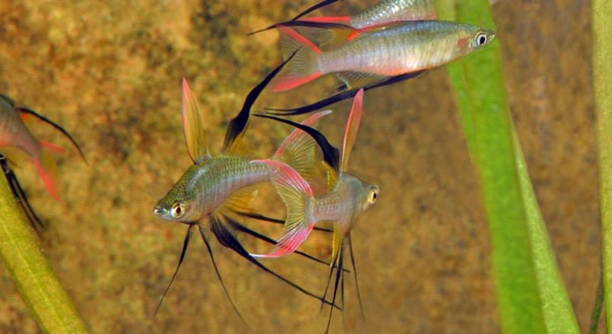
Do you ever notice your threadfins swimming around without touching the food you carefully prepared for them? Even healthy fish can sometimes act uninterested, leaving their owners puzzled and a bit frustrated with mealtime routines.
Threadfins may ignore food due to sudden changes in water quality, temperature fluctuations, stress, or illness. Monitoring tank conditions, maintaining consistent feeding schedules, and observing fish behavior closely can help identify and correct the underlying issue efficiently.
Understanding these patterns will help you provide a healthier environment and improve feeding response, ensuring your threadfins stay active and nourished consistently.
Common Causes for Threadfins Ignoring Food
Sometimes, threadfins suddenly stop eating even if everything seems normal. Changes in water quality, such as increased ammonia, nitrite, or nitrate levels, can make fish stressed or lethargic. Temperature shifts, even a few degrees, may slow metabolism and reduce appetite. Overcrowding in the tank or introducing new fish can create stress, making them avoid food. Illnesses like parasites, bacterial infections, or swim bladder problems can also cause sudden disinterest in eating. Sometimes, the type of food offered may not appeal that day, especially if it has spoiled or is too different from their usual diet. Observation is key: note swimming patterns, physical signs like clamped fins or pale colors, and feeding behavior to pinpoint the cause. Regular tank maintenance, consistent feeding schedules, and attention to water parameters help prevent feeding issues before they become severe.
Stress and illness are the main reasons fish refuse meals temporarily.
Even small changes in routine or environment can affect threadfins noticeably. Removing stressful elements, maintaining clean water, and returning to their usual food often restores appetite within days. Monitoring their response carefully ensures recovery and reduces long-term problems.
Adjusting Feeding Practices
Feeding too much or too little can discourage fish from eating.
Providing smaller, more frequent meals can encourage consistent eating habits. Avoid leaving excess food in the tank, as it can degrade water quality and create unease among the fish. Rotate types of food to keep them interested while ensuring proper nutrition. Observing the timing of meals is helpful, as some threadfins feed more actively at specific times of day. Using sinking pellets or lightly moving frozen food may stimulate feeding instincts. It is important to balance quantity and quality, giving just enough for them to finish within a few minutes. Maintaining consistency in meal type, timing, and quantity builds a predictable routine. In addition, gently tapping near the feeding area or slightly altering water flow can prompt fish to explore the food. Careful adjustments reduce stress and help threadfins return to healthy eating patterns naturally, supporting growth and overall well-being.
Monitoring Water Quality
Water quality directly impacts feeding behavior. Poor conditions can make threadfins stressed and uninterested in food. Regular testing for ammonia, nitrites, nitrates, and pH helps catch problems early. Keeping the tank clean and stable encourages normal eating patterns and healthy fish activity.
Testing water parameters regularly ensures a safe environment. Even small imbalances can affect appetite and overall health. Temperature changes, leftover food, and waste buildup can create stress, causing fish to avoid meals. Using reliable test kits and performing partial water changes helps maintain stability. Observing fish behavior alongside water readings provides insight into possible feeding problems, allowing quick intervention before serious issues develop. Consistency in water quality is key for their comfort.
Adding proper filtration and aeration supports long-term water stability. Removing uneaten food promptly prevents toxins from accumulating. Tracking trends over days or weeks helps identify gradual declines in water conditions. Fish are sensitive to changes, so small, regular maintenance keeps them active and eating reliably. Combining these practices with careful observation ensures threadfins remain healthy and responsive to feeding routines, reducing the chances of sudden food refusal.
Identifying Health Issues
Visible changes in appearance or behavior can indicate illness. Pale colors, clamped fins, or unusual swimming patterns often accompany reduced appetite.
Illness can prevent threadfins from eating even if the tank environment is ideal. Parasites, bacterial infections, and swim bladder problems can make swallowing food difficult or uncomfortable. Observing breathing patterns, body posture, and social interactions helps detect early warning signs. Quarantining new fish and monitoring the entire tank reduces disease spread. Early treatment often restores appetite faster, avoiding prolonged stress and weight loss. Consulting a veterinarian familiar with fish health ensures accurate diagnosis and effective remedies. Regular observation combined with preventive care helps maintain overall tank health.
Proper nutrition and stress management complement medical care. Maintaining consistent water conditions, avoiding overfeeding, and ensuring adequate space reduce vulnerability to illness. A proactive approach helps threadfins recover more quickly when feeding issues arise, improving their growth and energy levels. Tracking behavior changes over time makes it easier to spot patterns and intervene before problems worsen.
Adjusting Tank Environment
Threadfins respond to their surroundings. Lighting, decorations, and hiding spots can influence stress levels and feeding habits.
Keeping a calm, consistent environment helps encourage normal eating. Avoid sudden changes in tank layout or strong currents that may overwhelm them.
Food Type and Presentation
Different threadfins prefer different textures and sizes of food. Frozen, live, or pellet options may be more appealing depending on the fish. Offering a variety ensures nutritional balance and stimulates interest. Observing which foods they accept helps tailor meals effectively. Changing presentation, like gently moving food, can trigger feeding instincts and encourage reluctant fish to eat. Consistency in quality and freshness is essential to maintain appetite and overall health, preventing waste and promoting energy for active swimming. Careful attention to these details supports long-term feeding success.
Feeding Frequency
Small, consistent meals often work better than large, infrequent feedings.
Regular, timed feeding keeps threadfins motivated to eat and supports digestion, reducing leftover food in the tank.
FAQ
Why are my threadfins refusing food even though water looks fine?
Even if water appears clear, small changes in parameters can stress fish. Slight shifts in pH, temperature, or ammonia levels can reduce appetite. Monitoring readings regularly and maintaining stability usually helps restore normal feeding behavior. Observing their daily routines can reveal subtle stress signs that affect eating.
Can stress from other fish cause my threadfins to stop eating?
Yes. Aggressive or overly active tankmates can intimidate threadfins, causing them to hide or avoid meals. Rearranging hiding spots or separating aggressive fish temporarily can help reduce stress and encourage feeding. Overcrowding should also be avoided, as it increases competition and tension.
How long can threadfins go without eating safely?
Healthy adult threadfins can survive a few days without food, but extended fasting weakens their immune system and slows growth. Young or sick fish need more frequent meals. Watching for weight loss, lethargy, or unusual swimming helps determine if intervention is needed.
Will changing the type of food help?
Yes. Some threadfins may reject food they are not familiar with. Offering frozen, live, or pellet options in rotation often stimulates interest. Slightly moving or breaking up food can mimic natural hunting behavior and prompt reluctant fish to eat.
Could illness be the reason my fish are ignoring food?
Illness is a common reason for sudden food refusal. Signs include pale colors, clamped fins, unusual swimming, or labored breathing. Prompt identification and treatment of parasites, bacterial infections, or swim bladder issues improve recovery and restore appetite. Quarantining new or sick fish prevents disease spread.
Does water temperature affect feeding?
Yes. Threadfins are sensitive to temperature changes. Too cold or too hot water can slow metabolism, reducing appetite. Maintaining a consistent temperature suitable for the species is essential. Small fluctuations may cause stress and disrupt feeding schedules.
How important is tank cleanliness for feeding habits?
Very important. Leftover food, waste, and algae buildup create poor water conditions that discourage eating. Regular water changes and removal of uneaten food maintain a safe environment. Clean, stable water reduces stress and keeps appetite normal.
Can overfeeding cause my threadfins to ignore food?
Yes. Overfeeding leads to uneaten food, poor water quality, and lethargy, reducing interest in meals. Offering smaller portions multiple times a day ensures they eat consistently and prevents waste, maintaining both health and water quality.
Are there behavioral tricks to encourage feeding?
Gently tapping the tank or slightly stirring the water can attract attention. Placing food in different locations or using sinking versus floating options may trigger natural feeding instincts. Observing their reactions helps determine which techniques are effective.
When should I consult a veterinarian?
If food refusal persists beyond a few days or is accompanied by illness signs, seeking professional help is recommended. A veterinarian experienced with fish can diagnose underlying conditions, suggest treatment, and provide guidance to restore normal feeding habits safely.
Does variety in diet matter?
Yes. Offering diverse food types ensures proper nutrition and maintains interest. Some threadfins may grow bored with the same pellets daily. Rotating live, frozen, and high-quality prepared foods supports health and encourages regular feeding behavior.
Can sudden changes in light affect appetite?
Lighting influences behavior. Sudden bright or dim changes may stress fish, causing them to avoid food. Maintaining consistent lighting patterns helps regulate their internal clock, encouraging normal feeding habits and active swimming during meal times.
How can I tell if my threadfins are truly sick or just picky?
Picky eating often occurs without physical changes, while illness shows visible symptoms like color fading, clamped fins, erratic swimming, or slow responses. Observing these signs over time alongside water conditions helps distinguish temporary disinterest from serious health issues.
What role does feeding schedule play?
Consistency is crucial. Fish thrive on routine, and unpredictable meal times can reduce interest in food. Feeding at the same times each day helps threadfins anticipate meals, improving appetite and digestion while reducing leftover food in the tank.
Can tank decorations or layout influence feeding?
Yes. Overcrowded or cluttered tanks can create hiding spots that reduce visibility of food. Rearranging decorations to allow open feeding areas while maintaining hiding places for comfort encourages natural feeding behavior and reduces stress-related refusal.
This FAQ covers common reasons, environmental factors, and practical solutions to help threadfins regain interest in food and maintain consistent feeding habits. Observing behavior, monitoring water, and providing varied food ensures healthier, happier fish.
Final Thoughts
Feeding threadfins can sometimes feel unpredictable. Even the healthiest fish may ignore food for a day or two. Changes in water quality, temperature, stress, or minor illnesses often play a role. Paying attention to their behavior and the tank environment is the first step in understanding why they might stop eating. Small adjustments, like checking water parameters, cleaning the tank, or slightly modifying feeding practices, can make a noticeable difference. Consistency in care is key, as threadfins respond well to a stable and predictable environment. Keeping track of daily routines and noting changes in swimming patterns, color, or appetite allows for quick action before a small issue becomes a bigger problem.
Providing the right type of food and offering it in the proper way can also encourage eating. Threadfins may prefer frozen, live, or pellet foods depending on their habits and the conditions in the tank. Some fish respond better when food is gently moved or offered in small, frequent portions. Rotating food types keeps them interested and ensures they receive balanced nutrition. Avoid overfeeding, as uneaten food can reduce water quality and cause stress. Monitoring how much they eat and adjusting portions over time helps maintain both health and appetite. Observing subtle responses to different foods and feeding methods is a practical way to understand individual preferences, making feeding time smoother for both the fish and the caretaker.
Addressing health and stress factors is equally important. Illness, parasites, or injuries can reduce appetite, so noticing physical changes or unusual behavior early is crucial. Stress from aggressive tankmates, sudden environmental changes, or overcrowding may also contribute. Creating a calm and comfortable space with proper hiding spots and stable water conditions reduces stress and encourages normal feeding. Routine observation, careful adjustments, and preventive measures work together to support long-term health and consistent eating habits. Paying attention to these details ensures that threadfins remain active, energetic, and well-nourished, helping maintain a balanced and thriving aquarium.

Hello,
If you enjoy the content that we create, please consider saying a "Thank You!" by leaving a tip.
Every little bit helps us continue crafting quality advice that supports the health, happiness, and well-being of pets around the world, for pets of all shapes, sizes, and species.
We really appreciate the kindness and support that you show us!