
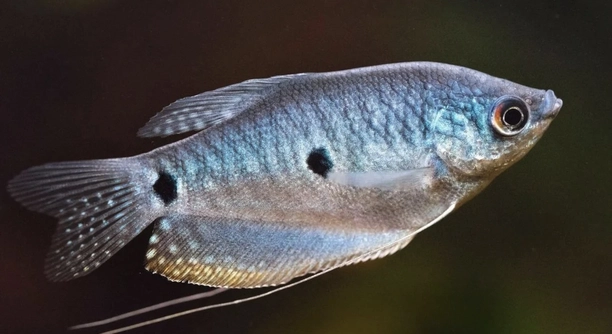
Is your male gourami acting aggressive and making life stressful for the other fish in your tank? Managing his behavior can feel overwhelming at times, especially when you’re not sure what’s causing the aggression in the first place.
Male gourami aggression is often triggered by territory disputes, tank size, or incompatible tank mates. Addressing these issues with simple adjustments—such as adding plants, separating fish, or modifying the tank environment—can reduce stress and improve tank harmony.
Each of these methods offers practical steps to help your gourami feel secure and behave more calmly in his environment.
Increase Tank Size and Add Hiding Spots
A small tank can make male gouramis territorial and aggressive. When space is limited, they’re more likely to guard areas and lash out at tank mates. A tank that’s at least 30 gallons gives them enough room to swim freely without constantly running into others. Adding dense plants, driftwood, or decorations can also help by breaking up lines of sight and reducing stress. These structures offer hiding places for both the aggressive gourami and other fish, which lowers tension. When fish feel they have their own space, they’re less likely to act out or compete over territory.
A larger tank creates a calmer setting. The extra space lets your gourami feel more secure while also protecting other fish from unwanted attention.
You don’t need to redo your entire setup—just make sure your tank is spacious enough and offers hiding spots. This change alone can lead to a noticeable difference in behavior.
Avoid Keeping Multiple Males Together
Male gouramis often become aggressive when kept together. Their instinct is to compete for dominance, especially in smaller or crowded tanks.
It’s best to house only one male per tank unless the tank is large and heavily planted. If you do want more than one, consider keeping them in a tank over 55 gallons with plenty of decorations to mark boundaries. Even then, monitor their behavior closely for signs of stress or aggression. Another option is to choose peaceful tank mates like bottom dwellers or fast-moving species that don’t challenge the gourami. Avoid pairing with slow, long-finned fish like bettas, which may trigger aggression. By controlling who shares the tank, you can reduce tension and create a more peaceful aquatic space. This helps your male gourami settle into a routine where he doesn’t feel the need to fight for control every day.
Reduce Reflections in the Tank
Reflections can confuse male gouramis and make them think there’s another rival in the tank. This can lead to constant flaring, pacing, or aggressive behavior toward the glass.
To minimize reflections, start by adjusting the room’s lighting. Bright lights outside the tank, especially behind or beside it, can make reflections worse. Try repositioning the tank or changing the angle of the light source. You can also place a background on the back and sides of the tank to block light and reduce glare. If the tank is near a window, use curtains or move the tank to a darker spot. Keep the glass clean, as buildup can also create unusual reflections that stress the fish. Simple changes in lighting and background materials can make a big difference. These adjustments help your gourami stay calm and prevent him from acting out against his own reflection.
Taking the time to observe your gourami’s behavior after each change can help you find what works best. Some fish are more sensitive than others, so it may take a few adjustments to fully reduce reflection-related stress. You’ll likely see less flaring and pacing once the tank feels safer and calmer for him.
Maintain Consistent Water Conditions
Poor water quality can increase stress and make your male gourami more irritable or defensive. Sudden changes in temperature or pH levels may also trigger aggressive behavior.
Use a reliable thermometer and water test kit to keep everything stable. Gouramis do best with temperatures between 75–80°F and a pH between 6.8 and 7.8. Regularly change 25–30% of the water each week to remove waste and refresh the tank. Avoid overfeeding, as leftover food can affect ammonia and nitrate levels. If your gourami still seems stressed despite these steps, check your filter and make sure it’s working well without creating a strong current. Aggressive behavior often fades once the water conditions are balanced and stable. Keeping everything consistent creates a more peaceful environment for all fish in the tank. With fewer stress triggers, your male gourami is less likely to become defensive or lash out.
Rearrange Decorations Occasionally
Changing the tank layout helps break up established territories. When a male gourami claims one area for too long, he may become overly aggressive about defending it. Rearranging plants and décor resets boundaries and encourages more balanced behavior.
It also gives other fish a chance to settle into new areas. This can ease tension and reduce constant chasing or flaring. Small changes in placement every few weeks can improve tank harmony and keep aggression from building up again.
Limit Visual Contact with Other Tanks
If your gourami sees another male in a nearby tank, it can trigger aggressive responses. Even glass dividers don’t fully stop the visual stress. Blocking the view with a background or placing tanks farther apart can reduce constant territorial displays. This helps him stay calmer each day.
Offer a Balanced Diet
Feeding a mix of high-quality pellets, occasional live or frozen food, and vegetable matter supports good health and mood. When male gouramis are underfed or lack variety, they may become more territorial or restless. A proper diet keeps their energy stable and helps prevent behavior tied to frustration or deficiency.
FAQ
Why is my male gourami suddenly aggressive?
Sudden aggression in male gouramis is often caused by stress, territory disputes, or changes in their environment. A new tank mate, altered tank layout, or shift in water parameters can all trigger defensive behavior. Hormonal shifts tied to maturity or breeding instincts may also play a role. Some males naturally develop stronger personalities over time, especially in confined spaces. Watching for signs like flaring, chasing, or glass surfing can help identify what’s upsetting your fish. Addressing potential causes quickly—such as improving tank conditions or removing stressors—can help calm your gourami and protect other fish in the tank.
Can I keep two male gouramis in the same tank?
It’s possible, but not usually recommended unless the tank is large and carefully set up. Male gouramis are territorial and may constantly fight if they feel their space is threatened. If you want to try it, use a tank that’s at least 55 gallons and include heavy planting or decorations to break lines of sight. Monitor closely for signs of fighting, such as fin damage or hiding. Even if they seem fine at first, problems can develop over time. It’s often safer to keep only one male per tank unless you’re experienced and prepared to separate them if needed.
Do aggressive gouramis calm down over time?
They can, especially if their environment becomes less stressful. As gouramis grow older, some mellow out, but that isn’t guaranteed. Consistent tank conditions, enough space, and peaceful tank mates make a big difference. Changing the tank layout occasionally and ensuring proper diet can also help. If aggression is due to a reflection, nearby tank, or overcrowding, addressing those factors often brings noticeable improvement. However, some males remain territorial, especially in smaller tanks or when kept with similar-looking fish. Regular observation will help you decide if the aggression is temporary or if permanent changes need to be made.
What are the best tank mates for a male gourami?
Choose peaceful, fast-moving species that don’t resemble gouramis. Good options include harlequin rasboras, zebra danios, corydoras, and kuhli loaches. Avoid slow fish with long fins, like bettas or angelfish, since these may trigger territorial behavior. Also avoid other labyrinth fish or similar-sized males that could challenge your gourami. Always consider your tank size and setup when selecting tank mates. More space and hiding spots can make mixed groups more successful. Introduce new fish slowly and monitor how your gourami reacts. If aggression starts, it’s better to separate than wait and risk injury to either fish.
Why is my gourami attacking the glass?
This behavior is usually caused by reflections. Your gourami may think he sees another male and respond aggressively. This is common in tanks with clear backgrounds or poor lighting angles. Try adding a dark background or adjusting the light near the tank to reduce glare. You can also reposition the tank or change its placement in the room. Clean glass helps too, as buildup can distort reflections. Once the visual trigger is gone, your gourami should calm down. Ignoring it may lead to increased stress or physical damage if the behavior becomes constant.
How can I safely separate an aggressive male gourami?
If your gourami becomes too aggressive, it’s safest to move him to a separate tank. Use a small quarantine or breeding tank with similar water conditions. Keep the setup simple, with a few hiding spots and minimal traffic around the tank. If a second tank isn’t available, use a clear divider to split the current tank temporarily. Avoid nets when possible, as chasing can add more stress. Gently scoop him out with a container instead. Give him time to calm down, and monitor both tanks for signs of recovery. A quiet, secure space often helps reset his behavior.
Does aggression mean my gourami is unhealthy?
Not always. Some aggression is normal, especially during feeding, territory defense, or breeding times. However, if it’s paired with signs of stress—like rapid breathing, hiding, or color fading—it may signal an underlying issue. Poor water quality, bad diet, or illness can all lead to irritability. Keep track of other symptoms and check tank conditions. If everything checks out and he’s still acting aggressively, it could be his natural temperament. That said, prolonged or intense aggression shouldn’t be ignored, as it can affect the well-being of other tank inhabitants and reduce overall harmony in the setup.
Final Thoughts
Keeping a male gourami calm takes patience and attention to small details. These fish can show strong personalities, especially in smaller spaces or when they feel threatened. Aggressive behavior is often a result of stress, lack of space, or competition. By learning what triggers their behavior, it becomes easier to make adjustments that support a more peaceful tank. Whether it’s changing the layout, removing certain tank mates, or improving water quality, small changes can make a big difference. Understanding their needs helps create a safer and more stable environment for both your gourami and the other fish sharing the space.
Aggression in male gouramis does not always mean something is wrong. Some males naturally display dominant behavior, especially as they mature. Still, it’s important to monitor these actions and respond when necessary. Separation, tank dividers, or even a second aquarium may sometimes be needed to maintain balance. Tank setup plays a major role in behavior management. Proper plants, hiding spots, and consistent conditions help reduce stress. Feeding a balanced diet, avoiding overcrowding, and maintaining stable water parameters all support calm behavior. When male gouramis feel safe and unchallenged, they are more likely to show their calm and peaceful side.
Taking care of a male gourami requires regular observation and adjustments. No single method works for every fish, but staying consistent with your care helps build a stable environment. Once you understand your gourami’s behavior, it becomes easier to manage any issues that come up. Aggression can often be controlled without needing to remove the fish permanently. In many cases, it’s about creating enough space, offering visual barriers, and avoiding conflict with the wrong tank mates. With time and proper care, even a more assertive gourami can settle down and live peacefully in a well-managed tank. Consistency, patience, and attention to detail go a long way in helping your gourami thrive.

Hello,
If you enjoy the content that we create, please consider saying a "Thank You!" by leaving a tip.
Every little bit helps us continue crafting quality advice that supports the health, happiness, and well-being of pets around the world, for pets of all shapes, sizes, and species.
We really appreciate the kindness and support that you show us!