
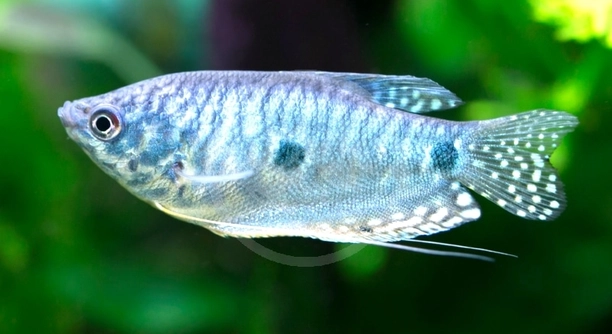
Gouramis often display subtle behaviors that do not require interaction but are worth observing closely. These moments provide insight into their natural instincts and social patterns without the need for human engagement. Watching quietly reveals much about their daily life.
Gouramis exhibit specific behaviors such as territory monitoring, bubble nest building, and cautious exploration that are best observed without interference. These moments highlight their instinctual actions and communication methods, which can be disrupted by engagement. Careful observation maintains natural behavior integrity.
Understanding these behaviors can improve how you care for gouramis and support their well-being. Recognizing when to watch without engaging ensures a healthy environment for these fish. This guide outlines seven key moments to observe silently.
Territory Monitoring
Gouramis often spend time watching over their chosen space in the tank. This behavior helps them feel secure and assert control over their environment. When a gourami patrols its territory, it moves slowly and purposefully, inspecting plants, decorations, and open areas. This silent observation is a way to keep other fish at a distance without direct conflict. Engaging or disturbing a gourami during this time can increase stress and cause aggressive behavior. Allowing them to monitor their area calmly supports their natural instincts and overall well-being. Noticing how a gourami interacts with its territory offers clues about its mood and health.
Territory monitoring is an important moment to watch without interference, as it reflects the fish’s need for safety.
Watching this behavior carefully can improve your understanding of gourami social dynamics. It also helps prevent conflicts in community tanks. By respecting these quiet periods, you encourage a peaceful and balanced aquarium environment where gouramis thrive.
Bubble Nest Building
Gouramis build bubble nests when they are ready to breed or establish a resting place. The process involves blowing bubbles coated with saliva that float and stick together on the water’s surface. This delicate structure provides shelter for eggs and fry. During this time, the gourami focuses intensely on nest construction, which requires a calm environment free from disturbances. Interaction or sudden movements can cause the fish to abandon the nest or become agitated. Observing bubble nest building silently allows you to witness this fascinating natural behavior without affecting it.
The nest offers insight into gourami health and readiness to reproduce. It is best appreciated quietly.
During bubble nest building, gouramis display patience and skill. The male carefully shapes the nest, adding bubbles and repairing it as needed. This behavior signals breeding readiness and is a sign of comfort in the tank. Disruptions can harm the nest or stress the fish, leading to unsuccessful breeding. Silent observation not only supports the fish’s natural rhythm but also provides valuable information about tank conditions. Noticing a well-constructed nest indicates stable water quality and a comfortable habitat. Taking time to observe this behavior enhances your ability to care for gouramis and their offspring effectively. It also deepens appreciation for their unique reproductive habits.
Cautious Exploration
Gouramis often explore their surroundings carefully, moving slowly to avoid potential threats. This behavior helps them learn about changes in the tank while staying safe. They may pause frequently, watching before continuing their movement.
During cautious exploration, gouramis assess new objects, plants, or changes in their environment. This slow movement reduces stress and allows them to adapt at their own pace. Sudden disturbances can cause them to retreat or hide. Allowing gouramis time to explore without interference encourages confidence and natural behavior.
This behavior is a clear sign of their need to feel secure while investigating. It also reflects their natural survival instincts. Watching without engaging helps maintain their calmness and trust in their environment.
Social Interactions Without Aggression
Gouramis often observe other fish to establish social order without direct confrontation. This behavior involves watching body language, movements, and positioning from a distance. It helps avoid unnecessary fights and maintains harmony.
By watching social cues, gouramis can decide when to approach or withdraw. These observations allow them to gauge the intentions of tank mates. Quiet observation ensures they do not feel threatened or pressured to act defensively. It promotes peaceful coexistence among tank inhabitants. Respecting this moment supports a stable and calm community tank where each fish can thrive comfortably.
Resting in Hiding Spots
Gouramis often retreat to hiding spots to rest and feel secure. This quiet time is essential for their health and stress relief.
Disturbing gouramis during rest can cause unnecessary stress. Allow them to rest undisturbed for better well-being and natural behavior.
Feeding Observation
Gouramis carefully watch food sources before deciding to eat. This cautious approach helps them avoid danger and ensures food safety.
Watching this behavior can reveal how comfortable gouramis feel in their environment. It also shows their feeding preferences and habits.
Surface Breathing
Gouramis frequently come to the water surface to breathe air using their labyrinth organ. This behavior is natural and vital for oxygen intake.
Regular surface breathing indicates healthy respiratory function but also requires clean, well-oxygenated water to support their needs.
What does it mean when a gourami watches without engaging?
When a gourami watches without engaging, it is often assessing its environment or other fish cautiously. This behavior shows the fish is alert but not feeling immediately threatened. It is a natural way for gouramis to gather information without risking direct confrontation or stress.
Is it normal for gouramis to ignore other fish sometimes?
Yes, gouramis sometimes choose to observe rather than interact. Ignoring other fish can mean they are comfortable but prefer to avoid conflict. It also reflects their natural social behavior, where they decide when to engage based on perceived threats or opportunities.
Why do gouramis spend time monitoring their territory quietly?
Territory monitoring helps gouramis maintain control over their space and reduce conflicts. By quietly observing, they can detect intruders early and decide whether to act aggressively or stay calm. This behavior is important for their sense of security and social order in the tank.
How can I tell if my gourami is stressed when it watches but does not move?
If a gourami watches quietly but remains very still and hides frequently, it may be stressed. Other signs include rapid breathing, faded colors, or loss of appetite. Ensuring a calm environment and proper water conditions helps reduce stress in these situations.
Can engaging with my gourami during these moments cause harm?
Yes, engaging or disturbing a gourami during these quiet observation moments can cause unnecessary stress. It may interrupt natural behaviors like territory monitoring or bubble nest building. Respecting their space helps maintain their health and reduces aggressive or fearful reactions.
What should I do if my gourami watches but never interacts?
If a gourami consistently watches without interacting, evaluate tank conditions. The fish might be shy, stressed, or uncomfortable. Check water quality, tank mates, and hiding spots. Providing a peaceful environment encourages more active and healthy behavior.
Does watching without engaging indicate a sick gourami?
Not always. Watching quietly is normal behavior. However, if it is combined with other signs like lethargy, loss of appetite, or unusual swimming, it could indicate illness. Regular monitoring and water tests are essential to catch any health issues early.
How does bubble nest building relate to watching behavior?
During bubble nest building, gouramis watch carefully to protect their nest. They monitor surroundings silently to avoid threats. Disturbing them during this time can cause the nest to be abandoned or damaged, impacting breeding success.
Why do gouramis watch food before eating?
Gouramis watch food first to ensure it is safe and to gauge competition from other fish. This cautious feeding behavior helps them avoid risks and decide the best moment to eat without conflict or stress.
Can watching without engaging be a sign of social hierarchy?
Yes, observing without engaging can help gouramis understand their place in social order. By watching dominant or aggressive fish, they learn when to avoid confrontation and maintain peace within the tank.
How long do these watching moments usually last?
The length varies depending on the situation and the gourami’s mood. It can last from a few seconds to several minutes. These periods allow the fish to gather information and feel secure before taking action or moving on.
What tank setup supports healthy watching behavior in gouramis?
A tank with ample hiding spots, plants, and clear territories encourages natural watching behavior. Clean water and compatible tank mates reduce stress, allowing gouramis to observe their environment calmly and safely.
Is it possible to train a gourami to engage more?
While gouramis can become accustomed to gentle human presence, their natural behaviors usually include cautious observation. Encouraging engagement takes patience and respect for their comfort levels, but forcing interaction can increase stress.
What is the role of surface breathing in watching behavior?
Surface breathing allows gouramis to take in oxygen efficiently. When they watch from near the surface, it often combines rest and respiratory needs. Ensuring good oxygen levels supports both their breathing and natural observation behavior.
How can I tell if a gourami is building a bubble nest or just resting?
Bubble nest building involves repetitive blowing of bubbles at the surface and arranging them into clusters. Resting usually means the fish remains still in hiding spots or near the surface without active bubble blowing. Observing the behavior pattern helps distinguish the two.
The behavior of gouramis watching without engaging reflects their natural instincts and need for safety. These moments of observation allow them to assess their surroundings carefully, avoid unnecessary risks, and maintain social balance with other fish. It is important to recognize that this behavior is normal and part of how gouramis adapt to their environment. Respecting these quiet times supports their overall well-being and reduces stress in the aquarium.
Understanding the reasons behind a gourami’s watchful behavior can improve tank management. Providing a calm environment with adequate hiding places, proper water conditions, and compatible tank mates encourages gouramis to feel secure. When they are comfortable, they may gradually engage more with their surroundings. Patience is essential, as forcing interaction or disturbing these moments may lead to increased stress or aggression. Observing these behaviors without interference helps maintain a peaceful and healthy aquatic habitat.
Careful attention to gouramis’ watching habits can also serve as an indicator of their health and comfort. Changes in the duration or frequency of these moments might signal environmental issues or illness. Regular monitoring of water quality and tank conditions supports their natural behavior patterns. By allowing gouramis the space to watch without engaging, aquarium owners promote a stable and stress-free environment that benefits both the fish and the overall tank community.

Hello,
If you enjoy the content that we create, please consider saying a "Thank You!" by leaving a tip.
Every little bit helps us continue crafting quality advice that supports the health, happiness, and well-being of pets around the world, for pets of all shapes, sizes, and species.
We really appreciate the kindness and support that you show us!