
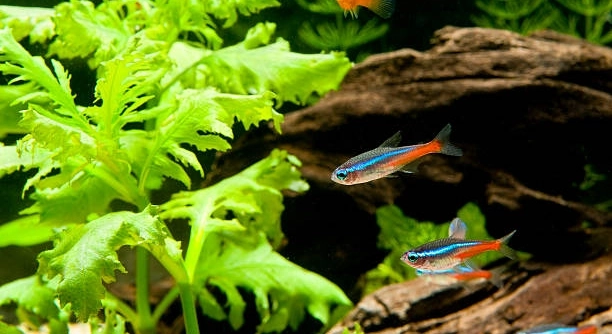
Building a strong connection with your tetra is important for its well-being. Tetras are small, active fish that thrive in calm environments where trust can develop over time. Understanding their behavior helps create a positive bond.
Building trust with your tetra involves consistent care, gentle interaction, and providing a stable environment. Regular feeding schedules, calm movements, and proper tank conditions encourage your tetra to feel safe and secure, fostering a relationship based on trust and comfort.
Developing trust takes patience but leads to a healthier, happier fish. The following tips will guide you in creating a strong, lasting bond with your tetra.
Consistent Feeding Schedule
Keeping a consistent feeding schedule is essential for building trust with your tetra. These fish quickly learn routines, and predictable feeding times help them feel secure. Feeding your tetra once or twice daily at the same times creates a sense of stability. Avoid overfeeding, as excess food can harm water quality and your tetra’s health. Use high-quality food designed for small tropical fish, ensuring it provides necessary nutrients. When you feed your tetra gently and calmly, it starts associating you with positive experiences. This simple routine lays the foundation for trust.
Feeding on schedule encourages your tetra to recognize you as a safe presence.
Tetras are small and can become stressed if their environment changes too much. Establishing a clear routine with feeding and tank maintenance helps reduce their stress levels. Over time, your tetra will feel comfortable swimming near you during feeding times. It may even start responding to your approach, waiting for food without darting away. This behavior shows growing trust and comfort in your presence. Keeping the environment clean and feeding properly works together to promote a healthy and trusting relationship with your tetra.
Calm and Gentle Movements
Tetras are sensitive to sudden movements and loud noises. Moving calmly near the tank reduces their stress and helps them feel safe. Abrupt gestures or tapping the glass can startle them, causing fear or hiding. Gentle actions encourage your tetra to observe you without feeling threatened. Consistently behaving this way allows your fish to grow accustomed to your presence.
Proper Tank Environment
A suitable tank environment is vital for your tetra’s comfort and trust. Tetras need clean, well-filtered water with stable temperature and pH levels. Maintaining these conditions supports their health and reduces stress, making them more open to interaction. Include plants and hiding spots to mimic their natural habitat, providing security. A well-set tank encourages natural behavior and helps your tetra feel at ease.
Keeping water clean requires regular changes and monitoring. Use a reliable filter and test water quality often. Avoid overcrowding, as too many fish increase stress and decrease trust. When your tetra feels secure in its environment, it is more likely to engage calmly with you. This peaceful atmosphere strengthens the bond between you and your fish over time.
Gentle Interaction
Handling your tetra gently helps build trust. Avoid sudden tapping or fast movements near the tank. Soft, slow motions let your fish become familiar with your presence without feeling scared.
Spending quiet time near the tank each day allows your tetra to observe you calmly. Talking softly or sitting nearby creates a peaceful environment, encouraging your tetra to swim closer. When you approach feeding time, move slowly and offer food by hand or with a small scoop. This careful behavior teaches your tetra to link you with positive experiences. Over weeks, your tetra may begin to recognize your presence and feel secure in your company.
Patience during interactions is important. Tetras need time to adjust to your routine and presence. Gradual exposure to gentle movements and soft voices reduces their anxiety. They begin to associate you with safety rather than threat. Maintaining this calm approach every day strengthens trust, making your tetra more comfortable and confident.
Observation and Patience
Watching your tetra closely reveals signs of trust or stress. Notice its swimming patterns and reactions to your movements.
Trust develops slowly and requires patience. Some tetras might take longer to adjust, especially if they were recently introduced to the tank or are shy by nature. Avoid rushing interactions, as this can cause fear. Instead, observe how your tetra responds to your presence over several days or weeks. Small signs like approaching the front of the tank during feeding or swimming near your hand indicate growing trust. Respect these signs and continue gentle, consistent care. Gradually, your tetra will feel safer and more willing to interact. Being patient and attentive ensures a better relationship and a happier fish.
Create a Quiet Environment
A quiet environment helps your tetra feel safe and relaxed. Loud noises and vibrations can stress them out quickly.
Place the tank away from busy areas and avoid tapping on the glass. This reduces sudden disturbances and supports trust-building.
Use Natural Decorations
Natural plants and smooth decorations mimic your tetra’s habitat. They provide hiding spots and reduce stress, encouraging your fish to explore and feel secure.
Adding live or silk plants creates a calm atmosphere. Your tetra will feel protected and less anxious, helping trust to grow naturally.
Avoid Overcrowding
Overcrowding in the tank causes stress and competition among fish. It makes it harder for your tetra to feel safe and build trust.
Keeping the tank well-populated with compatible fish and giving your tetra space to swim freely supports its comfort. This encourages calmer behavior and better interaction with you.
FAQ
How long does it take to build trust with a tetra?
Building trust with a tetra can take several weeks. Each fish is different, and some may adjust faster than others. Consistent care, gentle interaction, and a calm environment speed up the process. Patience is key since sudden changes or rushed handling can cause stress and slow progress.
Can I touch my tetra to build trust?
Touching your tetra is generally not recommended. Tetras are small, delicate fish that can get stressed or injured easily. Instead, focus on gentle feeding and calm movements near the tank. Over time, your tetra will become comfortable with your presence without needing physical contact.
What foods help build trust with my tetra?
High-quality flakes, micro pellets, and frozen or live foods like brine shrimp and daphnia work well. Feeding varied, nutritious foods at regular times helps your tetra associate you with positive experiences. Avoid overfeeding to keep the tank clean and your fish healthy.
How often should I clean my tetra’s tank?
Regular maintenance is essential to build trust because clean water keeps your tetra healthy and stress-free. Perform partial water changes of about 20-25% weekly. Check filters and remove debris daily if possible. Avoid cleaning everything at once to preserve beneficial bacteria.
Why does my tetra hide when I approach the tank?
Hiding is a natural response to stress or fear. It often means your tetra is still adjusting to its environment or your presence. Ensure the tank is quiet, well-planted, and free of sudden movements. Consistent gentle care will encourage your tetra to become more comfortable and come out of hiding.
Can tetras recognize their owners?
Tetras do not recognize owners like some pets, but they can learn to associate your presence with feeding and safety. Over time, they may swim closer or show less fear when you approach, which indicates growing trust.
Is tank size important for building trust?
Yes, a properly sized tank helps your tetra feel secure. Overcrowded or small tanks increase stress and make trust harder to build. A 10-gallon tank is a good minimum for a small group of tetras, giving them space to swim and hide comfortably.
What tank mates are best for tetras?
Choose peaceful fish that thrive in similar water conditions, such as other small tetras, rasboras, or Corydoras catfish. Avoid aggressive or larger fish that may intimidate or harm your tetra. Compatible tank mates reduce stress and help maintain a calm environment.
How do I know if my tetra trusts me?
Signs of trust include swimming near the front of the tank during feeding, not hiding at your approach, and appearing calm when you move nearby. Some tetras may even follow your finger on the glass or come close to where you feed.
What should I avoid to maintain my tetra’s trust?
Avoid sudden movements, loud noises, overfeeding, and frequent tank disturbances. Don’t tap on the glass or change water conditions abruptly. These actions cause stress and damage the trust you’ve built. Keep your routine steady and gentle.
These answers provide clear guidance to help maintain and grow trust with your tetra, ensuring a peaceful and healthy relationship.
Building trust with your tetra is a gradual process that requires attention and care. These small fish respond well to consistency and calm behavior. Providing a stable environment, regular feeding schedules, and gentle movements are the main factors that help your tetra feel secure. When trust is established, you will notice your fish behaving more comfortably around you. This reduces stress and improves their overall health. Taking time to observe your tetra’s behavior will show you when they start feeling safe. Trust is not something that happens quickly, but it grows steadily with patience and kindness.
Maintaining a proper tank environment is just as important as interaction. Clean water, suitable temperature, and a well-set tank with plants and hiding spots contribute to your tetra’s sense of safety. Stressful conditions can make your tetra shy or aggressive, which makes building trust harder. By keeping the tank clean and stable, you support your fish’s well-being. This stability helps your tetra to relax and become more open to interaction. Avoid overcrowding the tank, as this can increase stress and reduce trust. A calm and natural environment encourages your tetra to show its true personality and respond positively to your care.
Finally, gentle, slow movements and quiet time near the tank create a peaceful atmosphere. Avoid sudden actions or loud noises that may startle your tetra. Over time, your fish will begin to associate your presence with calm and safety. Patience is essential, especially if your tetra is new or shy. Small daily efforts add up, leading to a stronger bond and a healthier fish. Remember that trust is built over time and must be maintained with steady care. Following these simple steps will help you create a positive relationship with your tetra that benefits both of you.

Hello,
If you enjoy the content that we create, please consider saying a "Thank You!" by leaving a tip.
Every little bit helps us continue crafting quality advice that supports the health, happiness, and well-being of pets around the world, for pets of all shapes, sizes, and species.
We really appreciate the kindness and support that you show us!