
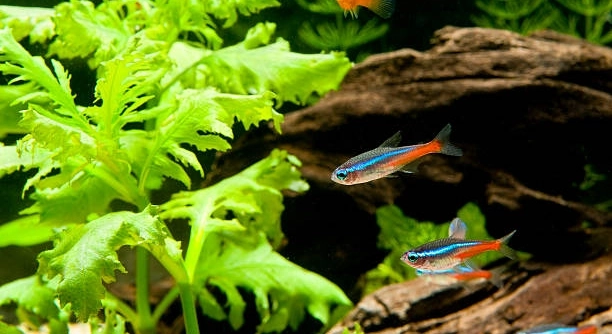
Tetras are popular aquarium fish known for their vibrant colors and peaceful nature. Sometimes, these bright hues can suddenly fade, leaving owners concerned about their fish’s health. Understanding why this happens overnight is important for maintaining a healthy tank environment.
Color loss in tetras overnight is commonly caused by stress, poor water quality, or illness. Changes in lighting, temperature fluctuations, or aggressive tank mates can also affect their coloration. Addressing these factors promptly helps restore their natural vibrancy.
Recognizing the causes behind this sudden change can help you take effective steps to protect your fish and maintain a lively aquarium atmosphere.
Common Causes of Color Loss in Tetras
Color fading in tetras often starts with stress. Stress can come from sudden changes in their environment, like water temperature shifts or poor water quality. If the water has too many toxins or incorrect pH levels, it affects the fish’s health and appearance. Another reason can be aggressive tank mates, which intimidate tetras and cause them to lose their color as a defense mechanism. Lighting also plays a role — too little or too much light can dull their vibrant hues. Illnesses and parasites may cause similar effects, weakening the fish and leading to color loss. It’s important to test water regularly and keep tank conditions stable to help your tetras stay bright and healthy.
Checking water parameters often prevents many issues related to color loss and fish health. Keeping a consistent environment is key to preserving your tetras’ colors.
Tetras display their best colors when they feel safe and healthy. Regular tank maintenance, appropriate feeding, and monitoring for signs of illness are essential. Small changes can have a big impact on their well-being, so paying attention to details helps your fish thrive.
How Water Quality Affects Tetra Colors
Poor water quality is one of the fastest ways tetras lose color. Dirty water contains harmful chemicals and waste that stress fish. Ammonia, nitrite, and nitrate levels that are too high can make tetras dull or pale almost overnight.
Keeping the tank clean with regular water changes improves their color and health. Using a good filter system and testing water weekly helps maintain proper conditions. When water parameters are stable, tetras show off their natural colors much better. Consistent care and attention to water quality keep your fish vibrant and active.
Stress and Its Impact on Tetra Color
Stress causes tetras to lose their color quickly. Changes in environment, loud noises, or overcrowded tanks are common stressors that affect them.
When tetras experience stress, their bodies produce hormones that reduce pigmentation. This reaction is a survival mechanism to avoid predators by blending in more. Frequent moving, sudden changes in lighting, or incompatible tank mates can increase stress levels. Reducing stress means creating a calm and stable environment, with enough hiding spaces and peaceful companions. Observing fish behavior can help identify stress triggers early and prevent color fading.
Stress can also weaken the immune system, making tetras more prone to diseases. Keeping stress low improves their overall health and helps maintain vibrant colors. Consistency in feeding and environment is crucial to reducing stress-related color loss.
Lighting Effects on Tetra Colors
Proper lighting enhances tetra colors, but too much or too little light causes dullness. Tetras need a balanced light cycle to stay vibrant. Bright or harsh lighting stresses fish, while dim light may not show their colors well.
Using adjustable aquarium lights allows you to mimic natural conditions and avoid extremes. A regular day-night cycle of about 10 to 12 hours promotes healthy coloration and behavior. Position lights to reduce glare and avoid overheating the tank. Experiment with different light intensities to find what best suits your tetras.
Good lighting not only improves color but supports plant growth and overall tank health. Maintaining an appropriate light schedule keeps your aquarium balanced and your tetras looking their best.
Diet and Its Role in Color Vibrancy
A balanced diet directly impacts tetra coloration. Poor nutrition leads to faded colors and weak health.
Feeding high-quality foods rich in carotenoids and vitamins helps tetras maintain bright colors. Variety is important to provide all necessary nutrients.
Illness and Color Fading
Illness often causes sudden color loss in tetras. Parasites, bacterial infections, and fungal diseases can all affect pigmentation. Sick fish tend to become pale as their bodies focus energy on fighting the infection.
Early detection is crucial. Quarantining new fish and keeping the tank clean reduce disease risks. If illness is suspected, consult a vet or aquarium specialist for proper treatment.
Tankmate Compatibility
Choosing compatible tankmates is essential. Aggressive or overly active fish stress tetras and cause color loss.
Keeping peaceful species together creates a calm environment, helping tetras display their natural colors.
FAQ
Why are my tetras losing color overnight?
Tetras often lose color quickly due to stress, poor water quality, or sudden changes in their environment. Factors like temperature shifts, aggressive tankmates, or improper lighting can cause their colors to fade rapidly. Addressing these issues usually helps bring back their vibrancy.
Can water temperature affect tetra color?
Yes, water temperature plays a major role in maintaining tetra coloration. Sudden drops or spikes in temperature cause stress, leading to color fading. Keeping the tank temperature stable, typically between 72°F and 80°F (22°C to 27°C), helps your tetras stay healthy and colorful.
How often should I change the water to keep my tetras colorful?
Regular water changes are essential. A weekly change of 20-30% of the tank water removes toxins and maintains water quality. This prevents stress and illness, which are common reasons for color loss.
Does tank size impact tetra color?
Yes, a cramped tank increases stress and causes color fading. Tetras need enough space to swim freely. A minimum of 10 gallons is recommended for small groups, with larger tanks better for bigger schools.
What foods help improve tetra coloration?
Foods rich in carotenoids and vitamins, such as bloodworms, brine shrimp, and specially formulated color-enhancing flakes, improve tetra color. Feeding a varied diet ensures they get all necessary nutrients.
Can lighting schedules restore my tetra’s color?
Consistent lighting schedules support healthy coloration. About 10-12 hours of light daily mimics natural conditions. Avoid sudden changes and overly bright or dim lighting, which can stress tetras and dull their colors.
Are tetras losing color a sign of disease?
Color loss can indicate illness, especially if accompanied by other symptoms like lethargy or abnormal swimming. Parasites, bacterial infections, and fungal diseases often cause fading. Early treatment is important to prevent worsening health.
How can I reduce stress for my tetras?
Provide hiding spots, maintain stable water conditions, avoid overcrowding, and keep tankmates peaceful. Minimizing sudden changes in environment and regular feeding routines also help keep stress low.
Is it normal for tetras to change color during breeding?
Yes, some tetras lose or change color when breeding. Males might become dull to avoid predators or show brighter colors to attract mates. This is usually temporary and part of their natural behavior.
Can poor water pH affect tetra colors?
Yes, tetras thrive in slightly acidic to neutral water (pH 6.5-7.5). pH outside this range causes stress and color loss. Regularly testing and adjusting pH maintains a stable environment for vibrant fish.
What should I do if my tetras continue losing color despite good care?
If color loss persists, consider consulting a specialist. There may be hidden issues like parasites or nutritional deficiencies needing professional diagnosis and treatment.
Do tank decorations affect tetra color?
Bright or reflective decorations can stress tetras, while natural plants and soft backgrounds provide comfort and reduce stress. A calm environment helps maintain their natural colors.
How long does it take for tetras to regain color after stress?
With proper care, tetras often regain their color within a few days to a week. Recovery depends on the cause and how quickly conditions improve.
Is color loss reversible in tetras?
Yes, most color loss caused by environmental or dietary factors is reversible. Prompt action to fix water quality, reduce stress, and improve diet usually restores their vibrant appearance.
Final Thoughts
Tetras are beautiful fish that add life and color to any aquarium. When their colors suddenly fade overnight, it can be worrying. However, most causes of color loss are related to changes in their environment or health that can be addressed. Paying close attention to water quality, tank conditions, and diet will go a long way toward keeping your tetras bright and healthy. Regular care and maintenance help prevent problems before they become serious. Small changes like consistent water temperature, proper lighting, and peaceful tankmates create a stable environment where tetras can thrive.
Stress is one of the main reasons tetras lose color quickly. It is important to create a calm, secure home for them. Avoid overcrowding and sudden changes in their surroundings. Adding plants or decorations where tetras can hide may reduce stress. Making sure all tankmates get along helps prevent aggressive behavior that can frighten your fish. Keeping a routine feeding schedule and maintaining clean water also reduces stress. When tetras feel safe and comfortable, their natural colors return and stay bright.
It’s normal to want your tetras to look their best, and understanding the reasons behind color loss is key. Healthy fish with good nutrition and stable tank conditions will show vivid colors over time. If you notice persistent fading despite your best efforts, it may be a sign of illness, and consulting an expert is wise. Remember, regular monitoring and care are the best ways to ensure your tetras remain colorful and happy in your aquarium for years to come.

Hello,
If you enjoy the content that we create, please consider saying a "Thank You!" by leaving a tip.
Every little bit helps us continue crafting quality advice that supports the health, happiness, and well-being of pets around the world, for pets of all shapes, sizes, and species.
We really appreciate the kindness and support that you show us!