
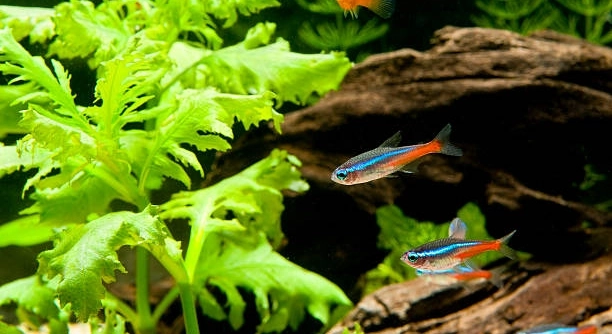
Tetras are popular aquarium fish known for their bright colors and lively behavior. Many fishkeepers enjoy watching them swim, but sometimes these small fish can die unexpectedly without obvious signs. Understanding the reasons behind these sudden deaths can help prevent further losses.
Unexpected tetra deaths often result from a combination of environmental stressors, water quality issues, disease, improper diet, and sudden changes in tank conditions. Identifying these causes requires careful observation and maintaining stable, healthy habitats to support their wellbeing.
Recognizing the factors that lead to sudden tetra deaths can improve how you care for your fish. This article outlines common causes to help keep your aquarium thriving.
Poor Water Quality
Maintaining clean water is essential for keeping tetras healthy. Poor water quality can cause stress, weaken their immune system, and lead to sudden death. Ammonia and nitrite levels should always be at zero because even small amounts can be harmful. Regular water changes help keep toxins low and oxygen levels high. It’s important to test the water frequently using reliable kits. Overfeeding can increase waste, making the water dirty faster, so feeding only what they can eat in a few minutes is best. Also, avoid overcrowding your tank as it can quickly degrade water conditions and increase stress on the fish. Keeping a consistent water temperature between 72°F and 78°F supports their health. Sudden temperature changes can shock tetras and lead to illness. Regular maintenance and monitoring are key to preventing these issues and ensuring your tetras thrive.
Poor water quality leads to weakened immune systems and increases the risk of infections, causing unexpected deaths.
Regular water testing and proper tank upkeep create a safe environment that promotes longevity and reduces stress in tetras.
Stress from Tank Environment
Stress is a major factor that impacts tetra health. They are sensitive fish that need a calm, stable environment. Loud noises, strong vibrations, or sudden movements near the tank can frighten them. Tetras also require plenty of hiding spaces such as plants or decorations to feel secure. A tank without enough shelter makes them vulnerable and anxious, which can reduce their lifespan. The size of the tank matters too; small tanks limit swimming space and increase territorial behavior, adding to stress. It’s important to keep the tank in a quiet, low-traffic area of your home. Avoid frequent rearranging of decorations or changing water too often, as tetras need consistency to feel safe. Monitoring behavior like erratic swimming or hiding can help you catch stress signs early and adjust the environment to better suit your fish’s needs. Reducing stress is one of the best ways to prevent unexpected deaths.
Sudden Temperature Changes
Sudden changes in water temperature can shock tetras, leading to stress or death. They thrive in stable temperatures and are sensitive to fluctuations.
Rapid temperature drops or spikes can weaken their immune systems, making them more prone to disease. If the heater or filter malfunctions, temperature shifts happen quickly and are harmful. During water changes, adding water that is too cold or too warm can also cause shock. Using a reliable heater and thermometer helps keep the tank temperature steady. Gradually adjusting water temperature when needed prevents stress. Tetras need a consistent environment to stay healthy.
Keeping temperature stable prevents health problems and supports the immune system, reducing unexpected deaths caused by environmental shocks.
Disease and Parasites
Diseases and parasites are common reasons for sudden tetra deaths. Infections spread quickly in crowded or unclean tanks. Many illnesses show subtle signs like clamped fins or faded colors before death occurs. Common diseases include ich, fin rot, and bacterial infections. Parasites such as flukes or worms can also attack tetras and weaken them rapidly.
Proper quarantine of new fish before adding them to the tank helps prevent spreading illness. Maintaining good water quality supports their immune response and lowers the chance of infections. If a disease is suspected, early treatment with appropriate medication is crucial to stop it from spreading. Regular observation of fish behavior and appearance can catch health issues early. Taking quick action improves survival chances and helps keep the tank healthy.
Overfeeding
Overfeeding tetras can quickly pollute the tank water, leading to harmful conditions. Excess food decomposes, increasing ammonia and nitrate levels.
Feeding small amounts once or twice a day is enough. Remove any leftover food after a few minutes to keep the water clean and safe.
Incompatible Tank Mates
Not all fish get along well with tetras. Aggressive or much larger tank mates can stress or injure them, causing sudden death.
Choosing peaceful species of similar size helps maintain harmony. Avoid overcrowding to reduce territorial fights and keep the environment calm.
Poor Diet
Tetras need a balanced diet to stay healthy. Feeding only flakes or a limited variety can cause nutritional deficiencies.
Including frozen or live foods like brine shrimp and daphnia helps provide essential nutrients and keeps tetras strong.
What causes sudden death in tetras?
Sudden death in tetras usually happens because of stress, poor water quality, disease, or temperature shocks. These small fish are sensitive to their environment, and even small changes can have a big impact. Sometimes, unseen infections or parasites weaken them quickly. Keeping their tank stable and clean lowers the chances of sudden losses.
How can I prevent unexpected tetra deaths?
Preventing unexpected deaths starts with maintaining stable water conditions. Regular water testing and changes are essential. Feeding the right amount and keeping tank temperature steady helps too. Quarantining new fish before adding them reduces the risk of disease. Also, avoid overcrowding and choose compatible tank mates to reduce stress.
How often should I test my aquarium water?
Testing water at least once a week is recommended. Frequent testing lets you catch problems early, especially with ammonia, nitrites, and nitrates. If you notice any unusual behavior or deaths, test more often. Keeping track helps you react quickly before conditions worsen.
What is the best diet for tetras?
A varied diet is best for tetras. High-quality flakes or pellets provide basic nutrition, but supplementing with frozen or live foods like brine shrimp or daphnia improves health. Avoid overfeeding to prevent water pollution. Feeding small amounts once or twice daily is ideal.
How important is tank size for tetras?
Tank size matters because tetras need space to swim freely and reduce stress. Small tanks increase waste buildup and limit oxygen. A minimum of 10 gallons is usually recommended for a small group. Larger tanks offer more stability and comfort, improving their overall health.
Can sudden temperature changes kill tetras?
Yes, sudden temperature changes can be fatal. Tetras are used to stable temperatures between 72°F and 78°F. Rapid shifts shock their systems, weakening their immune defenses and causing stress-related illnesses. Always adjust water temperature gradually when needed.
How do I know if my tetras are stressed?
Signs of stress include erratic swimming, hiding, loss of color, and clamped fins. Stressed fish may also refuse food or become lethargic. Watching your fish regularly helps you spot these changes early. Addressing tank environment and water quality often reduces stress.
What are common diseases affecting tetras?
Common diseases include ich, fin rot, and bacterial infections. These often appear after stress or poor water conditions. Parasites like flukes also affect tetras. Early symptoms can be subtle, like white spots or torn fins. Timely treatment with the correct medication is important to stop disease spread.
Should I quarantine new fish before adding them to my tank?
Quarantining new fish for at least two weeks is very important. It helps prevent introducing diseases or parasites to your main tank. During quarantine, observe for signs of illness and treat if necessary. This simple step protects your existing fish and reduces sudden deaths.
How does overcrowding affect tetras?
Overcrowding increases stress, competition for food, and waste buildup. This leads to poor water quality and weakens fish health. Keeping a balanced number of fish for your tank size helps maintain a peaceful environment and reduces sudden deaths. Regular tank maintenance is also easier in a well-managed setup.
Taking care of tetras requires attention to several important factors that affect their health and wellbeing. Unexpected deaths often happen because of stress, poor water quality, disease, or sudden changes in their environment. Keeping the water clean, stable, and properly balanced is essential. Regular testing and water changes help prevent toxic buildup that can harm the fish. Providing a balanced diet and not overfeeding also supports their health. It’s important to maintain a steady temperature and avoid sudden fluctuations that can shock tetras and weaken them. Paying attention to these basics creates a safer, more comfortable space for your fish.
Stress is a key reason tetras can die suddenly, so creating a calm environment is crucial. Tetras feel safest when they have hiding spots and enough space to swim freely. Avoid placing the tank in noisy or busy areas to reduce stress. Also, choosing compatible tank mates and not overcrowding the aquarium help keep peace among the fish. Watching your tetras closely for signs of stress or illness allows you to act quickly if something is wrong. Early intervention can make a big difference in preventing losses. Quarantining new fish before introducing them to the main tank also protects your tetras from diseases and parasites.
Ultimately, successful tetra care is about consistency and attention to detail. Regular maintenance, careful observation, and creating a stable environment go a long way in keeping tetras healthy and happy. While sudden deaths can be frustrating, understanding the common causes helps reduce the risk. Taking small steps to improve water quality, diet, and tank conditions benefits your fish and makes your aquarium a peaceful place to enjoy. Keeping these factors in mind ensures your tetras live longer and thrive in their home.

Hello,
If you enjoy the content that we create, please consider saying a "Thank You!" by leaving a tip.
Every little bit helps us continue crafting quality advice that supports the health, happiness, and well-being of pets around the world, for pets of all shapes, sizes, and species.
We really appreciate the kindness and support that you show us!