
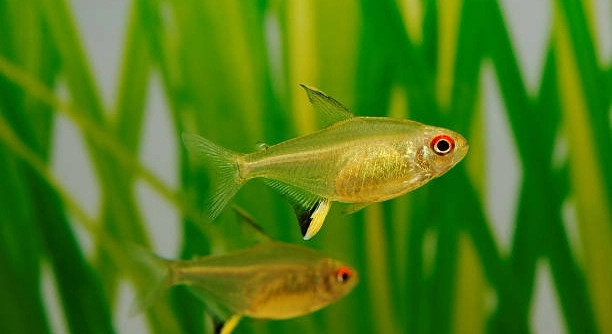
Are your lemon tetras not breeding as successfully as you hoped? Many hobbyists face challenges when trying to encourage spawning in home aquariums. Understanding their natural behavior can make a big difference in outcomes.
Successful lemon tetra breeding relies on providing optimal water conditions, suitable tank setup, and appropriate diet. Maintaining stable temperature, soft water, and dim lighting, along with separating males and females before breeding, significantly increases the likelihood of spawning and fry survival.
Learning these strategies can improve your tank’s breeding environment and increase your chances of raising healthy lemon tetra fry successfully.
Choosing the Right Breeding Tank
Selecting an appropriate breeding tank is crucial for lemon tetras. A small, separate tank of around 10 to 15 gallons works well, as it helps maintain water quality and reduces stress. The tank should be equipped with a gentle sponge filter to avoid disturbing delicate eggs and fry. Adding fine-leaved plants, such as Java moss, gives the fish places to lay eggs and provides shelter for newly hatched fry. Soft, slightly acidic water mimics their natural habitat and encourages spawning. It is also important to keep the tank dimly lit, as bright lighting can stress the fish and prevent egg-laying. Regular water changes are necessary to maintain optimal conditions, but avoid large fluctuations that could shock the fish. Preparing the tank ahead of time allows you to monitor water parameters and create a calm environment, increasing the chances of successful breeding.
A separate breeding tank reduces stress and allows better control over water conditions. Fry survival rates improve significantly.
Maintaining consistent temperature, around 78°F, and soft water with low mineral content is essential. Introducing fine-leaved plants or spawning mops provides hiding spots for eggs and protects them from being eaten. Gentle filtration ensures water stays clean without disturbing the eggs.
Conditioning Your Fish
Feeding high-quality live or frozen foods helps condition lemon tetras for breeding.
Providing a varied diet of daphnia, brine shrimp, and high-quality flake or pellet foods enhances their health and readiness to spawn. Over several weeks, increasing the proportion of live foods stimulates natural breeding behavior. Males will develop brighter colors, and females will become plumper as eggs mature. Separating males and females before introducing them to the breeding tank can encourage courtship displays. Observing interactions during this time helps identify compatible pairs. Keeping water stable and performing regular small changes maintains a stress-free environment. When fish are well-conditioned and calm, the chances of successful egg-laying improve significantly. Patience during conditioning ensures healthier fry and reduces the risk of failed breeding attempts. Consistency in care is key to preparing lemon tetras for spawning and supporting early fry development.
Conditioned fish display brighter colors and more active behavior. This readiness is a key factor in successful spawning.
Consistency in diet, water quality, and observation allows you to notice signs of readiness. Introducing pairs after conditioning ensures a higher likelihood of mating. Monitoring the fish closely during this period allows timely intervention if aggression or stress occurs, improving egg-laying success and fry survival.
Monitoring Water Conditions
Maintaining stable water parameters is essential for breeding lemon tetras. Temperature, pH, and hardness need careful attention. Sudden changes can stress the fish and prevent spawning, so regular testing is important. Small, consistent adjustments help keep the environment safe for eggs and fry.
Keeping temperature around 78°F with soft, slightly acidic water encourages spawning. Using a sponge filter avoids disturbing eggs, while regular small water changes maintain cleanliness. Avoid strong currents that could sweep away eggs. Monitoring pH around 6.5 to 7 and keeping water free from contaminants reduces stress and improves overall health. Consistent water conditions help both adults and fry thrive, increasing breeding success.
Observation is key. Watching how males chase and display near females indicates readiness to spawn. Any sudden lethargy or hiding can signal stress, prompting adjustments. Maintaining stable, clean water ensures eggs develop properly and fry survive the early stages. Attention to these details can make a noticeable difference in breeding outcomes.
Encouraging Spawning Behavior
Light adjustments help stimulate natural breeding instincts. Dim lighting and plants create a safe environment for courtship.
Males show brighter colors and perform chasing displays when ready. Females ready to lay eggs appear plump, and pairing compatible fish promotes successful mating. Introducing pairs after conditioning ensures interaction occurs in a controlled, calm tank. Gentle water flow and hiding places encourage natural behavior while reducing aggression. Courtship can last several hours, and observing interactions allows you to intervene if necessary. Supporting a calm, stable environment enhances egg-laying and fertilization rates, creating ideal conditions for fry survival.
Regularly adjusting light periods to mimic natural cycles helps maintain consistent breeding behavior. Providing plenty of plants for cover allows females to lay eggs safely. Ensuring males and females interact without excessive stress encourages successful fertilization. Combining these conditions with consistent feeding and water maintenance supports repeated spawning and healthy fry development over time.
Separating Adults from Eggs
Removing adult lemon tetras after spawning prevents them from eating the eggs. A simple net or divider can be used to keep the adults safe while protecting the eggs. Timely removal is critical, usually within a few hours after spawning.
Keeping eggs in a calm, dimly lit tank helps prevent fungal growth. Maintaining stable water parameters and minimal disturbance increases survival rates. Observing the eggs daily allows you to remove any that show signs of fungus or damage.
Caring for Fry
Feeding newly hatched fry requires small, frequent meals. Infusoria or liquid fry food is ideal during the first week.
Maintaining Water Quality
Gentle filtration and regular small water changes keep fry healthy. Avoid strong currents that could sweep them away.
Gradually Increasing Food
As fry grow, introducing freshly hatched brine shrimp or finely crushed flake food ensures proper development. Consistent feeding schedules support growth and survival.
How long does it take for lemon tetra eggs to hatch?
Lemon tetra eggs usually hatch within 24 to 36 hours after being laid, depending on water temperature and quality. Maintaining a stable temperature around 78°F helps speed up development slightly, while fluctuations can slow it down. Fry are extremely delicate at this stage, so gentle care is essential.
What should I feed lemon tetra fry after hatching?
For the first few days, fry need very small food like infusoria or commercially available liquid fry food. After about a week, you can gradually introduce freshly hatched brine shrimp or finely crushed flake food. Feeding small amounts multiple times a day ensures they get enough nutrition without fouling the water.
Do I need to remove adults from the breeding tank?
Yes, removing adult lemon tetras shortly after spawning prevents them from eating the eggs. Using a net or divider works well. Removing adults within a few hours improves survival rates significantly, as eggs and fry are highly vulnerable at this stage.
How often should I change the water in a breeding tank?
Small, frequent water changes are best, usually 10 to 15 percent every day or every other day. This keeps water clean without causing stress from large fluctuations. Using dechlorinated water at the same temperature as the tank prevents shock and maintains stable conditions.
What kind of plants or decorations help breeding?
Fine-leaved plants, like Java moss or spawning mops, provide ideal surfaces for egg-laying and hiding spots for fry. These plants reduce stress for adults and protect eggs from being eaten. Keeping the tank minimally decorated with plenty of plants is better than using heavy ornaments.
Can I breed lemon tetras in a community tank?
Breeding in a community tank is not recommended. Other fish may eat eggs or stress the adults, reducing the chance of successful spawning. Using a separate, quiet breeding tank allows better control over water conditions and protection for eggs and fry.
How do I know if my fish are ready to breed?
Males develop brighter colors and begin chasing females around the tank. Females become plump as their eggs mature. Observing these signs indicates that the pair is ready for spawning. Conditioning them with high-quality live or frozen food enhances their readiness and improves chances of successful breeding.
What water conditions are ideal for breeding lemon tetras?
Soft, slightly acidic water with a pH of 6.5 to 7 is ideal. Maintaining stable temperature around 78°F and minimal water flow helps reduce stress. Regular small water changes and gentle filtration ensure eggs develop properly and fry survive early stages.
How do I prevent fungus on eggs?
Fungus can develop if water is not clean or eggs are disturbed. Using a gentle sponge filter, keeping the tank dimly lit, and removing any spoiled eggs promptly helps prevent fungal growth. Some breeders add a few drops of methylene blue to the water as an extra precaution.
When can I move fry to a larger tank?
Fry can be transferred once they are strong swimmers and able to eat larger foods, usually after 3 to 4 weeks. Gradual acclimation to new water conditions is important to prevent stress or shock. Ensuring the new tank has proper filtration, plants, and calm conditions supports healthy growth.
Can lemon tetras spawn multiple times in a season?
Yes, lemon tetras can spawn multiple times if water conditions, diet, and tank setup are maintained consistently. Providing a stable, stress-free environment and high-quality food encourages repeated breeding cycles throughout the season. Monitoring their behavior helps determine optimal timing for each spawning.
How do I reduce aggression during breeding?
Providing plenty of plants and hiding spots reduces stress and aggression. Separating males if they become too aggressive and ensuring proper conditioning before introducing pairs can prevent fights and improve the chances of successful spawning. Maintaining calm, stable water conditions also minimizes conflict.
What is the survival rate for lemon tetra fry?
Survival depends on careful care. With optimal water conditions, gentle filtration, regular feeding, and protection from adults, survival rates can be high. Neglecting water stability, overcrowding, or poor diet can drastically reduce the number of fry that reach adulthood. Observation and consistent care make a big difference.
Can I use tap water for breeding?
Tap water can be used if properly treated to remove chlorine and chloramines. Matching temperature and testing pH and hardness ensures stability. Sudden changes in water chemistry can harm eggs and fry, so preparation and careful monitoring are crucial.
How do I tell the difference between male and female lemon tetras?
Males are slightly smaller with brighter yellow coloring and more vivid fin edges. Females appear plumper, especially when carrying eggs. Recognizing these differences helps pair compatible fish for breeding and avoids unnecessary stress in the breeding tank.
How important is diet for breeding success?
Diet is critical. Feeding live or frozen foods, supplemented with high-quality flakes or pellets, ensures fish are healthy and ready to spawn. Conditioned fish display brighter colors, are more active, and produce more viable eggs, directly impacting the success of breeding efforts.
How long should I keep fry in the breeding tank?
Fry should remain in the breeding tank until they can swim freely and feed on larger foods, usually around 3 to 4 weeks. After this, transferring them to a larger grow-out tank reduces overcrowding and supports continued healthy development.
Can I breed lemon tetras in hard water?
Hard water is less ideal, as lemon tetras prefer soft, slightly acidic water. Breeding in hard water may reduce spawning success and fry survival. Adjusting water hardness and pH before introducing breeding pairs improves outcomes significantly.
What is the best way to remove dead eggs?
Dead eggs should be removed carefully with a small net or pipette. Removing them prevents fungal spread and protects healthy eggs. Daily monitoring ensures the tank stays clean and reduces risks to the remaining eggs and developing fry.
How do I know if eggs are fertilized?
Fertilized eggs appear slightly clear or amber, while unfertilized eggs often turn opaque or white. Observing this helps identify which eggs are likely to hatch and which need to be removed to prevent contamination.
Breeding lemon tetras can feel challenging at first, but understanding their natural needs makes the process much easier. Providing a calm, separate tank with stable water conditions is the foundation for success. Soft, slightly acidic water, a temperature around 78°F, and gentle filtration create a safe environment for both adults and fry. Including fine-leaved plants or spawning mops gives the fish places to lay eggs and protects the fry once they hatch. Observing your fish daily helps you spot any stress or aggression, allowing you to make small adjustments before problems arise. Consistency in water quality, diet, and lighting encourages natural spawning behavior and improves the chances that eggs will hatch and fry will survive.
Feeding plays a major role in successful breeding. Adults need a varied diet of high-quality live, frozen, or prepared foods to become healthy and ready to spawn. Conditioning males and females for several weeks before introducing them to the breeding tank increases egg production and fertilization rates. Once the eggs are laid, removing adults prevents them from eating the eggs, and providing gentle care for the fry ensures higher survival rates. Feeding fry small, frequent meals, starting with infusoria or liquid fry food and gradually moving to brine shrimp or crushed flakes, supports healthy growth. Regular, small water changes help maintain cleanliness without shocking delicate fry, and observing their development allows timely interventions if any issues arise.
Patience and attention to detail are essential throughout the process. Lemon tetra breeding is not instantaneous, and success depends on creating the right environment, maintaining stable conditions, and providing proper nutrition. Each stage, from preparing the breeding tank to raising fry, requires careful observation and consistent care. By monitoring behavior, water quality, and diet, you increase the likelihood of healthy fry and repeated successful spawning cycles. Over time, this methodical approach becomes easier, and the results—vibrant adults and thriving fry—are rewarding. Following these practices ensures your lemon tetras remain healthy and productive, giving you a reliable and enjoyable experience with breeding in your home aquarium.

Hello,
If you enjoy the content that we create, please consider saying a "Thank You!" by leaving a tip.
Every little bit helps us continue crafting quality advice that supports the health, happiness, and well-being of pets around the world, for pets of all shapes, sizes, and species.
We really appreciate the kindness and support that you show us!