
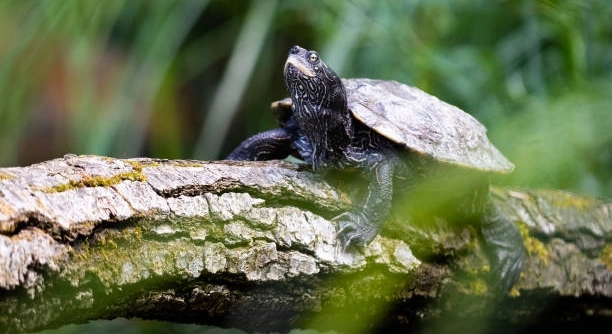
Raising hatchlings can be a rewarding experience, but it also comes with its challenges. Ensuring their survival requires a careful approach to their care and environment. There are key factors that can significantly impact their chances of thriving.
To boost hatchling survival rates, it is essential to focus on providing optimal conditions for warmth, nutrition, and protection. Ensuring proper incubation, reducing stress, and keeping predators at bay also contribute to their survival. Implementing these methods can improve outcomes significantly.
By making a few adjustments to their care, you can increase the chances of your hatchlings thriving. Understanding the basics is just the start—there’s more to learn about their survival.
1. Proper Temperature Regulation
Keeping your hatchlings at the right temperature is crucial for their survival. Temperature affects their metabolism, growth, and overall health. If it’s too cold, they may become sluggish and weak, while overheating can cause dehydration and death. You need to ensure that their environment stays within the optimal range for their species. For most hatchlings, a consistent temperature between 75°F and 85°F is ideal, but this can vary. A thermometer is a simple tool to monitor the heat levels in their environment.
Maintaining the correct temperature also means ensuring the right humidity level. Some hatchlings need higher humidity, while others thrive in drier conditions. Make sure to research your hatchlings’ specific needs to ensure they are comfortable and healthy.
Investing in reliable heating sources, such as heat lamps or heat mats, can help. Avoid drastic temperature fluctuations by placing them in an area away from drafts and direct sunlight. Consistency is key to creating a stable environment that supports their growth.
2. Proper Nutrition and Hydration
Food and water are fundamental to the survival of hatchlings.
To promote healthy growth and development, it’s important to provide nutrient-rich food suitable for your hatchlings’ stage. In the early stages, many species rely on specific food sources. For example, some need specialized insect diets, while others may require a steady supply of protein or plants. You should know what is best for their species to ensure they grow strong.
Hydration is just as important as nutrition. Hatchlings can dehydrate quickly, so access to clean, fresh water is a must. Always provide a water source that is shallow enough to prevent drowning, but deep enough to keep them hydrated. If your hatchlings are small, a wet sponge or a shallow dish with water can work perfectly. If they are older, larger bowls are suitable.
Ensuring your hatchlings are eating and drinking enough is a great step in boosting their survival rates. However, you should also make sure their food is free from harmful chemicals or contaminants. Stick to foods that are natural and safe to prevent any adverse effects.
3. Proper Housing and Shelter
Providing a secure, comfortable habitat is key to the survival of your hatchlings.
A safe shelter keeps your hatchlings protected from environmental dangers like predators or extreme weather. Ensure that their enclosure is secure, with no gaps or openings that could allow escape or let in unwanted animals. It’s important to use materials that provide adequate ventilation while keeping the area warm enough for the hatchlings. Too much airflow can make the environment too cold, and too little can cause overheating.
When choosing the size of the habitat, make sure it’s spacious enough to allow your hatchlings to move around. If they feel cramped, they may become stressed, affecting their overall health. The space should also be clean and free of harmful chemicals or materials that could pose a danger to them. Regular cleaning of the enclosure is necessary to prevent any buildup of waste or bacteria that could harm them.
Adding hiding spots, plants, or other enrichment items is also helpful. These elements provide your hatchlings with the opportunity to feel secure and calm, which reduces stress and supports healthy development.
4. Reducing Stress
Stress can seriously impact your hatchlings’ growth and survival rates.
Minimizing stress begins by ensuring your hatchlings have a stable, predictable environment. Sudden changes can confuse or frighten them, leading to a weakened immune system and poor health. Be mindful of loud noises, handling them too much, or overcrowding. A calm environment helps hatchlings feel safe and secure.
Overhandling is a common mistake. While some hatchlings might need human interaction, too much can be overwhelming. Limit handling to short, gentle interactions, particularly during their early days. If you are raising multiple hatchlings, try to avoid over-crowding as this can lead to competition for food, space, and shelter, which creates stress.
Aside from external factors, pay attention to their overall health. If they seem sluggish or unwilling to eat, this could indicate stress, poor living conditions, or illness. Identifying the source of stress and removing it is critical to improving their survival chances. Stress management helps hatchlings grow strong and healthy.
5. Monitor Health Regularly
Regular health checks are essential for catching any potential issues early.
Inspect your hatchlings daily for any signs of illness or injury. Look for changes in their eating habits, behavior, or physical appearance, as these can indicate health problems. By staying vigilant, you can address issues before they become serious.
If you notice something concerning, it’s always best to consult a vet or expert in the species you’re caring for. Even minor symptoms could lead to bigger health concerns down the road if left untreated. Regular health monitoring is an easy way to boost survival rates.
6. Avoid Overfeeding
Overfeeding can harm your hatchlings just as much as underfeeding.
Providing the right amount of food helps prevent obesity, malnutrition, or digestive issues. Be sure to feed them in appropriate portions, based on their age and species. It’s essential to understand their dietary needs to avoid both under and overfeeding.
7. Proper Handling and Interaction
Gentle handling goes a long way in ensuring your hatchlings’ well-being.
Avoid picking them up too frequently, as they need time to grow and get used to their surroundings. When you do handle them, make sure to be calm and gentle to reduce stress. Always support their body properly to avoid injury.
FAQ
How often should I check the temperature of the hatchling’s habitat?
It’s important to check the temperature at least once a day, especially during the early stages of their development. Hatchlings are sensitive to temperature changes, and even slight fluctuations can impact their health. Use a reliable thermometer to monitor the conditions consistently, making sure the habitat stays within the optimal range for their species.
Can I use a regular light bulb for heating?
While a regular light bulb can provide some heat, it’s not ideal for maintaining the specific temperature range your hatchlings need. Instead, consider using a heat lamp designed for reptiles or other hatchlings. These lamps are made to provide steady, consistent warmth and are safer in the long run. Regular light bulbs might not provide the right heat distribution and can be unsafe if used for prolonged periods.
What’s the best way to ensure my hatchlings get enough food?
Make sure to feed your hatchlings several small meals throughout the day, depending on their species and size. Always research what type of food is best for their growth. For example, some species require a diet of specific insects, while others thrive on plants. Use proper feeding tools like tweezers or shallow dishes to ensure they can access the food easily. If you’re unsure about portion sizes, consult an expert.
How long can hatchlings go without food or water?
The amount of time hatchlings can go without food or water depends on the species. Generally, they can go without food for a short period, but they cannot survive without water for long. It’s essential to provide them with constant access to fresh water. A lack of hydration can quickly lead to health issues. Always keep an eye on their feeding and drinking habits to ensure they stay healthy.
What should I do if my hatchling isn’t eating?
If your hatchling refuses to eat, it could be a sign of stress, illness, or improper environmental conditions. First, check the habitat to ensure the temperature and humidity are correct. If those factors are in check, consider whether you are providing the right food type or offering it at the wrong times. If the problem persists, consult a vet to rule out health issues.
How do I clean my hatchling’s enclosure?
Cleaning the enclosure regularly is essential to prevent the buildup of bacteria and waste. Use a non-toxic cleaner, or a mild soap, and warm water to wipe down the surfaces. Be sure to remove any uneaten food, old bedding, or waste promptly. Make sure the habitat is dry before putting the hatchlings back inside to avoid moisture build-up, which can lead to health problems.
Can hatchlings live with other animals?
It’s best not to house hatchlings with other species unless you’re certain they are compatible. Some animals may be aggressive or territorial and could harm your hatchlings. If you want to keep multiple hatchlings together, make sure they are the same species and similar in size to reduce the risk of conflict. It’s also essential to ensure there’s enough space for each to have its own area to rest and eat without competition.
When is the right time to move hatchlings to a larger space?
As your hatchlings grow, you will need to provide them with more space. Keep an eye on their size and behavior. If they start showing signs of overcrowding, such as being unable to move around freely or fight for food, it’s time to upgrade their enclosure. Moving them to a larger space helps reduce stress and supports their growth.
Can I use natural elements like soil or plants in the habitat?
Yes, incorporating natural elements like soil, plants, or rocks can help simulate a more natural environment for your hatchlings. However, make sure the plants are safe for your specific species and free from pesticides or harmful chemicals. It’s also important to keep the habitat clean by removing any decaying plant material, which can promote bacteria growth.
How can I reduce the risk of predators?
Predators, like insects or other animals, can pose a significant threat to hatchlings. Ensure the enclosure is securely closed, with no openings large enough for predators to enter. If your hatchlings are outside, use protective netting or covers to shield them from birds or other larger animals. It’s also a good idea to check the habitat regularly for any signs of potential predators and remove them immediately.
Final Thoughts
Taking care of hatchlings requires attention to detail and patience. By ensuring the right environment, food, and care, you can significantly increase their chances of surviving and thriving. Hatchlings are delicate and need constant monitoring, but with proper knowledge, they can grow into strong, healthy animals. Whether you’re a first-time caregiver or experienced, the same principles apply. The more informed you are about their needs, the better prepared you’ll be to handle any challenges that arise.
One of the most important things to remember is consistency. Hatchlings need a stable, predictable environment to feel safe. Temperature, humidity, and food must be carefully managed to meet their specific needs. This consistency helps them grow without unnecessary stress, which is crucial for their health. Regular checks on their well-being, such as observing their eating habits and physical appearance, help you catch any potential problems early before they become serious. This hands-on approach is key to their survival.
Lastly, don’t forget the importance of patience and understanding. Raising hatchlings isn’t always easy, and you might face setbacks along the way. But with the right care, you can build a safe and nurturing environment for them to grow. Every hatchling is unique, and their needs may vary, so it’s important to remain flexible and adapt to their changes. Keeping these basics in mind will help you provide the best care and increase your hatchlings’ chances of surviving and thriving into adulthood.

Hello,
If you enjoy the content that we create, please consider saying a "Thank You!" by leaving a tip.
Every little bit helps us continue crafting quality advice that supports the health, happiness, and well-being of pets around the world, for pets of all shapes, sizes, and species.
We really appreciate the kindness and support that you show us!