
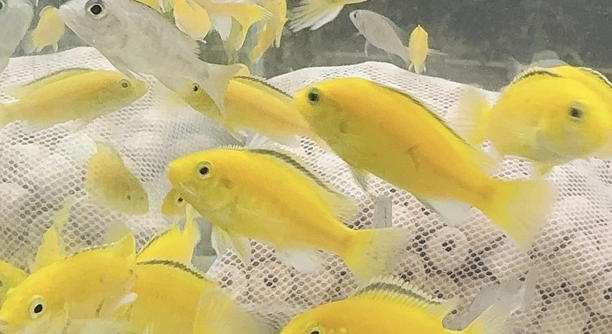
Electric Yellow Cichlids are bright and lively fish often kept in home aquariums. They carry traits from their natural habitats, shaping their behaviors and interactions in captivity in unique and fascinating ways.
Electric Yellow Cichlids retain specific memories from their environment, including feeding patterns, territorial boundaries, social hierarchies, preferred hiding spots, breeding behaviors, responses to light, and water conditions. These memories influence their daily behavior and adaptability in an aquarium setting.
Observing how these cichlids react offers valuable insight into their environmental needs and interactions. Understanding these habits can improve care and create a more suitable home for them.
Feeding Patterns and Food Recognition
Electric Yellow Cichlids quickly learn which foods are safe and appealing in their environment. In the wild, they are exposed to various insects, algae, and small invertebrates. When kept in an aquarium, these fish often show preferences for certain pellets or frozen foods, responding eagerly to familiar options. They can even anticipate feeding times, swimming toward the surface or particular spots in the tank when they recognize the routine. Over time, they may ignore unfamiliar foods or show hesitation when new items are introduced. Observing their feeding behavior helps caretakers adjust diets, ensuring proper nutrition and health. Repetition strengthens their memory, making them more predictable in their eating habits.
Feeding routines significantly shape cichlids’ behavior. They respond best when meals are consistent in timing and type.
Recognizing feeding patterns is essential for maintaining healthy fish. Cichlids develop expectations based on past experiences, which influences their energy levels, aggression, and interactions. Introducing new foods gradually ensures they accept variety without stress. By aligning with their natural habits, owners can create an environment that feels secure and predictable, improving overall fish well-being. Consistent observation also helps spot early signs of illness, as changes in appetite often indicate health issues, making memory an important factor in routine care.
Territorial Behavior and Space Memory
Electric Yellow Cichlids remember the boundaries of their territory in the tank. They establish specific areas for hiding, resting, and exploring, which reduces conflict and stress.
Territorial memory is influenced by the tank layout, decorations, and the presence of other fish. Cichlids mark their space using visual cues and learned routines, often returning to the same hiding spots or preferred zones. When new fish are introduced, they may initially become defensive, testing boundaries until territories are reestablished. Over time, they adapt to changes, but sudden rearrangements of the tank can cause confusion and stress. Maintaining consistent structures, such as rocks, plants, or caves, supports memory retention and promotes natural behaviors. Owners observing these patterns gain insight into social hierarchies and can prevent unnecessary aggression. Understanding how cichlids navigate and remember their space enhances their comfort and encourages active, healthy engagement within the aquarium environment.
Social Hierarchies and Recognition
Electric Yellow Cichlids remember the other fish in their tank and recognize social ranks. They interact differently with dominant and submissive fish, often adjusting behavior to avoid conflict.
Social memory helps cichlids navigate interactions efficiently. They can recall past disputes, favoring familiar allies and avoiding repeated confrontations. This recognition reduces stress and encourages stable group dynamics. Fish that are new to the tank are observed cautiously, and established cichlids assert themselves according to remembered social standings. Over time, the hierarchy stabilizes, with each fish understanding its position and the behaviors expected from others. These memories affect feeding order, territory defense, and mating interactions. Strong social recognition improves overall harmony and reduces unnecessary aggression in the aquarium. Owners can use this knowledge to manage tank populations, minimizing stress and ensuring a peaceful environment for all residents.
Memory also plays a role in mating behavior. Cichlids often remember partners and rivals, influencing courtship and spawning. They may show preference for familiar mates while avoiding previous competitors, using past experiences to guide decisions and maintain stable social structures. Observing these interactions provides insight into their complex social memory and helps owners create conditions that support natural behaviors. Understanding how cichlids recall social dynamics is crucial for maintaining balance in mixed-species or community tanks, as mismanagement can lead to stress, aggression, and disrupted hierarchies.
Preferred Hiding Spots and Shelter Recall
Electric Yellow Cichlids remember locations that feel safe, often returning to the same hiding spots repeatedly. Shelters provide comfort, reduce stress, and influence overall behavior patterns.
Memories of safe locations are critical for cichlids’ sense of security. Fish recall areas behind rocks, caves, or dense plants as refuges from perceived threats or aggressive tankmates. These shelters become central to their daily routines, influencing movement, feeding, and resting habits. When rearrangements occur, fish may explore cautiously, gradually reestablishing familiarity with new layouts. Memory of hiding spots also plays a role in territorial behavior, as fish defend these locations from intruders. By observing preferred shelters, owners can understand each cichlid’s comfort zones and support natural instincts, providing an environment that encourages healthy activity.
Remembering specific shelters also impacts stress responses. Cichlids that feel secure can display natural behaviors, maintain energy, and interact positively with others. Lack of suitable hiding spaces can increase anxiety, aggression, and vulnerability to illness. Consistency in shelter placement allows fish to rely on learned patterns, making their environment predictable and safe. By respecting these memory-based preferences, owners can create a stable and enriching tank that supports the physical and emotional health of Electric Yellow Cichlids, encouraging long-term well-being and natural behavior.
Light and Environmental Cues
Electric Yellow Cichlids remember how light affects their environment. They adjust activity based on brightness and shadow patterns, seeking comfort and avoiding stress.
These fish use light cues to navigate the tank, choosing well-lit areas for feeding and dim spots for resting. Changes in lighting can influence mood, activity, and feeding behavior. Recognizing these patterns helps them feel secure.
Water Conditions and Temperature Memory
Electric Yellow Cichlids remember preferred water conditions, including temperature, pH, and hardness. Consistent conditions support health and activity, while sudden changes can cause stress and reduce immune responses. They can detect shifts quickly, responding by hiding or reducing movement until conditions stabilize. Memory of optimal conditions guides their behavior and feeding patterns, allowing them to maintain balance and avoid discomfort. Fish with a stable environment demonstrate stronger coloration, increased activity, and improved social interaction. Careful observation of their reactions can reveal subtle changes in water quality. Understanding their memory for environmental factors helps owners create an aquarium that feels familiar and safe, minimizing stress and promoting long-term health for these vibrant fish.
Breeding Sites and Spawning Memory
Electric Yellow Cichlids remember specific locations for breeding, returning to familiar spots when preparing to spawn. These memories influence their reproductive behavior and success.
FAQ
How long do Electric Yellow Cichlids remember their environment?
Electric Yellow Cichlids have long-term memory for key aspects of their habitat, including feeding spots, hiding places, and social interactions. Studies show they can remember these elements for months, sometimes even years, especially when routines are consistent. Their memory helps reduce stress and encourages predictable, natural behavior patterns.
Can they recognize individual tankmates?
Yes, these cichlids can distinguish between other fish in the aquarium. They remember previous interactions, recognizing dominant or submissive fish and adjusting their behavior accordingly. This recognition helps maintain social order, reduces unnecessary aggression, and allows fish to navigate group dynamics effectively.
Do they remember feeding schedules?
Electric Yellow Cichlids can anticipate feeding times based on routine. They respond eagerly when they recognize cues, such as the movement of the owner or the sound of food being prepared. Consistent feeding schedules strengthen this memory, making fish more predictable and reducing stress related to hunger.
How do they recall hiding spots?
These fish memorize safe locations within the tank, returning to specific shelters or caves when stressed or resting. Hiding spots become central to their daily routine, and sudden changes in the tank layout may temporarily confuse them. Consistent placement of decorations helps maintain comfort and security.
Do they remember breeding areas?
Yes, Electric Yellow Cichlids remember preferred sites for spawning. They often return to the same spots during breeding periods, showing familiarity with specific caves or rocky areas. This memory supports reproductive behavior, allowing them to feel secure and focused during mating.
Can they adapt to new tank conditions?
Cichlids can adjust to changes, but memory of previous water conditions plays a role. Sudden shifts in temperature, pH, or hardness can cause stress. Gradual adjustments allow fish to adapt while still relying on memory of optimal conditions to guide their behavior and feeding.
Do they recall social hierarchies after tank changes?
When new fish are introduced or the layout changes, cichlids reassess their social structure. Memory of previous interactions helps them quickly identify allies and rivals, reducing prolonged conflict. Over time, hierarchies stabilize as fish remember positions and behaviors of others in the new setup.
How does memory affect aggression?
Past experiences shape how Electric Yellow Cichlids react to other fish. They may avoid previous challengers or assert dominance based on remembered outcomes. This learned behavior keeps aggression manageable, maintains territory boundaries, and allows for smoother interactions within the tank community.
Do they remember water quality changes?
Yes, cichlids are sensitive to water quality. They notice differences in clarity, temperature, and chemical balance. Memory of preferred conditions encourages them to stay active and healthy. Poor or inconsistent water quality can lead to stress, hiding, or reduced feeding until optimal conditions return.
Can they remember threats outside the tank?
While they mainly rely on environmental memory within the aquarium, Electric Yellow Cichlids can associate certain actions or sounds with potential threats. For example, repeated sudden movements near the tank may cause them to hide, showing they remember patterns of disturbance and react accordingly.
How can owners support their memory?
Maintaining consistent routines, stable water conditions, and familiar tank layouts helps Electric Yellow Cichlids retain and use memory effectively. Observing their behavior provides insight into preferences, social structures, and comfort zones, allowing owners to support natural instincts while reducing stress.
Does memory influence lifespan?
Memory indirectly affects lifespan by promoting well-being. Fish that can navigate their environment efficiently, avoid unnecessary stress, and maintain proper nutrition are healthier overall. Supporting memory through consistency, enrichment, and stable conditions contributes to a longer, more active life in captivity.
Do they recognize people?
Yes, cichlids can remember individuals who interact with them regularly. They may swim toward familiar caretakers, associate them with feeding, or react differently to new people. This recognition reflects their ability to learn from repeated experiences and adjust behavior accordingly.
Are there signs their memory is affected?
Disorientation, repeated hiding in unusual spots, or failure to recognize tankmates can indicate stress or health issues. Consistent observation and attention to environmental changes help ensure memory remains functional and that the fish remain comfortable and healthy.
Can memory be improved?
Providing enrichment, predictable routines, and consistent care strengthens memory in Electric Yellow Cichlids. Varied feeding, stable tank layouts, and social stability reinforce learned behaviors, making fish more confident, adaptable, and less prone to stress in their environment.
How do they use memory for exploration?
Cichlids use memory to map their surroundings, locating food, shelters, and social partners efficiently. They explore cautiously, returning to familiar zones when needed. This ability allows them to balance curiosity with safety, showing that memory guides not only routine behavior but also adaptive strategies for interacting with their environment.
Does stress affect memory?
High stress can temporarily impair memory, leading to confusion or avoidance of previously safe areas. Reducing stress through stable conditions, consistent routines, and appropriate tank mates supports cognitive function, allowing cichlids to recall past experiences and maintain natural behaviors effectively.
How important is memory for health?
Memory plays a critical role in maintaining overall health. Fish that remember feeding locations, safe zones, and social structures experience less stress, eat properly, and exhibit natural behavior. This stability strengthens immunity, supports growth, and contributes to a longer, more active life.
Can memory decline with age?
As cichlids age, some decline in memory may occur, affecting social interactions or response to routines. However, consistent care, enrichment, and stable environments help preserve cognitive function, allowing older fish to remain active and engaged within the tank.
Do they rely on memory over instincts?
Both memory and instincts guide Electric Yellow Cichlids. Memory allows them to navigate specific past experiences, while instincts trigger basic survival behaviors like hiding, feeding, and defending territory. Together, these abilities ensure they respond effectively to familiar and new situations.
Is memory the same for all cichlids?
Memory capacity varies between species, but Electric Yellow Cichlids are notably attentive to environmental and social cues. Their memory is particularly strong for feeding patterns, hiding spots, and social hierarchies, reflecting adaptations that support survival and reproduction in both natural and captive environments.
Electric Yellow Cichlids are remarkable for their ability to remember key aspects of their environment. From feeding routines to hiding spots, social interactions, and water conditions, their memory plays an essential role in shaping daily behavior. This ability allows them to navigate their tanks with confidence, respond to familiar situations efficiently, and avoid unnecessary stress. Fish that feel secure in their environment tend to be more active, eat properly, and display natural behaviors that contribute to overall well-being. Memory is not just a passive trait; it directly affects health, social dynamics, and even reproductive success. Observing these behaviors provides valuable insight into their needs and preferences, helping caretakers create an environment that feels consistent and safe.
Consistency in care is crucial for supporting the memory of Electric Yellow Cichlids. Predictable feeding schedules, stable water conditions, and familiar tank layouts help reinforce learned behaviors. For example, when fish remember where food is usually provided or which areas of the tank serve as shelters, they spend less time stressed and more time engaging naturally. Similarly, social recognition allows cichlids to maintain a balanced hierarchy, reducing aggression and improving group harmony. Providing enrichment, such as rocks, caves, and plants, strengthens spatial memory and encourages exploration while giving them a sense of security. By understanding how memory influences behavior, owners can make small adjustments that significantly improve the fish’s quality of life.
Memory in Electric Yellow Cichlids also plays a role in long-term health. Fish that can recall optimal water conditions and preferred hiding spots are better able to cope with minor stressors. They are more likely to eat consistently, avoid harmful interactions, and engage in natural behaviors like breeding or defending territory. Even age-related changes in memory can be supported by maintaining a stable, predictable environment, ensuring that older fish continue to thrive. Recognizing and respecting the role of memory in these fish allows caretakers to create a habitat that supports physical, social, and emotional well-being. By observing behaviors and responding to their learned preferences, owners not only provide proper care but also encourage natural instincts, ultimately helping Electric Yellow Cichlids lead longer, healthier, and more active lives.

Hello,
If you enjoy the content that we create, please consider saying a "Thank You!" by leaving a tip.
Every little bit helps us continue crafting quality advice that supports the health, happiness, and well-being of pets around the world, for pets of all shapes, sizes, and species.
We really appreciate the kindness and support that you show us!