
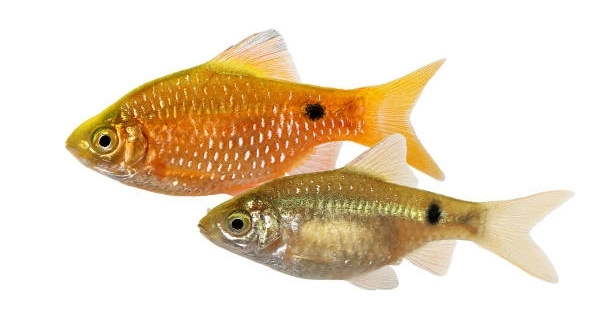
Rosy barbs are popular aquarium fish known for their bright colors and lively behavior. Many fish owners often watch them closely, enjoying their graceful swimming and interactions within the tank environment. These small fish bring charm and life to any home aquarium.
Rosy barbs do not have the neurological structures necessary to experience feelings such as awareness of being watched. Their responses are driven by instincts and environmental stimuli rather than conscious perception or emotion. Behavior changes are typically reactions to movement or changes in light.
Understanding how rosy barbs respond to their surroundings can enhance your experience as a fish keeper. This article explores their natural behaviors and what influences their reactions in an aquarium setting.
How Rosy Barbs Sense Their Environment
Rosy barbs rely heavily on their senses to navigate and survive in their environment. Their primary ways of sensing include sight, touch, and a specialized lateral line system. This lateral line helps them detect vibrations and water movement, alerting them to nearby objects or potential threats. They do not have complex emotions but respond to stimuli to protect themselves. When you move around the tank or create ripples in the water, rosy barbs often react by swimming away or changing direction. Their eyesight helps them spot food and other fish, but it does not allow them to feel emotions like humans do. The behaviors that might seem like they notice you are actually instinctive reactions to motion and light changes in their environment.
Their senses are fine-tuned for survival rather than awareness of human presence.
By understanding these sensory abilities, you can create a more comfortable and stimulating environment for your rosy barbs. Gentle movements near the tank and stable lighting help reduce stress. Regular feeding routines also encourage natural behaviors, making your fish more active and lively. Avoid sudden changes around the aquarium to keep your fish calm and healthy. This knowledge helps maintain a peaceful habitat that supports the well-being of your rosy barbs.
Why Rosy Barbs React to Movement
Rosy barbs often respond to movement outside the tank because their instincts tell them to be alert. Rapid or unexpected movements may be perceived as threats, causing them to swim quickly or hide among plants. This behavior is natural and helps them avoid predators in the wild. In an aquarium, these reactions show that your fish are sensitive to their surroundings but not necessarily aware of being watched.
Sudden movements cause stress in rosy barbs and should be minimized for their health.
To reduce stress, it is best to approach the tank slowly and avoid tapping on the glass. Providing hiding places with plants or decorations also helps them feel secure. Creating a stable environment with predictable activity supports their natural behavior and reduces unnecessary reactions. This leads to happier, healthier fish and a more enjoyable experience for you as the caretaker.
Common Misconceptions About Fish Awareness
Many people assume fish like rosy barbs can sense when they are being watched. This belief often comes from observing fish react to movement outside their tank. However, these reactions are based on instinct, not conscious awareness.
Fish respond primarily to changes in their environment, such as light or vibrations. When you approach the tank, your movement causes ripples or shadows, triggering their natural flight or curiosity responses. They do not recognize individual people or feel emotions like humans. Understanding this helps avoid misinterpreting their behavior as a personal connection or awareness. Instead, their responses are survival mechanisms developed over time to keep them safe in the wild.
Accepting this fact allows for better care by focusing on creating a calm environment rather than expecting interaction.
Enhancing Your Rosy Barbs’ Environment
Creating a stable and comfortable environment is essential for the well-being of rosy barbs. Proper tank setup with adequate plants and hiding spots reduces stress by mimicking their natural habitat. Stable water temperature and quality also play crucial roles in their health. Regular feeding schedules help establish a routine that supports their natural behavior.
Adding gentle lighting that avoids sudden changes prevents unnecessary reactions. Minimizing loud noises and vibrations around the tank helps keep them calm. Providing enough space for swimming and socializing supports their active nature. These steps contribute to a healthier and more vibrant aquarium where your rosy barbs can thrive and display natural behaviors consistently.
Signs of Stress in Rosy Barbs
Rosy barbs may show signs of stress through changes in behavior or appearance. Common signs include erratic swimming, loss of color, or hiding more than usual. Stress can weaken their immune system and make them prone to illness.
Stress often results from poor water quality, overcrowding, or sudden changes in the tank environment. Monitoring these signs helps maintain their health.
How to Handle Stress in Rosy Barbs
Keeping water parameters stable and performing regular maintenance reduces stress significantly. Avoid overcrowding by limiting the number of fish in the tank. Introduce changes slowly and provide plenty of plants and hiding spots. These actions help create a calm environment where rosy barbs can feel secure and display natural behaviors.
Rosy Barbs’ Social Behavior
Rosy barbs are social fish that prefer living in groups. Keeping them in small schools supports their well-being and reduces stress.
Can rosy barbs recognize their owners?
Rosy barbs do not have the ability to recognize individual people. Their brains are built for basic survival tasks, not for identifying humans. When they swim toward the glass as you approach, it is usually because of movement or the expectation of food. This behavior is instinctive rather than personal recognition. They respond to changes in light, shadows, or vibrations rather than to who is near the tank.
Do rosy barbs feel emotions like fear or happiness?
While rosy barbs can react to stress or danger, their emotional experiences are very different from those of humans. Their reactions to threats, such as darting away or hiding, are survival instincts, not feelings of fear like people experience. They do not feel happiness in a human sense, but a healthy environment allows them to behave naturally and stay active, which indicates well-being.
Why do rosy barbs sometimes hide when I watch them?
Hiding is a natural response to perceived threats or stress. When movement near the tank startles them, rosy barbs retreat to safe places like plants or decorations. Sudden light changes or loud noises can also cause hiding. This behavior is not about awareness of being watched but about seeking safety.
How often should I feed rosy barbs?
Feeding rosy barbs once or twice a day is sufficient. Overfeeding can pollute the water and harm their health. Provide only the amount they can eat within a few minutes. A balanced diet with flakes, pellets, and occasional live or frozen foods keeps them healthy and active.
Can rosy barbs live with other fish?
Yes, rosy barbs are peaceful but active fish that do well with other community species. They prefer groups of their own kind and enjoy swimming in schools. Avoid keeping them with very small or slow fish, as rosy barbs may outcompete them for food or cause stress. Choosing tank mates with similar activity levels helps maintain harmony.
What causes rosy barbs to change color?
Color changes in rosy barbs often result from health, stress, water conditions, or age. Dull colors may indicate poor water quality or illness. Bright colors typically show good health and proper diet. Stressful environments, such as overcrowding or sudden changes, can also cause temporary fading.
Do rosy barbs recognize feeding times?
Rosy barbs can learn routines and may become more active around regular feeding times. This behavior is due to conditioning rather than understanding time. They associate certain cues like light or movement near the tank with food, which makes them swim toward the feeding area.
Is it harmful to tap on the aquarium glass?
Tapping on the glass can stress rosy barbs and cause erratic swimming or hiding. It mimics sudden disturbances in their environment and should be avoided. Gentle interaction and calm movements near the tank are better for their comfort and health.
How can I tell if my rosy barbs are healthy?
Healthy rosy barbs swim actively, display vibrant colors, and eat regularly. Clear eyes, intact fins, and smooth scales are good signs. Lethargy, loss of appetite, or unusual spots may indicate illness. Regular water tests and tank maintenance help prevent health problems.
What is the ideal tank size for rosy barbs?
A tank of at least 20 gallons is recommended for a small school of rosy barbs. They need space to swim freely and maintain social behavior. Larger tanks help stabilize water conditions, reducing stress and supporting overall health.
Can rosy barbs live in cold water?
Rosy barbs prefer temperatures between 64°F and 72°F (18°C to 22°C). They tolerate cooler water better than many tropical fish but should not be exposed to sudden temperature drops. Consistent temperature helps prevent stress and illness.
How do rosy barbs interact with their environment?
Rosy barbs explore their surroundings using their senses. They respond to water movement, light changes, and other fish. Their lateral line system helps detect vibrations, aiding navigation and awareness of nearby activity, although this does not mean they feel watched or recognized.
Are rosy barbs easy to care for?
Rosy barbs are generally hardy and adaptable, making them suitable for beginners. They require clean water, proper feeding, and a suitable tank setup. Monitoring water quality and maintaining a calm environment are essential for their health.
Why do rosy barbs sometimes chase each other?
Chasing can be part of social interaction or establishing hierarchy within a group. It usually involves short bursts of swimming rather than aggression. If chasing becomes constant or leads to injury, overcrowding or stress may be the cause, and adjustments should be made.
How long do rosy barbs live?
With proper care, rosy barbs typically live 5 to 7 years. Good water quality, a balanced diet, and a stress-free environment contribute to their lifespan. Regular observation helps detect early signs of health issues.
What do rosy barbs eat in the wild?
In their natural habitat, rosy barbs feed on small insects, larvae, and plant matter. Providing a varied diet in captivity with flakes, pellets, and occasional live or frozen foods mimics their natural nutrition and supports their health.
Rosy barbs are lively and colorful fish that bring enjoyment to many aquarium owners. Understanding how they sense and respond to their environment helps provide better care for them. These fish do not have the ability to feel when they are being watched or recognize individual people. Their behaviors are driven by instincts and reactions to movement, light, and vibrations around their tank. This means their responses, such as swimming toward the glass or hiding, are natural survival mechanisms rather than signs of awareness or emotion.
Creating a calm and stable environment is key to keeping rosy barbs healthy and happy. Providing enough space, plants, and hiding spots makes them feel secure and less stressed. Keeping the water clean and maintaining consistent temperature and lighting also supports their well-being. Feeding them a balanced diet on a regular schedule encourages natural behavior and activity. Avoiding sudden movements or loud noises near the tank helps reduce stress and promotes a peaceful habitat. These simple actions contribute to the overall health of rosy barbs and improve the enjoyment of watching them in your home.
It is important to recognize the limits of what rosy barbs can experience. They do not form emotional connections or understand human attention in the way pets like cats or dogs might. Knowing this helps set realistic expectations and focuses care on their basic needs. By observing their natural behavior and providing a suitable environment, you ensure that your rosy barbs live a full and healthy life. Maintaining patience and attention to their well-being creates a rewarding aquarium experience.

Hello,
If you enjoy the content that we create, please consider saying a "Thank You!" by leaving a tip.
Every little bit helps us continue crafting quality advice that supports the health, happiness, and well-being of pets around the world, for pets of all shapes, sizes, and species.
We really appreciate the kindness and support that you show us!