
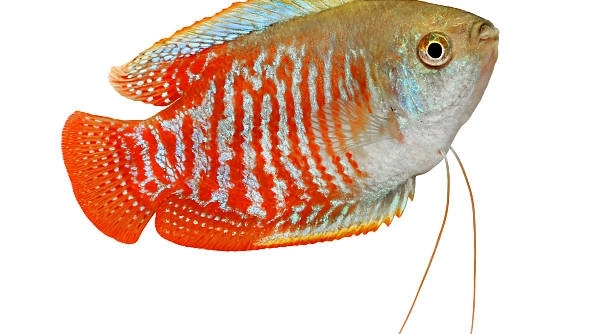
Do you ever find yourself watching your gourami swim and wondering if their movements mean something more than just exercise?
Gourami exhibit specific behaviors leading up to nest building, such as blowing bubbles, patrolling certain areas, and interacting more frequently with their surroundings. These motions signal readiness to breed and prepare for the nesting process.
Understanding these behaviors can help you support their nesting needs and create a more suitable environment for successful breeding.
Watching the Surface for Bubble Blowing
One of the first motions you’ll notice before gourami begin nest building is bubble blowing at the water’s surface. Male gourami usually start forming a cluster of tiny bubbles using saliva and air. This bubble nest is essential for protecting fertilized eggs. You might also see them choosing calm corners or areas near floating plants, which offer shelter for the nest. They become more focused and deliberate in this activity, blowing repeatedly and inspecting the area often. It’s a clear signal that nest-building is underway. Providing floating materials like plant leaves can help support this process.
This action is usually done in quiet water with very little movement, so a calm tank setup is ideal.
Once the bubble nest begins to grow, the male becomes more territorial. He may chase other fish away from his chosen spot. This behavior shows he’s ready to defend the nest and begin the mating phase.
Increased Swimming Near the Surface
You may notice your gourami spending more time swimming just under the surface. This usually means the nest site has been chosen.
As they prepare to build, male gourami begin scouting the top layers of the tank. They make slow, deliberate laps around possible nesting spots, especially in calm areas with floating leaves or plant debris. This movement isn’t random. It’s part of the decision-making process. Once a spot is picked, the bubble-blowing starts. Swimming near the surface also allows the male to keep an eye on the nest and chase away any tank mates that get too close. This period can last for hours or even days. You might also see some side-by-side swimming with a female, which is another early sign of courtship. During this time, it’s best not to rearrange the tank or disturb the surface too much. Keeping the area stable allows the gourami to continue building and maintaining the nest without unnecessary stress.
Repeated Patrolling of a Specific Area
Male gourami often patrol a particular area of the tank once they’ve selected a spot for their bubble nest. This behavior includes swimming back and forth, frequently circling or pausing to inspect the space.
This repetitive motion helps the male mark his territory and keep it secure for nest building. He may become more aggressive toward other fish, especially if they get too close to the chosen area. This isn’t random pacing—it’s a sign of territorial behavior tied directly to nest preparation. You might notice him nudging floating debris or even trying to move small objects out of the way. These subtle actions are part of clearing and securing the area for the bubble nest. This behavior can go on for quite some time until he feels the space is just right for the next phase. It’s best to avoid disrupting the tank during this period to keep stress levels low.
Once the patrolling becomes more focused, the male often begins nest construction shortly after. His movements stay centered on that one spot. You might see him blowing bubbles in between laps. Any fish that tries to enter the area will likely be chased away quickly. This territorial phase is normal and signals he’s almost ready to attract a female. Keep a close eye on the tank’s conditions. Quiet surroundings and warm temperatures can help encourage him to move forward with nest building.
Following and Displaying Toward the Female
If a female is present, the male gourami will start following her closely while showing off more vibrant colors and flaring his fins. These displays are part of his courtship behavior.
The male often circles the female slowly and stays close as she swims around the tank. He may begin to gently nudge her side or try to guide her toward the nesting area. This can go on for hours, depending on how receptive she is. If she’s ready, she’ll respond by swimming slowly and staying near him, sometimes even helping him blow bubbles. This motion and back-and-forth signals that spawning is likely to happen soon. It’s important not to interfere at this point, as any sudden movements or tank disruptions can halt the process. Let them interact naturally and provide calm lighting and steady temperatures. This helps keep both fish comfortable and focused.
Mouth Movements and Bubble Adjustments
The male gourami will start using his mouth to adjust and repair the bubble nest. He might pop weak bubbles and replace them with stronger ones, ensuring the nest structure is stable and well-formed.
These mouth movements are frequent and deliberate. You’ll often see him rising to the surface, blowing bubbles, then returning to inspect the nest. This cycle can repeat many times during the day.
Chasing Other Fish Away
As nesting continues, the male becomes more protective. He actively chases other tank mates away from the nest site, sometimes with quick bursts of speed.
This chasing is part of his effort to secure the area and reduce any threats. It’s common and typically not harmful to other fish.
Hovering Under the Nest
Once the nest is built, the male often stays directly underneath it. He hovers calmly, making sure it stays intact and that the area remains undisturbed.
FAQ
How long does it take for a gourami to build a bubble nest?
The time it takes varies, but most male gourami can build a basic nest in just a few hours. Some may spend a full day adding and adjusting bubbles, especially if the tank is calm and the surface is still. If the water is disturbed often or the tankmates are active, it may take longer. Nest building is usually quicker when the male is healthy, the water is warm (around 78–82°F), and there’s enough plant material to support the bubbles. A complete nest might be done in one day, but small repairs can continue afterward.
Does the female help with nest building?
No, the female gourami does not help build the bubble nest. Nest building is handled entirely by the male. He chooses the site, blows the bubbles, and maintains the structure. The female’s role comes later—after the nest is ready, she may inspect it, and if receptive, begin the spawning process. During that time, she might stay nearby or even hover around the nest, but she doesn’t add to it or repair it. Once eggs are laid, the male also takes care of placing them in the bubbles and guarding them while the female usually moves away.
Can multiple males build nests in the same tank?
Yes, if the tank is large enough and offers multiple calm areas, more than one male may attempt to build a nest. However, this often leads to territorial disputes. Each male will likely pick a corner or side of the tank and guard it aggressively. If space is too tight, one male might dominate and prevent the other from building. It’s better to house males separately or in a tank that’s well-planted and spacious enough to allow distinct zones. Keeping them in separate tanks also helps reduce stress and injury from fighting.
What should I do if the bubble nest keeps popping?
If the nest isn’t staying intact, check the tank’s surface conditions first. Strong water currents, filters with high flow, or air stones can easily break the bubbles. Lowering the filter output or turning off surface disruptors can help. Also, make sure the water is warm and soft—bubbles hold better in these conditions. Adding floating plants like water lettuce or plastic plant rings can give the bubbles something to stick to, improving the nest’s strength. Regular water changes help keep the tank clean, which also supports healthy bubble production.
Is it okay to remove the female after spawning?
Yes, and it’s actually recommended. After spawning, the male becomes very protective of the nest and eggs. He may chase or nip at the female to keep her away. Removing her from the tank helps reduce stress and injury. The male takes over full care of the eggs and will place them into the nest if they fall. He guards them closely until they hatch, which usually happens within 24 to 36 hours. Once the fry begin to swim freely, the male can also be removed if necessary.
What happens if there’s no female present?
A male gourami can still build a bubble nest even without a female. This is normal and often happens when conditions in the tank are ideal—calm water, proper temperature, and good food. It’s a natural instinct and doesn’t mean the fish is stressed. He may keep maintaining the nest for a while, but eventually, it will be abandoned if no female is introduced. You don’t need to remove the nest unless it starts to fall apart and affect water quality. Letting him build one occasionally is healthy and harmless.
Do all gourami species build bubble nests the same way?
Most labyrinth fish, including dwarf gourami, pearl gourami, and three-spot gourami, build bubble nests using similar methods. However, nest size and structure can vary by species. Some build thick, wide nests covering large surface areas, while others make small, tightly packed bubbles. The general behavior—surface swimming, patrolling, and nest guarding—is consistent. Wild species might incorporate more plant material than domestic ones, depending on what’s available in their environment. If you’re keeping a less common gourami species, it’s helpful to research its specific breeding habits.
Should I remove the bubble nest after the fry hatch?
Once the fry become free-swimming, usually 2–3 days after hatching, the bubble nest often starts to break down on its own. You don’t need to remove it immediately. However, once the fry are swimming away from the nest and feeding independently, it’s safe to gently clean any remaining debris. Removing the male at this point is also recommended, as his protective behavior may no longer be needed. Start feeding the fry with tiny food like infusoria or liquid fry food, and keep the tank quiet and warm to support healthy growth.
Final Thoughts
Bubble nest building is a natural behavior for male gourami. It’s a sign that the fish is healthy, feels secure, and is ready to breed. The nest itself is made from bubbles that the male blows at the water’s surface. These bubbles are often grouped in one spot, usually under a leaf, floating plant, or corner of the tank. The male may spend hours adding bubbles and shaping the nest. If conditions are right—calm water, warm temperature, and good tank setup—this process can go smoothly. Even without a female present, some males will still build nests, which is completely normal.
Watching your gourami build a bubble nest can be interesting. It gives you a look at the fish’s natural instincts. If you’re planning to breed gourami, the nest is the first step in the process. After the female lays the eggs, the male takes care of them by placing them into the bubbles. He will guard the nest and keep it clean. This role continues until the fry hatch and start to swim on their own. Once the fry become active, it’s best to remove the male to keep the young fish safe. Throughout the process, make sure the tank stays stable and quiet.
There’s no need to worry if your male gourami doesn’t build a nest right away. Some fish take longer, while others may never do it unless a female is nearby. Just keep the tank clean, avoid strong water movement, and offer floating plants or surfaces that help support bubbles. Also, avoid stressing the fish by moving decorations or disturbing the surface. If the nest gets damaged, the male will usually try to fix it. In general, bubble nest building is a good sign that your fish is doing well. It’s something that happens naturally when the environment supports it, so small changes to lighting, temperature, or surface calmness can make a difference.

Hello,
If you enjoy the content that we create, please consider saying a "Thank You!" by leaving a tip.
Every little bit helps us continue crafting quality advice that supports the health, happiness, and well-being of pets around the world, for pets of all shapes, sizes, and species.
We really appreciate the kindness and support that you show us!