
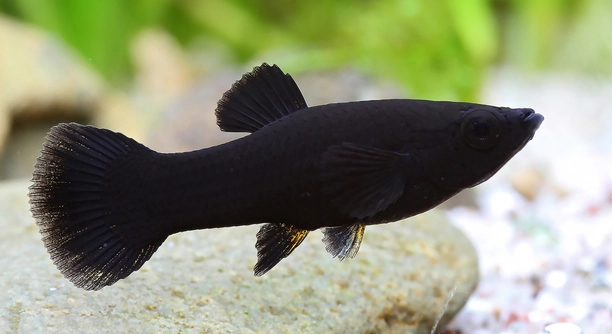
Black Molly Fry are small, delicate fish that need proper care to thrive in home aquariums. Many hobbyists enjoy raising them but notice their growth can be slower than expected under certain conditions.
Growth in Black Molly Fry is limited by factors such as water quality, temperature, nutrition, overcrowding, genetics, disease, and stress. Each factor can negatively impact development, resulting in stunted growth if not properly managed in their environment.
Identifying and managing these factors can significantly improve the health and growth of your fry over time.
Water Quality
Maintaining clean water is essential for Black Molly Fry to grow properly. Dirty or contaminated water can slow development and even cause illness. Regular water changes help remove waste, uneaten food, and toxins that accumulate over time. Using a good filter helps keep water clear, but it should not create a strong current that stresses the fry. Testing water parameters such as pH, ammonia, nitrite, and nitrate ensures they stay within safe ranges. Black Molly Fry thrive in slightly alkaline water with stable conditions, so sudden changes can shock them and limit growth. Temperature fluctuations can also interact with water quality issues, making fry more vulnerable. Even small amounts of chlorine or heavy metals can harm fry, so using a water conditioner is important. Over time, maintaining optimal water quality not only supports growth but strengthens the immune system, reducing the risk of disease outbreaks that could stunt development. Proper tank maintenance is a daily responsibility that pays off with healthier, faster-growing fry.
Keeping water clean consistently will help fry develop steadily and avoid growth setbacks.
Regular monitoring and timely adjustments of water conditions make a significant difference. Consistent attention to cleaning, testing, and stabilizing water parameters ensures that the fry are not exposed to harmful toxins or sudden environmental changes. Small tanks require more frequent maintenance, as waste builds up quickly. Filters must be cleaned carefully to avoid disturbing beneficial bacteria, which are critical for breaking down ammonia and nitrites. Temperature stability also plays a role in water quality; using a heater and monitoring with a thermometer can prevent stress. Maintaining a schedule for partial water changes—around 20 to 30 percent weekly—is effective for small fry tanks. Combining filtration, water conditioning, and consistent monitoring provides a balanced environment where fry can grow at their full potential. Observing fry behavior and appearance can indicate if water conditions are optimal. Healthy fry swim actively, feed regularly, and show even coloration. By prioritizing water quality, you create a stable and safe environment that encourages steady growth.
Nutrition
Proper nutrition is a major factor in fry development. Fry require small, frequent feedings with nutrient-rich foods. Poor diet slows growth and weakens immunity.
Balanced diets that include high-quality flake food, micro-pellets, and live or frozen foods provide essential proteins and vitamins. Overfeeding can pollute the water, so careful portions are necessary.
Black Molly Fry need proteins for growth and healthy tissues. Baby brine shrimp, finely crushed flakes, and specialized fry food support their rapid development in the early weeks. Feeding multiple small portions throughout the day ensures that all fry get access to food without fouling the water. Avoid giving adult-sized pellets, which are too large and difficult to digest. Variety in diet strengthens immune systems, prevents deficiencies, and supports strong fins and coloration. Inadequate nutrition can lead to stunted growth, deformities, or higher susceptibility to disease. Monitoring how much the fry consume and adjusting portions accordingly is essential. As fry grow, gradually introducing larger food types prepares them for adult feeding. Paying attention to feeding habits and quality ensures your fry reach their potential size efficiently.
Temperature
Black Molly Fry grow best in stable temperatures between 24°C and 28°C. Sudden drops or spikes can stress them, slowing growth and increasing susceptibility to disease. Using a reliable heater and thermometer helps maintain a consistent environment for healthy development.
Temperature directly affects metabolism and growth rates. Fry in cooler water eat less and develop slowly, while overly warm water can increase activity but reduce oxygen levels, stressing their bodies. Consistent warmth supports digestion, immune function, and overall vitality. Even a few degrees’ fluctuation over several hours can impact growth. Monitoring the tank daily and adjusting the heater or room conditions prevents temperature shocks. Small tanks are more prone to rapid temperature swings, so careful observation is essential. By keeping conditions stable, fry grow steadily and remain active, feeding well without showing stress signs.
Maintaining a steady temperature also reduces disease risk. Fry with stable heat are less prone to infections, swim normally, and develop evenly, giving them a better chance to reach full size. Observing behavior can indicate whether adjustments are needed.
Overcrowding
Overcrowding reduces growth by increasing competition for food and space. Crowded tanks also raise waste levels, worsening water quality and stressing fry.
High population density limits access to food and creates constant stress. Fry in crowded tanks may hide, swim less, or be chased by larger siblings. This stress reduces feeding efficiency and slows growth, sometimes causing deformities or delayed development. Overcrowding can also weaken immune systems, making fry more susceptible to common tank illnesses. Separating fry into smaller groups or using breeding boxes ensures each fish has enough space to swim, feed, and grow without unnecessary stress. Proper tank management prevents stunting and promotes healthy social behavior. Observing tank activity helps identify when splitting groups is necessary to maintain growth rates and overall well-being.
Managing population density carefully supports optimal growth and survival. When fry have enough room and minimal stress, they feed more consistently, develop evenly, and show stronger vitality.
Genetics
Genetics play a role in how quickly Black Molly Fry grow. Some fry inherit slower growth traits from their parents.
Even with perfect care, genetically predisposed fry may develop smaller or more slowly. Observing family lines can help select faster-growing fry for future breeding.
Disease
Disease can stunt growth in fry. Infections weaken their immune systems and reduce feeding efficiency.
Healthy fry are less prone to illness, but poor water quality or stress increases risks. Quarantining new fish and maintaining a clean environment helps prevent outbreaks and supports steady growth.
Stress
Stress negatively affects growth and overall health. Fry exposed to constant disturbances or aggressive tankmates eat less and develop slowly.
How can I improve water quality for my Black Molly Fry?
Keeping water clean is the most important step for healthy growth. Perform regular water changes of 20–30 percent weekly to remove waste and toxins. Use a gentle filter to maintain clarity without stressing the fry. Testing pH, ammonia, nitrite, and nitrate regularly ensures conditions remain safe. Treat tap water with a water conditioner to remove chlorine and heavy metals. Avoid overfeeding, as leftover food quickly pollutes the water. Observing fry behavior can indicate water problems; sluggish or erratic swimming often signals poor quality. Consistent maintenance keeps fry healthy and supports steady growth.
What is the best diet for Black Molly Fry?
Fry need nutrient-rich foods in small, frequent portions. Baby brine shrimp, finely crushed flakes, and specialized fry food provide essential proteins and vitamins. Multiple feedings each day prevent competition and ensure all fry have access to nutrition. Avoid adult-sized pellets, which are hard to digest. Maintaining a balanced diet strengthens immune systems, supports healthy tissue development, and encourages proper coloration. Overfeeding can worsen water quality, so portions must be controlled carefully. A varied diet reduces the risk of deficiencies and helps fry grow faster. Paying attention to feeding habits ensures the fry receive enough nutrition without compromising their environment.
How important is tank temperature for growth?
Temperature directly affects metabolism and overall health. Maintaining water between 24°C and 28°C provides optimal conditions for Black Molly Fry. Sudden changes can slow growth, weaken the immune system, and increase stress. Use a reliable heater and thermometer to ensure stability. Avoid placing tanks near drafts, windows, or heat sources that could cause fluctuations. Consistent warmth helps fry digest food properly and maintain energy levels. Small tanks are particularly sensitive to temperature swings, so daily monitoring is recommended. Keeping temperature stable also reduces susceptibility to disease and promotes even development.
Does overcrowding affect fry growth?
Yes, overcrowding limits access to food and increases stress. High density creates competition, leading some fry to eat less. Overcrowded tanks also accumulate more waste, worsening water quality and slowing growth further. Separating fry into smaller groups or using breeding boxes can prevent these issues. Providing enough space allows each fry to swim, feed, and develop normally. Observing interactions helps identify if population density is affecting health. Managing overcrowding ensures more consistent growth, stronger immune systems, and reduces behavioral stress among fry. Proper space is essential for healthy development.
Can genetics influence growth rate?
Genetics can affect how quickly fry develop. Some fry inherit slower growth traits, even under ideal conditions. Observing family lines and selecting faster-growing fry for breeding can help improve future generations. While care and environment are important, genetic predispositions will still play a role in size, coloration, and growth patterns. Understanding this can help set realistic expectations for development. Breeding strategies can gradually improve growth rates over time, but some variation is always natural.
How does disease impact fry development?
Diseases weaken fry, reducing feeding efficiency and slowing growth. Common infections include bacterial or fungal outbreaks, often caused by poor water quality or stress. Quarantining new fish, maintaining clean tanks, and treating symptoms early can prevent widespread problems. Healthy fry with minimal disease exposure grow faster and develop evenly. Monitoring behavior, appetite, and physical appearance helps detect early signs of illness. Prompt action and preventative care are crucial to maintaining healthy fry populations.
What role does stress play in growth?
Stress reduces feeding, slows metabolism, and weakens immunity. Fry can become stressed from aggressive tankmates, constant disturbances, or poor environmental conditions. Providing hiding spots, maintaining stable water quality, and avoiding overcrowding minimizes stress. Observing behavior allows you to identify stressed fry before growth is affected. Less-stressed fry feed more consistently, develop evenly, and show better coloration. Managing stress is as important as nutrition and water quality in promoting healthy growth and overall survival rates.
How can I tell if my fry are growing properly?
Healthy fry swim actively, feed regularly, and show even coloration. Sluggish behavior, stunted size, or abnormal shapes may indicate water, dietary, or stress issues. Measuring growth over time and keeping notes on feeding and water changes helps track progress. Regular observation allows for early intervention when problems arise. Consistent care, proper nutrition, and a clean environment support normal growth and reduce the risk of developmental problems.
Black Molly Fry require careful attention to thrive and grow properly. Many factors affect their development, including water quality, temperature, nutrition, overcrowding, genetics, disease, and stress. Each of these plays an important role in determining how fast and healthy the fry grow. Consistently maintaining clean water is essential, as poor water quality can lead to slow growth, weakened immunity, or even death. Using a gentle filter, performing regular water changes, and monitoring ammonia, nitrite, nitrate, and pH levels ensures a safe environment. Small tanks require extra attention, since waste accumulates faster and temperature changes happen more quickly. A stable environment allows fry to feed normally, swim actively, and develop strong bodies without unnecessary stress. Even small adjustments, like removing leftover food or conditioning tap water, can make a noticeable difference in their growth and overall health.
Nutrition is equally critical for fry development. Black Molly Fry need foods that are rich in protein, vitamins, and minerals to support rapid growth. Baby brine shrimp, finely crushed flakes, and specialized fry food provide the essential nutrients they cannot get elsewhere. Feeding multiple small portions throughout the day ensures every fry gets access to food and prevents competition. Overfeeding should be avoided, as it pollutes the water and can slow growth indirectly by creating harmful conditions. A varied diet also strengthens the immune system and encourages proper coloration, fin development, and energy levels. Observing feeding behavior is an important way to gauge whether fry are getting enough nutrition. If some fry are eating less, adjusting portions or separating them into smaller groups can help ensure all fish have the chance to grow evenly. Proper nutrition, combined with clean water and a stable environment, forms the foundation for healthy fry development.
Stress, genetics, and disease also play major roles in fry growth. Even with perfect water and diet, genetically predisposed fry may grow slower than others, and some may develop smaller than their siblings. Stress from overcrowding, aggressive tankmates, or sudden environmental changes can slow metabolism and reduce feeding efficiency. Disease outbreaks, often caused by poor water conditions or weak immune systems, further limit growth. Managing stress, monitoring behavior, and separating fry when necessary can reduce these negative effects. Quarantining new fish and keeping a clean, well-maintained tank prevents infections from spreading. By carefully balancing all these factors, Black Molly Fry have the best chance to grow steadily, develop evenly, and reach their full potential in size and health. Paying attention to these details may take effort, but the results are rewarding, with healthier, more active fry that thrive in your care.

Hello,
If you enjoy the content that we create, please consider saying a "Thank You!" by leaving a tip.
Every little bit helps us continue crafting quality advice that supports the health, happiness, and well-being of pets around the world, for pets of all shapes, sizes, and species.
We really appreciate the kindness and support that you show us!