
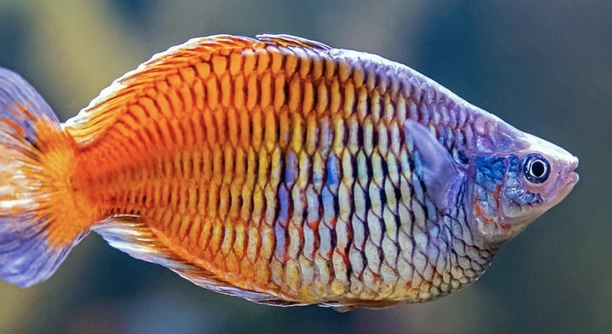
Are your rainbow fish acting a little strange? If you’ve noticed some odd behavior in your aquarium, it might be time to check the water. These fish can be quite sensitive, and water quality plays a huge role in their health.
Water tests are crucial when rainbow fish act oddly. Key tests include checking for ammonia, nitrite, nitrate, pH, hardness, and temperature. These factors can help pinpoint any issues that may be affecting your fish’s behavior.
By running these tests, you can uncover underlying water quality problems. Understanding how each factor impacts your rainbow fish will help you create a safer, healthier environment for them.
Ammonia Levels and Fish Behavior
Ammonia is toxic to fish, and even low levels can cause problems. Rainbow fish, like most aquatic creatures, are sensitive to ammonia. High ammonia levels can lead to symptoms like lethargy, erratic swimming, or fading colors. If you notice these signs, it’s essential to check ammonia levels right away. This compound can build up in the water when fish waste or uneaten food decomposes. Regular water changes and proper filtration are key to preventing ammonia spikes. You should aim to keep ammonia levels at 0 ppm to ensure a healthy environment for your fish.
Test kits for ammonia are widely available and easy to use. With regular testing, you can prevent dangerous buildups and protect your fish.
High ammonia levels can cause more than just behavioral changes. It can also harm your fish’s gills and skin. Prolonged exposure may lead to serious health issues, such as infections. The best way to manage ammonia is by maintaining a clean tank and using a reliable filtration system. Keep your aquarium well-maintained and conduct regular tests to avoid toxic buildup.
Nitrite and Nitrate Concerns
Nitrites and nitrates are common byproducts of the nitrogen cycle. While nitrates are less harmful than nitrites, they still need to be monitored. High nitrite levels can lead to oxygen deprivation, causing stress and unusual swimming patterns. Nitrate levels above 40 ppm can affect your rainbow fish’s health over time. It’s crucial to keep nitrite levels at 0 ppm, and nitrates below 20 ppm. Regular water changes are effective at managing both.
When testing, be sure to separate nitrites and nitrates to identify potential issues early. Keep track of these levels regularly.
High nitrite levels interfere with your fish’s ability to absorb oxygen. Symptoms like gasping at the surface or staying near the filter might be signs of nitrite poisoning. On the other hand, while nitrate poisoning is less immediate, chronic exposure can cause long-term health problems, such as poor growth or decreased immunity. To prevent this, clean your aquarium frequently and ensure good filtration. Regularly monitor the water quality to avoid high levels of these harmful compounds. Keeping nitrites and nitrates under control will help your rainbow fish thrive.
pH Levels and Fish Health
The pH level in your aquarium influences fish behavior and health. Rainbow fish prefer slightly acidic to neutral water, with a pH range of 6.5 to 7.5. If the pH is too high or low, it can cause stress, leading to erratic swimming or hiding. Keeping pH stable is key.
Fluctuating pH can be particularly stressful. When water pH shifts suddenly, fish can’t adjust quickly. If this happens, rainbow fish might become more vulnerable to disease and show signs of discomfort, like excessive darting or lethargy. Regular testing and gradual adjustments are crucial for maintaining a stable environment.
Sudden pH swings can disrupt the natural balance of your aquarium. For rainbow fish, stable water conditions are vital for long-term health. It’s important to make changes to pH gradually, as a sudden drop or rise can stress them even further. Using a reliable water conditioner can help prevent pH spikes. Maintaining a steady pH range is crucial for preventing health issues.
Hardness and Water Quality
Water hardness, which refers to the mineral content in your tank, affects your fish’s overall well-being. Rainbow fish thrive in soft to moderately hard water. The ideal hardness is typically between 4 and 12 dGH. If your water is too hard, it can cause stress and health problems for your fish.
Hard water is often high in calcium and magnesium, which can impact the fish’s ability to regulate minerals in their bodies. Fish that are exposed to hard water may show symptoms like faded colors or erratic swimming. Softening the water is sometimes necessary for optimal conditions. You can adjust hardness by using demineralized water or specific additives designed for aquariums.
While soft water is generally preferred, rainbow fish can tolerate moderately hard water as long as it’s consistent. Sudden changes in water hardness can cause them stress, leading to signs like gasping or poor feeding behavior. Regular testing of water hardness is essential for keeping your fish comfortable and healthy. Regular maintenance of your aquarium’s hardness will ensure that the water remains within the ideal range for your rainbow fish.
Temperature and Fish Behavior
Rainbow fish need stable temperatures to stay healthy. The ideal water temperature for them is between 75°F and 80°F. If the water is too cold or too warm, they may become stressed and show unusual behaviors like rapid swimming or hiding. Consistency is essential.
A fluctuating temperature can lead to a weakened immune system, making your fish more vulnerable to illness. It’s important to keep the tank temperature steady to avoid stress. Use a reliable aquarium heater with a thermometer to monitor and maintain the temperature in your tank. Keeping it within the ideal range will help your rainbow fish thrive.
Oxygen Levels in the Aquarium
Low oxygen levels can be dangerous for fish. If rainbow fish are not getting enough oxygen, they may swim near the surface or gasp for air. Proper aeration and water circulation are essential for maintaining healthy oxygen levels. A good filter or air pump helps prevent oxygen depletion.
If the oxygen level drops too low, fish may become sluggish, and their colors could dull. This could also lead to other health problems, like difficulty breathing. Adding plants to your tank can also help improve oxygen levels, as they naturally produce oxygen during the day. Monitoring oxygen levels regularly can prevent long-term harm.
Lighting and Rainbow Fish
Rainbow fish need a balanced light cycle for optimal health. Bright, consistent lighting helps them maintain their vibrant colors. However, too much light can stress them out, leading to behavior changes like hiding or aggression. Aim for about 10-12 hours of light per day.
Too much light, especially without enough hiding spots, can lead to algae growth and disrupt the fish’s natural rhythm. Maintaining a balanced light cycle will help your rainbow fish feel more secure and comfortable in their environment. Ensure they have spaces to retreat to if they feel overwhelmed by the light.
FAQ
How do I know if my rainbow fish are stressed?
Rainbow fish show signs of stress in different ways. Common symptoms include rapid swimming, staying at the water’s surface, hiding more than usual, or showing dull colors. If your fish are showing these behaviors, it’s a good idea to check water conditions like temperature, pH, and ammonia levels to rule out environmental causes.
What causes rainbow fish to lose their color?
When rainbow fish lose their vibrant colors, it’s often a sign of stress or poor water quality. Factors like high ammonia, nitrites, or incorrect pH can cause this. It could also be related to poor nutrition or insufficient lighting. If your fish are dull, check their environment and diet.
Can rainbow fish survive in cold water?
Rainbow fish are tropical fish and prefer warm water temperatures. They thrive best in temperatures between 75°F and 80°F. If the water is too cold, they can become stressed, sick, or inactive. Keeping your aquarium at the correct temperature is crucial for their well-being.
Why do rainbow fish swim erratically?
Erratic swimming can be a sign of water quality issues, especially if the ammonia, nitrite, or nitrate levels are too high. It could also indicate stress from fluctuating water temperature, poor oxygen levels, or even overcrowding in the tank. Testing the water and adjusting the conditions can often help resolve this issue.
How often should I test my aquarium water?
It’s important to test your aquarium water at least once a week. Key parameters to check include ammonia, nitrites, nitrates, pH, and hardness. If you notice any abnormal fish behavior, test the water immediately to identify potential issues. Regular testing helps you maintain a healthy environment for your rainbow fish.
Can I keep rainbow fish with other species?
Rainbow fish are generally peaceful and can live with many other species, as long as they’re not aggressive. They do well in community tanks, especially with other peaceful fish like tetras, corydoras, or livebearers. Just make sure that all species in the tank have similar water condition needs.
How long do rainbow fish live?
Rainbow fish typically live for about 5 to 8 years, depending on their care and environment. Proper water quality, nutrition, and a stable tank environment can help extend their lifespan. It’s also important to avoid overfeeding, as this can lead to health problems that shorten their life expectancy.
What should I feed my rainbow fish?
Rainbow fish are omnivores, and their diet should include a mix of high-quality flake food, pellets, and live or frozen foods like brine shrimp, daphnia, or bloodworms. Offering a variety of food helps ensure they get all the necessary nutrients. It’s also important to avoid overfeeding, as leftover food can pollute the water.
How do I improve water quality for my rainbow fish?
Improving water quality starts with maintaining a proper filtration system. Regular water changes (at least 25% every two weeks) are crucial for keeping ammonia and nitrites in check. You can also add live plants to help absorb excess nutrients and improve oxygen levels in the tank. Test the water regularly to ensure all levels are within the ideal range.
Can rainbow fish breed in a home aquarium?
Yes, rainbow fish can breed in a home aquarium, though it might require some attention to detail. They prefer soft, slightly acidic water for breeding. It’s best to keep breeding pairs in a separate tank with fine-leaved plants or spawning mops where the females can lay their eggs. After spawning, remove the adults to protect the eggs.
Why do my rainbow fish hide all the time?
Rainbow fish hiding could be a sign of stress. Check for possible issues like aggressive tank mates, poor water quality, or improper lighting. Sometimes, if they’re not feeling secure, they will seek shelter. Providing plants or decorations for hiding spots can help them feel more comfortable.
Is it safe to use tap water for my rainbow fish?
Tap water can be used, but it often contains chlorine, chloramine, or minerals that might not be ideal for your fish. Always use a water conditioner to neutralize chlorine and chloramine. It’s also a good idea to test tap water for pH, hardness, and other factors to ensure it’s within the acceptable range for your rainbow fish.
Can rainbow fish handle high nitrate levels?
Rainbow fish can tolerate low levels of nitrates, but higher levels can cause stress and health issues over time. Nitrates above 40 ppm can weaken their immune systems and lead to poor growth or disease. Regular water changes and proper filtration help keep nitrate levels in check and protect your fish.
How can I tell if my rainbow fish are healthy?
Healthy rainbow fish will have bright, vibrant colors, swim actively, and show a normal appetite. They should be free from visible signs of illness, like spots, lesions, or labored breathing. Regular water tests and a proper diet will help maintain your fish’s health.
What is the best tank size for rainbow fish?
Rainbow fish need plenty of space to swim, and the minimum recommended tank size for a small group is 30 gallons. A larger tank is always better, as it helps maintain water quality and gives your fish more room to move around. They prefer to be in groups, so larger tanks provide space for socializing.
How can I reduce algae in my aquarium?
To reduce algae growth, limit light exposure to around 10-12 hours per day. Perform regular water changes, remove excess food, and consider adding algae-eating fish or invertebrates like snails. Keeping plants in the tank can also compete with algae for nutrients, helping to reduce its growth.
Do rainbow fish get along with shrimp or snails?
Rainbow fish are generally peaceful and can coexist with shrimp and snails. However, if the shrimp are too small, they may become a snack for the fish. It’s best to keep shrimp species that are larger or can hide well. Snails usually do fine in a tank with rainbow fish, as long as the fish aren’t overly aggressive.
Final Thoughts
Maintaining healthy rainbow fish requires attention to water quality and stability. Even small changes in the environment can affect their behavior and overall well-being. Regularly testing the water for ammonia, nitrites, nitrates, pH, and hardness helps ensure your fish are in a safe environment. By keeping track of water conditions, you can catch problems early and adjust before your fish show signs of stress. A stable tank environment is key for rainbow fish to thrive, so making sure their needs are met will help them live a long, healthy life.
In addition to water quality, temperature and lighting are essential factors. Rainbow fish prefer warm water, ideally between 75°F and 80°F, and they need consistent lighting to maintain their natural colors. Excessive light or temperature fluctuations can cause stress, which may lead to changes in behavior like hiding or swimming erratically. It’s also important to provide enough hiding spots or plants for your fish to retreat to when they feel overwhelmed. This gives them a sense of security, helping them adjust better to the aquarium environment.
Feeding your rainbow fish a varied and balanced diet will also improve their health and behavior. Rainbow fish are omnivores, so offering a mix of high-quality flake food, pellets, and live or frozen food like brine shrimp and bloodworms is essential. Overfeeding can cause water quality issues, so it’s important to provide only what they can consume in a few minutes. By paying attention to their feeding habits, water conditions, and general environment, you can ensure that your rainbow fish remain happy and healthy.

Hello,
If you enjoy the content that we create, please consider saying a "Thank You!" by leaving a tip.
Every little bit helps us continue crafting quality advice that supports the health, happiness, and well-being of pets around the world, for pets of all shapes, sizes, and species.
We really appreciate the kindness and support that you show us!