
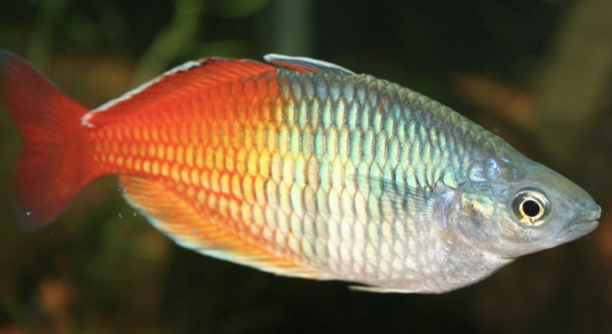
Rainbow fish are known for swimming together in tight formations. Their behavior often seems mesmerizing, especially when they follow each other in loops. Understanding why they engage in this repetitive motion can reveal interesting insights about their social dynamics.
Rainbow fish swim in loops as a part of their social behavior, often to maintain group cohesion and reduce the risk of predators. This looping behavior also helps them navigate their environment more efficiently while communicating with other fish in the group.
There is more to their looping behavior than meets the eye, from communication methods to survival instincts. Let’s explore the factors that contribute to this fascinating behavior.
Why Rainbow Fish Swim in Groups
Rainbow fish, like many species, thrive in groups, which provides safety from predators. Swimming together in loops helps maintain this group cohesion. These fish feel safer when they’re surrounded by others, creating a sense of security that reduces the likelihood of being picked off by predators. The circular swimming patterns are instinctive and help the fish stay connected with their group, ensuring that they don’t get separated. This also allows them to communicate through synchronized movements, signaling when to change direction or speed up.
Fish within a group often maintain a constant distance from each other while swimming in loops. This behavior allows them to move efficiently as a collective, almost as if they are a single entity. It’s an adaptive trait that maximizes safety and reduces energy expenditure.
In addition to survival, group swimming also helps with finding food. By staying in close-knit groups, rainbow fish can locate food sources quicker, improving their chances of survival. This behavior is not only about staying together but also about optimizing resources within their environment.
The Role of Predators
Predators play a major role in shaping the behavior of rainbow fish. When they feel threatened, fish instinctively swim together in tight formations to confuse or intimidate predators. This group behavior acts as a protective strategy.
Swimming in loops allows rainbow fish to move unpredictably, making it harder for predators to target a single fish. Predators often rely on visual cues to hunt, and the shifting, synchronized movements of a large group can overwhelm and disorient them. The more tightly knit the group, the less likely an individual fish is to be singled out.
By maintaining constant movement in a coordinated manner, rainbow fish reduce the chances of becoming prey. Even the simplest loop patterns can make the group appear larger and more intimidating, which can keep potential predators at bay.
The Science Behind Looping Behavior
Rainbow fish often follow each other in loops due to their natural instincts. This behavior is a survival mechanism designed to maintain group cohesion and reduce stress. By staying together in a synchronized pattern, they can react quickly to environmental changes or threats. The group can also help with finding food, increasing their chances of survival.
The looping behavior is influenced by their sensory systems, which are highly attuned to movement in the surrounding water. As each fish responds to the movements of those around it, they stay synchronized in their looping pattern. The fish use their lateral line, a sensory organ, to detect subtle changes in water pressure caused by the movements of other fish. This helps them stay in close formation, even as the group shifts direction. The consistent loop pattern is driven by instinctive behavior, ensuring that the group remains cohesive and that no individual fish gets left behind.
These loops also minimize the risk of injury or disorientation in a chaotic environment. The consistency of the movement allows each fish to remain aware of its surroundings, making it easier for them to avoid collisions or becoming trapped in tight spaces. Ultimately, this behavior is a critical aspect of their survival strategy.
Group Dynamics and Social Interaction
Rainbow fish exhibit complex social behaviors within their groups. They rely on non-verbal communication to coordinate their movements, with the looping pattern acting as a form of group communication. Each fish’s position within the group is influenced by the movement and actions of the others. This coordination helps them stay in sync, even when the environment changes or when a predator appears.
Fish within a group often exhibit specific roles, which vary depending on the circumstances. Some fish may act as leaders, initiating changes in direction or speed, while others follow. This dynamic allows for a fluid, adaptable swimming pattern. Each fish seems to intuitively know when to speed up or slow down to maintain the group’s cohesion. In addition, some fish may occasionally break away from the loop to explore or feed, but they will often return to the group when necessary.
The ability to communicate through synchronized movement increases the group’s efficiency. By staying together, rainbow fish can effectively patrol larger areas for food, reduce the likelihood of encountering predators, and create a more organized social structure. This kind of social interaction is essential for their survival in the wild.
How Rainbow Fish Navigate
Rainbow fish use their senses to navigate through the water. Their vision and lateral line system help them stay aligned with the group while swimming in loops. By reacting to subtle water movements, they adjust their speed and direction to maintain the group’s cohesion.
The lateral line detects water currents and vibrations, allowing rainbow fish to stay in sync. This sensory system helps them navigate without colliding with other fish. Their vision, too, is key in maintaining their place in the loop. They can see the movements of the fish around them and adjust accordingly, ensuring smooth, coordinated swimming. The combination of these sensory inputs creates a seamless, efficient navigation system that benefits the entire group.
The Benefits of Staying Together
Staying in a group offers several advantages to rainbow fish. It increases their chances of survival by reducing the likelihood of individual predation. Groups also make it easier to find food, as fish often share information about feeding grounds.
Groups also offer protection from environmental dangers. By sticking together, rainbow fish can better avoid obstacles and stay aware of threats. This group behavior is not just for survival but also for efficient resource use, making their swimming patterns both practical and adaptive.
Energy Efficiency in Group Swimming
Swimming in loops is also an energy-efficient method for rainbow fish. By maintaining a steady pace and following each other, they reduce the amount of effort required to swim. The current created by the group’s movement helps propel individual fish, saving them energy.
This efficiency is crucial for their survival, especially in environments where food is scarce or water currents are strong. By swimming in coordinated loops, rainbow fish conserve their energy for other vital functions like feeding, breeding, and escaping predators.
FAQ
Why do rainbow fish swim in loops?
Rainbow fish swim in loops to maintain group cohesion and ensure safety from predators. The loop pattern is instinctual and helps the fish stay together. By swimming in this manner, they can move as a coordinated group, making it harder for predators to target a single fish. This behavior is also tied to social interaction, as it allows the fish to communicate and react to each other’s movements.
How do rainbow fish communicate with each other?
Rainbow fish communicate through synchronized movements within the group. By staying in close formation, they can react quickly to changes in their environment or the presence of threats. This non-verbal communication allows the group to shift direction or speed up in unison, ensuring they stay together. The coordinated swimming also helps them maintain their place in the group, even when the environment changes.
Can rainbow fish swim alone?
While rainbow fish can swim alone, they are much more likely to thrive in groups. Swimming in groups provides safety, food-sharing opportunities, and helps with social behaviors. A lone rainbow fish might feel vulnerable to predators and could have a harder time finding food or mates. Therefore, they naturally prefer being part of a group for both survival and socialization.
Do rainbow fish ever break away from the group?
Occasionally, rainbow fish will break away from the group to explore or feed. However, they usually return quickly to rejoin the group. This behavior ensures that they don’t miss out on important social interactions or food-sharing opportunities. In some cases, fish may temporarily leave the loop, but they are always aware of the group’s position and will return when necessary.
What happens if a rainbow fish gets separated from the group?
If a rainbow fish becomes separated from the group, it may experience stress. Fish are highly social creatures, and being alone increases their vulnerability to predators. However, they can often reunite with the group quickly due to their keen sense of vision and their ability to detect vibrations in the water through their lateral line system. The fish will typically work to reestablish connection with the group for safety and social interaction.
Do rainbow fish always swim in loops?
While rainbow fish often swim in loops, they don’t always do so. They may swim in different formations or spread out when exploring or feeding. However, when they feel threatened or need to move quickly, they will often revert to looping behavior to reestablish cohesion and protect themselves from predators. This pattern is mostly seen when the fish are in large groups, especially in the wild.
How do rainbow fish avoid predators while swimming in loops?
The looping behavior of rainbow fish helps confuse and overwhelm potential predators. When swimming in synchronized loops, the fish create the illusion of a much larger and more intimidating group. This makes it harder for predators to focus on one individual fish. The coordinated movement also makes it difficult for predators to predict their next move, adding another layer of defense. The group works together to avoid becoming a target.
Can rainbow fish swim in other patterns besides loops?
Yes, rainbow fish can swim in other patterns, particularly when they are feeding or exploring. They may swim in straight lines, scatter, or swim in irregular paths when they need to search for food. However, when group cohesion is important or when there is a threat nearby, they revert to their looping pattern. Their ability to switch between different swimming patterns helps them adapt to changing conditions.
What do rainbow fish eat while swimming in groups?
While swimming in groups, rainbow fish will often find food sources more efficiently. They feed on a variety of foods, including algae, small invertebrates, and plankton. When in a group, they are able to communicate about the location of food, making it easier for the entire group to feed. Their synchronized swimming may also help them find food in areas where it’s abundant, as the group can cover more ground collectively.
Are there different types of rainbow fish that swim in loops?
Yes, there are different species of rainbow fish, and many of them exhibit similar looping behavior. Species like the Boeseman’s rainbow fish and the turquoise rainbow fish display this pattern. However, the behavior can vary slightly depending on their environment and social structure. Despite these differences, the instinct to swim in groups and maintain cohesion remains common across most rainbow fish species.
Final Thoughts
Rainbow fish exhibit unique and fascinating behaviors, especially when it comes to swimming in loops. This instinctual behavior serves many purposes, including protection from predators, maintaining social cohesion, and making it easier to find food. The group dynamics of rainbow fish are crucial to their survival in the wild. By staying in synchronized loops, they reduce the risk of getting separated and improve their chances of avoiding danger. The act of swimming in loops is a simple yet effective way for rainbow fish to stay safe and connected.
While it might seem like a random pattern, the looping behavior is actually highly organized. The fish use their senses, especially their vision and lateral line system, to stay in sync with one another. Each fish reacts to the movement of those around it, which creates a smooth and coordinated swimming pattern. This behavior is essential for their survival, as it allows the group to move together efficiently, whether they are avoiding predators or searching for food. The simplicity of their movements is what makes them so effective in the wild.
Understanding the reasons behind the looping behavior of rainbow fish helps us appreciate the complexity of their social interactions. Their ability to communicate and work together through movement is an important aspect of their lives. Whether for protection, food, or social bonding, rainbow fish rely on their group structure to thrive. The natural instinct to swim in loops is just one example of how animals have adapted to their environments to ensure their survival. This behavior, while simple on the surface, reflects the intricate ways in which rainbow fish interact with each other and their surroundings.

Hello,
If you enjoy the content that we create, please consider saying a "Thank You!" by leaving a tip.
Every little bit helps us continue crafting quality advice that supports the health, happiness, and well-being of pets around the world, for pets of all shapes, sizes, and species.
We really appreciate the kindness and support that you show us!