
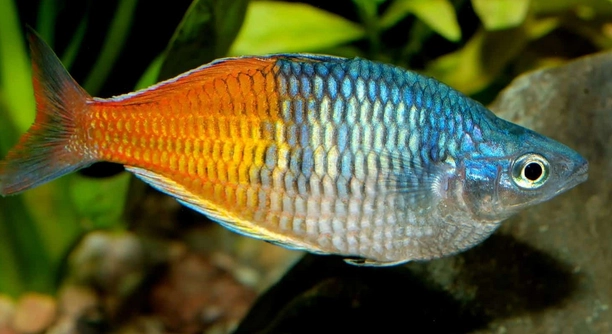
Rainbow fish are beautiful and colorful creatures that add life to any aquarium. However, their behavior can change when water conditions fluctuate. Understanding how these fish react to water changes can help ensure their health and happiness in your tank.
Rainbow fish are sensitive to water changes, and their reactions can range from increased stress to altered swimming patterns. Changes in water temperature, pH, or hardness can affect their activity, feeding habits, and overall well-being.
Water changes can have more of an impact on your rainbow fish than you might expect. It’s important to monitor and maintain the right conditions for their comfort and health.
1. Rainbow Fish and Water Temperature
Rainbow fish are very sensitive to temperature shifts. A sudden drop or increase in water temperature can cause stress, leading to sluggish behavior, lack of appetite, or hiding. When the water temperature changes too quickly, rainbow fish may not have enough time to adjust. This can weaken their immune systems, making them more vulnerable to diseases.
Temperature should remain stable, ideally between 75-80°F (24-27°C). A reliable heater and thermometer can help maintain a consistent environment. If you need to change the temperature, do it slowly over several hours, allowing the fish to adapt.
If your tank water becomes too cold or hot, rainbow fish might swim near the surface, where the temperature is more comfortable, or hide in cooler areas of the tank. Long-term exposure to unstable temperatures can cause permanent harm to their health, so it’s important to monitor the water temperature regularly.
2. Changes in pH Levels
Sudden changes in pH can stress rainbow fish. These fish prefer slightly acidic to neutral water, with a pH range between 6.5 and 7.5. Extreme swings in pH can make them feel uneasy or lead to illness.
Drastic shifts in pH levels can interfere with their biological processes. Rapid changes can be fatal, and rainbow fish might stop eating or exhibit erratic swimming behaviors. To keep your fish happy, use a pH meter or test strips regularly and make gradual adjustments if needed.
Consistency is key when it comes to water pH. Maintaining a steady pH helps your fish thrive and stay healthy. Adding buffers can help stabilize the pH and prevent large fluctuations.
3. Water Hardness and Rainbow Fish
Rainbow fish are sensitive to water hardness, which refers to the concentration of dissolved minerals, such as calcium and magnesium. Soft water or very hard water can affect their health, leading to stress, poor growth, or weakened immune systems. It’s important to keep the hardness levels stable.
The ideal water hardness for rainbow fish is between 5-15 dGH (degrees of general hardness). In soft water, the fish may experience difficulty in maintaining their internal balance, while very hard water can irritate their gills. Regular water testing helps you avoid significant fluctuations.
To manage water hardness, use water conditioners or mix tap water with purified water to achieve the proper levels. Gradually adjusting the hardness if necessary will help rainbow fish acclimate without causing them undue stress.
4. Ammonia and Nitrite Spikes
Ammonia and nitrite spikes are harmful to rainbow fish. These compounds result from waste accumulation and can cause serious health issues, including skin burns or respiratory distress. A properly maintained filtration system is essential for preventing these spikes in your aquarium.
Testing the water regularly for ammonia and nitrite levels is crucial. Ideally, ammonia and nitrite should both be at zero, and if levels rise, immediate action is needed. Rainbow fish are more susceptible to toxins in the water when their environment changes suddenly, leading to increased stress or illness. Water changes and adding filtration media that help remove these harmful substances are essential to protect the fish.
Properly cycling your tank before introducing rainbow fish is also key. This process establishes beneficial bacteria that break down waste, preventing harmful spikes in ammonia and nitrites. With regular maintenance and water checks, you can ensure your rainbow fish stay healthy and stress-free.
5. Fish Behavior After Water Changes
Rainbow fish often show noticeable changes in behavior after water changes. They may become more active or, conversely, more withdrawn depending on the quality of the new water. Stress from sudden changes can cause them to hide or become less interactive with their environment.
Rainbow fish are also more likely to swim erratically or show signs of discomfort if the water has been altered too quickly. It’s important to introduce changes gradually to avoid alarming your fish. If everything is done correctly, they may even appear more energetic as they adjust to the improved conditions.
Monitoring their behavior after a water change can help you gauge how well they are adapting. If they are stressed, consider adjusting the conditions more slowly next time.
6. Importance of Regular Water Testing
Regular water testing is a crucial part of maintaining a healthy environment for rainbow fish. Testing for ammonia, nitrites, nitrates, pH, and water hardness allows you to keep track of changes and address problems early. This is especially important after water changes.
When performing water tests, ensure you check the levels both before and after changing the water. Consistent testing can help you make adjustments as needed to avoid any negative effects on your fish. Regular checks prevent unnecessary stress and help you keep the water conditions stable.
7. Aeration and Oxygen Levels
Rainbow fish rely on adequate oxygen levels to thrive. After a water change, it’s essential to ensure your tank is properly aerated. Oxygen-rich water helps them breathe easily and stay healthy, especially if the tank volume is large or the water change is substantial.
FAQ
What are the signs that my rainbow fish are stressed after a water change?
Rainbow fish exhibit several signs of stress after a water change. They may hide, swim erratically, or stop eating. You might also notice them gasping for air at the water’s surface or rubbing against objects in the tank. These behaviors suggest they are not comfortable with the new water conditions. To help them recover, check the water parameters and make sure everything is within the ideal range for temperature, pH, and hardness. If these signs persist, gradually adjust the water conditions to help reduce their stress.
How often should I change the water in my rainbow fish tank?
Water changes for rainbow fish should generally be done every 1-2 weeks, depending on the size of the tank and the number of fish. Smaller tanks require more frequent water changes because the water quality deteriorates faster. In larger tanks, you might be able to go a little longer between changes. When you do change the water, replace about 20-25% to avoid stressing the fish with a sudden shift in water conditions. It’s important not to change too much water at once, as it can disrupt the fish’s environment.
Can rainbow fish survive in low oxygen environments after a water change?
Rainbow fish rely on adequate oxygen levels to survive, especially after a water change. If the oxygen levels drop too low, they may struggle to breathe and exhibit signs of distress, like swimming at the surface or rapid gill movement. To prevent low oxygen levels, ensure that your tank has good water circulation, either with a proper filtration system or an air pump. If you notice signs of oxygen deprivation, consider increasing aeration or adding live plants to help improve oxygen levels naturally.
Is it safe to add new fish right after a water change?
It’s generally safe to add new fish after a water change, as long as the water parameters are stable. In fact, doing a water change before introducing new fish can help ensure the tank’s environment is clean and healthy. However, you should wait until the new water has reached a stable temperature and has been properly adjusted for pH and hardness. Sudden changes in water chemistry can be harmful to both the new and existing fish. Always monitor your fish carefully for signs of stress after introducing them to the tank.
How can I prevent water quality issues after a water change?
To prevent water quality issues, always test the water before and after each change. This helps ensure that parameters such as pH, ammonia, nitrite, and hardness are within the appropriate ranges. Additionally, make sure to use a quality water conditioner to neutralize chlorine or chloramine in tap water. Regularly clean the filter and substrate to avoid debris build-up. A consistent cleaning routine, combined with periodic water tests, helps maintain stable conditions that promote fish health.
Can rainbow fish tolerate high levels of nitrates in the water?
Rainbow fish are sensitive to high levels of nitrates in the water. Although they can tolerate low levels, sustained exposure to high nitrate concentrations can lead to poor health, decreased immune function, and even death. It’s important to keep nitrate levels below 20-30 ppm for optimal fish health. Regular water changes, a proper filtration system, and avoiding overfeeding can help control nitrate levels. If nitrates remain high, consider adding more live plants to your tank to help absorb them naturally.
Why is my rainbow fish hiding after a water change?
Hiding after a water change is a common sign of stress in rainbow fish. It often happens when there are changes in water temperature, pH, or hardness that the fish are not yet accustomed to. Stress from sudden changes can make them seek shelter in plants or decorations. To help your fish adjust, ensure the water parameters are stable and within their preferred range. If the hiding continues for several days, check for any potential issues such as high ammonia or nitrites, and address them promptly.
How long does it take for rainbow fish to adjust to new water conditions?
Rainbow fish typically take a few hours to a few days to adjust to new water conditions. They will become more comfortable once they’ve had time to acclimate to the temperature, pH, and hardness levels. During this time, they might display signs of stress, like reduced activity or hiding, but they should gradually return to normal behavior. If you notice that the stress is prolonged, it may indicate an issue with the water conditions that requires immediate attention.
Should I use a water conditioner after every water change?
Yes, using a water conditioner after every water change is important, especially if you’re using tap water. Most tap water contains chlorine or chloramine, which can harm your rainbow fish. A good water conditioner will neutralize these harmful chemicals, making the water safe for your fish. Always follow the instructions on the conditioner bottle to avoid overuse. Even if your water source is already treated, it’s best to add a conditioner as an extra precaution for the health of your fish.
How can I prevent my rainbow fish from getting sick after a water change?
To prevent sickness after a water change, ensure that the water parameters are stable and fall within the ideal range for rainbow fish. Sudden shifts in temperature, pH, or water hardness can weaken the fish’s immune system, making them more susceptible to diseases. Avoid overfeeding and maintain a clean tank to reduce waste buildup. Additionally, introducing any new fish to the tank should be done cautiously, ensuring they are quarantined first to prevent the introduction of any pathogens. Regular water testing and good tank maintenance are key to preventing illness.
Final Thoughts
Maintaining the health of your rainbow fish requires careful attention to their environment. Water changes, while important for keeping the tank clean, can impact the fish if not done correctly. Understanding how your rainbow fish react to shifts in water temperature, pH, and hardness is crucial for their well-being. Keeping track of these factors helps prevent unnecessary stress and ensures your fish are comfortable in their environment.
When making water changes, it’s best to take things slowly. Gradual adjustments to water parameters, rather than sudden shifts, allow your rainbow fish to acclimate without causing undue stress. Regular testing of water quality, including ammonia, nitrite, nitrate levels, and pH, is essential to avoid spikes that can harm your fish. Adding a proper filtration system, aeration, and using water conditioners are all helpful steps in maintaining stable water conditions.
By staying vigilant and adjusting water quality when necessary, you can provide a healthier environment for your rainbow fish. Pay attention to their behavior, as it can be a direct indicator of how they’re reacting to changes. Whether you’re doing a routine water change or introducing new fish, a consistent and thoughtful approach will help your rainbow fish thrive in their tank for years to come.

Hello,
If you enjoy the content that we create, please consider saying a "Thank You!" by leaving a tip.
Every little bit helps us continue crafting quality advice that supports the health, happiness, and well-being of pets around the world, for pets of all shapes, sizes, and species.
We really appreciate the kindness and support that you show us!