
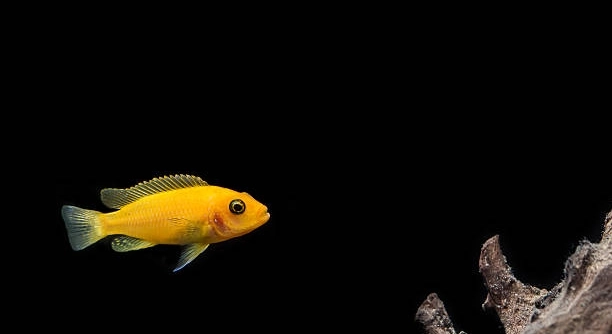
Keeping cichlids healthy requires more than just feeding them regularly. Monitoring water quality is essential, and many keepers often underestimate the importance of consistent testing. Small habits can make a big difference in maintaining a stable aquarium environment.
Regular water testing is crucial for cichlid care. Monitoring parameters such as pH, ammonia, nitrite, nitrate, and hardness ensures the environment remains safe and stable. Implementing consistent testing routines prevents stress, disease, and long-term health issues in captive cichlids.
Simple adjustments in testing frequency and method can dramatically improve your tank’s conditions. Understanding these habits will help keep your cichlids thriving in a healthy environment.
Test Water Parameters Consistently
Testing water regularly is the foundation of a healthy cichlid tank. Skipping tests can allow ammonia, nitrite, or nitrate levels to rise unnoticed, which stresses fish and can lead to illness. pH and hardness fluctuations also impact cichlid behavior and growth. I usually test my water twice a week, sometimes more if I notice any changes in my fish. Using reliable test kits and keeping a log helps track trends over time. Small adjustments, like partial water changes or adding buffers, become much easier when you have consistent data. Regular testing also builds confidence in your maintenance routine. It ensures that the environment remains stable, reducing sudden shocks to the fish. Many new keepers underestimate the importance of consistency, but over time, this habit becomes second nature. Keeping a steady schedule is easier than reacting to problems later.
Maintaining a testing schedule prevents sudden water issues. It allows proactive care and helps cichlids thrive with minimal stress.
Tracking results over weeks shows trends that inform tank adjustments. Noticing small changes early prevents larger problems. Properly recorded data also helps when consulting with other keepers or researching species-specific needs. Consistent testing fosters a stable and predictable environment, which cichlids respond to positively. Small variations, if left unchecked, can accumulate, affecting behavior and health. Observing patterns also helps identify the impact of feeding, cleaning, or adding new fish. Over time, the data becomes a reference guide for maintaining optimal conditions. It also reduces guesswork and allows more precise interventions. Experienced keepers rely on this habit to keep complex setups manageable. For multi-species tanks, testing consistency becomes even more critical. By combining careful observation with regular tests, you ensure your cichlids remain active, vibrant, and healthy.
Use Reliable Test Kits
Using high-quality test kits ensures accurate readings, which is vital for maintaining water conditions. Cheaper kits may give inconsistent or false results, leading to poor decisions regarding water changes or chemical adjustments. I switched to a trusted brand after noticing unexpected fish stress despite following standard care. Reliable kits provide precise ammonia, nitrite, nitrate, and pH readings, which are the main parameters for cichlid health. They are often easier to read, with clearer color charts and stable reagents, reducing the risk of misinterpretation. Consistency in the brand also helps when tracking changes over time. Using dependable kits removes doubt, making water maintenance simpler and less stressful. Regularly replacing outdated reagents or kits ensures continued accuracy. Investing in quality tools early saves time and prevents mistakes.
Reliable test kits eliminate uncertainty in water care, giving confidence in tank management.
Low-quality kits can give misleading results, causing unnecessary interventions or ignoring real problems. I experienced a situation where ammonia readings were unusually low with a cheap kit, yet fish showed stress. Switching to a reliable kit revealed spikes, prompting immediate water changes. Regular use of trusted kits provides consistent data, enabling precise adjustments without guessing. Accurate readings also help in balancing multiple parameters simultaneously, such as stabilizing pH while reducing nitrates. Consistency across tests allows proper tracking of changes after adding new fish or modifying feeding schedules. Over time, this habit creates a predictable maintenance routine, minimizing surprises. Accurate test results also reduce stress for both fish and keeper, ensuring healthier behavior and growth. Properly documented readings allow for better decision-making and reduce the risk of chronic water issues. This small change significantly improves the overall well-being of a cichlid tank.
Record Your Results
Keeping a written record of water tests helps identify trends and spot potential problems early. I note pH, ammonia, nitrite, nitrate, and hardness values each time I test. Over time, the log shows patterns that guide maintenance decisions.
Recording results allows comparison over weeks, revealing gradual changes that might be missed otherwise. When I added new fish, my logs helped determine how the tank reacted. Tracking changes after water changes or feeding adjustments also shows what works best. Logs reduce guesswork and provide clear evidence of stability or issues. Consistent documentation is especially useful for multi-tank setups or when referencing species-specific needs, giving confidence in long-term water management.
I also use my notes to predict when the next water change is needed. Patterns in readings often indicate whether the tank is stabilizing or if intervention is required. It’s a small habit that pays off by preventing stress and maintaining consistent water quality for all cichlids in the tank.
Test After Changes
Testing water after adding new fish or equipment prevents unexpected problems. I always check parameters after rearranging decorations or introducing filters. It ensures changes don’t create sudden imbalances.
Water parameters can fluctuate when making adjustments in the tank. Even minor changes, like adding rocks or increasing aeration, can affect pH or hardness. When I added a new filter, testing revealed a small ammonia spike that needed a partial water change. Monitoring after changes prevents issues from escalating. This habit ensures stability and keeps fish behavior normal. Testing after modifications allows immediate correction if levels shift unexpectedly.
I also test after feeding adjustments or changing water sources. For example, switching to a different water conditioner required careful monitoring. Patterns often appear quickly after changes, helping to determine if the new setup is compatible with the cichlids. Testing immediately after adjustments helps maintain a healthy, stable environment and avoids unnecessary stress for the fish. Tracking these reactions over time allows for more confident long-term decisions.
Test After Water Changes
Testing water after each change ensures levels remain stable. I always check ammonia, nitrite, nitrate, and pH immediately following partial water replacements. It helps confirm the new water hasn’t introduced unexpected imbalances.
Even small changes in water chemistry can stress cichlids. After every change, testing confirms parameters remain within safe ranges. I keep a consistent routine to avoid surprises and protect the fish.
Calibrate Your Test Kits
Regular calibration of test kits guarantees accurate readings. Over time, reagents can degrade, and color charts may fade. I replace or recalibrate kits periodically to ensure precise measurement, which is essential for maintaining stable water conditions. Accurate data allows better management of ammonia, nitrite, nitrate, and pH levels.
Avoid Over-Testing
Testing too frequently can cause unnecessary worry and minor disturbances in the tank. I focus on scheduled checks, especially after changes, rather than testing multiple times daily. This prevents stress for both the fish and myself.
FAQ
How often should I test my cichlid tank water?
I test my tank at least twice a week for key parameters like ammonia, nitrite, nitrate, pH, and hardness. Testing more often is helpful after adding new fish, changing decorations, or adjusting filtration. Regular checks keep the environment stable and prevent sudden issues.
Which parameters are most important to monitor?
Ammonia, nitrite, nitrate, and pH are critical. Hardness and alkalinity also matter for certain cichlid species. I focus on ammonia and nitrite first since they are toxic even at low levels. Nitrate control ensures long-term health, while pH stability prevents stress and aggression.
Can I rely on digital meters instead of test kits?
Digital meters can be convenient but require regular calibration and maintenance. I still use liquid test kits for cross-checking readings. Combining both tools gives more reliable data and prevents mistakes from faulty meters or old reagents.
What should I do if readings are abnormal?
Immediate action depends on the parameter. For ammonia or nitrite spikes, I do partial water changes and verify filter efficiency. If pH shifts, I adjust buffering gradually. Tracking historical data from my logs helps determine whether the change is temporary or indicates a bigger problem.
Is it necessary to test after every water change?
Yes, especially after partial or complete water changes. New water can alter pH, hardness, or introduce chemicals. I always test afterward to ensure parameters remain within safe ranges for my cichlids. This simple habit prevents stress and potential health problems.
How do I know if my test kit is reliable?
I check expiration dates, store reagents properly, and occasionally test known solutions. Trusted brands tend to be more consistent, and I replace kits when colors or reagents degrade. Reliable kits give confidence that my readings reflect the true tank conditions.
Should I test differently for different cichlid species?
Yes, species vary in their tolerance for pH, hardness, and temperature. I adjust my testing focus based on the species I keep. For example, African cichlids need harder, more alkaline water, while South American species prefer softer, slightly acidic water. Testing ensures each species thrives.
Does frequent testing stress fish?
Testing itself is minimally invasive, but excessive handling or frequent water changes during tests can cause stress. I keep my routine consistent and calm to reduce disturbance. My cichlids quickly adapt to the schedule without showing signs of agitation.
How should I store test kits and reagents?
I keep them in a cool, dry place, away from sunlight. Proper storage preserves chemical accuracy. Exposure to heat or moisture can degrade reagents, leading to inaccurate results and unnecessary interventions.
Can testing prevent long-term health problems?
Absolutely. Monitoring water quality identifies issues before they affect fish health. I have avoided several potential disease outbreaks by noticing small ammonia or pH changes early. Regular testing protects growth, coloration, and breeding potential. It’s one of the most important habits for responsible cichlid keeping.
What if I notice sudden changes despite consistent testing?
Sudden shifts often indicate a problem with filtration, overfeeding, or contamination. I check filters, reduce feedings, and test the water source. Observing fish behavior alongside parameter readings helps identify causes quickly and prevents prolonged stress.
Are there tools that make testing easier?
I use color-coded charts, digital timers for testing intervals, and small logbooks. Some keepers prefer apps for tracking readings. The key is consistency and clear records, which simplify decisions and reduce mistakes.
How do I balance multiple parameters at once?
Adjusting one parameter can affect another. For instance, raising pH can influence hardness. I make changes gradually, testing frequently, and record the results. Over time, I’ve learned how minor adjustments impact the tank and how to maintain stability without stressing the fish.
Is it necessary to test after adding decorations or plants?
Yes. New rocks, substrates, or driftwood can change water chemistry. I always test after adding anything new. Observing changes helps me decide whether additional water treatment or buffering is needed to maintain safe conditions.
Can I skip testing if my fish look healthy?
I don’t recommend it. Fish often hide stress symptoms until water conditions have already caused damage. Regular testing ensures long-term health, even when everything appears fine. It’s a preventive step that keeps my cichlids thriving consistently.
How long does it take to get into a testing routine?
It usually takes a few weeks to make it a habit. I set specific days for testing and logging, and now it feels automatic. Once routine, it becomes a simple, stress-free part of caring for my cichlids.
Are there common mistakes in water testing?
Yes, using expired reagents, skipping logs, or misreading colors are common. I double-check each step and keep records to avoid these mistakes. Accurate and consistent practice is more important than testing too often.
Can water testing prevent aggressive behavior?
Indirectly, yes. Stable water conditions reduce stress, which often triggers aggression. I’ve noticed calmer interactions among my cichlids when pH and hardness remain consistent. Testing helps maintain an environment where fish feel secure.
Should I adjust testing frequency with seasonal changes?
Seasonal changes, like temperature fluctuations, can affect water chemistry. I increase testing during warmer months or when using different water sources. Monitoring more closely ensures stability despite environmental changes.
Is it necessary to test after medication or treatments?
Yes. Medications can alter water chemistry. I test before, during, and after treatment to ensure parameters return to safe levels. This prevents additional stress and supports faster recovery for my cichlids.
What’s the simplest way to track all readings?
I keep a small notebook or spreadsheet with columns for each parameter and date. Recording consistently creates a clear history, making it easy to spot trends and plan maintenance. Simple tracking saves time and avoids mistakes.
Can testing reduce costs in the long run?
Yes. Catching problems early prevents fish loss, expensive treatments, and major water adjustments. I save money and time by maintaining consistent, accurate testing habits. Prevention is always less costly than reacting to issues.
How do I teach new keepers about testing?
I emphasize the importance of routine, accurate recording, and gradual adjustments. Demonstrating proper testing and sharing logs helps new keepers understand how small habits prevent big problems. Consistency is key to developing confidence in water management.
What’s the most important takeaway from testing habits?
Consistency, accuracy, and careful observation are essential. Regular testing protects fish health, reduces stress, and allows confident tank management. Over time, these habits become second nature, creating a thriving environment for all cichlids.
Maintaining a healthy cichlid tank relies heavily on consistent water testing and proper monitoring habits. Each parameter in the water plays a role in the overall well-being of the fish. Ammonia, nitrite, nitrate, pH, and hardness all need to be kept within safe ranges. Small fluctuations may seem harmless at first, but they can accumulate over time, affecting behavior, growth, and overall health. By establishing a routine for testing, adjustments, and record-keeping, keepers can maintain a stable environment without frequent crises. Personally, I have found that developing these habits early makes tank management feel natural and reduces stress for both the fish and myself. Consistency is more effective than occasional intensive checks, and it helps prevent sudden water-related problems. Even minor adjustments, such as gradual changes in water parameters or regular partial water changes, become easier to manage when supported by reliable testing practices. This foundation of care ensures the tank remains a safe and comfortable home for the cichlids.
Investing in quality tools, like trusted test kits and calibration supplies, improves accuracy and reliability. Cheaper or outdated kits can give inconsistent results, which may lead to unnecessary adjustments or overlooked problems. I make a habit of checking my reagents’ expiration dates, storing them properly, and replacing kits when needed. Using consistent tools also allows trends to be more clearly identified, which is helpful when comparing readings over time. Logging all results is equally important, as it provides a historical record that can guide decisions regarding water changes, feeding routines, and the addition of new fish or decorations. Through careful documentation, potential issues can be identified before they escalate, making maintenance more proactive rather than reactive. This approach reduces guesswork, helps avoid unnecessary stress for the cichlids, and provides peace of mind for the keeper. Tracking patterns in readings also helps understand how seasonal changes, water sources, or tank adjustments affect the environment.
Ultimately, the goal of water testing habits is to create a stable, predictable environment where cichlids can thrive. Regular monitoring, careful observation, and timely interventions prevent health issues and support natural behavior and growth. Over time, these practices become routine and take little extra effort, yet their impact on the fish’s well-being is significant. Developing a systematic approach to testing and maintaining water quality ensures that any changes in the tank are noticed early and addressed effectively. Personally, I have seen how small, consistent actions make a noticeable difference in fish activity, coloration, and overall health. Maintaining stability in water parameters helps reduce aggression, stress, and susceptibility to disease. By following these habits, keepers can confidently provide a safe and thriving habitat for their cichlids while also enjoying the experience of observing healthy, active fish. With a thoughtful, disciplined approach, the tank becomes easier to manage, the fish remain healthy, and the results of careful care are visible every day.

Hello,
If you enjoy the content that we create, please consider saying a "Thank You!" by leaving a tip.
Every little bit helps us continue crafting quality advice that supports the health, happiness, and well-being of pets around the world, for pets of all shapes, sizes, and species.
We really appreciate the kindness and support that you show us!