
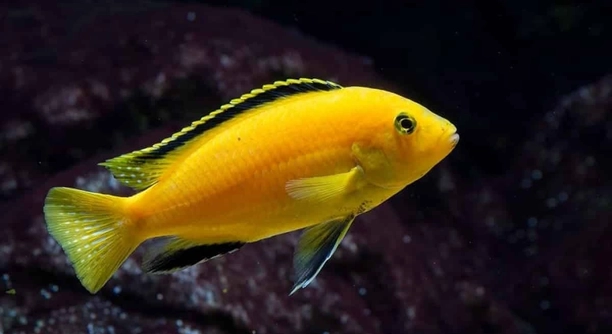
Do you ever find yourself frustrated with your cichlids constantly chasing and nipping at each other? Aggression can make maintaining an aquarium stressful and less enjoyable for both you and your fish.
Aggressive behavior in cichlids can often be reduced through strategic environmental adjustments. Changes such as rearranging tank decorations, increasing hiding spots, regulating lighting, maintaining water quality, controlling stocking density, and providing visual barriers significantly decrease territorial disputes and stress.
Implementing these changes can transform your aquarium into a calmer space. Each adjustment plays a key role in reducing conflict and promoting healthier interactions among your fish.
Rearrange Tank Decorations
Changing the layout of your tank can help reduce aggression in cichlids. Rocks, plants, and other decorations create territories that your fish naturally defend. When the environment is predictable, stronger fish may dominate certain areas, leaving weaker fish stressed. By rearranging decorations, you disrupt these established territories, giving all fish a chance to explore new spaces. This prevents prolonged fighting and allows the cichlids to settle into less rigid social structures. Even small changes like moving a rock or shifting a plant can make a noticeable difference. Regularly adjusting the environment can keep territorial disputes minimal.
Reorganizing decorations periodically keeps your cichlids engaged and less aggressive.
Introducing variety in hiding spots and visual boundaries allows all fish to find safe spaces. Over time, aggression levels decrease, and the aquarium feels calmer and more balanced. The key is to ensure the rearrangements do not stress the fish excessively, so small, gradual changes work best.
Increase Hiding Spots
Providing extra hiding spaces reduces stress.
Adding caves, plants, or small ornaments lets cichlids retreat when threatened. Multiple hiding spots prevent a single dominant fish from controlling the tank and help less aggressive fish feel secure. Fish with safe spaces show less chasing and nipping behavior.
Hiding spots create a sense of security that discourages fights. In a crowded tank, it’s common for dominant fish to target weaker individuals. By offering more retreats, you distribute territorial pressure more evenly. Live plants are particularly effective because they also improve water quality and offer natural cover. Rock caves or PVC tubes can mimic natural habitats, giving fish familiar areas to claim temporarily. Over time, providing multiple refuges encourages calmer behavior during feeding and daily swimming routines. Strategically placing these hiding spots near feeding areas or in corners ensures all fish can access them without conflict. When every cichlid has a place to retreat, stress decreases, resulting in healthier and more stable social dynamics.
Regulate Lighting
Too much light can make cichlids more aggressive. Dimmer or natural lighting helps calm fish and reduces territorial behavior. Adjusting the photoperiod to mimic natural day and night cycles can make the tank feel more comfortable for all residents.
Lighting affects fish behavior more than many realize. Bright or constant light can increase stress and provoke frequent chasing among cichlids. By providing periods of subdued lighting, fish feel safer and more at ease in their environment. A timer can help maintain a consistent schedule, preventing sudden changes that may trigger aggressive displays. Consider using floating plants or partially shaded areas to give fish options to retreat from intense illumination. These small adjustments create a calmer atmosphere without compromising plant growth or the tank’s appearance, allowing cichlids to interact more peacefully.
Consistent and controlled lighting reduces dominance struggles. Fish have more predictable routines, and aggression incidents become less frequent. A stable lighting environment supports calmer interactions and improves overall tank harmony, making the aquarium easier to manage and enjoy.
Maintain Water Quality
Clean water reduces stress and aggression. Regular water changes and monitoring of ammonia, nitrite, and nitrate levels keep cichlids healthy and less prone to fighting. Poor water conditions can make fish irritable and defensive.
Stable water parameters prevent erratic behavior. Sudden shifts in pH, temperature, or hardness can trigger stress responses in cichlids, causing them to act aggressively toward tank mates. Using a reliable filtration system and testing water weekly helps catch problems early. Frequent partial water changes remove excess waste and toxins, while maintaining beneficial bacteria that support fish health. Keeping the tank free of debris and uneaten food reduces competition and lowers the chance of aggressive encounters. Healthy fish are naturally calmer and more likely to establish peaceful territories, which benefits both dominant and less dominant individuals.
Proper water maintenance encourages steady behavior and improves the overall environment. Fish spend less time fighting and more time exploring, feeding, and resting. The balance of chemical levels and cleanliness directly influences aggression, making water quality one of the most important factors in a harmonious cichlid tank.
Control Stocking Density
Too many cichlids in one tank increase fights. Reducing the number of fish gives each cichlid more space, lowering stress and territorial disputes.
Overcrowding creates constant competition for hiding spots and food. By keeping fewer fish, each has room to establish a small territory without constant conflict.
Use Visual Barriers
Placing plants, rocks, or decorations to break lines of sight helps calm aggressive cichlids. Barriers reduce direct confrontations and allow shy fish to feel safer.
Feed Adequately
Providing enough food prevents competition-driven aggression. Spread feeding across multiple spots to ensure all cichlids get their share and avoid fights over limited resources.
Monitor Tank Behavior
Regular observation helps identify early signs of aggression. Catching and addressing conflicts quickly prevents escalation and keeps your aquarium calmer.
Why are my cichlids still aggressive despite changes?
Even after adjusting the environment, some cichlids may remain naturally territorial or dominant. Age, sex, and species differences influence behavior. Younger fish often settle more quickly, while older, established fish may resist changes. Continued observation and minor adjustments can help, but some aggression may persist naturally.
How often should I rearrange decorations?
Small rearrangements every few weeks are usually enough. Avoid drastic changes all at once, as this can stress the fish. Gradual shifts in rock placement, plant positions, or adding new hiding spots give cichlids time to adapt without triggering intense fights or stress reactions.
Can lighting changes really affect aggression?
Yes. Bright, constant light can trigger chasing and defensive behavior. Simulating natural light cycles with periods of dimmer light helps fish feel safer. Providing shaded areas with floating plants or tall decorations gives cichlids options to retreat, reducing stress and lowering aggression in the tank.
What hiding spots work best for cichlids?
Rocks, caves, PVC tubes, and dense plants all work well. Multiple options prevent one fish from monopolizing territory. Varying the size and location of hiding spots ensures even shy and dominant fish have access. Natural materials that mimic their habitat also encourage calmer, more natural behaviors.
How important is water quality in controlling aggression?
Water quality is critical. High ammonia, nitrite, or nitrate levels increase stress and irritability. Regular water changes, proper filtration, and testing parameters weekly keep fish healthy and calm. Clean water supports stable behavior and lowers the chance of constant chasing or territorial fights.
Does feeding method influence aggression?
Yes. Uneven feeding can trigger competition and fights. Spread food across the tank and feed in multiple locations so all fish can eat without conflict. Consistent feeding routines reduce stress and help maintain balance in social interactions among cichlids.
Is tank size a factor in aggression?
Absolutely. Smaller tanks limit territory and increase confrontations. Larger tanks provide more room to establish separate areas, lowering stress and reducing fights. Stocking density should match the tank size and the species’ territorial needs to promote peaceful behavior.
Can certain species be kept together safely?
Some cichlids are more compatible than others. Aggression levels vary by species and individual temperament. Researching compatibility and avoiding mixing overly territorial fish increases harmony. Providing hiding spots and visual barriers further reduces the risk of ongoing conflict.
How do I know when aggression is a problem?
Frequent chasing, nipped fins, or visible stress signs indicate aggression is an issue. Occasional displays are normal, but constant fighting can lead to injury and health problems. Monitoring behavior helps catch conflicts early and allows timely adjustments.
Will introducing new fish increase aggression?
Often, yes. New fish disrupt established territories. Quarantining and gradually introducing newcomers, along with rearranging decorations, helps reduce immediate fights. Extra hiding spots allow everyone to adjust without constant confrontation.
Can environmental changes fully stop aggression?
Environmental changes reduce aggression significantly but may not eliminate it entirely. Natural territorial instincts, hierarchy, and personality differences mean some conflicts will occur. Consistent management, observation, and strategic adjustments create a calmer, healthier tank environment overall.
How long does it take for cichlids to settle after changes?
Adjustment varies by species, age, and individual temperament. Some fish calm within days, while others take weeks. Patience is essential. Monitoring behavior, maintaining water quality, and keeping hiding spots accessible support a smoother transition and reduced aggression over time.
Are there signs that hiding spots or barriers are working?
Yes. Fish retreating without being chased, less frequent fin nipping, and calmer swimming patterns indicate effectiveness. Dominant fish spend less time patrolling, and shy fish explore more. Regular observation ensures these changes continue to improve overall tank harmony.
Can stress from aggression affect cichlid health?
Chronic stress weakens the immune system, slows growth, and increases susceptibility to disease. Reducing aggression through environmental adjustments directly improves health, feeding behavior, and overall lifespan. A calmer tank promotes both mental and physical well-being for all fish.
What is the best combination of strategies?
Combining hiding spots, visual barriers, controlled lighting, regular water maintenance, adequate feeding, and proper stocking density produces the most noticeable results. Each strategy addresses a different trigger for aggression, and together they create a balanced and peaceful aquarium environment.
How do I maintain calm behavior long-term?
Ongoing observation, occasional rearrangements, consistent feeding, and maintaining water quality are essential. Adjustments should be subtle and gradual. By regularly monitoring fish behavior and responding to early signs of stress, you can sustain a calmer, healthier environment for your cichlids over time.
Cichlids are naturally territorial and can show aggression, especially in confined aquarium spaces. This behavior can make it challenging to maintain a peaceful tank, but small, consistent changes can have a big impact. Rearranging tank decorations, adding hiding spots, and creating visual barriers give all fish areas to retreat and reduce the intensity of fights. Each adjustment helps break up established territories, which lessens chasing and nipping. Even minor changes, like moving a rock or adjusting plant placement, give fish new spaces to explore, which can reduce stress and create a calmer atmosphere. Over time, these changes help cichlids feel safer and more comfortable with one another, resulting in a healthier tank environment.
Maintaining water quality and controlling other environmental factors also play an essential role in managing aggression. Clean water with stable parameters reduces stress and supports overall health, which naturally makes fish less prone to aggressive behavior. Proper feeding practices are equally important; spreading food throughout the tank and ensuring all fish get their share prevents fights over limited resources. Lighting and tank size are additional factors to consider. Bright or constant light can increase tension, while adequate space allows each fish to establish a territory without frequent conflict. A combination of these strategies addresses multiple causes of aggression, helping cichlids coexist more peacefully.
Patience and observation are key to long-term success. Cichlids may not stop aggressive behaviors completely, as territorial instincts are part of their natural behavior, but consistent management can significantly reduce conflicts. Watching how fish respond to changes and making small adjustments gradually ensures that the environment remains balanced. Over time, calmer interactions become more common, and stress levels decrease. With the right combination of environmental adjustments, proper care, and careful monitoring, a cichlid tank can become a more peaceful and enjoyable space. These steps not only improve behavior but also promote the overall well-being and longevity of your fish.

Hello,
If you enjoy the content that we create, please consider saying a "Thank You!" by leaving a tip.
Every little bit helps us continue crafting quality advice that supports the health, happiness, and well-being of pets around the world, for pets of all shapes, sizes, and species.
We really appreciate the kindness and support that you show us!