
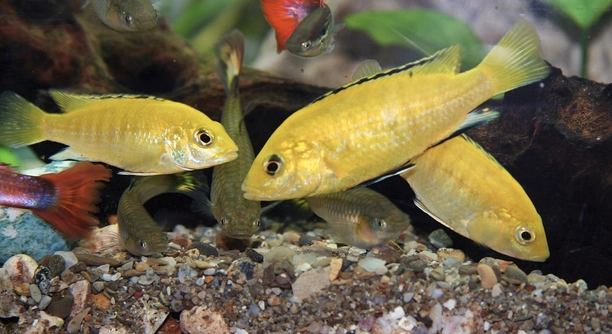
Caring for cichlids goes beyond keeping their tank clean and water parameters stable. Proper nutrition is essential for their growth, coloration, and overall health. Providing the right balance of nutrients ensures your fish thrive in their environment.
Cichlids require a combination of proteins, fats, carbohydrates, vitamins, and minerals for proper development. Each nutrient plays a specific role in supporting growth, immune function, coloration, and reproductive health, making a balanced diet critical for maintaining their vitality.
Understanding these nutrients can help you create a feeding plan that promotes strong, healthy cichlids and prevents common dietary deficiencies in their early development stages.
Proteins for Growth and Muscle Development
Proteins are essential for cichlids, supporting muscle development, tissue repair, and overall growth. High-quality protein sources, such as fish meal, shrimp, or specialized pellets, provide the amino acids cichlids need. Juvenile cichlids require more protein than adults, as they are actively growing and developing their muscles. Too little protein can stunt growth and affect their immune system, making them more vulnerable to disease. On the other hand, too much protein can lead to water quality issues, so balance is key. Including a mix of animal-based proteins and occasional plant proteins ensures cichlids receive all necessary amino acids. Fresh, frozen, or high-quality pellet options can provide variety while meeting nutritional needs. Observing your fish for healthy activity levels and vibrant coloration can indicate whether their protein intake is adequate. Regularly adjusting portions as your cichlids grow will help maintain optimal development and prevent nutrient deficiencies.
Protein is fundamental for strong, healthy cichlids, particularly during early growth stages, supporting both muscle formation and overall vitality.
Providing consistent protein in appropriate amounts helps cichlids develop properly while maintaining energy and resilience against disease.
Fats and Essential Fatty Acids
Fats are a concentrated energy source for cichlids and are necessary for absorbing fat-soluble vitamins like A, D, E, and K. Essential fatty acids, including omega-3 and omega-6, contribute to healthy skin, vibrant coloration, and proper organ function. While fats are critical, excessive amounts can affect water quality and lead to obesity in cichlids. Selecting foods with balanced fat content ensures energy needs are met without compromising tank conditions. Live, frozen, or pellet-based foods can provide these nutrients in appropriate proportions. Including plant oils or fish oils in their diet occasionally can improve overall health and coloration. Monitoring cichlids for signs of dull color, lethargy, or poor growth can help determine if their fat intake is sufficient. Feeding in moderation and varying food types encourages natural foraging behavior while delivering essential fats to support all stages of life, from juveniles to adults.
Proper fats in a cichlid’s diet support energy, color, and organ health, while moderation prevents water quality issues.
Balanced fats enhance immunity, maintain healthy cell function, and contribute to reproductive success, making them indispensable for long-term well-being.
Vitamins for Immune Support
Vitamins are crucial for cichlid health, supporting immune function, growth, and reproduction. A lack of vitamins can lead to weakened immunity, poor growth, and color loss. Including vitamin-rich foods ensures your fish remain healthy and active.
Vitamin A supports eye health and proper growth, while vitamin D is essential for calcium absorption, promoting strong bones and skeletal structure. Vitamin E acts as an antioxidant, protecting cells from damage, and vitamin K supports blood clotting and overall metabolic function. Providing a variety of foods, including fortified pellets, vegetables, and occasional live or frozen options, helps cover these essential nutrients. Over-supplementing can be harmful, so moderation is important. Observing your cichlids for active swimming, bright coloration, and proper feeding response can indicate that their vitamin needs are being met effectively.
A balanced intake of vitamins helps cichlids maintain strong immunity and vibrant appearance. Consistently offering vitamin-rich foods encourages growth, vitality, and reproductive readiness.
Minerals for Skeletal and Physiological Health
Minerals such as calcium, magnesium, and phosphorus are essential for proper skeletal development, muscle function, and metabolic processes in cichlids. Insufficient minerals can result in deformed bones, weak fins, and slower growth. Providing mineral-rich foods or supplements helps prevent these issues.
Calcium is critical for bone strength, fin development, and proper egg formation in breeding cichlids. Magnesium regulates enzyme activity and aids in energy metabolism, while phosphorus supports skeletal structure and overall cellular function. Natural sources, like crushed coral, mineral-enriched pellets, or specialized supplements, can provide these nutrients efficiently. Maintaining stable water parameters ensures minerals remain bioavailable, supporting absorption and preventing deficiencies. Balanced mineral intake also contributes to proper osmoregulation, allowing cichlids to maintain internal fluid balance in freshwater or slightly alkaline conditions. Monitoring growth rates, fin condition, and activity levels helps determine if dietary minerals are sufficient.
Consistent mineral intake strengthens bones, supports metabolism, and maintains overall physiological health, making it essential for growing and mature cichlids.
Carbohydrates for Energy
Carbohydrates provide cichlids with a quick energy source, supporting active swimming and daily activity. Moderate amounts help maintain energy without causing digestive issues or excess waste in the tank.
Plant-based foods, algae, and specialized pellets can supply digestible carbohydrates. Balanced carbs support growth and overall vitality, complementing proteins and fats in their diet.
Fiber for Digestive Health
Fiber aids in proper digestion and prevents constipation in cichlids. Including vegetables, spirulina, and certain plant-based pellets ensures healthy gut function and nutrient absorption.
Water-Soluble Vitamins
Water-soluble vitamins like B-complex and C are essential for metabolism, stress resistance, and immune support. These vitamins are not stored in the body, so regular intake through diet is necessary to prevent deficiencies.
Trace Elements
Trace elements such as iron, zinc, and manganese support enzyme function, growth, and coloration. Even in small amounts, these minerals are vital for overall cichlid health and maintaining proper physiological functions.
FAQ
What are the best protein sources for cichlids?
High-quality proteins come from fish meal, shrimp, krill, and specially formulated cichlid pellets. Juvenile cichlids benefit from higher protein content to support growth, while adult cichlids require moderate amounts to maintain muscle and overall health. Rotating between live, frozen, and pellet options ensures variety and nutrient completeness.
How much fat should I feed my cichlids?
Fats are important for energy, vitamin absorption, and coloration. Most high-quality cichlid foods contain sufficient fat. Overfeeding can lead to water quality issues and obesity, so portion control is essential. Including occasional fish oils or plant-based oils can improve health without excess.
Which vitamins are most critical for cichlids?
Vitamin A supports vision and growth, vitamin D promotes calcium absorption, vitamin E protects cells from damage, and vitamin K aids in metabolism and blood clotting. Offering a mix of fortified pellets, vegetables, and occasional live foods helps maintain proper vitamin levels.
Are minerals necessary for cichlids?
Yes. Calcium, magnesium, and phosphorus support bone structure, fin development, and metabolic processes. Using mineral-rich foods or supplements and maintaining stable water parameters ensures cichlids can absorb these nutrients effectively.
Do cichlids need carbohydrates in their diet?
Moderate carbohydrates provide quick energy and help maintain activity levels. Algae, plant-based foods, and some specialized pellets are good sources. Overfeeding carbohydrates can cause digestive issues, so balance is important alongside proteins and fats.
How does fiber benefit cichlids?
Fiber supports healthy digestion and prevents constipation. Vegetables, spirulina, and specific plant-based pellets aid gut function and nutrient absorption. Including fiber in the diet ensures smooth digestive processes and maintains overall health.
Why are water-soluble vitamins important?
Vitamins like B-complex and C are crucial for metabolism, stress resistance, and immune function. Since they aren’t stored in the body, cichlids need regular dietary intake to prevent deficiencies. Incorporating fortified foods or fresh supplements helps meet these requirements.
What role do trace elements play?
Trace elements such as iron, zinc, and manganese are vital for enzyme function, growth, and coloration. Even in small amounts, these elements are necessary for proper physiological function. Supplementing when needed ensures cichlids stay healthy and vibrant.
Can dietary deficiencies affect breeding?
Yes. Lack of essential nutrients can reduce fertility, weaken fry, and affect egg development. Providing a balanced diet with proteins, fats, vitamins, minerals, and trace elements supports reproductive success and healthy offspring.
How often should I feed cichlids?
Feeding 1–3 times daily in amounts they can consume within a few minutes works best. Overfeeding can harm water quality, while underfeeding can slow growth and weaken immune response. Observing behavior and adjusting portions ensures optimal nutrition.
Can live foods replace pellets completely?
Live foods provide high-quality proteins and stimulate natural hunting behaviors, but they don’t always cover all vitamins, minerals, and fiber. Combining live foods with balanced pellets ensures comprehensive nutrition for optimal growth and health.
Are frozen foods as effective as live foods?
Frozen foods retain most nutrients and are convenient. They can replace live foods in many cases, though some vitamins degrade over time. Rotating between frozen, live, and pellet options gives cichlids a well-rounded diet.
How do I know if my cichlids are getting enough nutrients?
Healthy growth, vibrant coloration, active swimming, and regular feeding response indicate proper nutrition. Poor growth, faded color, lethargy, or fin damage may signal deficiencies, prompting diet adjustments or supplementation.
Should I supplement my cichlids’ diet with vitamins or minerals?
Supplements can be useful if deficiencies are observed, but over-supplementing can be harmful. Focus on a balanced diet with varied foods first, then add supplements as needed to address specific gaps in nutrition.
Do different cichlid species have different nutrient needs?
Yes. Herbivorous, omnivorous, and carnivorous cichlids require different ratios of proteins, fats, carbohydrates, and fiber. Researching species-specific diets helps provide nutrients in the right proportions for optimal growth, health, and coloration.
Can poor water quality affect nutrient absorption?
Absolutely. Imbalanced water parameters can stress cichlids, reduce appetite, and hinder nutrient absorption. Maintaining clean, stable water supports digestion and ensures cichlids receive maximum benefit from their diet.
How can I encourage picky eaters to eat a balanced diet?
Offering variety, mixing pellets with live or frozen foods, and gradually introducing new items helps picky cichlids accept a broader diet. Small, frequent feedings encourage appetite and reduce stress while ensuring nutritional intake.
Is it necessary to adjust diet as cichlids grow?
Yes. Juveniles need higher protein for rapid growth, while adults require a more balanced diet to maintain health. Adjusting food type, portion size, and nutrient composition ensures cichlids develop properly and stay healthy throughout life.
Can I use homemade food for cichlids?
Homemade foods can supplement the diet but may lack certain vitamins, minerals, or fiber. Combining homemade preparations with high-quality pellets ensures all essential nutrients are covered, supporting overall growth and vitality.
What are the signs of vitamin or mineral deficiency?
Symptoms include poor growth, faded color, fin deformities, lethargy, and reduced appetite. Early detection allows dietary adjustments to prevent long-term health issues. Providing a varied, nutrient-rich diet usually prevents these deficiencies from occurring.
Are all pellets equally nutritious?
No. Pellet quality varies based on ingredients, processing, and fortification. Choosing high-quality, species-appropriate pellets ensures cichlids receive balanced proteins, fats, vitamins, and minerals for optimal health. Checking labels and rotating brands can improve nutrient diversity.
How can I safely add supplements to their diet?
Use recommended dosages on product labels and avoid over-supplementation. Supplements can be added to pellets, live, or frozen foods. Gradual introduction and monitoring cichlid behavior help ensure safety and effectiveness.
What role do antioxidants play in cichlid health?
Antioxidants like vitamin E and certain trace elements protect cells from damage caused by free radicals. This supports immune function, growth, and longevity. Incorporating antioxidant-rich foods helps maintain vibrant coloration and overall well-being.
How important is diet variety?
Variety ensures cichlids receive all essential nutrients, prevents selective feeding, and encourages natural foraging behaviors. Combining pellets, live, frozen, and plant-based foods provides balanced nutrition and promotes optimal growth, health, and coloration.
Can overfeeding cause nutrient imbalance?
Yes. Excess food can lead to obesity, poor water quality, and digestive problems. Overfeeding may also overshadow less abundant nutrients, creating imbalances. Feeding moderate portions and adjusting based on growth and activity prevents these issues.
Are there special considerations for breeding cichlids?
Breeding cichlids need higher-quality proteins, vitamins, and minerals to support egg development, fry survival, and parental care. Providing nutrient-rich foods before and during breeding periods enhances reproductive success and healthy offspring.
How do I prevent nutritional stress in cichlids?
Consistent feeding, varied diet, proper portion control, and stable water conditions reduce stress. Nutritional stress can weaken immunity, slow growth, and impact coloration. Observing behavior and health helps identify early signs and maintain a balanced diet.
Can stress affect how cichlids process nutrients?
Yes. Stress from overcrowding, poor water conditions, or aggressive tank mates can suppress appetite, slow metabolism, and reduce nutrient absorption. Maintaining a calm, balanced environment ensures cichlids get the full benefit of their diet.
What’s the easiest way to ensure cichlids get all key nutrients?
A balanced diet with high-quality pellets, occasional live or frozen foods, and plant-based items covers proteins, fats, carbohydrates, vitamins, minerals, and trace elements. Rotating foods and monitoring growth, color, and behavior ensures optimal nutrition over time.
How long does it take to correct a nutrient deficiency?
Improvement can be seen within weeks if deficiencies are addressed promptly. Recovery time depends on the nutrient, severity, and cichlid age. Consistently providing a balanced diet and monitoring water quality supports faster restoration of health.
Can juvenile and adult cichlids eat the same food?
Some overlap is possible, but juveniles need higher protein for growth. Adults require balanced diets for maintenance and reproduction. Adjusting portion size, feeding frequency, and nutrient composition ensures both life stages receive proper nutrition.
Is it necessary to consult a specialist for diet planning?
For beginners, basic high-quality pellets and a few supplements are sufficient. For breeding, specialized species, or observed deficiencies, consulting an experienced aquarist or fish nutritionist can provide guidance to optimize health and growth.
What are common mistakes in feeding cichlids?
Overfeeding, underfeeding, relying on a single food type, ignoring water quality, and failing to adjust diets for growth stages are common mistakes. These issues can lead to poor growth, illness, or stress. Monitoring diet and behavior prevents these problems.
Can I combine multiple supplements safely?
Yes, if dosages are within recommended limits. Avoid combining high-concentration supplements that may lead to excesses. Introduce one supplement at a time and observe cichlid health and behavior to ensure safety and effectiveness.
How does diet affect coloration?
Proteins, fats, vitamins, minerals, and carotenoids directly influence vibrant coloration. Balanced nutrition enhances natural pigments, while deficiencies can dull colors. Providing varied foods with natural pigments helps cichlids display their full coloration potential.
What is the role of calcium in cichlids?
Calcium supports bone development, fin growth, and egg production. Deficiency can lead to skeletal deformities and weak offspring. Including calcium-rich foods or supplements ensures proper growth and reproductive success.
How important is monitoring feeding behavior?
Watching feeding behavior helps identify nutrient deficiencies, stress, or illness. Active, consistent eating indicates proper nutrition, while reluctance, selective feeding, or slow consumption may require dietary adjustments.
Can stress from diet changes affect cichlids?
Sudden diet changes can cause digestive issues or stress. Gradually introducing new foods allows cichlids to adapt while ensuring nutrient intake is maintained.
Are all cichlid pellets created equal?
No. Quality varies in protein sources, vitamins, minerals, and processing. Choosing high-quality, species-appropriate pellets ensures balanced nutrition and supports growth, coloration, and overall health.
How do I know if my cichlids need supplements?
Signs include poor growth, faded colors, lethargy, or deformities. A varied diet usually meets needs, but supplements can fill gaps when deficiencies are observed.
What is the safest way to introduce new foods?
Introduce small amounts gradually, mixing with familiar foods. Monitor acceptance, behavior, and digestion to ensure a smooth transition without stress or nutrient imbalance.
Can water quality impact nutrient absorption?
Yes. Poor water conditions can reduce appetite, stress fish, and hinder nutrient uptake. Maintaining clean, stable water supports digestion and overall health.
How often should I rotate foods?
Rotating foods weekly or biweekly ensures variety and comprehensive nutrition. Alternating pellets, live, frozen, and plant-based foods keeps diets balanced and prevents selective feeding.
Do cichlids benefit from algae or plant-based foods?
Yes. Plant-based foods provide fiber, vitamins, and carbohydrates. Algae supports digestion, coloration, and overall vitality, complementing protein and fat sources in a balanced diet.
Can improper feeding affect long-term health?
Chronic nutrient imbalance can stunt growth, weaken immunity, reduce coloration, and impair reproduction. Maintaining a balanced, varied diet over time ensures lifelong health and vitality.
Are there species-specific dietary needs I should know?
Yes. Herbivorous, omnivorous, and carnivorous cichlids have different protein, fat, and fiber requirements. Researching species-specific diets ensures proper nutrition and prevents deficiencies or overfeeding.
How do I prevent overfeeding?
Feed amounts cichlids can consume within a few minutes. Observe behavior and adjust portions accordingly. Small, frequent feedings reduce waste, maintain water quality, and prevent obesity.
Can cichlids survive on pellets alone?
Yes, if pellets are high-quality and nutritionally complete. However, supplementing with live, frozen, or plant-based foods improves variety, digestion, and nutrient coverage for optimal health.
What are the signs of balanced nutrition?
Healthy growth, vibrant color, active swimming, strong fins, and normal feeding behavior indicate proper nutrition. Regular observation helps maintain diet quality and adjust as needed.
Is it necessary to measure portions?
Yes. Portion control prevents overfeeding, water quality issues, and nutrient imbalances. Using small scoops or timed feeding helps maintain consistency and supports long-term health.
Can stress affect nutrient requirements?
Stress increases metabolic demands and can reduce absorption. Maintaining stable water conditions, compatible tank mates, and consistent feeding ensures cichlids meet their nutritional needs efficiently.
Do different life stages require diet adjustments?
Yes. Juveniles need higher protein for growth, while adults require balanced diets for maintenance and reproduction. Adjusting portions and nutrient composition ensures proper development and overall health.
How do I avoid nutrient deficiencies in a mixed-species tank?
Feed a variety of foods targeting all species’ needs, observing individual consumption. Supplement as necessary, and monitor health, coloration, and growth to ensure each species receives proper nutrition.
Can dietary changes affect behavior?
Yes. Poor nutrition can cause lethargy, aggression, or decreased activity, while balanced diets support energy, social behavior, and normal feeding patterns. Monitoring behavior helps identify dietary adjustments.
Are freeze-dried foods effective for cichlids?
Freeze-dried foods retain some nutrients but may lose vitamins during processing. They can supplement diet occasionally but should not replace high-quality pellets, live, or frozen foods entirely.
What is the role of carotenoids in diet?
Carotenoids enhance coloration, support immune function, and act as antioxidants. Foods like shrimp, krill, and certain algae provide natural pigments to maintain vibrant cichlid colors.
Can I over-supplement vitamins or minerals?
Yes. Excess vitamins or minerals can cause toxicity, organ damage, or imbalances. Follow recommended dosages and monitor fish health when using supplements.
How do I maintain a balanced diet for long-term health?
Use high-quality pellets, rotate live, frozen, and plant-based foods, monitor water quality, adjust portions, and observe growth, color, and behavior. Consistency ensures optimal cichlid health and development over time.
What is the importance of monitoring growth and coloration?
Growth and coloration reflect nutrition, health, and stress levels. Regular observation helps detect deficiencies or dietary issues early, allowing timely adjustments to support overall well-being.
Can dietary mistakes be corrected easily?
Yes, if addressed promptly. Adjusting food type, portions, and supplements, along with maintaining stable water conditions, can restore health and vitality within weeks.
Do cichlids need different feeding strategies for breeding pairs?
Breeding cichlids benefit from higher-quality proteins, vitamins, and minerals to support egg production, fry survival, and parental care. Targeted nutrition improves reproductive success and offspring health.
How does diet affect immune function?
Proper intake of proteins, vitamins, minerals, and antioxidants strengthens immunity, reduces susceptibility to disease, and improves recovery. Nutrient-rich diets are essential for maintaining long-term health.
What role does hydration play in cichlid nutrition?
Water in food, especially live and frozen options, supports hydration, digestion, and overall health. Adequate hydration aids nutrient absorption and contributes to normal physiological function.
Can I rely on commercial foods alone for complete nutrition?
High-quality commercial foods can meet most nutritional needs, but incorporating variety with live, frozen, and plant-based items ensures balanced intake of all essential nutrients.
How do I know if supplements are effective?
Observe improvements in growth, color, activity, and appetite. Regular monitoring and gradual introduction allow assessment of effectiveness while preventing over-supplementation.
Can poor feeding practices cause deformities?
Yes. Nutrient deficiencies, imbalances, or inconsistent feeding can lead to skeletal deformities, weak fins, and stunted growth. Balanced nutrition is key to preventing long-term issues.
Are frozen brine shrimp or bloodworms sufficient as main food?
They provide proteins and some vitamins but lack comprehensive nutrients. Supplementing with pellets or plant-based foods ensures balanced nutrition for growth and overall health.
How often should I reassess my cichlids’ diet?
Regularly, especially when changing life stages, introducing new species, or noticing health changes. Frequent assessment ensures continued balanced nutrition and prevents deficiencies.
What is the effect of overfeeding carbohydrates?
Excess carbohydrates can lead to digestive problems, water quality issues, and obesity. Balancing carbs with proteins, fats, and fiber ensures proper energy and growth without side effects.
Do live plants contribute to nutrition?
Yes. Live plants provide fiber, vitamins, and natural foraging opportunities. They complement other foods and support digestive health while enriching the tank environment.
How important is consistency in feeding times?
Regular feeding schedules support digestion, reduce stress, and ensure proper nutrient intake. Consistency promotes healthy growth, activity, and feeding behavior in cichlids.
Can dietary adjustments prevent disease?
Yes. Balanced nutrition strengthens immunity, supports organ function, and improves resilience against infections. Proper feeding is a key preventive measure for long-term health.
Do cichlids require different diets in cold versus warm water?
Metabolic rates vary with temperature. In cooler water, cichlids may require less food, while warmer conditions increase energy needs. Adjusting diet accordingly ensures proper nutrition and prevents overfeeding or deficiencies.
Are high-protein diets safe for adult cichlids?
Yes, in moderation. Excessive protein can strain kidneys and affect water quality. Balanced portions tailored to age, species, and activity level maintain health without side effects.
What role do antioxidants play in reproduction?
Antioxidants protect eggs and fry from oxidative stress, supporting healthy development. Providing foods rich in antioxidants helps improve reproductive outcomes and overall vitality.
Can I use vitamin-enriched flakes as a primary food source?
Flakes can supplement the diet, but they may lack complete protein and fiber. Combining flakes with pellets, live, or frozen foods ensures full nutritional coverage.
How do I manage picky eaters?
Gradually introduce new foods alongside familiar options. Small, frequent feedings and variety help picky cichlids accept a balanced diet while maintaining proper nutrition.
**Are juvenile cichlids more sensitive to nutrient imbalances
Caring for cichlids involves more than maintaining clean water and a stable environment. Nutrition plays a central role in their growth, health, and overall vitality. Providing the right combination of proteins, fats, carbohydrates, vitamins, minerals, and trace elements ensures that cichlids develop properly and maintain strong immune systems. Proteins are essential for muscle development and tissue repair, particularly for juvenile cichlids that are in their rapid growth phase. Fats provide energy and help with the absorption of fat-soluble vitamins, supporting coloration and organ function. Carbohydrates offer a quick energy source, while fiber aids in proper digestion. By including all of these components in their diet, you create a foundation for long-term health and resilience against disease.
Vitamins and minerals are equally important for cichlids, even in small amounts. Water-soluble vitamins like B-complex and C are critical for metabolism, stress resistance, and immune support, while fat-soluble vitamins A, D, E, and K support growth, vision, and reproductive function. Minerals such as calcium, magnesium, and phosphorus strengthen bones, improve fin development, and support overall physiological processes. Trace elements like zinc, iron, and manganese, though required in very small quantities, are vital for enzymatic activity and proper growth. A deficiency in any of these nutrients can lead to slowed growth, poor coloration, weakened immunity, or reproductive issues. Ensuring a varied diet that includes fortified pellets, live foods, frozen options, and plant-based foods allows cichlids to meet all of these nutritional needs consistently.
Maintaining a balanced diet requires attention to feeding amounts, frequency, and food variety. Overfeeding can lead to water quality issues and obesity, while underfeeding can stunt growth and weaken immunity. Regular observation of your cichlids’ behavior, coloration, and activity levels provides insight into whether their diet is meeting their needs. Adjusting portions as they grow and incorporating different food types helps prevent nutrient deficiencies while encouraging natural foraging behavior. Rotating foods, supplementing when necessary, and ensuring stable water conditions support proper nutrient absorption and long-term health. With a thoughtful approach to nutrition, cichlids can thrive, showing vibrant colors, strong growth, and active behavior, making the care of these fish both rewarding and manageable.

Hello,
If you enjoy the content that we create, please consider saying a "Thank You!" by leaving a tip.
Every little bit helps us continue crafting quality advice that supports the health, happiness, and well-being of pets around the world, for pets of all shapes, sizes, and species.
We really appreciate the kindness and support that you show us!