
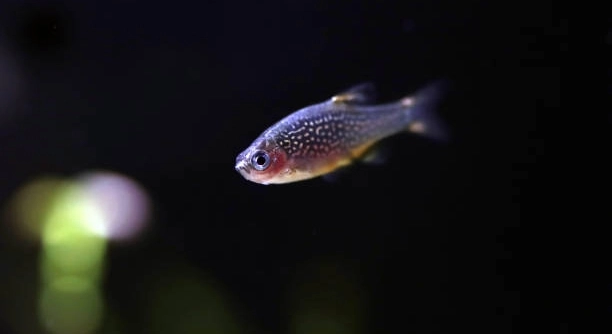
Are your fish breeding efforts not going as smoothly as you hoped? Keeping track of water quality is essential for healthy eggs and fry, ensuring your aquatic environment supports reproduction and growth consistently.
Monitoring specific water test readings is critical for successful breeding. Key parameters include ammonia, nitrite, nitrate, pH, hardness, temperature, and dissolved oxygen. Maintaining these within optimal ranges helps prevent stress, disease, and poor reproductive outcomes for your fish.
Tracking these readings regularly will improve your breeding success and ensure a safer, healthier environment for both adult fish and their offspring.
Ammonia Levels
Ammonia is highly toxic to fish, especially when breeding. Even low levels can stress adults and fry, reducing survival rates. Ammonia forms from uneaten food, fish waste, and decaying plant matter, and it can spike quickly in a closed system. Regular testing helps catch dangerous increases before they become harmful. Maintaining a stable, zero ammonia level is essential. Filtration and regular water changes are effective ways to manage this. Biological filters containing beneficial bacteria convert ammonia into less harmful compounds, but these bacteria need time to establish and function correctly. Frequent monitoring is especially important when adding new fish or increasing feeding amounts. Breeding tanks can be more sensitive since fry are very vulnerable. Ensuring proper feeding amounts and removing uneaten food quickly also reduces ammonia buildup. Simple maintenance steps, such as vacuuming the substrate and checking filter efficiency, contribute significantly to keeping ammonia at safe levels.
Even small ammonia spikes can affect breeding success. Consistency matters.
Monitoring ammonia is vital for both adult fish and fry survival. Regular checks, careful feeding, and effective filtration create a safe environment. Proper tank maintenance and timely water changes prevent toxic levels, supporting healthy growth and reproduction.
pH Balance
Keeping the pH stable supports fish health and breeding success. Sudden fluctuations can stress fish, affecting egg production and fry development. A slightly acidic to neutral pH is ideal for most freshwater species, while specific species may require slightly different ranges. Using buffers can help maintain stability, and testing daily during breeding periods ensures proper adjustment. Adjusting pH gradually avoids shocking fish and reduces stress. Natural sources, such as driftwood or peat, can slightly lower pH, while crushed coral or limestone raises it. Understanding your species’ preferred range is critical for maintaining optimal breeding conditions. Regular monitoring ensures a consistent environment.
pH stability encourages eggs to hatch successfully and fry to grow without stress.
For breeding, maintaining pH stability reduces risk of illness and enhances reproductive success. Sudden changes can cause eggs to be infertile or fry to die. Using natural materials or chemical buffers carefully keeps pH within the ideal range. Daily testing during breeding cycles allows adjustments before problems arise. Fish are sensitive to even minor pH swings, which can affect their immune system and overall activity. Combining monitoring with proper water changes ensures a stable environment. Understanding the interaction between pH and other water parameters, like hardness and ammonia, is also important. Keeping all levels balanced supports healthy fish behavior, encourages spawning, and increases fry survival rates. Adjustments should be gradual, and patience is key, as sudden shifts can undo careful preparation. Creating a consistent, stable environment helps fish feel secure, which is essential for successful breeding outcomes.
Nitrite Levels
Nitrite is dangerous for fish even at low concentrations. It interferes with oxygen transport in the blood, causing stress and potential fatalities. Monitoring nitrite levels ensures that breeding adults and fry remain healthy.
Nitrite forms when beneficial bacteria convert ammonia in the nitrogen cycle. While this process reduces ammonia toxicity, high nitrite levels are still harmful. Newly established tanks or recently cleaned filters may show temporary spikes. Regular water testing is essential, especially in breeding tanks where fry are highly sensitive. Using biological filtration and performing frequent partial water changes help keep nitrite at safe levels. Understanding the nitrogen cycle in your tank makes it easier to prevent harmful spikes.
Managing nitrite is crucial for successful breeding. Consistent monitoring, maintaining healthy bacteria, and timely water changes protect both adult fish and fry. Proper tank management reduces stress and prevents nitrite-related health issues, supporting reproductive success and long-term fish health.
Nitrate Concentration
Nitrate is less toxic than ammonia or nitrite but can accumulate over time, affecting fish health and breeding success. Keeping levels below 40 ppm is recommended for most species. Regular water changes are essential to control nitrate accumulation.
High nitrate levels can slow growth, reduce immunity, and impact fry survival. Overfeeding and decaying plant material contribute to nitrate buildup, so careful feeding and tank maintenance are necessary. Plants can help absorb nitrates naturally, but they may not always keep levels low enough in a breeding tank. Consistent monitoring ensures a stable environment, which is crucial for sensitive fry and adult fish. Controlling nitrates supports overall tank health and enhances reproductive outcomes.
For breeding, maintaining low nitrate levels encourages healthy development and reduces stress. Combining water changes, careful feeding, and live plants creates a balanced environment. Monitoring nitrate alongside ammonia and nitrite gives a clear picture of water quality. Keeping nitrate in check also prevents long-term health problems and improves fry growth. A clean, stable tank promotes successful spawning, ensuring eggs and fry thrive in optimal conditions.
Water Hardness
Water hardness affects fish health and breeding success. Soft or hard water can influence egg development and fry survival. Testing and adjusting hardness ensures optimal conditions for your species.
Maintaining stable hardness levels prevents stress and supports reproductive health. Using test kits and natural minerals helps achieve the right balance.
Temperature Control
Temperature directly impacts metabolism, spawning behavior, and egg development. Keeping water within the species’ ideal range encourages consistent breeding and healthy fry growth. Regular monitoring and gradual adjustments are essential to avoid shocking fish.
Dissolved Oxygen
Adequate dissolved oxygen is critical for adult fish and developing fry. Aeration, water movement, and proper stocking levels help maintain safe oxygen concentrations.
How often should I test water parameters during breeding?
Testing frequency depends on your tank’s stability and the sensitivity of your fish. During breeding, daily testing is ideal, especially for ammonia, nitrite, nitrate, and pH. Fry are particularly vulnerable to sudden changes, and early detection of imbalances prevents health problems. In established tanks with stable readings, you may reduce testing to every few days. Using reliable test kits ensures accurate measurements. Keeping a simple log of readings can help you notice trends and make adjustments quickly. Frequent monitoring builds confidence that your water conditions are safe for eggs and fry.
What is the safest method to adjust pH?
Adjusting pH should always be gradual to avoid shocking fish. Small increments over hours or days are safest. Using natural additives, like driftwood or crushed coral, provides a gentle way to modify pH. Chemical buffers are also effective but must be used carefully according to instructions. Sudden swings can stress adults and fry, reducing breeding success. Consistent monitoring while adjusting pH ensures changes stay within the target range. Avoid mixing multiple methods at once, as this can create unpredictable results. Patience is key to maintaining a healthy, stable environment.
Can ammonia ever be tolerated during breeding?
Ammonia should always be kept as close to zero as possible. Even very low levels can stress fish and harm eggs or fry. Biological filtration helps convert ammonia into less harmful compounds, but it cannot replace water changes or proper feeding habits. Removing uneaten food and maintaining clean substrates reduce ammonia buildup. Newly set-up tanks are particularly risky, as beneficial bacteria may not be established. Testing daily during breeding cycles ensures ammonia spikes are detected early. Preventing exposure protects both adults and fry, supporting stronger growth and higher survival rates.
How do I maintain consistent water temperature?
Temperature control requires a reliable heater and thermometer. Most species have an ideal breeding range, and even small fluctuations can delay spawning or harm fry. Gradual adjustments are important, especially when simulating seasonal changes to encourage spawning. Monitoring temperature at multiple points in the tank ensures accuracy. Avoid placing the tank near drafts, vents, or windows, which can cause rapid swings. Maintaining a consistent temperature reduces stress and supports normal behavior. For sensitive species, a backup heater or temperature alarm can prevent unexpected drops. Stability is more important than hitting an exact number.
Why is dissolved oxygen important for fry survival?
Fry require higher oxygen levels than adult fish due to their rapid growth and metabolism. Low oxygen can cause weak development, increased mortality, or stunted growth. Adding gentle aeration or using a sponge filter helps maintain sufficient oxygen without creating strong currents that fry cannot handle. Water movement near the surface improves gas exchange naturally. Monitoring oxygen levels during breeding ensures fry remain active and healthy. Overcrowding reduces oxygen availability, so adjusting stocking density is also important. Maintaining high dissolved oxygen supports both spawning behavior and the survival of newly hatched fry.
How can nitrate accumulation be managed effectively?
Nitrates are less immediately toxic than ammonia or nitrite but can affect fish health and fry growth over time. Frequent partial water changes are the most reliable way to keep nitrates low. Live plants can absorb nitrates, but they often cannot fully prevent accumulation in a busy breeding tank. Reducing overfeeding and removing decaying plant matter or waste also helps. Regular testing ensures levels stay below species-specific thresholds. Managing nitrates supports immune health, encourages healthy development, and improves reproductive success. Consistency in maintenance prevents gradual stress on both adults and fry.
Is water hardness critical for all species?
Water hardness is important for some species, especially those that require specific mineral levels for egg fertilization and fry development. Soft water can hinder egg development for certain fish, while extremely hard water can stress others. Testing hardness allows for adjustments using natural minerals or commercial additives. Stable hardness levels reduce stress and support breeding behavior. Sudden changes can disrupt spawning and reduce fry survival. Knowing the preferred hardness range for your species ensures eggs and fry have the best chance for healthy growth. Gradual adjustments maintain stability and promote long-term tank health.
What steps prevent sudden parameter spikes during breeding?
Preventing sudden changes requires consistent maintenance, careful feeding, and regular monitoring. Water changes should be gradual, filters cleaned without disrupting bacteria, and new fish introduced slowly. Monitoring all parameters—ammonia, nitrite, nitrate, pH, temperature, hardness, and oxygen—helps catch trends before they become problems. Avoid overstocking and remove uneaten food promptly. Keeping a log of readings allows you to detect patterns and prevent spikes. A calm, stable tank environment reduces stress, supports breeding behavior, and ensures fry survive and grow. Planning maintenance and testing routines is key for a successful breeding setup.
This FAQ provides practical, hands-on advice to keep water parameters stable, reduce stress on fish, and support healthy breeding outcomes. Regular attention and careful adjustments create a reliable environment for both adults and fry.
Maintaining the right water conditions is one of the most important steps in successful fish breeding. Tracking key parameters like ammonia, nitrite, nitrate, pH, hardness, temperature, and dissolved oxygen ensures a safe environment for both adults and fry. Each parameter affects fish differently, and even small changes can create stress or reduce reproductive success. Regular testing allows you to catch problems early and adjust conditions before they become harmful. Using reliable test kits and keeping a simple log of readings helps you understand your tank’s patterns and respond proactively. Consistency is more important than perfection, as sudden changes are far more stressful for fish than minor fluctuations within safe ranges. Paying attention to these details shows that you are giving your fish the best possible chance to breed successfully and for fry to grow healthy and strong.
Water maintenance goes beyond just testing. Proper filtration, careful feeding, and regular partial water changes all play a role in keeping your tank stable. Overfeeding or leaving decaying food in the tank can quickly raise ammonia and nitrate levels, which can harm both adults and fry. Biological filtration helps convert harmful compounds into less dangerous forms, but it cannot replace good tank care habits. Plants can help absorb some excess nutrients and provide natural cover for fry, supporting their growth and safety. Maintaining stable temperature and hardness further reduces stress, encourages natural breeding behaviors, and helps eggs develop properly. A well-maintained tank is not only healthier for your fish, but it also makes breeding more predictable and less stressful for you as the caretaker.
Breeding fish requires patience, attention, and consistent effort. Monitoring water parameters, maintaining clean conditions, and providing a stable environment are the foundation of success. Even small mistakes can impact breeding outcomes, but learning from them and making gradual improvements improves the chances of a healthy batch of fry. Keeping the water quality stable benefits all fish, helping them grow stronger and reducing the risk of illness. By understanding how each parameter affects your species and staying consistent with testing and maintenance, you create an environment that supports both reproduction and long-term health. Taking the time to monitor and adjust your tank conditions ensures that breeding is not left to chance but is guided by care, knowledge, and observation, ultimately leading to better outcomes for your fish and a more rewarding experience overall.

Hello,
If you enjoy the content that we create, please consider saying a "Thank You!" by leaving a tip.
Every little bit helps us continue crafting quality advice that supports the health, happiness, and well-being of pets around the world, for pets of all shapes, sizes, and species.
We really appreciate the kindness and support that you show us!