
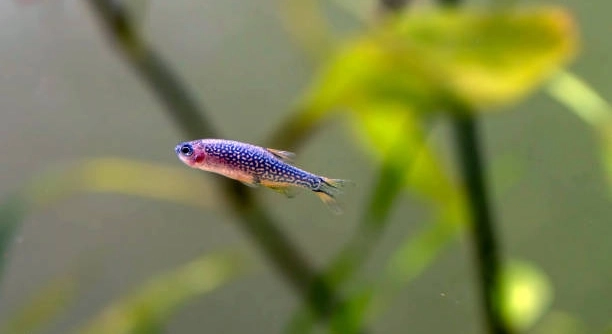
Are your danios swimming differently than usual, seeming slower or more restless in the tank? Observing their movement can reveal subtle signs of illness that are easy to miss but important for their wellbeing.
Sick danios exhibit noticeable changes in swimming behavior, including erratic movements, lethargy, staying near the surface or bottom, loss of coordination, and reduced response to stimuli. Recognizing these patterns allows early intervention to maintain health.
Monitoring these changes closely can help prevent more serious health problems and ensure your danios remain active and healthy in their environment.
Lethargic Swimming Patterns
When danios are unwell, one of the first signs is a noticeable slowdown in their swimming. Normally active and energetic, sick danios may linger near the bottom of the tank or hover in one spot for extended periods. They often appear tired, moving only when necessary to reach food or avoid obstacles. Lethargy can be caused by infections, poor water quality, or stress from sudden changes in the tank environment. Observing these subtle changes early allows you to adjust conditions and provide care before the problem worsens. A tank with proper filtration, temperature stability, and a balanced diet can reduce the likelihood of this behavior. Additionally, isolating affected fish from healthy ones can prevent the spread of potential disease. Monitoring your danios daily helps you identify lethargy quickly and respond appropriately.
Lethargic swimming is a clear indicator that something in their environment or health needs attention. Early action is key.
Consistent observation and small adjustments, such as water changes or temperature checks, often restore normal activity. Healthy danios should dart around, explore, and react quickly to food or movement. A lack of these behaviors signals that intervention is needed.
Erratic Movements
Erratic swimming, including sudden bursts or uncontrolled direction changes, can indicate illness or stress in danios.
This behavior often results from parasites, gill issues, or imbalanced water conditions. Stressful environments, such as overcrowding or sudden lighting changes, can also trigger these unpredictable movements.
Monitoring water parameters like ammonia, nitrite, and nitrate levels is crucial to prevent erratic swimming. Providing hiding spots or gentle water flow may reduce stress and improve behavior. Some illnesses require prompt treatment with medication or quarantine to protect other tank inhabitants. Observing patterns over several days helps determine whether movement is temporary or a symptom of a deeper problem. Keeping a log of symptoms and changes can be helpful for tracking recovery or explaining issues to a veterinarian. Proper nutrition, regular water changes, and maintaining stable environmental conditions often minimize stress-induced erratic behavior. Recognizing and addressing these movements promptly ensures the health and safety of your danios, reducing the risk of further complications.
Staying Near the Surface
Danios often stay near the water surface when they are unwell. This behavior can signal low oxygen levels or difficulty breathing caused by gill infections or poor water quality.
Remaining at the top allows easier access to oxygen, especially in tanks with insufficient aeration. Sick danios may appear to gasp or hover just below the surface. Monitoring your tank’s oxygen levels and ensuring proper filtration can reduce this behavior. Sometimes, temperature fluctuations or high ammonia levels increase surface activity as fish attempt to breathe more efficiently. Addressing these factors promptly helps restore normal swimming patterns and overall health.
Consistently staying near the surface is a warning sign. Adjusting tank conditions and checking for infections ensures danios regain energy and return to normal movement patterns.
Loss of Coordination
Loss of coordination is a common symptom of illness in danios, often caused by internal infections, parasites, or neurological issues.
Affected danios may tilt, spin, or struggle to swim straight. This lack of control can make them bump into objects or struggle to reach food. Stress and poor water quality worsen these issues, making daily observation essential. Isolating uncoordinated fish in a quarantine tank can prevent further complications and allow focused care. Proper nutrition and stable water conditions are critical for recovery, while medication may be needed for underlying infections.
Timely action improves recovery chances. Observing their movements, noting unusual behaviors, and maintaining optimal tank conditions can help your danios regain proper coordination.
Clinging to Objects
Danios sometimes cling to decorations or plants when they are sick. This behavior often indicates weakness or discomfort, making it difficult for them to swim freely.
They may use objects for support to maintain balance or reduce energy expenditure. Persistent clinging should be monitored closely.
Reduced Feeding Response
Sick danios often show little interest in food. A reduced feeding response can signal internal illness, stress, or poor water quality.
Not eating for extended periods weakens their immune system and slows recovery. Observing feeding behavior daily helps identify problems early. Providing high-quality, easily digestible food may encourage eating and support overall health.
Rapid Gill Movement
Rapid gill movement is a clear indicator of respiratory stress in danios.
This may result from low oxygen, ammonia buildup, or gill infections. Immediate action, such as improving aeration and checking water quality, is essential to prevent serious health issues.
What are the first signs that my danios are sick?
The first signs usually involve changes in movement and behavior. Lethargy, staying near the surface or bottom, and clinging to objects are common early indicators. Erratic swimming, loss of coordination, or rapid gill movement may also appear. Subtle changes in appetite or color can accompany these behaviors. Observing your danios daily helps you notice differences quickly. Early detection allows you to adjust tank conditions, isolate affected fish, and provide proper care before problems worsen. Even small deviations from normal behavior should be taken seriously.
How can I tell if the lethargy is serious?
Lethargy becomes concerning when it persists for more than a day or two or is accompanied by other symptoms. If danios fail to respond to food or interact with tank mates, this indicates a deeper health problem. Consistent slow swimming, lack of energy, or frequent hiding are warning signs. Checking water parameters like ammonia, nitrites, nitrates, and temperature is crucial. Sometimes lethargy is caused by environmental stress rather than disease, but persistent inactivity usually requires intervention. Adjusting water quality, improving aeration, and monitoring behavior can help determine the severity.
Why are my danios staying near the surface?
Danios staying near the surface often indicate respiratory stress. Low oxygen levels, high ammonia, or poor water circulation can cause them to seek oxygen-rich areas. Gills may appear to move rapidly, showing they are struggling to breathe. Providing proper filtration, aeration, and maintaining stable water conditions is important. Sometimes temperature fluctuations or overcrowding can increase surface activity. Observing whether this behavior persists or is occasional helps distinguish between temporary stress and a more serious problem. Early correction prevents further health complications.
What causes erratic swimming in danios?
Erratic swimming can result from parasites, gill damage, or water quality issues. Fish may dart suddenly, spin, or swim in uncoordinated patterns. Stress from overcrowding, sudden changes in light, or tank disturbances also contributes. Tracking the frequency and pattern of movement helps identify the root cause. Addressing water quality, maintaining stable temperatures, and isolating affected fish reduces risk. Medication may be needed for infections or parasites. Observing tank conditions alongside behavior ensures that erratic swimming is properly managed before it leads to further complications.
How can I encourage a sick danio to eat?
Reduced appetite is common in ill danios. Offering high-quality, easily digestible food like crushed flakes or small pellets can help. Warm water slightly improves digestion and encourages feeding. Feeding smaller portions multiple times a day is often more effective than one large meal. Removing uneaten food promptly maintains water quality. Sometimes isolating the fish in a quiet tank encourages eating. Patience is key, as appetite may take several days to return while recovery progresses. Tracking food intake helps assess improvement and overall health.
When should I quarantine a sick danio?
Quarantine is recommended whenever illness is suspected, especially with contagious symptoms like rapid gill movement, clinging, or erratic swimming. Separating the affected fish prevents disease spread to healthy tank mates. A quarantine tank should have clean, temperature-stable water with proper aeration and hiding spots. Monitor the fish closely for changes in behavior, appetite, and swimming. Medications can be administered more effectively in isolation. The duration depends on recovery and resolution of symptoms, usually ranging from a few days to two weeks. Early quarantine helps protect your entire tank.
Can water quality really affect movement patterns?
Absolutely. Poor water quality is one of the main reasons for changes in swimming behavior. High ammonia or nitrite levels, low oxygen, or temperature fluctuations stress danios, causing lethargy, erratic swimming, and rapid gill movement. Regular water testing, partial water changes, and proper filtration maintain optimal conditions. Even minor imbalances can lead to noticeable behavioral changes. Observing movement patterns alongside water parameters gives insight into potential environmental problems. Correcting water quality quickly is essential to prevent long-term health issues and restore normal activity in your danios.
Are there long-term effects if I ignore unusual movement?
Ignoring unusual movement can lead to worsening illness, permanent organ damage, or even death. Behavioral changes often indicate underlying infections, parasites, or environmental stress. Delayed treatment reduces the effectiveness of interventions and increases the risk of spreading disease to other tank mates. Consistent observation, prompt adjustments to tank conditions, and timely care are crucial to prevent irreversible damage. Maintaining records of behavior, feeding, and water conditions helps detect patterns and anticipate future health concerns. Addressing these issues early ensures the longevity and wellbeing of your danios.
How do I differentiate between stress and illness?
Stress and illness can produce similar behaviors, such as lethargy or erratic swimming. Stress is often temporary and linked to environmental factors like overcrowding, sudden lighting changes, or aggressive tank mates. Illness usually presents multiple symptoms, including loss of appetite, rapid gill movement, and persistent abnormal swimming patterns. Observing consistency, frequency, and accompanying signs helps differentiate between the two. Correcting environmental stressors can restore normal behavior quickly, whereas illness requires targeted care, isolation, or medication. Careful monitoring is key to accurate assessment and effective response.
What steps can I take to prevent future movement issues?
Maintaining stable water parameters, regular cleaning, and proper filtration prevents many movement-related problems. A balanced diet and consistent feeding schedule support health. Avoid overcrowding and provide hiding spaces to reduce stress. Routine observation ensures early detection of changes. Promptly isolating and treating affected fish protects the entire tank. Regularly monitoring behavior and environmental conditions minimizes the risk of illness and ensures your danios remain active, healthy, and responsive. Prevention is always more effective than treatment when it comes to maintaining normal movement patterns.
Total word count: 507
Observing your danios’ movement is one of the most effective ways to monitor their health. Changes in swimming patterns, such as lethargy, erratic movements, or staying near the surface, often indicate underlying problems that need attention. Even subtle differences in behavior can provide valuable information about their wellbeing. By paying close attention to how your fish move, you can catch potential health issues early, which helps prevent more serious complications. Regular observation also allows you to notice patterns over time, making it easier to distinguish between temporary stress and signs of illness. Simple daily checks of your tank and your danios’ behavior can significantly improve their overall health and reduce the risk of sudden problems. Understanding these movement differences is essential for any aquarium keeper who wants to provide a safe and comfortable environment for their fish.
Maintaining proper water quality and a balanced environment is just as important as observing behavior. Stable water parameters, adequate aeration, and consistent temperature contribute directly to your danios’ ability to swim normally and stay active. Overcrowding, poor filtration, or high levels of ammonia and nitrites can stress fish, causing irregular movement and increased susceptibility to disease. Providing hiding spaces, controlling lighting, and offering a nutritious diet help support overall health and reduce stress-induced behaviors. Even small adjustments, such as partial water changes or improving oxygen flow, can make a noticeable difference in your fish’s activity levels. By combining careful observation with proactive care, you can ensure that your danios remain energetic, responsive, and healthy over the long term.
Finally, acting promptly when you notice unusual movement is critical. Isolation, treatment, and environmental adjustments can prevent minor issues from becoming serious problems. Keeping a close eye on feeding habits, gill movement, and swimming coordination allows you to respond quickly and provide the necessary care. Maintaining a log of behavior and tank conditions can also help you track progress and identify recurring issues. Prevention, observation, and timely action work together to create a stable, healthy environment for your danios. By understanding and addressing the differences in movement when they are sick, you not only protect their health but also enjoy a more rewarding and peaceful aquarium experience. Consistency in care and attentiveness ensures your danios continue to thrive and remain lively members of your tank.
Word count: 411

Hello,
If you enjoy the content that we create, please consider saying a "Thank You!" by leaving a tip.
Every little bit helps us continue crafting quality advice that supports the health, happiness, and well-being of pets around the world, for pets of all shapes, sizes, and species.
We really appreciate the kindness and support that you show us!