
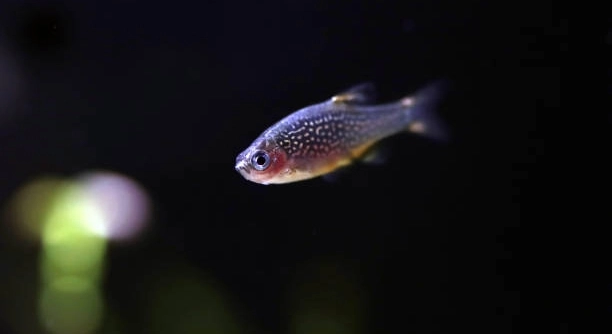
Have you ever tried to prepare a safe breeding space for your danios and felt uncertain about the specific water details they rely on during the earliest moments of their development in your home aquarium.
The primary water chemistry factors critical to danio breeding include stable temperature, balanced pH, moderate hardness, clean oxygenated water, controlled ammonia levels, gentle flow, and consistent monitoring, which together support healthy spawning behavior and ensure survival of eggs and fry.
These essential principles shape a reliable foundation for breeding success, inviting you to explore each factor and strengthen your approach.
Temperature Stability
Maintaining steady temperature conditions is one of the most important steps I rely on when preparing a breeding setup for danios. These small fish respond quickly to changes in their environment, so keeping the water warm and consistent supports healthy activity and encourages the behaviors that lead to successful spawning. I always aim for a range that stays firm without sudden drops or spikes, because unstable heat can interrupt egg development and reduce the fry’s chance of survival. A reliable heater makes a noticeable difference, especially in cooler rooms where fluctuations are common. I also take a moment each day to check the thermometer and ensure everything stays within the ideal range. This simple habit keeps the entire system stable and gives the breeding pair the calm environment they need. With the temperature under control, the rest of the conditions become easier to manage and the overall setup stays balanced.
Stable heat levels create a dependable base for breeding success, allowing danios to remain active and confident in their environment. By preventing stressful swings, you protect developing eggs and support a structured routine that strengthens the entire breeding setup and improves the outcome for both adults and fry as well.
I find that temperature management becomes more effective when paired with steady observation. Each small adjustment helps danios stay calm and active during breeding, especially when they begin to display quick movements around plants and spawning mops. Keeping the water warm encourages the females to release eggs while the males stay focused on fertilizing them. When the temperature remains stable, the eggs develop at a predictable rate and the fry hatch stronger. This dependable pattern reduces stress for the fish and helps create a controlled environment. Over time, these careful steps support healthier breeding cycles and smoother maintenance of the aquarium.
Balanced pH and Hardness
Maintaining proper pH and hardness supports steady growth and strong development in danio eggs and fry. These water values influence how comfortably the fish behave during breeding, keeping stress low and allowing the entire setup to function with dependable consistency throughout the spawning process in a stable and balanced manner.
Keeping pH and hardness within a gentle, stable range helps danios feel secure during breeding, and I notice clearer results when these values remain controlled. A slightly soft to moderately hard environment supports proper egg development without placing strain on the adults. Consistency is the key, because sudden shifts can disturb breeding behavior and interrupt fertilization. I monitor these levels regularly to prevent small issues from becoming larger problems that affect the eggs. When the pH stays balanced, the water chemistry remains predictable, giving the breeding pair a calm foundation. Hardness also influences how well the eggs form, making it important to maintain a controlled mineral balance. I adjust these parameters slowly to avoid stressing the fish, using gradual changes that help the system stay steady. Stable conditions help the fry develop stronger bodies and improve their chances of surviving the early stages. With careful attention, the entire breeding process stays smoother and more reliable. These efforts keep the water comfortable, ensure consistent behavior, and create a space where both eggs and fry can thrive in a dependable environment that remains easy to maintain throughout the breeding period. These balanced levels support healthier outcomes and reinforce stability across every stage.
Clean Oxygenated Water
Clean, well-oxygenated water helps danios stay active during breeding and supports the proper development of eggs. I keep the water clear and gently moving, since fresh circulation prevents waste buildup and keeps the entire setup comfortable for both the adults and the developing fry.
Strong oxygen levels create a safer breeding space and help the eggs receive the support they need as they develop. I rely on a sponge filter because it offers gentle movement without pulling eggs into the intake. This type of filtration keeps the water clean while protecting tiny fry once they hatch. Regular water changes also help maintain clarity and improve oxygen exchange, especially when breeding pairs become more active. Clean water allows the fish to focus on natural spawning behavior without added stress from poor conditions, and it supports a predictable environment that remains stable throughout the entire process.
Maintaining oxygenation becomes more effective when paired with reduced debris and consistent upkeep. I remove uneaten food quickly to prevent waste from lowering oxygen levels or increasing harmful byproducts. Consistent aeration helps stabilize the water’s chemistry and keeps the fry from facing early developmental stress. Gentle surface movement improves gas exchange, preventing stagnant pockets that can interfere with egg health. These steps create an environment where danios remain confident and active, allowing breeding to continue smoothly. With each adjustment, the system becomes more reliable, giving both adults and fry the supportive water conditions they need for steady growth.
Controlled Ammonia Levels
Keeping ammonia under control protects the adults and prevents damage to developing eggs and fry. Even small spikes can interrupt healthy breeding behavior, so I monitor levels closely and avoid overfeeding to reduce waste that can lead to sudden increases and unnecessary stress during spawning.
Stable ammonia control begins with consistent maintenance and a gentle filtration setup that supports biological balance. I use regular water changes to dilute any buildup and keep the environment predictable. The sponge filter helps preserve beneficial bacteria, which convert harmful waste into safer forms and reduce the chance of fluctuations. Careful feeding also plays a major role, since excess food breaks down quickly and affects the chemistry. Maintaining these habits keeps the water safe, allowing the adults to breed without interruption and giving the eggs a clean space to develop. With steady monitoring and gradual adjustments, the overall system stays balanced and the fry enter a healthier environment.
Gentle Water Flow
Gentle water flow keeps danios comfortable during breeding and prevents eggs from being pushed around the tank. I rely on soft circulation that supports oxygen exchange without disturbing spawning areas or stressing the adults while they prepare to release and fertilize their eggs.
A mild current also helps maintain clean surfaces where eggs settle. Strong flow can scatter the eggs or damage delicate fry, so I keep it steady and controlled. This balance supports healthier development and allows the breeding pair to focus on their natural spawning behavior in a calm and stable environment.
Consistent Monitoring
Consistent monitoring helps me catch changes early and keep breeding conditions stable. I check temperature, pH, hardness, and ammonia levels every day to maintain healthy water chemistry. Regular observation prevents sudden swings that can interrupt spawning behavior or harm developing eggs and fry. These small habits make each stage more predictable and strengthen overall breeding success. With steady attention, the aquarium remains balanced, allowing the adults to breed comfortably and the fry to develop in a safe environment that supports their early growth.
Nitrate Control
Low nitrate levels protect developing fry from stress and keep the breeding space cleaner. I manage this through water changes and controlled feeding, making sure waste stays minimal and the environment remains safe for both adults and newly hatched fry.
FAQ
How important is water chemistry for danio breeding?
Water chemistry plays a major role in creating a stable breeding environment, and I depend on it to keep both adults and fry safe. Danios respond quickly to changes, so consistent values help them stay active and focused during spawning. Proper chemistry supports healthy egg development, reduces stress, and prevents avoidable losses. When conditions stay steady, the entire breeding process becomes easier to manage, and the chances of successful hatching rise noticeably. Each parameter works together, and even small improvements make the breeding setup smoother to maintain.
What pH range works best for danio breeding?
A gentle and stable pH range works best for breeding danios. I keep the pH slightly acidic to neutral, since this creates a comfortable environment without placing strain on the adults or developing eggs. Stability matters more than the exact number, so I avoid sudden adjustments and make changes slowly when needed. A balanced pH helps eggs develop properly and keeps the adults relaxed enough to maintain natural breeding behavior.
Why is soft to moderate hardness recommended?
Soft to moderate hardness gives danios the mineral balance they need for proper spawning. I have noticed that eggs form better when the hardness stays within a stable, moderate range. High hardness can complicate development, while extremely soft water may leave the system less stable. Keeping hardness controlled prevents stress and gives the fry a better chance of healthy growth in the early stages.
How often should I perform water changes during breeding?
I prefer small and frequent water changes during breeding because they help maintain stability without disturbing the eggs. Large changes can shift the chemistry too quickly, so I avoid them at this stage. Regular, gentle changes remove waste, keep oxygen levels steady, and support predictable conditions. This simple routine reduces stress for both the adults and the fry.
Why is oxygenation important for eggs and fry?
Eggs and fry depend on clean, oxygen-rich water to develop properly. Without enough oxygen, the eggs may fail to hatch or the fry may weaken early. I use gentle filtration and soft surface movement to improve oxygen exchange without disrupting the breeding sites. Good oxygenation also prevents stagnant spots where harmful substances can build up.
When should I test water parameters during breeding?
I test the water every day when the breeding tank is active. This helps me catch changes before they become bigger issues. Sudden shifts can interrupt breeding, harm eggs, or slow fry development. By staying consistent with testing, the entire system remains more predictable, and I can make small corrections without stressing the fish.
How can I keep ammonia and nitrite at zero?
I rely on a sponge filter, careful feeding, and frequent water changes to keep ammonia and nitrite at zero. These compounds are dangerous even in small amounts, especially during breeding. Maintaining a healthy biological filter and avoiding leftover food reduces the risk of spikes that threaten the eggs and fry.
Do nitrates matter as much as ammonia and nitrite?
Nitrates are less harmful than ammonia and nitrite, but they still matter during breeding. High nitrate levels weaken fry and increase stress. I control them through water changes and light feeding, keeping the environment cleaner and safer for the developing young.
What if my water parameters fluctuate during breeding?
If I see fluctuations, I focus on stabilizing the system slowly. I avoid sudden corrections, since those changes can add more stress. Instead, I adjust gently, monitor frequently, and support the tank with small water changes. Maintaining calm and steady conditions helps the breeding pair recover quickly and protects the eggs from instability.
Final Thoughts
Breeding danios becomes much easier when the water chemistry stays steady, and I find that each careful adjustment helps create a more dependable environment. These fish respond closely to the conditions around them, so maintaining clean, balanced, and stable water allows them to stay active and follow their natural behaviors without added stress. When temperature, pH, hardness, and other elements remain controlled, the adults remain confident enough to spawn, and the eggs develop with fewer complications. Paying attention to these details may feel repetitive at times, but it creates a smoother process and reduces surprises that would otherwise interrupt the breeding cycle. The effort becomes worthwhile when the tank stays predictable and each change supports the stability the fish need. Over time, the setup becomes easier to maintain, and the fish benefit from an environment that keeps them safe through every stage of development.
A stable breeding tank relies on daily habits, and I find that consistent monitoring prevents most issues before they begin. Simple routines such as checking temperature, observing the adults, and watching how the water looks help keep everything steady. Even small shifts can affect the eggs and fry, so staying aware allows me to make adjustments without overwhelming the tank. Clean and oxygenated water supports both the spawning adults and the newly developing fry, and gentle filtration protects the eggs from strong flow or sudden changes. Each task, whether adjusting hardness or performing a small water change, adds another layer of stability. This kind of structure gives the adults a comfortable environment to breed and creates dependable conditions for the eggs to settle and grow. As these habits develop, the breeding setup becomes more balanced, and the results improve naturally. With time, the entire process begins to feel more controlled and less stressful for both the fish and the person caring for them.
Seeing fry grow in a well maintained setup serves as a reminder that water chemistry plays a major part in their success. Keeping ammonia and nitrite levels at zero, holding nitrates low, and maintaining steady temperature and hardness gives the fry a stronger start. These young fish are fragile, and their needs remain simple but important. When the tank stays clean and balanced, they develop with more strength and fewer setbacks. A stable environment also keeps the adults healthier, reducing fatigue and supporting future breeding cycles. Caring for danios in this way does not require complex steps, only steady attention and gentle adjustments. The rewards come from watching healthy fry thrive in a space designed to support them from the earliest moments. Each choice contributes to a more reliable setup, and every improvement strengthens the long term success of breeding these lively fish. This steady approach helps maintain a calm, structured, and supportive environment that serves both adults and fry well.

Hello,
If you enjoy the content that we create, please consider saying a "Thank You!" by leaving a tip.
Every little bit helps us continue crafting quality advice that supports the health, happiness, and well-being of pets around the world, for pets of all shapes, sizes, and species.
We really appreciate the kindness and support that you show us!