
Is your Rosy Barb acting differently lately, leaving you unsure about what’s going on? Changes in behavior can often mean something isn’t quite right in their environment or routine.
The most common signs of stress in Rosy Barbs include erratic swimming, loss of appetite, faded colors, hiding, fin clamping, rapid breathing, and aggression. These behaviors are usually triggered by poor water quality, overcrowding, or sudden environmental changes.
Learning how to spot these signs early can help you keep your fish healthy and maintain a calm, stable aquarium environment.
Erratic Swimming and Frantic Behavior
Rosy Barbs are typically energetic, but when they start swimming in fast, unpredictable patterns or darting around the tank, it’s often a reaction to stress. This kind of behavior can be triggered by changes in water conditions, loud noises, or overcrowding. In some cases, it may even come from boredom due to lack of stimulation. These bursts of movement are different from their usual playful nature and can indicate they’re feeling overwhelmed or uncomfortable. Keeping the tank environment stable and providing enough space with hiding spots can help calm their behavior. Regular water testing is key, especially after adding new fish or adjusting equipment. If you notice one fish being chased or constantly swimming into the glass, it’s time to reassess the setup.
Fast swimming paired with sudden stops or crashes into objects should not be ignored. It’s often a physical sign of discomfort or environmental instability.
If this behavior continues, double-check your filter, temperature, and ammonia levels. Small shifts can have a big impact on sensitive species like Rosy Barbs. A poorly cycled tank, frequent tapping on the glass, or improper lighting schedules may also add to the stress. A consistent routine and quiet placement of the tank can often reduce this kind of frantic behavior.
Color Loss and Pale Appearance
Stress often shows up in a Rosy Barb’s color. Pale scales or faded stripes can signal something’s wrong with their living conditions.
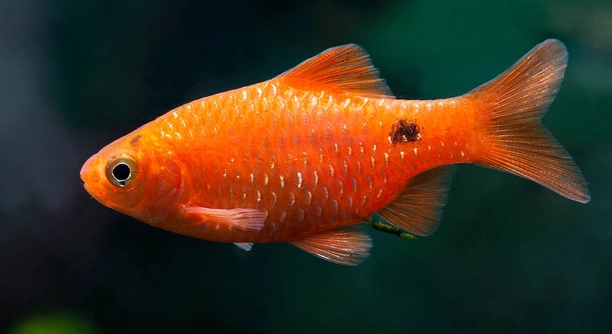
A healthy Rosy Barb usually displays rich, rosy shades, especially when well-fed and cared for. However, when their surroundings become stressful—due to changes in water quality, poor diet, or aggression from other fish—their colors may fade. This color change happens gradually in most cases, often going unnoticed until it becomes quite visible. Dull coloration can also appear when lighting is too harsh or inconsistent. It’s important to note the difference between temporary dullness (often caused by sleep or lights turning on suddenly) and prolonged loss of color, which usually indicates more serious problems. Keeping nitrate levels low, offering a proper diet, and reducing tank aggression can help them regain their vibrant hue. Tank mates play a key role too—if Rosy Barbs are bullied or lack enough space, it can lead to stress that affects their color and overall health.
Loss of Appetite and Feeding Changes
Rosy Barbs usually have a strong appetite, so ignoring food is often a clear sign something is off. Stress from water changes, illness, or sudden tank disruptions can lead to skipped meals.
If your Rosy Barb stops eating, check water parameters first. Ammonia spikes, pH imbalances, and high nitrate levels can all impact appetite. Sometimes, food refusal may also come from internal parasites or infections, which will require closer attention. If multiple fish stop eating, it’s likely an environmental issue. Try offering high-quality flakes or frozen food to encourage eating again. Avoid overfeeding during this time, as uneaten food will only pollute the water more. Soft lighting and less noise around the tank can make feeding times less stressful. Even minor disturbances like strong currents or unfamiliar surroundings can cause temporary appetite loss, but prolonged refusal signals a need for immediate action.
Diet changes should be gradual. Switching brands or types of food too suddenly may confuse or upset your fish. Rosy Barbs thrive on variety, so incorporating occasional treats like bloodworms or blanched vegetables can help them recover their appetite. If they’re still not eating after a few days, you may need to isolate the affected fish for observation or consult a vet familiar with aquatic health.
Hiding More Than Usual
Excessive hiding is one of the quieter signs of stress in Rosy Barbs. They naturally enjoy swimming in open areas, so staying hidden may suggest fear, poor tank setup, or illness.
Rosy Barbs often hide due to poor water quality, bright lighting, or bullying from other fish. If they suddenly spend most of their time behind plants or decorations, something is likely bothering them. Look for aggressive tank mates or changes in your aquarium’s setup. A lack of cover may cause nervousness, but too much hiding can also mean your fish doesn’t feel safe in its surroundings. Sometimes, new fish take time to adjust, but extended hiding often points to something more serious. Observe carefully—pair this behavior with other signs like color loss or appetite change for better insight into what’s wrong. Stable conditions and proper tank mates often help them return to their usual activity.
Clamped Fins and Tense Posture
When Rosy Barbs hold their fins close to their bodies, it’s often a response to stress or discomfort. This behavior makes them appear stiff or less active and can signal poor water quality or illness.
Clamped fins may also show up after introducing new tank mates or after a sudden temperature drop. Keeping the tank stable can help.
Rapid Gill Movement and Labored Breathing
Fast gill movement usually points to low oxygen levels, high ammonia, or temperature stress. When Rosy Barbs breathe heavily or stay near the surface, they’re likely struggling with the water quality. Use a test kit to check ammonia, nitrites, and oxygen levels. Adding an air stone or increasing surface agitation may help, especially in warmer tanks where oxygen levels drop quickly. If multiple fish are affected, immediate action is needed. Check for overfeeding or clogged filters as these can lead to oxygen depletion. Make small water changes and avoid over-cleaning the tank, as removing too much beneficial bacteria can worsen the problem.
Aggressive or Nippy Behavior
Rosy Barbs can show aggression when stressed or overcrowded. Nipping, chasing, or guarding areas may signal tension in the tank. Proper group size and enough swimming space can often reduce this behavior.
FAQ
What causes stress in Rosy Barbs?
Stress in Rosy Barbs is most commonly caused by poor water quality, overcrowding, sudden changes in temperature, or aggressive tank mates. Even minor shifts in water parameters—like pH or ammonia levels—can trigger stress responses. Improper lighting, loud noise, or being moved to a new environment can also create tension. Stress may develop slowly or appear suddenly, depending on the source. Routine tank maintenance, consistent feeding times, and a stable environment are essential in reducing these stressors and keeping your fish active and healthy.
How can I tell if my Rosy Barb is stressed or sick?
Stress and illness often show similar signs: loss of appetite, hiding, faded color, rapid breathing, and clamped fins. The key difference is duration and severity. If signs improve after correcting tank issues, it’s likely stress. If they continue or worsen—especially with visible changes like white spots, lesions, or bloating—illness may be the cause. Observe behavior closely and watch for changes in waste, posture, and breathing patterns. A water test is always the first step. If illness is suspected, consider isolating the fish and seeking aquatic veterinary advice if symptoms persist.
Why is my Rosy Barb hiding all the time?
Frequent hiding can happen when Rosy Barbs feel unsafe or stressed. Check for bullying from other fish, poor tank layout, or loud disturbances around the tank. Bright lights or a lack of shelter can also make them feel exposed. Adding plants and decorations for cover may help. Make sure the tank isn’t overcrowded and that there’s enough room for swimming. Rosy Barbs are social, active fish—when they start hiding often, it usually means they’re unhappy with their environment or tank mates.
Is it normal for Rosy Barbs to change color?
Yes, slight color changes can happen with age, mood, or breeding. But if your Rosy Barb becomes pale or dull over time, that usually means they’re stressed. Poor diet, water quality, and lighting can all play a role. Color can also fade during illness or when the fish isn’t feeling well. To help restore vibrant colors, improve their diet with varied, nutrient-rich foods, and ensure stable tank conditions. Sudden, extreme color loss should be taken seriously and checked alongside other stress indicators.
Can a Rosy Barb recover from stress?
Yes, Rosy Barbs often bounce back once the cause of stress is removed. Recovery starts with fixing water issues, improving diet, and providing a peaceful, well-decorated space. Most fish show signs of improvement within a few days. Keep a close watch for consistent eating, active swimming, and clear coloring. Make changes slowly and avoid over-handling or frequent tank rearrangements during recovery. Adding live plants and reducing noise or foot traffic near the tank can also help reduce future stress.
How many Rosy Barbs should be kept together to reduce stress?
Rosy Barbs are shoaling fish, and they thrive in groups. Keeping them in a group of at least five reduces stress and prevents aggressive behavior. When kept alone or in too-small groups, they may become anxious or aggressive toward other tank mates. A well-sized group spreads out energy, provides social comfort, and helps prevent dominance struggles. Always make sure your tank is large enough to handle the full group comfortably with enough swimming room and hiding spots.
What’s the best way to calm a stressed Rosy Barb?
Start by testing and correcting water conditions—this is the most effective step. Keep the tank clean and well-filtered, with steady temperatures and proper lighting. Offer high-quality food but avoid overfeeding. Limit loud noises or sudden movements near the tank. Add more hiding spots using plants or decorations to help them feel secure. Keep a stable routine, and try not to make too many changes at once. If you just added new fish, give your Rosy Barbs a few days to adjust, and observe them for improvement.
Final Thoughts
Recognizing stress in Rosy Barbs can help prevent bigger problems in your tank. These fish are usually active and social, so when their behavior changes, it’s often a signal something isn’t right. Signs like color loss, hiding, clamped fins, and erratic swimming can all point to stress. These signs may appear slowly or come on quickly, depending on the cause. Watching your fish closely every day is one of the best ways to catch these early. You don’t need to be an expert—just being consistent in your care and paying attention to small changes can go a long way.
Keeping your tank environment stable is key to reducing stress. That means checking the water regularly, maintaining good filtration, and keeping the temperature steady. Avoid overcrowding and always match your Rosy Barbs with peaceful, compatible tank mates. Don’t forget that even things outside the tank—like loud noises, bright lights, or constant movement—can cause discomfort. Adding plants, decorations, and enough swimming space gives your fish the structure and safety they need. If you’re adding new fish or making changes, do it slowly and with care. Sudden shifts often lead to problems that could have been avoided with a little patience.
Helping a stressed Rosy Barb recover is often possible with simple steps. Give them a clean, quiet space with room to swim. Offer them quality food in small amounts, and limit handling or sudden disruptions. If symptoms continue, check your water again and make sure nothing has changed. Stress doesn’t always mean disease, but if the fish shows signs of illness, don’t wait too long to act. Isolate the fish if needed and consider asking for help at a local aquarium store or from a vet who works with fish. The more you learn about your fish’s needs, the easier it becomes to keep them healthy and active. Creating a balanced, low-stress home means your Rosy Barbs can show their best colors and behavior for years to come.

Hello,
If you enjoy the content that we create, please consider saying a "Thank You!" by leaving a tip.
Every little bit helps us continue crafting quality advice that supports the health, happiness, and well-being of pets around the world, for pets of all shapes, sizes, and species.
We really appreciate the kindness and support that you show us!