
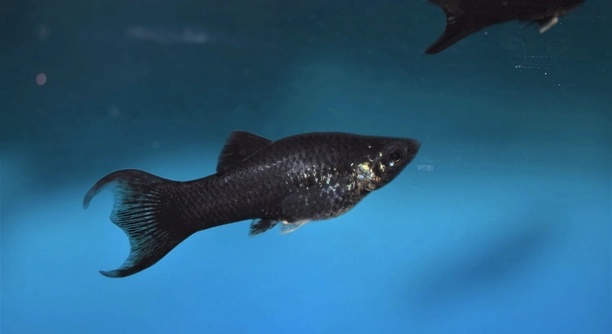
Keeping black mollies healthy can feel like a small challenge, especially with their delicate needs. Daily care ensures they stay active, bright, and free from stress. Simple routines can make a noticeable difference in their well-being.
The seven quick checks for daily black molly care include monitoring water quality, observing feeding behavior, checking fins and scales for damage, ensuring proper tank temperature, inspecting filtration, evaluating social interactions, and keeping track of activity levels. These steps maintain overall fish health.
Regular attention to these checks will help your mollies thrive. Small habits repeated daily create a safe and comfortable environment for your fish.
Checking Water Quality
Maintaining clean water is the most important part of black molly care. I always start my day by testing the water’s pH, ammonia, nitrite, and nitrate levels. Black mollies thrive in a slightly alkaline pH between 7.5 and 8.5. Ammonia and nitrite should always be at zero, and nitrate should remain below 20 ppm. Performing partial water changes at least once a week keeps toxins low and provides fresh oxygen. I keep a small siphon nearby to remove debris from the substrate, which helps prevent buildup that can harm fish. A clean filter also supports healthy water conditions by removing impurities and promoting beneficial bacteria growth. Observing water clarity and noticing any sudden changes in smell or color can help spot issues before they affect the fish. Consistent attention to water quality gives black mollies the stability they need to stay healthy and active.
Daily water checks are simple but essential for preventing stress and disease in black mollies.
Keeping water clean reduces the risk of infections and promotes long-term health. Regular monitoring ensures that the tank remains a stable environment where mollies can swim freely and display natural behaviors. Fresh, clean water supports their metabolism, coloration, and overall vitality. Small, consistent efforts make a big difference in preventing health issues before they start. Monitoring temperature alongside water quality ensures that conditions stay ideal, further enhancing comfort and reducing stress. Over time, these routines become second nature, making maintenance quick and efficient. By dedicating just a few minutes each day, the tank remains safe and pleasant for the fish. Observing the fish’s behavior during these checks also gives clues to subtle problems, allowing early adjustments. Following this approach consistently keeps black mollies active, colorful, and thriving.
Observing Feeding Behavior
Feeding black mollies is more than dropping flakes in the tank. I pay attention to how eagerly they eat and whether all fish get their share. Uneaten food should be removed to prevent decay.
A balanced diet includes high-quality flakes, live or frozen brine shrimp, and occasional vegetables.
Overfeeding can lead to bloating and water pollution, so I measure portions carefully. Feeding two to three small meals a day works best. I notice that when mollies are healthy, they swim actively to the surface at feeding times and quickly consume the offered food. Slow or hesitant eating may signal illness or stress. I rotate food types to provide proper nutrients and encourage natural foraging behaviors. Sometimes I hand-feed small amounts to observe each fish’s appetite and ensure no one is left out. Watching feeding closely also lets me spot changes in color or weight, which can indicate health issues. Maintaining this routine supports strong immune systems and overall vitality.
Checking Fins and Scales
Regularly inspecting fins and scales helps catch health problems early. I look for torn fins, missing scales, or white spots. Any irregularity can signal infection, injury, or stress.
Healthy black mollies have smooth, intact fins and shiny scales. Torn fins may result from aggressive tank mates or rough decorations. White spots often indicate ich, a common parasite. I remove sharp objects from the tank and maintain clean water to prevent infections. Observing changes in swimming patterns alongside fin and scale condition helps identify subtle issues. Prompt treatment of problems keeps the fish from worsening.
I gently move my hand near the tank to watch how fish react. Healthy mollies swim confidently and maintain their fin shape. Sluggish movement or clamped fins often points to stress or illness. Catching these signs early lets me take action quickly, whether adjusting water conditions or isolating affected fish. Regular checks give reassurance that the fish remain healthy and active, reducing the chance of sudden health problems. This habit has become an essential part of my daily routine.
Monitoring Tank Temperature
Maintaining a stable temperature is essential. I keep the water between 75 and 82°F and avoid sudden changes.
Black mollies are tropical fish that react quickly to fluctuations. A reliable heater and thermometer are essential to keep the temperature steady. I check the thermometer daily, ensuring readings remain consistent. Too low a temperature can slow metabolism, while too high may stress the fish, increasing susceptibility to disease. Sudden drops during water changes are minimized by adjusting water gradually before adding it to the tank. Consistent temperature supports normal feeding, swimming, and breeding behaviors.
I also observe the fish during temperature checks. Lethargic behavior, hiding, or gasping near the surface can indicate stress from improper temperature. Adjustments are made slowly, giving fish time to acclimate. Using a stable heater with an automatic shut-off ensures the tank doesn’t overheat. I’ve noticed that black mollies thrive when the environment remains predictable. Regular monitoring prevents sudden shocks that could compromise health. Maintaining ideal temperature is one of the most effective ways to support strong immune function and vibrant coloration.
Inspecting Filtration
A working filter keeps the water clean and oxygenated. I check daily for clogs, unusual noises, or slow flow. Clean filters prevent debris buildup and maintain healthy water conditions.
I rinse filter media gently in tank water to preserve beneficial bacteria. Regular maintenance ensures the filter functions efficiently.
Evaluating Social Interactions
Black mollies are social fish that thrive in groups. I watch how they interact, noting any aggression or excessive hiding. Peaceful coexistence supports mental and physical health.
Aggressive behavior can stress the fish, while consistent schooling indicates comfort. Adjusting tank mates or decorations can reduce conflicts.
Tracking Activity Levels
Observing swimming patterns shows overall health. I note changes in energy, responsiveness, or unusual hiding spots. Active fish are generally healthy and stress-free.
FAQ
How often should I check my black molly’s tank water?
I check water parameters at least once a day, focusing on temperature, pH, ammonia, nitrite, and nitrate levels. A quick glance at the thermometer and filter ensures everything is stable. Weekly partial water changes help maintain overall cleanliness. Consistent checks prevent sudden health problems.
What is the best diet for black mollies?
I feed a mix of high-quality flakes, frozen or live brine shrimp, and occasional blanched vegetables like zucchini or spinach. Rotating food types provides balanced nutrition. Feeding small amounts two to three times a day keeps them healthy and prevents overfeeding.
How can I tell if my fish is stressed?
Stress signs include clamped fins, hiding constantly, loss of appetite, and unusual swimming patterns. I notice these changes during daily observations. Identifying stress early allows me to adjust water conditions, check tank mates, or reduce sudden environmental changes.
Why are my black mollies not eating?
Loss of appetite can be caused by poor water quality, illness, or stress. I start by testing the water and checking for signs of disease. Sometimes adjusting temperature or offering a variety of foods helps restore their interest in eating.
How do I treat fin damage or torn scales?
I remove sharp decorations and maintain clean water to reduce infection risk. Minor tears often heal naturally. For white spots or unusual marks, I consider medicated treatments after observing behavior and consulting recommended guidelines for freshwater fish care.
Can black mollies live with other fish?
Yes, they do best with peaceful tank mates. Aggressive fish can stress them or damage fins. I monitor social interactions closely and separate fish if necessary to prevent fights and maintain a calm environment.
How often should I perform water changes?
I do partial water changes at least once a week, replacing 20–30 percent of the tank water. This keeps nitrate levels low, removes debris, and replenishes minerals. Consistent water changes reduce stress and support long-term health.
What is the ideal tank temperature?
Black mollies thrive between 75 and 82°F. I use a reliable heater and thermometer, adjusting gradually when needed. Maintaining a stable temperature keeps their metabolism, appetite, and activity consistent. Sudden fluctuations are avoided to prevent stress.
How do I prevent diseases in my mollies?
Regular water checks, proper feeding, and observing behavior are key. I quarantine new fish before adding them to the main tank. Keeping decorations smooth and avoiding overcrowding minimizes injuries and reduces the chance of infections.
Why is my molly hiding more than usual?
Hiding can indicate stress, illness, or environmental changes. I check water quality, temperature, and tank dynamics. Ensuring a peaceful tank with proper decorations allows fish to feel secure. Sudden behavior changes are always monitored closely.
Can black mollies breed in a home tank?
Yes, they can. I keep males and females together, but ensure plenty of hiding spots for fry. Healthy adults, clean water, and a stable temperature encourage breeding naturally. Monitoring behavior helps me know when fry might be present.
What signs indicate my molly is sick?
Loss of appetite, lethargy, unusual swimming, clamped fins, or spots are common signs. I observe daily to catch issues early. Prompt adjustments to water or treatment are essential for recovery. Preventive care reduces the likelihood of serious illness.
How do I keep my black mollies active?
Stable water conditions, proper diet, and compatible tank mates encourage activity. I notice that fish with enough space and stimulation swim more confidently and explore their environment regularly. Small changes, like rearranging plants, can motivate movement without causing stress.
How can I tell if my tank is overcrowded?
I monitor the number of fish and their swimming space. Overcrowding can lead to aggression, stress, and poor water quality. Ensuring each fish has enough space prevents health problems and maintains a peaceful tank environment.
What should I do if a fish dies?
I remove the fish immediately, test water parameters, and inspect the remaining fish for signs of illness. Proper disposal and cleaning prevent contamination. Observing tank conditions carefully after a loss helps avoid further issues.
How often should I clean the filter?
I rinse filter media gently every two to four weeks in tank water to preserve beneficial bacteria. Cleaning too often or using tap water can disrupt bacterial colonies, harming water quality. Consistent maintenance ensures efficient filtration and a healthy tank environment.
How can I encourage natural behavior in my mollies?
I provide plants, hiding spots, and open swimming areas. Observing their swimming, foraging, and social interactions shows if the environment meets their needs. Varied food and gentle interaction support natural activity patterns and reduce stress.
Is it normal for black mollies to jump?
Yes, they can jump when startled or exploring. I always keep a tank lid to prevent accidents. Ensuring calm water and avoiding sudden movements reduces jumping behavior. Regular observation helps me respond quickly if a fish seems overly active or stressed.
Can black mollies live in brackish water?
They tolerate slightly brackish conditions but thrive best in freshwater. I occasionally add a tiny amount of aquarium salt for health benefits, but I monitor the concentration carefully. Maintaining consistent conditions ensures comfort and long-term well-being.
How do I know if my molly is overweight?
I watch body shape and swimming ability. A bloated or rounded belly may indicate overfeeding or digestive issues. I adjust portions, vary the diet, and observe activity to maintain a healthy weight. Balanced feeding supports long-term health and vitality.
Caring for black mollies requires attention, but it does not need to be complicated. Consistent daily checks, like monitoring water quality, observing feeding behavior, and keeping an eye on fins and scales, make a big difference. Over time, these habits become part of a simple routine. A clean and stable environment allows the fish to stay active, healthy, and stress-free. Black mollies respond well to small, steady efforts rather than occasional intense interventions. Even small changes, like removing uneaten food promptly or adjusting the water temperature gradually, can prevent major health issues and help the fish thrive.
Feeding is another key part of daily care. Offering a balanced diet of high-quality flakes, live or frozen foods, and occasional vegetables supports strong immune systems and proper growth. Paying attention to how eagerly the fish eat, and making sure all of them get their share, helps avoid nutritional deficiencies and overfeeding problems. Watching feeding times also provides an opportunity to observe behavior, notice subtle changes in activity, and detect early signs of illness. When the fish eat consistently and swim actively, it is often a good indication that the tank conditions are suitable and that they feel safe and comfortable.
Maintaining social harmony in the tank is just as important as physical care. Black mollies are social creatures, and monitoring interactions helps prevent aggression or stress. Ensuring enough space, compatible tank mates, and hiding spots reduces conflicts and allows them to express natural behaviors. A stable temperature, clean water, and functioning filtration also contribute to their overall comfort and vitality. By committing to regular attention in these areas, black mollies can live long, healthy lives. Simple, steady care routines not only support their health but also make observing and enjoying their behavior more rewarding. Daily consistency, rather than sporadic efforts, is the most effective way to ensure a thriving, balanced tank.

Hello,
If you enjoy the content that we create, please consider saying a "Thank You!" by leaving a tip.
Every little bit helps us continue crafting quality advice that supports the health, happiness, and well-being of pets around the world, for pets of all shapes, sizes, and species.
We really appreciate the kindness and support that you show us!