
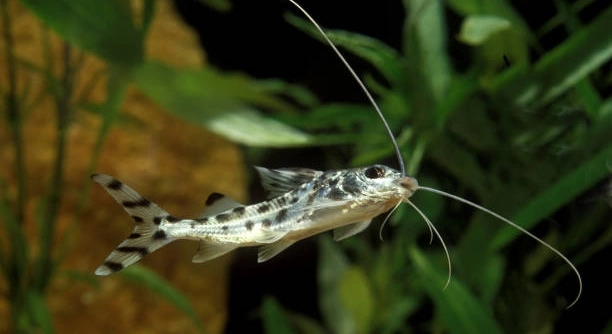
Many people enjoy keeping pictus catfish in their aquariums because of their lively nature and unique appearance. However, pictus can sometimes seem restless or uncomfortable. Understanding how water flow affects their well-being is important for a healthy tank environment.
Improper water flow can cause stress and discomfort for pictus catfish. Strong currents may tire them out, while weak flow can reduce oxygen levels and create stagnant areas. Maintaining balanced water movement is essential for their comfort and health.
Learning about common water flow mistakes will help you create a better home for your pictus. This article will explain key issues and how to avoid them.
Too Strong a Current
Many aquariums have powerful filters that create strong water currents. While these are great for keeping the water clean, they can be stressful for pictus catfish. These fish prefer moderate flow because strong currents make swimming difficult. When the current is too strong, pictus can tire easily and may hide more often. This reduces their activity and enjoyment in the tank. It is important to find the right balance between water movement and calm areas where they can rest. Adjusting the filter output or adding decorations like plants and rocks can help break the flow. This creates zones with gentler currents. Observing your pictus can tell you if the current is too strong—if they struggle to swim or hide all the time, the water flow may need adjusting. Keeping the water moving but not overwhelming is key to their comfort.
Strong currents reduce pictus activity and increase stress, so balancing flow is necessary for a healthy environment.
Making sure your aquarium has areas with slower water flow lets pictus rest and swim comfortably. Decorations and plants can help slow down strong currents by breaking the water movement. This creates a more natural space for your fish to explore and relax. When pictus have places to escape strong flow, they feel safer and less stressed. It’s also important to monitor how much your filter pushes water. Sometimes, simply lowering the filter’s output or changing its position improves conditions. The goal is to provide a steady flow that supports oxygenation and cleanliness without exhausting the fish. Achieving this balance encourages natural behaviors and keeps your pictus happy in their tank.
Uneven Water Flow
Uneven water flow causes some parts of the tank to have fast currents while others become stagnant. This creates an uncomfortable environment for pictus catfish. Stagnant areas have low oxygen, and too-fast zones tire the fish out.
Uneven flow can create “dead spots” where waste collects and oxygen is low. This is harmful for pictus and other tank inhabitants.
To prevent uneven flow, it’s important to distribute water movement evenly throughout the aquarium. Using multiple filter outputs or circulation pumps can help spread flow more uniformly. Proper tank layout also matters; placing plants and decorations strategically can guide water movement and prevent dead spots. Regular water testing and observation show if some areas are under or over-flowing. Fixing uneven flow not only helps pictus feel comfortable but also keeps water cleaner and healthier for all aquatic life. Consistent flow supports better oxygen levels and waste removal, reducing the risk of disease and stress in your fish.
Over-filtering the Tank
Over-filtering can create water flow that is too strong for pictus catfish. This makes it hard for them to swim and rest comfortably. The water may become turbulent, causing unnecessary stress.
When filters push too much water, pictus spend extra energy trying to hold their position. This constant effort can wear them down and reduce their natural behaviors like exploring or feeding. Over-filtering can also disturb substrate and plants, creating cloudy water and debris. Lowering the filter output or using adjustable flow filters helps manage this problem. It’s important to choose a filter that suits the tank size and fish species to avoid excessive flow.
Adjusting filter settings and adding flow reducers like spray bars or diffusers can soften strong currents. Creating calm areas where pictus can rest is essential. This balance improves fish health and tank stability, helping pictus thrive.
Incorrect Filter Placement
Incorrect filter placement leads to uneven water flow and unwanted current patterns. This can confuse pictus and force them to swim against harsh flows.
Placing the filter output directly across the tank or near resting spots increases water speed in some areas. This limits where pictus feel comfortable. Instead, placing the filter to one side or near the surface can create gentler circulation. It also helps mix oxygen more evenly without strong jets. Rearranging tank decorations to guide water flow can reduce sharp currents too. Proper placement supports natural fish behavior and tank cleanliness by promoting steady, balanced flow. Observing how your pictus interact with the flow will help you decide the best filter position for their comfort and health.
Lack of Flow Variation
Constant water flow at one speed can tire pictus catfish. They need a mix of gentle and stronger currents to feel comfortable.
Without flow variation, the tank environment becomes dull and stressful. Fish benefit from areas where they can choose how much current to face.
Blocked Flow Paths
When decorations or plants block water flow, it causes uneven movement. This forces pictus to swim harder in some spots and rest in others.
Clearing flow paths improves circulation and helps maintain even oxygen distribution. Proper placement of tank elements keeps water moving naturally and supports fish comfort.
Ignoring Fish Behavior
Pictus catfish show signs when water flow is wrong. They may hide more or seem restless near filters or strong currents.
Observing how your fish respond is key. Changes in swimming patterns or frequent hiding spots often indicate water flow problems needing adjustment.
FAQ
How do I know if the water flow is too strong for my pictus catfish?
If your pictus seem to struggle swimming or hide frequently near the tank’s corners, the flow is likely too strong. They might also rest constantly at the bottom or behind decorations to escape the current. Watching their behavior closely can help you judge if adjustments are needed.
Can I use a sponge filter to reduce water flow stress?
Yes, sponge filters create gentle water movement and are excellent for tanks with pictus catfish. They provide good biological filtration without producing strong currents, helping to keep the fish comfortable while maintaining water quality.
Is it better to have multiple smaller filters instead of one large filter?
Using multiple smaller filters or powerheads can help distribute water flow more evenly throughout the tank. This reduces the risk of creating strong currents in one area and dead zones in another, allowing pictus to choose comfortable spots with varying flow.
What role do plants and decorations play in managing water flow?
Plants and decorations break up strong currents and create resting places for pictus catfish. They guide water movement, preventing fast, direct flow and providing natural areas for fish to hide and relax. Thoughtful tank layout improves overall comfort.
How often should I check my filter’s flow rate?
Regular checks every few weeks ensure the filter is working properly and not creating excessive flow. Filters can get clogged or malfunction, increasing or decreasing flow unexpectedly. Monitoring helps maintain the right balance for your pictus.
Will adjusting the filter output affect tank cleanliness?
Lowering filter flow slightly usually won’t harm water quality if the filter is properly sized. It’s better to reduce current than cause stress. If necessary, upgrade filtration or add extra biological filters to maintain cleanliness without harsh flow.
What signs indicate pictus are uncomfortable due to water flow?
Signs include hiding frequently, decreased swimming activity, clamped fins, or rubbing against surfaces. Fish may also lose appetite or show unusual restlessness. These behaviors suggest they are avoiding strong currents or stagnant areas.
Can tank size affect how water flow impacts pictus catfish?
Yes, larger tanks often need stronger filters to maintain water quality, but this can create unwanted currents. Smaller tanks may have calmer flow but risk stagnation. Balancing flow with tank size and decoration placement is essential for pictus comfort.
Are there any tools to measure water flow in an aquarium?
Flow meters designed for aquariums exist but are not commonly used by hobbyists. Observing fish behavior and water surface movement is usually enough to judge flow. Simple adjustments and monitoring often provide better results.
How important is oxygenation compared to water flow speed?
Oxygenation is crucial, but too strong flow to increase oxygen can harm pictus. Using surface agitation and plants can improve oxygen without creating harsh currents. Aim for steady water movement that supports oxygen levels while keeping fish relaxed.
Can adding an air stone help with water flow issues?
Air stones increase oxygen and create gentle water movement. They don’t produce strong currents, making them a good addition for tanks where filter flow is too strong. Air stones help maintain oxygen without stressing pictus catfish.
Should I turn off the filter at night to reduce water flow?
Turning off the filter is not recommended because it reduces oxygen and filtration. Instead, adjust the flow to a gentle setting if possible. Pictus benefit from consistent water movement and clean water around the clock.
How do I create flow zones in my aquarium?
Use decorations, plants, and filter placement to create areas with different flow speeds. Calm zones give pictus resting spots, while moderate flow areas keep water clean and oxygenated. This zoning mimics natural habitats and promotes fish well-being.
What’s the best way to reduce water flow without losing filtration?
Add spray bars, diffusers, or baffle materials to spread and soften water currents. Lowering filter output and rearranging tank elements also helps. Combining these methods maintains filtration while reducing stress from strong flow.
Finding the right water flow for pictus catfish is important for their health and happiness. Too much current can tire them out, while too little flow can lead to poor water quality and low oxygen. Keeping water movement balanced helps pictus swim comfortably and enjoy their tank. This means adjusting filters, placing decorations carefully, and watching how your fish behave. Small changes can make a big difference in how they feel.
Pictus catfish like places where they can rest without fighting strong currents. Creating areas with gentle flow and some spots with moderate movement is best. Plants and rocks help break the water’s force and give fish safe places to hide. Proper filter placement and flow control prevent uneven currents and stagnant zones. It’s good to check regularly that the flow still suits your fish, especially if you change tank decorations or equipment. Paying attention to these details supports a calm and healthy environment.
Overall, understanding how water flow affects pictus catfish helps you take better care of them. They show clear signs when something is wrong, so learning to read their behavior is useful. Adjusting water flow isn’t complicated, but it takes time and observation. With patience, you can create a tank where pictus feel safe and active. Their comfort is a sign your aquarium is balanced and well-maintained. This care keeps your fish happy for the long term.

Hello,
If you enjoy the content that we create, please consider saying a "Thank You!" by leaving a tip.
Every little bit helps us continue crafting quality advice that supports the health, happiness, and well-being of pets around the world, for pets of all shapes, sizes, and species.
We really appreciate the kindness and support that you show us!