
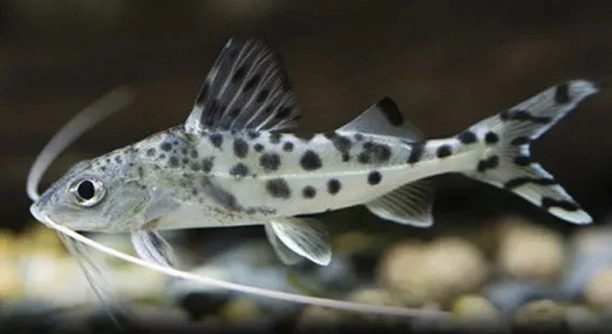
Your pictus catfish is a peaceful and active species that needs enough space to thrive. As they grow, their behavior and needs can change, signaling it might be time for a new setup. Watching these signs helps keep your fish healthy and happy.
Recognizing when your pictus is outgrowing its tank involves observing changes such as increased activity, stress behaviors, or physical growth that exceeds the current space. Adequate space is essential to support their well-being and natural behaviors effectively.
Identifying these signs early helps prevent stress and health issues, ensuring your pictus continues to live comfortably in its environment.
Signs Your Pictus Is Becoming Too Large for Its Tank
When your pictus starts to grow beyond its usual size, you may notice it taking up more space in the tank. This fish is naturally active and loves to swim around, so a cramped environment can cause stress. Crowding often leads to increased aggression or hiding behavior. You might also see changes in its color or appetite, which can indicate discomfort. It’s important to watch for these signs early, as an undersized tank restricts movement and can affect the fish’s health. Providing enough room helps maintain good water quality and reduces the buildup of harmful waste. As your pictus grows, it needs a larger environment to thrive and display natural behavior. A tank that is too small limits these benefits and can shorten its lifespan.
Smaller tanks create stress, making it harder for your pictus to stay healthy and active.
A larger tank gives your pictus space to swim freely, explore, and stay comfortable. It also helps with better water circulation, keeping the tank cleaner and healthier for your fish.
Adjusting Your Setup for a Growing Pictus
Upgrading the tank means more than just adding water. You need to consider the size, filtration, and decoration. Larger tanks require stronger filters to keep the water clear and healthy. Your pictus also benefits from places to hide and swim safely, so adding rocks or plants is helpful. When moving to a bigger tank, introduce your fish slowly to avoid stress. Monitor water parameters like temperature and pH closely during the transition. Consistent care and attention to the new environment help your pictus adjust well. This setup change will improve their overall quality of life by reducing stress and providing space for natural behavior.
Changing the tank setup involves more than size; filtration and environment need updating too.
Upgrading requires careful planning to support your pictus’s health and comfort. Stronger filters maintain water quality while added decorations create a secure habitat. Moving fish gradually minimizes stress and helps them adapt smoothly. Regular checks of water conditions ensure a safe environment. This thoughtful approach supports your pictus’s wellbeing as it grows.
Increased Swimming Activity
Pictus catfish naturally enjoy swimming, but when their tank is too small, their swimming patterns may change noticeably. They might swim more frantically or spend excessive time near the surface or corners.
This behavior often signals frustration due to limited space. In a cramped tank, the fish cannot explore or swim freely, which causes stress and restlessness. Increased activity in tight quarters is a clear sign they need more room. If your pictus is darting around or bumping into tank walls, it’s time to consider a larger setup. Giving them space reduces stress and promotes natural swimming behavior.
In a larger tank, pictus will swim more calmly and confidently. They use the available space to explore and establish territories, which helps reduce aggressive or nervous behavior. Observing calmer swimming is a good indicator your fish is comfortable with its environment.
Changes in Appetite and Growth
A pictus outgrowing its setup might eat more or less than usual. Changes in appetite can indicate stress or discomfort caused by a cramped tank. Growth may slow down or become uneven due to limited space and poor water quality.
Stress from overcrowding affects metabolism and feeding habits. Some fish may refuse food, while others eat excessively out of anxiety. If your pictus seems less interested in meals or appears bloated, the tank size could be the cause. Proper space is essential for steady, healthy growth and digestion. Restricted environments can stunt growth and reduce lifespan.
Providing more room improves feeding behavior and supports steady development. With better water quality and space, your pictus will show more consistent eating patterns and healthier growth rates. This ensures they remain active and thrive in their habitat.
Signs of Stress
When your pictus is stressed, it may hide more often or show duller colors. Stress can also cause erratic swimming or resting at the bottom of the tank. These behaviors suggest discomfort in their current environment.
Stress often results from overcrowding or poor water conditions. If your pictus seems withdrawn or lethargic, it’s likely feeling overwhelmed. Ensuring adequate space and clean water helps reduce stress and supports better health.
Water Quality Challenges
As your pictus grows, waste production increases, which can harm water quality if the tank is too small. Overcrowded tanks lead to faster buildup of toxins like ammonia and nitrites, which are harmful to fish health.
Maintaining water quality requires regular cleaning and strong filtration. Larger tanks dilute waste better and support stable water conditions. Upgrading the setup ensures your pictus lives in a safer, cleaner environment that promotes long-term health.
Physical Growth Limitations
Physical growth of your pictus can be limited by a small tank. Insufficient space restricts natural development and can cause deformities or stunted size.
Providing enough room is essential for healthy, full growth.
FAQ
How do I know when my pictus needs a bigger tank?
If your pictus is showing signs like increased swimming activity, hiding more often, or changes in appetite, it likely needs more space. Physical growth beyond the size your current tank supports is another clear sign. When fish bump into tank walls or appear stressed, it’s time to upgrade.
What size tank is best for a full-grown pictus?
A tank of at least 30 gallons is recommended for adult pictus catfish. This provides enough swimming space and helps maintain water quality. Larger tanks allow room for decorations, hiding spots, and proper filtration, which all contribute to your fish’s health.
Can a pictus survive in a small tank?
While pictus catfish may survive temporarily in smaller tanks, it is not ideal for their long-term health. Limited space causes stress, poor water quality, and stunted growth. Over time, this can lead to illness and a shorter lifespan.
How often should I clean the tank for a growing pictus?
Regular water changes of 25% weekly help maintain good water quality. Cleaning the tank more frequently is necessary if the tank is smaller or if you notice water becoming cloudy. Proper filtration also reduces maintenance needs.
What kind of filtration is needed for a bigger tank?
A strong canister or hang-on-back filter is best for larger tanks housing pictus catfish. These filters provide efficient mechanical and biological filtration to keep the water clean and oxygenated, which is vital for fish health.
Is it hard to move a pictus to a new tank?
Moving a pictus requires care to minimize stress. Transfer water from the old tank to the new one to maintain familiar conditions. Slowly introduce the fish to its new environment by acclimating it over several hours to avoid shock.
What decorations are suitable for a bigger tank?
Smooth rocks, driftwood, and live or artificial plants work well. Pictus enjoy places to hide and swim freely. Avoid sharp objects that might injure them. Decorations should create natural hiding spots and open swimming areas.
How does a larger tank improve my pictus’s health?
More space reduces stress by allowing natural behavior and movement. Larger volumes of water dilute toxins, improving water quality. This supports a stronger immune system, better growth, and overall longevity for your fish.
Can I keep other fish with my pictus in a bigger tank?
Yes, pictus catfish are generally peaceful and can coexist with similarly sized, non-aggressive species. A larger tank provides enough space to reduce territorial disputes. Be sure to research tank mates to ensure compatibility.
What are signs of poor water quality to watch for?
Cloudy water, foul odors, and increased algae growth indicate poor water quality. Fish gasping at the surface, lethargy, or unusual behavior also suggest issues. Test water regularly for ammonia, nitrites, and nitrates to keep conditions safe.
Should I change the feeding routine when upgrading the tank?
Feeding amounts should match your pictus’s size and activity level. With more space and better health, your fish may eat more regularly. Avoid overfeeding, which can pollute the tank. Feed small portions once or twice daily.
How long does it take for a pictus to adjust to a new tank?
Adjustment usually takes several days to a week. During this time, monitor behavior and water parameters closely. Providing hiding spots helps reduce stress. Patience ensures a smooth transition and healthier fish.
Can poor tank size affect my pictus’s lifespan?
Yes, small tanks with poor conditions increase stress and disease risk, shortening lifespan. Providing adequate space and clean water helps your pictus live a longer, healthier life. Good care is essential for longevity.
Is lighting important for a bigger pictus tank?
Moderate lighting that mimics natural daylight supports normal behavior and plant growth. Avoid harsh or very bright lights, as pictus prefer dimmer conditions. Use timers to maintain a consistent day-night cycle.
What water temperature is ideal for pictus catfish?
Pictus thrive in temperatures between 74°F and 79°F (23°C to 26°C). Stable temperature helps prevent stress and illness. Use a reliable heater and thermometer to maintain consistent warmth in the tank.
How often should I test the water?
Weekly testing is recommended to monitor ammonia, nitrites, nitrates, and pH levels. Frequent testing during tank upgrades or after changes helps catch problems early. Keeping water within safe ranges is key to fish health.
Can overcrowding cause diseases in pictus?
Overcrowding stresses fish and weakens their immune systems, making them more vulnerable to infections. Diseases like fin rot and ich are common in poor conditions. Adequate space and clean water reduce these risks.
What are the best foods for a growing pictus?
High-quality sinking pellets, frozen or live bloodworms, and brine shrimp provide balanced nutrition. Varying their diet keeps fish healthy and interested in food. Avoid overfeeding to maintain water quality.
Is it necessary to quarantine new fish before adding them?
Yes, quarantining new fish for at least two weeks prevents introducing diseases to your established tank. This protects your pictus and other fish. Monitor new arrivals closely during this period.
What signs show my pictus is healthy?
Bright colors, clear eyes, steady breathing, and active swimming indicate good health. A healthy appetite and smooth, intact fins are positive signs. Observing these regularly helps catch problems early.
Knowing when your pictus catfish is outgrowing its setup is important for keeping it healthy and comfortable. These fish need enough space to swim, grow, and behave naturally. A small tank can cause stress, poor water quality, and limited movement, which may harm your fish over time. Paying attention to signs like increased swimming, changes in appetite, or hiding more often helps you know when it’s time to upgrade the tank. Taking action early supports your pictus’s well-being and long life.
Upgrading to a larger tank involves more than just adding space. It means improving filtration, adjusting decorations, and maintaining stable water conditions. A bigger tank offers better water quality by diluting waste and allows your pictus to swim freely and explore its environment. Providing hiding spots and gentle lighting creates a secure and natural habitat for your fish. Careful monitoring during and after the upgrade helps reduce stress and ensures a smooth transition.
Taking good care of your pictus requires regular cleaning, feeding, and observation. Keeping water parameters stable and feeding a balanced diet supports growth and health. A proper-sized tank makes these tasks easier and more effective. Overall, creating the right environment for your pictus helps it live a comfortable, active life. Watching for the signs of outgrowing its setup and responding with thoughtful changes will make a positive difference for your fish’s happiness and health.

Hello,
If you enjoy the content that we create, please consider saying a "Thank You!" by leaving a tip.
Every little bit helps us continue crafting quality advice that supports the health, happiness, and well-being of pets around the world, for pets of all shapes, sizes, and species.
We really appreciate the kindness and support that you show us!