
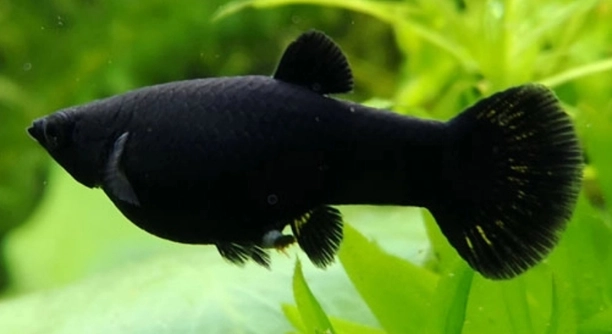
Are your black molly fry swimming away whenever the tank lights turn on? Many hobbyists notice their tiny fish hiding more than usual during daylight hours. This behavior can be surprising, especially for new aquarium owners.
Black molly fry tend to avoid light primarily due to stress and natural instincts. Bright light can make them feel exposed to predators. Providing shaded areas or plants in the tank helps reduce stress and encourages normal swimming patterns.
Learning how lighting affects your fry can improve their overall health and comfort. By understanding these behaviors, you can create a calmer, safer environment for them to thrive.
Understanding Black Molly Fry Behavior
Black molly fry are naturally small and fragile, which makes them cautious in bright environments. In the wild, tiny fish often hide under plants or in shaded areas to avoid predators. In home aquariums, bright light can trigger the same instinctive behavior. Fry will often swim near the bottom, behind decorations, or inside plants. Sudden changes in lighting, such as turning on overhead lights or placing the tank near a sunny window, can startle them. Maintaining consistent, moderate lighting is important for reducing stress. Providing hiding spots like dense plants, small caves, or floating decorations helps fry feel safe. Over time, they will explore more freely once they feel secure. Keeping the tank environment calm, stable, and well-planted encourages natural behavior, improves feeding efficiency, and supports healthy growth. Observation and adjustments to lighting can significantly enhance the fry’s comfort and survival rate.
Black molly fry avoid light mostly because they feel exposed.
Providing areas to hide and gentle lighting keeps them comfortable and reduces unnecessary stress.
Lighting and Tank Setup
Proper lighting is essential for fry development, but it needs balance.
Too bright or direct light can make black molly fry hide constantly. Fry thrive in soft, diffused lighting. Using floating plants, moss, or decorative structures gives them shelter while letting light filter naturally. Avoid sudden changes in lighting, which can trigger stress responses. Adjusting the tank setup so fry have access to shaded areas helps them feel secure and encourages normal swimming.
Tank setup directly impacts fry survival. Dense plants, small caves, and gentle lighting create a safe environment, allowing fry to grow without constant stress. Open, brightly lit spaces often cause fry to crowd in corners, which can reduce feeding efficiency and increase vulnerability to disease. Floating plants not only diffuse light but also provide cover, giving fry a sense of safety. Small, low-stress tanks help maintain water parameters more consistently, reducing fluctuations in temperature and chemical levels. Regular observation allows you to notice behavior changes early and adjust the setup accordingly. Over time, fry will gradually explore open areas as they become more confident, improving overall activity and growth. Lighting, tank arrangement, and plant placement together form the foundation of a healthy, stress-free environment for black molly fry.
Water Quality and Temperature
Poor water quality can stress black molly fry, making them hide from light. Ammonia, nitrites, or sudden pH changes can trigger this behavior. Regular water testing and partial water changes are essential to keep the tank safe and comfortable for fry.
Maintaining stable water parameters is key to healthy fry. Black molly fry are very sensitive to fluctuations in temperature, pH, and chemical levels. Even small changes can increase stress, reduce activity, and cause them to avoid bright areas. Using a reliable thermometer, testing kits, and performing gentle, consistent water changes ensures a stable environment. Fry that feel secure in the water column are more likely to swim openly, feed well, and grow properly.
Temperature plays a significant role in fry comfort and activity. Water that is too cold or too warm can slow metabolism, reduce energy, and make fry less willing to explore open spaces. Keeping the tank within the recommended temperature range for black mollies, usually between 75-80°F (24-27°C), supports healthy development. A stable environment, combined with proper hiding spots and plants, encourages fry to move more freely. Monitoring both water quality and temperature consistently prevents stress and helps fry adapt to the tank without constant fear or hiding.
Feeding and Fry Activity
Fry that are hungry may hide more frequently, avoiding light while waiting for food. Small, frequent feedings encourage activity and reduce stress levels.
Proper feeding schedules improve fry health and comfort. Black molly fry require tiny, nutrient-rich meals multiple times a day. Using powdered fry food, crushed flakes, or live baby brine shrimp ensures they get enough nutrition without competing with adult fish. Regular feedings help fry associate lighted areas with safety and food availability, gradually reducing hiding behavior. Monitoring how much they eat prevents overfeeding, which can pollute the water and create additional stress.
Feeding methods directly affect fry activity and growth. Introducing food slowly near shaded areas helps fry feel secure while eating. Rotating between live, frozen, and prepared foods ensures balanced nutrition and stimulates natural foraging instincts. Overfeeding can cause water quality issues, leading to increased stress and hiding behavior. Fry that are well-fed, in clean water, and surrounded by safe hiding spots tend to be more active and visible throughout the tank. Encouraging natural behavior through careful feeding routines contributes to long-term health and strengthens their ability to adapt to the aquarium environment.
Tank Decorations and Hiding Spots
Black molly fry feel safer with plenty of places to hide. Dense plants, small caves, and floating decorations provide shelter and reduce stress from bright light.
Hiding spots help fry explore gradually. Without cover, fry may stay in corners or cling to the bottom, avoiding open, lighted areas.
Adjusting Light Gradually
Sudden bright light can shock fry, causing them to hide. Gradually increasing light intensity over several days helps them adapt. Using a dimmer or partially covering the tank creates a softer, more natural environment.
Observing Fry Behavior
Watching how fry react to light and feeding times gives insight into their comfort level. Adjustments in lighting, decorations, and feeding can improve activity and reduce stress.
FAQ
Why are my black molly fry hiding all the time?
Black molly fry hide as a natural instinct to feel safe. Bright light, sudden movements, or open spaces can trigger this behavior. Ensuring they have plants, caves, or floating decorations gives them shelter and reduces constant hiding. Stable water conditions also help them feel secure.
How much light is too much for black molly fry?
Too much bright, direct light can stress fry. Moderate, diffused lighting is ideal. Using floating plants or partial tank covers softens the light, creating shaded areas where fry feel safe. Gradually introducing stronger light helps them adapt without panic or hiding.
Can stress from adults affect fry behavior?
Yes, adult black mollies can intimidate fry, especially in small tanks. Fry may hide more when adults are nearby. Providing separate areas or breeding boxes allows fry to explore and feed safely without constant harassment.
Do black molly fry need special water parameters?
Fry are sensitive to water quality. Stable temperature (75-80°F or 24-27°C), neutral pH, and low ammonia and nitrite levels are essential. Regular testing and gentle water changes prevent stress, disease, and hiding behavior. Sudden fluctuations can cause fry to stay in shaded areas constantly.
What foods encourage fry to come out of hiding?
Small, frequent meals of powdered fry food, crushed flakes, or live baby brine shrimp work best. Feeding near plants or shaded areas helps fry associate lighted zones with safety and food. Balanced nutrition increases activity, growth, and reduces fear of open spaces.
How can I tell if hiding is normal or a problem?
Some hiding is normal, especially in new tanks. It becomes a concern if fry never leave shelter, stop feeding, or show slowed growth. Observing their activity during feeding and monitoring water parameters helps determine if adjustments are needed.
Are tank decorations important for fry survival?
Decorations provide essential cover and reduce stress. Dense plants, caves, and floating items mimic natural habitats. Fry are more likely to explore, feed, and grow when they have safe areas. Open, bright tanks without shelter can increase fear and reduce survival rates.
Should I adjust light gradually when setting up a new tank?
Yes, gradual adjustment helps fry adapt. Turning lights on slowly or partially covering the tank allows them to acclimate without panic. Sudden bright light can trigger hiding behavior, while gentle introduction encourages confident swimming and exploration.
Can water temperature changes make fry hide more?
Temperature fluctuations impact metabolism and energy. Too cold or too warm water can reduce activity, making fry hide. Keeping water stable within recommended ranges prevents stress, supports feeding, and encourages fry to use the entire tank space.
How long does it take for fry to stop hiding?
With proper lighting, hiding spots, water quality, and feeding routines, fry usually start exploring more within a few days to a week. Each tank and batch is different, but consistent care promotes confidence and natural behavior over time.
Is it okay for fry to share space with adults?
Sharing space can be stressful, as adults may compete for food or accidentally harm fry. Providing hiding areas or using breeding boxes ensures fry can eat safely, reduce stress, and gradually integrate with adults as they grow stronger.
What signs show that fry are comfortable with light?
Comfortable fry swim in open areas, feed actively, and move among plants without hiding constantly. They explore different tank zones, respond to feeding promptly, and display steady growth. Increased activity is a strong indicator of reduced stress and proper adaptation to lighting.
Do black molly fry need a specific feeding schedule?
Yes, small, frequent feedings are best. Fry have tiny stomachs and need multiple meals each day. Consistent feeding prevents stress, encourages activity, and reduces excessive hiding. Monitoring leftovers ensures water quality remains stable.
Can poor water quality cause long-term hiding habits?
Persistent poor water conditions create chronic stress, which can make fry permanently skittish. Maintaining clean water, proper temperature, and stable chemical levels is essential to prevent long-term fear and improve overall survival and growth.
Are there signs of illness linked to hiding?
Hiding can sometimes indicate illness. Lethargy, clamped fins, discoloration, or refusal to eat may accompany hiding. Regular observation, water testing, and proper nutrition help prevent disease and ensure fry remain active and healthy.
How do I make the tank safer for fry to explore?
Add plants, caves, and floating decorations for cover. Keep lighting soft, water stable, and adults separated if needed. Feeding in multiple spots encourages exploration, while gentle handling reduces sudden disturbances that might frighten fry.
Do black molly fry ever adjust to bright light completely?
With consistent care, fry gradually become less fearful of bright areas. Over time, they learn to balance shelter use with open swimming, especially when they associate lighted zones with food and safety.
How often should I test water when raising fry?
Daily testing for ammonia, nitrites, and temperature is recommended in the first weeks. Once stable, testing can be reduced but should remain frequent. Quick detection of issues prevents stress, disease, and excessive hiding.
What is the best overall strategy to reduce hiding?
Combine moderate lighting, hiding spots, stable water parameters, frequent small feedings, and careful observation. Gradual adjustments, patience, and consistency create a safe environment where fry feel confident, grow well, and interact naturally with their surroundings.
Black molly fry are delicate little fish that rely heavily on their environment for safety and growth. Their instinct to hide from light is natural and helps them survive both in the wild and in home aquariums. Understanding why they avoid bright areas is the first step in ensuring their health. Factors like water quality, temperature, lighting, tank decorations, and feeding routines all play a role in how comfortable fry feel in the tank. When these elements are well balanced, fry are more likely to explore, feed properly, and grow without stress. Observing their behavior regularly can help identify small issues before they become bigger problems. Fry hiding too much may not necessarily indicate illness, but it does show they are stressed or uncomfortable. Providing gentle, consistent care creates an environment that supports their natural instincts while encouraging healthy development.
Maintaining proper water conditions is one of the most important ways to reduce stress in black molly fry. Water that is too cold, too warm, or contains high levels of ammonia or nitrites can make fry feel exposed and unsafe. A stable pH and moderate temperature create a comfortable environment where fry can swim openly. Regular testing and partial water changes help maintain these conditions. Fry also benefit from soft, diffused lighting that mimics their natural habitat. Bright, direct light can be overwhelming and trigger hiding behavior. Adding floating plants, moss, or decorations provides shelter and reduces exposure to strong light. Even small changes in tank setup or feeding schedules can make a difference in how confident fry feel. Over time, these adjustments help fry become more active, exploring both shaded and open areas of the tank, which is important for proper growth and development.
Feeding and tank setup work together to support fry comfort and growth. Providing small, frequent meals ensures they have the energy to swim and explore, while also preventing overfeeding that can harm water quality. Using a mix of powdered fry food, crushed flakes, and live baby brine shrimp gives balanced nutrition and encourages natural foraging behavior. Hiding spots, combined with gentle lighting and consistent feeding, allow fry to feel secure while learning to navigate their surroundings. Separation from adults may also be necessary in the first few weeks to reduce stress and competition. Over time, fry that have a safe environment, steady food supply, and gentle care gradually become more confident. Observing their behavior and making small, thoughtful adjustments helps create an aquarium that meets their needs and encourages healthy, natural activity. Proper care ensures that black molly fry grow strong, healthy, and less fearful, which makes them easier to maintain as they mature.

Hello,
If you enjoy the content that we create, please consider saying a "Thank You!" by leaving a tip.
Every little bit helps us continue crafting quality advice that supports the health, happiness, and well-being of pets around the world, for pets of all shapes, sizes, and species.
We really appreciate the kindness and support that you show us!