
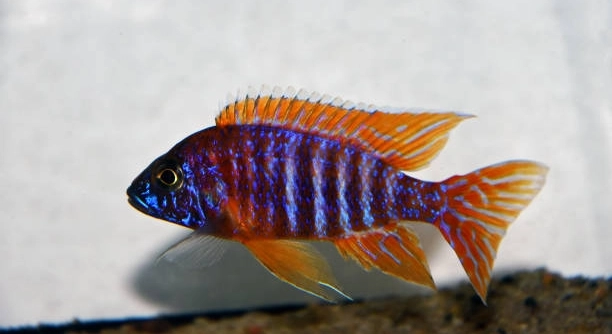
Setting up a cichlid tank can be a rewarding experience for aquarium enthusiasts. Knowing what to consider beforehand helps avoid common mistakes. Careful planning ensures the fish thrive in a healthy and balanced environment suited to their needs.
Before establishing a cichlid tank, it is essential to consider factors such as tank size, water parameters, filtration systems, compatibility of species, diet requirements, and maintenance routines to promote a stable habitat and prevent stress or disease among the fish.
Understanding these key points will help you create a successful and enjoyable cichlid tank. The following questions guide you through important decisions for a thriving aquatic setup.
What Size Tank Do You Need for Cichlids?
Choosing the right tank size is crucial for cichlids because they require enough space to swim and establish territory. Small tanks often lead to stressed fish, which can result in aggression or illness. Generally, a minimum of 30 gallons is recommended for most cichlid species, but some larger or more territorial species will need 50 gallons or more. The tank should also provide enough room for decorations and hiding places. Overcrowding will cause water quality to deteriorate quickly, so it’s important to balance the number of fish with the size of the tank. Planning for growth is important too, since many cichlids grow larger than expected. Starting with a bigger tank than you think is needed often saves trouble later on. A proper tank size creates a stable environment, supporting healthy behavior and reducing stress among your fish.
Tank size affects the comfort and health of cichlids, making it a foundational consideration before setting up your aquarium.
Selecting the appropriate tank size supports both fish wellbeing and easier maintenance. The extra space prevents territorial disputes and ensures stable water conditions, which are vital for long-term success.
How to Maintain Proper Water Conditions
Maintaining stable water conditions is essential for cichlids to thrive. Water temperature, pH, and hardness all play key roles in their health. Most cichlids prefer temperatures between 75 and 82°F and a pH range from 6.5 to 8.0, but these values vary by species. Regular water testing and partial water changes help keep parameters consistent. Proper filtration is necessary to remove waste and maintain oxygen levels. Avoid sudden changes in water chemistry, as this can stress fish and make them vulnerable to disease. It’s also important to cycle the tank before adding cichlids to establish beneficial bacteria that break down harmful ammonia and nitrites. Monitoring these factors daily or weekly keeps the environment stable and supports healthy fish behavior. Clean water and the right chemistry reduce health problems and promote vibrant colors in your cichlids.
Proper water maintenance prevents many common health issues and promotes a thriving tank environment.
Consistent monitoring and careful adjustments ensure a balanced aquatic habitat. Using quality filters and performing scheduled water changes make all the difference in tank stability.
Which Cichlid Species Are Compatible?
Choosing compatible cichlid species is important to prevent aggressive behavior. Some species are more territorial, while others are peaceful. Mixing aggressive with peaceful types often leads to stress and injury. Researching species habits and temperaments before selecting fish helps create a balanced community tank.
African cichlids from Lake Malawi and Lake Tanganyika usually have similar needs and behavior, making them good tank mates. South American cichlids often require different water conditions and may not thrive with African species. It’s best to keep species with similar environmental needs together. Grouping cichlids by size and temperament reduces fighting and stress. Providing plenty of hiding spots and visual barriers also helps lessen aggression in community setups.
Knowing which species work well together prevents unnecessary conflict and promotes peaceful interactions. Observing fish behavior closely after introducing new cichlids is key to managing compatibility issues early.
What Kind of Filtration Is Best?
Effective filtration maintains clean water by removing waste and harmful chemicals. Cichlids produce a significant amount of waste, so a strong filter suited to your tank size is essential. Filters should provide mechanical, chemical, and biological filtration to keep water clear and safe. Canister filters are popular for cichlid tanks due to their efficiency and customization options. Hang-on-back filters also work well for smaller tanks. Regular filter maintenance is crucial to prevent clogging and maintain water flow. Avoid filters that create strong currents, as some cichlids prefer calmer water or places to rest. Matching filter type and power to your tank setup promotes a healthy environment and reduces water quality issues that could stress the fish.
How Often Should You Feed Your Cichlids?
Feeding cichlids properly ensures their health without polluting the tank. Most adult cichlids do well with one to two feedings daily. Avoid overfeeding, as leftover food can harm water quality and lead to health issues.
Providing the right amount of food maintains fish vitality and keeps the tank environment stable. Feeding schedules should match the species’ natural diet and activity levels to prevent stress or obesity.
What Types of Food Are Best?
Cichlids need a balanced diet, including protein, vegetables, and vitamins. Specialized pellets or flakes designed for cichlids offer complete nutrition. Supplementing with frozen or live foods like brine shrimp, bloodworms, or vegetables adds variety and promotes natural behaviors. Avoid feeding only one type of food to prevent nutrient deficiencies.
How Important Is Tank Decoration?
Decorations provide hiding places and reduce stress by allowing cichlids to claim territory. Rocks, caves, and plants help mimic their natural habitat and offer shelter. Proper decoration also improves the overall tank environment by encouraging natural behavior and reducing aggression.
FAQ
How often should I change the water in my cichlid tank?
Regular water changes are essential for maintaining water quality. Aim to change 20-30% of the water every one to two weeks. More frequent changes might be necessary if the tank is heavily stocked or if water parameters become unstable. Partial water changes help remove excess nutrients, toxins, and waste that filtration alone can’t handle.
Can I mix different types of cichlids in one tank?
Mixing cichlid species requires careful consideration. Some species are highly territorial and aggressive, which can lead to fights. It’s generally best to keep species with similar temperaments and environmental needs together. Providing ample hiding spots and dividing the tank visually can reduce conflicts when mixing species.
What is the ideal temperature for a cichlid tank?
Most cichlids thrive in temperatures between 75°F and 82°F (24°C to 28°C). Maintaining a stable temperature within this range is important to avoid stress and disease. Use an aquarium heater with a thermostat to keep temperature consistent, especially in cooler climates or during seasonal changes.
How do I know if my cichlids are stressed?
Signs of stress in cichlids include hiding more than usual, loss of appetite, faded colors, rapid breathing, and erratic swimming. Stress can be caused by poor water quality, overcrowding, aggressive tank mates, or sudden changes in the environment. Addressing these issues quickly helps prevent illness.
What kind of substrate is best for a cichlid tank?
Sand or fine gravel is usually preferred for cichlids because many species like to dig or sift through the substrate. Avoid sharp or rough gravel that could injure the fish. Some African cichlids also benefit from substrates that buffer pH to maintain stable water chemistry.
Can cichlids live with other fish species?
While some peaceful fish may coexist with certain cichlid species, compatibility depends heavily on temperament and environmental needs. Many cichlids are aggressive and may harm or stress other fish. It’s safer to keep cichlids with their own kind or in species-specific tanks to reduce conflict.
How much space do cichlids need to thrive?
Cichlids need enough space to swim freely and establish territories. Overcrowding increases stress and aggression. A minimum of 30 gallons is recommended for most species, with larger tanks preferred for bigger or more territorial cichlids. More space helps maintain water quality and healthy social behavior.
What should I do if my cichlids fight?
If fighting occurs, check for overcrowding or insufficient hiding places. Rearranging the tank to break up established territories can reduce aggression. Separating aggressive fish or upgrading to a larger tank may be necessary. Monitoring behavior regularly helps catch problems early.
Are cichlids sensitive to water changes?
Cichlids can be sensitive to sudden changes in water parameters. When doing water changes, make sure the new water matches the tank’s temperature, pH, and hardness as closely as possible. Gradual changes minimize stress and keep fish healthy.
How do I prevent diseases in my cichlid tank?
Maintaining clean water, a proper diet, and stable water conditions are key to preventing diseases. Quarantine new fish before adding them to the tank to avoid introducing infections. Watch for early signs of illness and treat promptly with appropriate medications.
Is it necessary to use a water conditioner?
Yes, using a water conditioner is important to remove chlorine, chloramine, and heavy metals from tap water before adding it to the tank. Conditioners make water safe for fish and protect their sensitive gills from damage.
What type of lighting is best for a cichlid aquarium?
Moderate lighting that mimics natural daylight works best. Too much light can encourage algae growth, while too little can affect fish behavior and plant health. Use a timer to provide consistent light periods, usually 8-10 hours daily.
Can cichlids eat the same food every day?
Feeding a varied diet is better for cichlids to meet all nutritional needs. Use high-quality pellets or flakes designed for cichlids, supplemented with frozen or live foods and occasional vegetables. Variety promotes vibrant colors and overall health.
How do I cycle a cichlid tank before adding fish?
Cycling establishes beneficial bacteria that break down ammonia and nitrites. Start the tank with substrate, decorations, and filter running, then add a source of ammonia such as fish food or pure ammonia. Test water regularly until ammonia and nitrites drop to zero, indicating the tank is ready.
Are live plants suitable for cichlid tanks?
Some cichlids dig and uproot plants, making live plants challenging in certain setups. Hardy plants like Java fern or Anubias attached to rocks or driftwood can work. Artificial plants are also a good option to provide hiding spots without maintenance concerns.
Setting up a cichlid tank requires thoughtful preparation to ensure a healthy environment for your fish. Taking the time to consider factors such as tank size, water conditions, species compatibility, and proper filtration will help create a balanced and stable habitat. Each decision you make impacts the wellbeing of your cichlids and can either prevent or cause stress and health problems. A well-maintained tank supports natural behaviors, reduces aggression, and promotes vibrant colors, making the experience more enjoyable.
Feeding and decorating the tank are equally important parts of caring for cichlids. Providing a varied diet that meets their nutritional needs keeps them healthy and active. Avoiding overfeeding prevents water pollution, which can lead to disease. Decorations like rocks, caves, and plants offer hiding places and help establish territories. These features help reduce conflict among fish and create a more natural and comfortable environment. Remember, cichlids thrive best in tanks that mimic their natural habitat, so paying attention to these details makes a difference.
Overall, success with cichlids depends on consistent care and attention to their specific needs. Monitoring water quality, maintaining proper feeding routines, and understanding fish behavior help prevent common issues. It’s important to research your chosen species and tailor your setup accordingly. With patience and careful planning, you can build an aquarium that supports healthy, happy cichlids. Taking the right steps from the beginning will save time and effort later, resulting in a rewarding and lasting aquarium experience.

Hello,
If you enjoy the content that we create, please consider saying a "Thank You!" by leaving a tip.
Every little bit helps us continue crafting quality advice that supports the health, happiness, and well-being of pets around the world, for pets of all shapes, sizes, and species.
We really appreciate the kindness and support that you show us!