
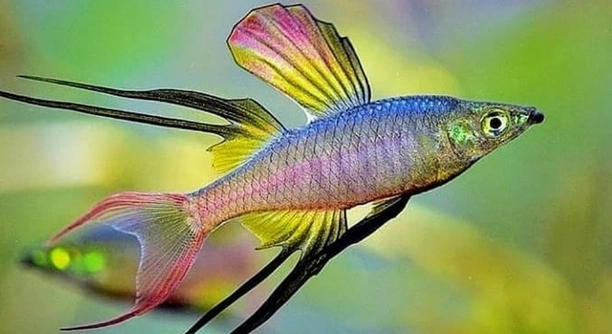
Threadfin Rainbowfish are small, colorful fish that often capture attention with their graceful movements in home aquariums. Many aquarists notice that these fish sometimes hover in place rather than swimming actively across the tank.
Threadfin Rainbowfish hover in place for several reasons, including maintaining territorial boundaries, conserving energy, stabilizing in currents, observing their surroundings, signaling social behaviors, feeding strategies, and adjusting to water conditions. Each factor contributes to this stationary behavior.
Understanding why these fish hover can improve tank management and ensure their well-being. These insights reveal behaviors that may seem simple but have deeper significance.
Maintaining Territory
Threadfin Rainbowfish often hover in a specific area of the tank to mark and protect their territory. This behavior is common among schooling fish that prefer defined spaces. By staying in one spot, they signal to other fish that this section is claimed. Territorial hovering can be observed near plants, rocks, or decorations that the fish uses as a landmark. It helps reduce conflicts and establishes a hierarchy among the tank’s inhabitants. Even subtle movements like flicking fins or slightly shifting positions are part of maintaining dominance. Over time, these stationary behaviors can become more pronounced during feeding times or when new fish are introduced. Understanding this behavior can help aquarists prevent stress and ensure a balanced aquarium environment. Providing clear visual boundaries and hiding spots can minimize disputes. Observing how each fish claims its area also allows for better tank organization and improves the overall harmony among the fish.
Hovering for territory is a natural way to assert control and reduce conflicts among other fish in the tank.
By paying attention to territorial behavior, you can arrange decorations and plants to support peaceful interactions. Fish that feel secure are more likely to swim confidently and interact appropriately, minimizing aggressive encounters. Recognizing each fish’s preferred spot can prevent overcrowding in one area and ensure that every fish has access to food and resting spaces. Properly structured tanks create an environment where natural behaviors are encouraged, which benefits both the fish and the aquarist. Over time, observing these patterns allows for better prediction of movement, feeding habits, and social interactions. Maintaining a balance between open swimming areas and sheltered spots helps Threadfin Rainbowfish feel secure. This careful planning reduces stress-related health issues and allows the fish to display their vibrant colors more frequently. Supporting territorial behavior doesn’t require constant intervention but rather an understanding of spatial needs and natural instincts.
Conserving Energy
Hovering in place allows Threadfin Rainbowfish to conserve energy instead of swimming constantly across the tank.
By minimizing movement, fish can save energy for feeding, reproduction, and reacting to changes in the environment.
Conserving energy is especially important in tanks with gentle currents or when water conditions require extra effort to maintain stability. Fish that hover strategically reduce fatigue, allowing them to stay alert for food or potential threats. Younger fish and smaller individuals benefit most from this behavior because they have less stamina and need to recover quickly between bursts of activity. The stationary position also reduces stress on their muscles and fins, which can prevent injuries or overexertion. Observing energy-saving behaviors helps aquarists understand the needs of each fish and adjust feeding schedules, tank layout, and environmental conditions accordingly. By creating an environment that supports minimal energy expenditure when needed, fish remain healthier, more active, and maintain their bright coloration. Over time, recognizing these subtle behaviors leads to better care and ensures that the aquarium remains a comfortable space for all inhabitants.
Stabilizing in Currents
Threadfin Rainbowfish often hover in one spot to stay stable in water currents. This behavior helps them maintain position without being pushed around by flowing water or sudden movements from other tank inhabitants.
Hovering against gentle or moderate currents allows these fish to conserve energy while still exploring their environment. Currents simulate natural conditions, but excessive flow can tire fish quickly. By holding a fixed position, they reduce the effort needed to swim continuously and avoid unnecessary collisions with tank decorations or other fish. This behavior is particularly noticeable near filters or pumps where water flow is stronger. Over time, fish develop preferred spots that provide comfort and stability, which helps them remain calm and alert. Recognizing areas where currents are strongest allows aquarists to adjust equipment placement or provide more sheltered zones, creating a balanced environment. Maintaining these calm zones supports overall health and encourages natural behaviors without overexertion.
Holding position in currents also helps fish feed more efficiently and stay safe, preventing unnecessary energy loss.
Observing Surroundings
Hovering gives Threadfin Rainbowfish a better view of their environment and the movements of other fish, which aids in social interaction and safety.
By staying still, fish can monitor activity, spot potential threats, and notice food sources. This stationary behavior allows them to react quickly without expending energy swimming constantly. Observing surroundings helps younger or smaller fish learn from the behavior of older, more experienced tank mates. It also enables fish to maintain social bonds by watching and responding to movements and displays from other members of the group. This careful observation reduces stress and promotes calmer, more confident behavior overall. Recognizing these patterns allows aquarists to understand how their fish interact and respond to environmental changes, creating a safer and more harmonious tank.
Consistent observation of surroundings improves feeding efficiency, reduces conflicts, and supports natural schooling behaviors, ensuring Threadfin Rainbowfish feel secure in their habitat.
Signaling Social Behaviors
Threadfin Rainbowfish hover to communicate with others in the tank. Their position and subtle movements convey dominance, submission, or readiness to interact.
These stationary signals help maintain group harmony, reduce conflicts, and strengthen social bonds among fish. Hovering allows them to display these behaviors effectively without excessive energy use.
Feeding Strategies
Hovering in one spot allows Threadfin Rainbowfish to wait for food to pass by, making feeding more efficient. They can remain in areas where flakes, pellets, or live food are likely to drift. Positioning themselves strategically reduces effort and ensures they capture more food with minimal swimming.
Adjusting to Water Conditions
Threadfin Rainbowfish may hover to adapt to changes in water temperature, pH, or oxygen levels. Remaining still helps them find the most comfortable part of the tank.
Hovering in stable water zones prevents stress and supports overall health, allowing fish to thrive even in varying tank conditions.
FAQ
Why do Threadfin Rainbowfish hover in one spot more than usual?
Hovering more than normal can happen when fish are stressed, adjusting to a new tank, or reacting to changes in water conditions. It can also indicate fatigue or mild illness. Observing their behavior over time helps determine whether it is normal stationary behavior or a sign of discomfort. Adjusting water flow, checking temperature, and ensuring proper tankmates can reduce excessive hovering.
Is hovering a sign of illness?
Not always. While occasional hovering is natural, prolonged stillness paired with clamped fins, loss of appetite, or unusual coloration can indicate health problems. Common causes include poor water quality, parasites, or bacterial infections. Regular water testing and observing feeding behavior can help catch issues early.
Do Threadfin Rainbowfish hover more when they are hungry?
Yes, they sometimes stay in one spot near areas where food is usually placed. This allows them to conserve energy while waiting for flakes or pellets to drift within reach. Overfeeding or unpredictable feeding schedules can also affect their hovering patterns.
Can tank size affect hovering behavior?
Absolutely. Smaller tanks with limited swimming space may encourage more stationary behavior. Conversely, very large tanks with strong currents can cause fish to hover to maintain stability. Ensuring a balance between open swimming areas and safe resting zones helps maintain healthy activity levels.
Do they hover differently in groups versus alone?
Threadfin Rainbowfish are schooling fish, so social dynamics influence hovering. In groups, they may hover to maintain cohesion, observe others, or signal social status. Alone, they may appear less active or hover more cautiously near decorations for security. Group behavior supports both energy conservation and safety.
Is hovering related to breeding or mating behavior?
Yes, during breeding periods, males may hover to attract females or defend a specific area. This stationary display signals readiness and helps establish dominance without excessive chasing. Observing subtle changes in color or fin movements can indicate reproductive activity alongside hovering.
How can I reduce excessive hovering in my aquarium?
Providing appropriate water flow, hiding spots, and balanced tankmates can encourage natural movement. Adding floating plants or decorations gives fish comfort zones. Feeding at consistent times and maintaining proper water parameters reduce stress, which can otherwise lead to prolonged stationary behavior.
Do environmental changes affect hovering?
Yes, sudden changes in temperature, pH, or oxygen levels can trigger hovering as fish seek stable conditions. Adjusting tanks slowly, using test kits, and monitoring for stress indicators helps ensure the fish remain active and healthy.
Are certain tankmates more likely to cause hovering behavior?
Aggressive or overly active fish can make Threadfin Rainbowfish hover more to avoid conflict. Pairing them with calm, similarly sized species reduces stress and encourages normal swimming patterns. Observing interactions and adjusting tankmates when necessary promotes a balanced environment.
Can hovering behavior be harmful?
Hovering itself is not harmful when it is part of natural behavior. However, if it results from stress, illness, or poor water conditions, it can lead to fatigue, reduced feeding, or susceptibility to disease. Monitoring patterns and tank conditions ensures fish remain healthy while exhibiting natural stationary behavior.
How long do they typically hover in one spot?
This depends on activity levels, tank conditions, and social context. Periods can range from a few minutes during observation or feeding to longer durations in response to currents, temperature, or social interactions. Regular observation helps understand each fish’s normal hovering pattern.
Does lighting affect hovering behavior?
Yes, bright or harsh lighting can make fish seek shaded or sheltered areas, leading to more hovering. Providing natural or diffused lighting helps reduce stress and encourages balanced swimming behavior, keeping them active and comfortable throughout the day.
Can diet influence hovering?
Poor nutrition or inconsistent feeding schedules can lead to more stationary behavior as fish conserve energy. A varied, balanced diet ensures sufficient energy for swimming and social interactions. Feeding small amounts multiple times a day can reduce excessive hovering caused by waiting for food.
Do Threadfin Rainbowfish hover more in planted tanks?
Yes, plants provide shelter and comfort, which encourages hovering near foliage. This behavior is natural and supports energy conservation, observation, and social signaling. Ensuring adequate open swimming areas alongside plants maintains a healthy balance of activity and rest.
Is hovering normal for juvenile Threadfin Rainbowfish?
Young fish often hover more than adults as they conserve energy, avoid stronger currents, and observe older fish. This cautious behavior supports growth, learning social dynamics, and avoiding potential threats within the tank environment.
How can I tell if hovering is normal or a problem?
Normal hovering is short, purposeful, and accompanied by active swimming at other times. Problematic hovering is prolonged, paired with clamped fins, loss of appetite, or unusual coloration. Consistent monitoring and maintaining stable tank conditions help distinguish healthy stationary behavior from signs of stress or illness.
Do seasonal changes affect hovering?
Subtle changes in room temperature or light cycles can influence activity levels, causing fish to hover more during cooler periods or shifts in lighting. Maintaining stable tank conditions minimizes these effects, supporting predictable and healthy behavior.
Can stress from handling cause hovering?
Yes, recently introduced or handled fish often hover to recover from stress. Providing quiet, safe spaces and minimizing disturbances allows them to regain normal swimming patterns without overexertion. Patience and careful handling are key to reducing stress-related stationary behavior.
Is hovering more common at certain times of day?
Threadfin Rainbowfish may hover more during bright light periods, after feeding, or when observing other tank activity. This behavior is often natural and tied to energy conservation, social observation, and environmental adjustments throughout the day.
Can water chemistry adjustments reduce hovering?
Yes, maintaining stable pH, temperature, and oxygen levels can reduce unnecessary hovering caused by discomfort. Gradual changes and careful monitoring ensure fish adapt without stress, promoting normal swimming and activity patterns.
Does tank decoration placement influence hovering?
Yes, fish hover near plants, rocks, or hiding spots to feel secure. Thoughtful decoration placement creates comfort zones, encourages natural behaviors, and reduces stress-induced stationary behavior, leading to a healthier and more active aquarium environment.
How do I encourage more active swimming?
Introduce moderate currents, ensure proper tank size, and provide open swimming areas. Consistent feeding schedules, social groupings, and stable water conditions also encourage activity while respecting their natural need to hover occasionally.
Are there differences between males and females in hovering behavior?
Males often hover to display dominance or attract mates, while females may hover more to observe surroundings and avoid conflicts. Recognizing these subtle differences helps in understanding social interactions and maintaining a balanced tank environment.
Does tank noise affect hovering?
Excessive vibrations or sudden sounds can cause fish to hover for security. Reducing disturbances, positioning tanks away from high-traffic areas, and minimizing equipment noise supports calmer, more natural behavior patterns.
Can adding new fish increase hovering?
Yes, new tankmates can cause established fish to hover more as they assess potential threats. Introducing fish gradually and providing adequate hiding spots reduces stress-related stationary behavior and encourages normal social interaction over time.
Is hovering behavior different in species mixes?
In mixed-species tanks, Threadfin Rainbowfish may hover more to avoid aggression or assert boundaries. Careful selection of compatible species and observation of interactions promotes natural movement and reduces prolonged stationary behavior, maintaining harmony in the aquarium.
Does water temperature affect hovering duration?
Cooler water may lead to more hovering as metabolism slows, while warmer water encourages more active swimming. Maintaining stable, species-appropriate temperatures ensures energy levels remain balanced, reducing unnecessary stationary behavior.
Can disease prevention reduce hovering?
Yes, keeping tanks clean, quarantining new fish, and monitoring water quality reduces stress-induced hovering caused by potential illness. Healthy fish exhibit a mix of swimming and hovering behaviors naturally.
Does hovering change with age?
Juveniles hover more for energy conservation and observation. Adults hover strategically for territory, feeding, or social signaling. Monitoring age-related behavior helps understand their normal activity and ensures proper tank management.
How important is observation for understanding hovering?
Regular observation is key to distinguishing natural stationary behavior from signs of stress or illness. It allows adjustments to feeding, tank setup, and water parameters, supporting the fish’s well-being and natural activity patterns.
Can stress from overcrowding increase hovering?
Yes, crowded tanks force fish to hover to avoid conflicts and find personal space. Maintaining proper stocking levels reduces stress, encourages natural swimming, and prevents prolonged stationary behavior.
Does lighting schedule influence hovering habits?
A consistent day-night cycle encourages predictable activity and resting periods. Abrupt changes or excessive lighting can increase hovering due to discomfort, while stable schedules promote balanced swimming and natural behaviors.
Are there long-term effects of excessive hovering?
If caused by stress, poor water quality, or illness, prolonged hovering can reduce fitness, appetite, and growth. Ensuring optimal tank conditions prevents negative effects while supporting natural stationary behavior.
How do I balance hovering and active swimming?
Provide open areas, moderate currents, structured hiding spots, consistent feeding, and compatible tankmates. This balance allows fish to hover when needed and swim actively at other times, supporting health and natural behavior.
Can adding plants or decorations reduce unnecessary hovering?
Yes, providing safe zones encourages purposeful hovering and prevents stress. Plants and decorations also help fish feel secure while exploring the tank, creating a healthy mix of stationary and active behaviors.
How do I know when to intervene in hovering behavior?
Intervene if hovering is prolonged and accompanied by clamped fins, loss of appetite, unusual coloration, or lethargy. Otherwise, natural stationary behavior is normal and does not require intervention.
Can tank maintenance influence hovering?
Yes, regular cleaning, water changes, and filter maintenance reduce stress and create stable conditions. Proper upkeep supports normal swimming patterns while allowing occasional hovering without health risks.
Does diet timing influence hovering patterns?
Yes, predictable feeding schedules reduce unnecessary hovering caused by waiting for food. Small, frequent feedings support energy balance and natural activity levels, preventing excessive stationary behavior.
Can seasonal light changes trigger more hovering?
Changes in daylight or artificial lighting can increase hovering as fish adjust to light intensity. Maintaining consistent lighting minimizes stress and encourages regular movement throughout the day.
Is hovering behavior consistent across all Threadfin Rainbowfish?
While general patterns exist, individual personalities, age, and social dynamics cause variations. Observing each fish helps understand its specific behavior and how to support its needs in the tank.
Can adding airstones or bubbles influence hovering?
Yes, gentle bubbles or aeration can encourage fish to hover near oxygen-rich zones while still allowing them to swim actively. Adjust placement to support comfort and balanced movement.
Does water clarity affect hovering?
Murky or cloudy water may cause fish to hover more for safety. Clear, well-filtered water allows confidence in swimming and reduces stress-related stationary behavior.
How do I create a balanced environment for hovering and activity?
Provide stable water parameters, moderate currents, hiding spots, compatible tankmates, and consistent feeding. This combination encourages healthy hovering when necessary and active swimming throughout the day.
Can observing other species teach about hovering?
Yes, watching similar schooling fish in the tank or community setup provides insight into social dynamics, energy conservation, and stationary behaviors, helping optimize care for Threadfin Rainbowfish.
Does tank placement affect hovering?
Yes, positioning tanks away from vibrations, drafts, and direct sunlight reduces stress and allows fish to hover naturally without excessive caution.
Can introducing enrichment reduce unnecessary hovering?
Adding plants, decorations, or floating items encourages exploration and balanced activity, preventing excessive hovering caused by boredom or lack of stimulation.
Does the presence of reflections affect hovering?
Reflections on glass or surfaces may cause fish to hover defensively. Minimizing reflections reduces stress and promotes normal movement patterns.
Can temperature fluctuations at night influence hovering?
Yes, slight drops in nighttime temperature can cause fish to hover in warmer areas. Maintaining stable temperatures reduces stress and energy loss.
Are there signs that hovering is beneficial?
Purposeful hovering for feeding, observation, or energy conservation indicates healthy behavior. Fish remain alert, display vibrant colors, and interact normally, showing that stationary periods serve important biological functions.
Do Threadfin Rainbowfish hover more during molting or growth phases?
Yes, during growth or stress from shedding scales, fish may hover more to conserve energy and protect themselves. Ensuring calm, stable conditions supports healthy development.
How do I know if tank layout encourages healthy hovering?
Observe where fish hover and swim. Balanced open areas with shelter, proper flow, and social groupings indicate that the environment supports natural behavior without stress or excessive stillness.
Can adding a mirror temporarily influence hovering?
Short exposure to mirrors may cause territorial displays or curiosity-driven hovering. Use cautiously to prevent stress or overstimulation while encouraging normal stationary behavior.
Does water hardness influence hovering?
Extreme water hardness may stress fish, leading to more hovering. Maintaining species-appropriate parameters ensures comfort and balanced activity, reducing unnecessary stationary periods.
Are there long-term benefits to occasional hovering?
Yes, hovering supports energy conservation, social observation, territorial displays, and safer feeding. Recognizing this behavior ensures fish remain healthy and confident in their tank environment.
How can I track hovering patterns effectively?
Keep a log of time spent hovering, feeding responses, and social interactions. This helps identify normal behavior versus signs of stress, illness, or environmental issues.
Can tank mates reduce hovering behavior?
Calm, compatible tankmates encourage balanced movement and reduce stress-related stationary behavior, while overly aggressive or fast-moving fish may increase hovering as a defensive strategy.
Does water flow direction matter for hovering?
Yes, fish prefer to hover in areas with manageable flow that allows stability. Adjusting filter output or decorations creates zones that support natural stationary behavior without overexertion.
How often should I check if hovering is normal?
Daily observation is best. Watching feeding, swimming, and stationary behavior provides insight into health, energy levels, and social dynamics. Regular checks prevent prolonged stress or illness from going unnoticed.
Can hovering indicate readiness for social interaction?
Yes, fish often hover to monitor others before joining a group, feeding, or displaying courtship. This behavior ensures safe, deliberate participation in social activities.
Do Threadfin Rainbowfish hover differently in breeding tanks?
In breeding setups, males hover more to defend spawning sites, while females hover to assess safety and territory. These patterns are natural and reflect reproductive strategies in addition to energy conservation.
Can tank size adjustments change hovering patterns?
Increasing swimming space may reduce hovering caused by crowding, while very small tanks can increase stationary behavior. Proper sizing ensures a healthy balance of activity and rest.
How does age affect hovering preferences?
Younger fish hover more for observation and energy conservation. Adults hover strategically for territory, feeding, or social signaling. Observing these differences helps tailor tank management to age-specific needs.
Is hovering affected by seasonal water changes?
Gradual seasonal shifts in temperature or light may increase stationary behavior temporarily. Stable tank conditions minimize unnecessary hovering and stress.
Does diet type influence hovering?
Floating, sinking, or live foods affect where and how fish hover. Proper placement and consistent feeding schedules reduce energy expenditure and encourage balanced movement.
Can hovering indicate comfort levels?
Yes, purposeful hovering in secure areas shows fish feel safe, conserving energy while observing their environment. It reflects confidence and well-being in the tank.
How do I differentiate natural hovering from stress-induced behavior?
Natural hovering is purposeful, temporary, and paired with normal activity. Stress-induced hovering is prolonged, often accompanied by clamped fins, pale colors, loss of appetite, or erratic swimming patterns. Observing overall health and behavior helps identify the cause.
Are there tools to monitor hovering behavior?
Video recording, observation logs, and automated tank monitors help track stationary periods, energy levels, and social interactions, providing insight into normal versus concerning behavior.
Does water chemistry consistency matter for hovering?
Yes, stable pH, hardness, and temperature support natural stationary behavior. Fluctuations can lead to prolonged hovering as fish seek comfort zones.
Can lighting intensity cause excessive hovering?
Bright or harsh lighting can lead to stationary behavior as fish seek shaded or sheltered areas. Adjusting lighting levels supports normal activity and comfort.
How does group size influence hovering?
Small groups may hover more for security, while larger groups may distribute activity and stationary behavior. Observing group dynamics helps manage social interactions and tank balance.
Can sudden movements outside the tank increase hovering?
Yes, abrupt activity near the aquarium can trigger defensive or cautious hovering. Reducing outside disturbances creates a calmer environment and encourages normal movement patterns.
Does hovering indicate readiness to feed?
Often, yes. Fish hover in feeding zones or near drifting food, conserving energy while waiting. Predictable schedules support efficient feeding behavior.
How can I support natural hovering behavior?
Provide balanced tank layout, stable water conditions, compatible tankmates, proper feeding, and calm surroundings. This ensures hovering serves its natural purposes without causing stress or energy loss.
Are there behavioral signs to watch during hovering?
Subtle fin movements, eye tracking, and body orientation indicate observation, social signaling, or feeding readiness. These signs help distinguish normal stationary behavior from stress or illness.
Can seasonal temperature adjustments affect hovering?
Yes, fish may hover more when water cools or warms unexpectedly. Maintaining stable, appropriate temperatures reduces stress and energy loss.
Does introducing new decorations influence hovering?
New structures can encourage temporary hovering as fish assess their environment. Over time, they adjust and resume normal activity patterns.
Can hovering indicate aggression levels?
Males may hover to assert dominance or defend territory. Observing these displays alongside other interactions helps gauge social hierarchy and tank harmony.
Are some individuals naturally more prone to hovering?
Yes, personality, age, size, and health influence stationary behavior. Recognizing individual differences supports proper tank management and reduces stress.
Does current direction in the tank affect hovering locations?
Yes, fish choose spots where currents are manageable, allowing stability and energy conservation. Adjusting flow patterns supports balanced movement.
How do I know when hovering requires veterinary attention?
Prolonged inactivity, poor appetite, color changes, or clamped fins signal potential illness. Prompt intervention ensures early treatment and recovery.
Can nighttime conditions affect hovering?
Fish may hover in calmer, warmer areas at night, conserving energy while resting. Stable nighttime conditions promote natural behavior.
Does hovering vary between male and female fish?
Males hover more for territory and courtship, while females hover to observe surroundings and avoid conflicts. Understanding these differences supports healthy social dynamics.
Are there signs that hovering is normal for energy conservation?
Yes, purposeful, brief hovering interspersed with swimming, feeding, and interaction indicates energy-saving behavior rather than stress or illness.
Can tank placement reduce unnecessary hovering?
Placing tanks away from vibrations, drafts, or direct sunlight reduces stress, promoting natural stationary behavior without excessive caution.
Does the presence of reflections influence hovering?
Reflections can trigger defensive or cautious hovering. Minimizing reflective
Threadfin Rainbowfish are fascinating to observe, especially when they hover in one spot. This behavior is completely natural and serves multiple purposes, from conserving energy to maintaining social order in the tank. Hovering is not necessarily a sign of a problem, but it can reveal how the fish are interacting with their environment. By staying still, they can monitor currents, observe other fish, or find the most comfortable area in the tank. Over time, watching these patterns can help aquarists understand each fish’s personality and habits, allowing for better care and management. The stationary behavior is often brief, interspersed with periods of swimming and feeding, which shows that the fish are active and healthy overall.
Creating a tank environment that supports hovering while encouraging normal swimming is essential. Providing hiding spots, plants, and decorations gives fish areas where they feel safe and secure. At the same time, open spaces and gentle water flow allow for regular activity without forcing the fish into prolonged stationary behavior. Proper feeding schedules, consistent water conditions, and compatible tankmates also play a crucial role. Threadfin Rainbowfish use hovering as a way to observe, signal, and interact with their surroundings, and a well-balanced tank supports these natural behaviors. By paying attention to where and why the fish hover, it is possible to make small adjustments that improve both comfort and overall health. Over time, these efforts create an environment where the fish can thrive, showing vibrant colors, maintaining energy, and interacting with each other in expected ways.
Understanding hovering can also help prevent unnecessary stress or health issues. While brief stationary periods are normal, prolonged hovering paired with changes in appetite, fin clamping, or unusual coloration may indicate water quality issues, illness, or environmental stress. Monitoring tank conditions, maintaining cleanliness, and observing behavioral changes are key to ensuring the fish remain healthy. At the same time, recognizing when hovering is natural allows aquarists to avoid overreacting or making unnecessary changes. The behavior of Threadfin Rainbowfish highlights the importance of careful observation and thoughtful tank management. By creating a supportive environment and understanding their natural instincts, fish can maintain balanced energy, display social behaviors, and live comfortably. Hovering, in this context, becomes a normal and beneficial part of their life in the aquarium, reflecting both their intelligence and adaptability.

Hello,
If you enjoy the content that we create, please consider saying a "Thank You!" by leaving a tip.
Every little bit helps us continue crafting quality advice that supports the health, happiness, and well-being of pets around the world, for pets of all shapes, sizes, and species.
We really appreciate the kindness and support that you show us!