
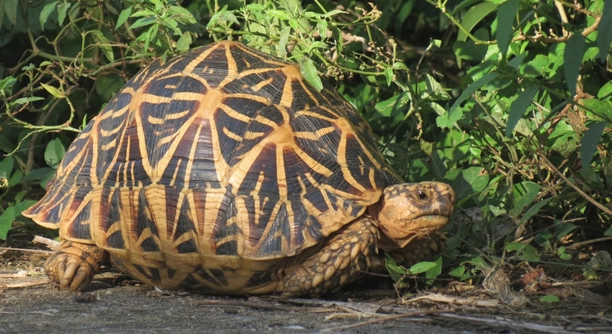
Indian Star Tortoises are beautiful pets, but like all animals, they need proper care. Knowing when something’s wrong with them is crucial. This guide will help identify the signs that your tortoise might need a vet visit.
Several signs indicate when an Indian Star Tortoise requires a vet visit. Symptoms like changes in appetite, lethargy, shell damage, difficulty breathing, and abnormal feces can all point to potential health issues. Prompt veterinary attention is essential for their well-being.
These signs will help ensure your tortoise stays healthy and happy.
Changes in Eating Habits
When an Indian Star Tortoise stops eating or reduces its food intake significantly, it’s a clear sign that something is wrong. Changes in diet can stem from several health issues, such as digestive problems, infections, or stress. A decrease in appetite can lead to weight loss, making it harder for the tortoise to maintain its health. It’s crucial to monitor their eating habits regularly and take action if you notice any significant changes. Always ensure that their food is fresh and suitable for their dietary needs. A lack of food can have serious long-term effects, so don’t wait too long before seeking veterinary help.
If your tortoise refuses to eat for a few days, consult a vet. Their condition could worsen quickly, and prompt care can make a difference.
Changes in appetite should never be ignored. Along with potential health issues, it might also indicate something environmental, like improper temperature or humidity. Stress is also a common factor that affects their eating. A change in their surroundings or diet can cause them to lose interest in food. Keep the living environment stable and ensure that your tortoise is fed the right foods. A balanced diet is crucial to their health. If your tortoise is not eating regularly, take immediate steps to address the situation with your vet’s guidance.
Lethargy and Unusual Behavior
Lack of energy or unusual behavior, like excessive sleeping or staying in one spot, can also signal problems. Tortoises naturally sleep for long periods, but noticeable shifts in their activity levels or behavior might suggest discomfort or illness.
Shell Abnormalities
If you notice any cracks, softness, or changes in the shape of your tortoise’s shell, it’s time for a vet visit. The shell is vital for protection, and any damage can lead to infections or other serious health issues. A healthy shell should feel firm and smooth.
Injuries or infections are often the cause of abnormal shell conditions. Tortoises may also develop shell deformities due to improper nutrition, which can affect their overall health. Regular checkups are essential to ensure that the shell is properly cared for. Sometimes the shell can show signs of underlying internal problems, such as metabolic bone disease, which requires immediate attention.
Shell problems can worsen quickly if left untreated. Always inspect your tortoise’s shell regularly for any signs of damage, discoloration, or other changes. Treating any issues early can prevent long-term damage and keep your tortoise comfortable. If you’re unsure about the condition of their shell, it’s best to consult a vet to determine the right course of action.
Breathing Difficulties
If your tortoise has difficulty breathing or is wheezing, it’s crucial to see a vet right away. Respiratory infections are common in tortoises, especially if they are kept in environments that are too cold or damp. Breathing issues can be life-threatening.
Breathing difficulties often show up as labored or shallow breaths, mouth-breathing, or excessive mucus discharge. These symptoms are usually linked to respiratory infections, which can spread rapidly and cause severe damage if left untreated. In some cases, your tortoise might also develop pneumonia, a more severe respiratory condition.
Keeping their environment clean and at the proper temperature can reduce the chances of respiratory problems. Ensure your tortoise has a warm and dry space to help them breathe easier. If you suspect respiratory problems, immediate treatment from a vet will give your tortoise the best chance for recovery.
Abnormal Feces
If your tortoise’s feces looks different than usual, it could indicate a health issue. Runny, smelly, or unusual-colored stool should be closely monitored. This could be a sign of digestive problems, parasites, or infections. It’s important to address these changes quickly.
Digestive issues in tortoises can stem from various factors, including diet, stress, or environmental conditions. If your tortoise is experiencing diarrhea or other abnormalities, try adjusting their diet first to see if that improves their condition. However, if the problem persists, seek veterinary assistance to identify the underlying cause and avoid further complications.
Dehydration
Dehydration is another common health issue for tortoises. If your tortoise seems lethargic or has dry, wrinkled skin, they may not be drinking enough water. Ensuring access to fresh water is crucial for their health.
Signs of dehydration often include dry skin, sunken eyes, and a lack of energy. Tortoises can go without water for some time, but it can cause lasting harm if it continues. To prevent dehydration, always make sure their habitat is humid enough and that they can drink water whenever they need. Regular soaking can help too.
Skin Shedding Issues
If your tortoise’s skin is shedding excessively or in patches, it might be a sign of a skin infection or another health concern. This requires attention from a vet.
FAQ
What should I do if my tortoise isn’t eating?
If your tortoise isn’t eating, it’s important to first check its environment. Ensure that the temperature, humidity, and lighting are optimal. Stress from an uncomfortable habitat can lead to loss of appetite. If environmental conditions are fine, then the issue might be internal, such as a digestive problem or an infection. Monitor your tortoise for other symptoms like lethargy or unusual feces. If the problem persists for more than a few days, contact a vet.
How can I tell if my tortoise is sick?
Sick tortoises often show signs like lethargy, lack of appetite, abnormal breathing, or changes in their shell or skin. If you notice any of these symptoms, it’s time to consult a veterinarian. Changes in feces, such as diarrhea or blood, should also be treated as a red flag. Tortoises may hide illness well, so it’s important to monitor them closely for subtle shifts in behavior.
How often should I take my tortoise to the vet?
Tortoises should have a vet check-up at least once a year, especially if they’re younger or showing signs of health issues. If you notice changes in behavior or eating habits, more frequent visits may be necessary. Regular health checks will help catch any underlying problems before they worsen.
Can I treat my tortoise at home if it gets sick?
While some minor issues can be managed at home, it’s always best to seek professional veterinary help if your tortoise appears sick. Home remedies can be harmful if applied incorrectly or without proper knowledge. A vet can provide a proper diagnosis and treatment plan.
How do I know if my tortoise is dehydrated?
Dehydration in tortoises is typically marked by dry, wrinkled skin, lethargy, and sunken eyes. If you suspect dehydration, provide your tortoise with fresh water immediately and increase the humidity in its habitat. You can also soak them in lukewarm water to encourage drinking. If dehydration continues, consult a vet.
What causes respiratory infections in tortoises?
Respiratory infections are commonly caused by an environment that is too cold or damp. Poor ventilation and improper heating can also contribute to respiratory distress. Keep your tortoise’s enclosure warm and dry, and make sure there’s enough airflow. If symptoms like wheezing, mucus, or labored breathing occur, it’s essential to visit a vet.
What do I do if my tortoise has shell damage?
If your tortoise’s shell is cracked or damaged, it’s important to clean the wound gently and seek immediate veterinary care. Shell injuries can easily lead to infections, so they should not be left untreated. A vet will assess the damage and may provide a treatment plan to prevent infection and promote healing.
How can I prevent my tortoise from getting sick?
A healthy diet, proper temperature regulation, and a clean habitat are the best ways to prevent sickness in your tortoise. Ensure that the enclosure has the correct lighting, heating, and humidity levels. Regularly clean the habitat and monitor your tortoise’s behavior. A well-balanced diet that includes leafy greens, vegetables, and occasional fruits will also help keep your tortoise strong and healthy.
How do I check for parasites in my tortoise?
Parasites can cause digestive problems, weight loss, and other health issues. Common signs include diarrhea, weight loss, and lack of appetite. If you notice any of these symptoms, a vet can perform a fecal exam to check for parasites. Treatment typically involves medication prescribed by the vet.
Is it normal for my tortoise to shed skin?
Yes, it’s normal for tortoises to shed their skin periodically. However, excessive shedding or patchy shedding could indicate a skin infection or other health problem. If the shedding is unusually frequent or accompanied by other symptoms, it’s best to consult a vet.
How do I know if my tortoise is overweight?
Tortoises can become overweight if they are overfed or not provided enough exercise. A healthy tortoise should have a round, firm shape without obvious fat rolls or lumps. If you can feel a lot of fat around the legs or under the shell, your tortoise may be overweight. A vet can help assess their weight and provide advice on a balanced diet.
What are some common diseases in Indian Star Tortoises?
Common diseases include respiratory infections, metabolic bone disease, shell rot, and parasites. Keeping the enclosure clean, ensuring a balanced diet, and maintaining proper temperatures can help prevent these diseases. If your tortoise shows signs of illness, early diagnosis and treatment from a vet are essential.
Final Thoughts
Taking care of an Indian Star Tortoise requires close attention to their environment and health. From maintaining the right temperature and humidity to providing a balanced diet, every detail matters. Small changes in behavior, such as loss of appetite or changes in feces, should not be ignored. These could be signs of an underlying issue that needs to be addressed quickly. Regular monitoring and prompt action can help ensure your tortoise remains healthy and happy.
If you notice any of the warning signs, it’s important to act fast. Whether it’s abnormal feces, lethargy, or skin issues, early intervention can prevent serious complications. A visit to the vet can help identify the problem and ensure your tortoise receives the necessary treatment. If you’re unsure whether something is wrong, it’s always better to err on the side of caution and seek professional advice. Your tortoise may not show obvious signs of illness, so it’s important to stay vigilant about their overall well-being.
In the end, providing a suitable habitat and proper care can help prevent many health issues. Keep your tortoise’s environment clean and comfortable, and be mindful of any changes in their behavior. A healthy tortoise will show signs of vitality and curiosity, enjoying their surroundings and feeding well. By staying informed and proactive, you can ensure your Indian Star Tortoise lives a long, healthy life.

Hello,
If you enjoy the content that we create, please consider saying a "Thank You!" by leaving a tip.
Every little bit helps us continue crafting quality advice that supports the health, happiness, and well-being of pets around the world, for pets of all shapes, sizes, and species.
We really appreciate the kindness and support that you show us!