
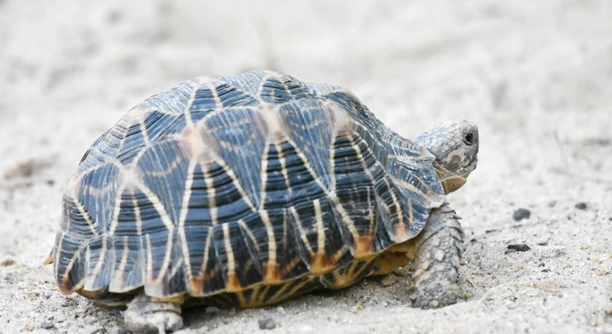
Many tortoise owners have noticed their Indian Star Tortoise avoiding its basking spot, and this behavior may be puzzling. Understanding the reasons behind this reluctance can help ensure your pet remains healthy and comfortable.
Several factors can cause an Indian Star Tortoise to avoid its basking spot, such as improper temperature, humidity, or even stress. Ensuring the basking area is at the right temperature and provides a comfortable, quiet environment may resolve the issue.
Addressing these factors can improve your tortoise’s overall well-being and encourage it to use the basking spot regularly.
Temperature and Lighting Issues
One of the most common reasons for an Indian Star Tortoise to avoid its basking spot is an improper temperature setup. Tortoises require a basking spot with a heat source that provides warmth, usually between 90°F and 95°F. If the basking area is too cold, the tortoise will not be motivated to use it. On the other hand, if the spot is too hot, it could lead to overheating and discomfort, causing your tortoise to avoid the area altogether. The lighting is equally important, as it helps regulate the tortoise’s day-night cycle. A proper UVB light is essential for their health.
It is essential to regularly monitor the temperature in the basking area to ensure it remains within the recommended range. If you notice that your tortoise is avoiding the spot, this could indicate that the heat or light is not right for it.
Use a thermometer to check the basking spot’s temperature. Adjust the heat source and lighting accordingly. This simple adjustment could be enough to get your tortoise back to basking.
Stress and Environmental Factors
Another factor affecting basking habits is stress. Indian Star Tortoises are sensitive to environmental changes, and a sudden alteration in their habitat can cause stress. This stress could lead to behaviors like avoiding their basking spot. A noisy or overly bright environment may make the basking area feel unsafe.
Ensure that your tortoise’s habitat is quiet and calming. Avoid placing it near loud areas or places with frequent disturbances. You can also add hiding spots for your tortoise to retreat to if it feels overwhelmed. Additionally, changes in the surrounding environment, such as moving the tank or adding new animals, may increase stress and disrupt basking habits. Regularly cleaning the tank and ensuring it remains stable can help reduce stress levels.
Create a comfortable and stable environment for your tortoise. Minimize any unnecessary changes that could cause stress. With a stable and quiet space, your tortoise will be more likely to use the basking area regularly.
Humidity Levels
Humidity plays a significant role in the health and comfort of your Indian Star Tortoise. If the humidity level in the enclosure is too low, your tortoise may avoid its basking spot. It’s essential to maintain humidity levels between 50% and 70% for a healthy environment. Too much dryness can cause skin shedding issues and respiratory problems.
Investing in a hygrometer will help you monitor humidity levels accurately. If they are too low, consider adding a shallow water dish or misting the habitat lightly. Humidifying the environment will encourage your tortoise to spend more time in its basking area. Ensure proper airflow to avoid the growth of mold or bacteria.
If humidity levels remain inconsistent, your tortoise might seek cooler, more comfortable areas of the habitat. A consistent humidity range will make the basking spot feel safer and more inviting. Regular adjustments, as needed, will promote a more comfortable, stable space for your tortoise.
Health Problems
Illness or discomfort can prevent your tortoise from basking. Common health issues, such as respiratory infections or shell problems, may cause your Indian Star Tortoise to avoid the basking area. If your tortoise is not feeling well, it will likely retreat to a darker, cooler spot where it feels safer.
Monitor for signs of illness, such as labored breathing, lethargy, or changes in behavior. If you notice anything unusual, it’s important to consult with a vet familiar with reptiles. Health problems can affect your tortoise’s behavior, and it may take some time to recover. You should always prioritize your tortoise’s well-being to ensure a full recovery.
While your tortoise recovers, make sure to maintain proper care in terms of temperature, humidity, and diet. Keeping its environment stable will aid in the healing process. Additionally, giving it time to rest and recover in a quiet space will allow it to regain energy and return to normal activities.
Overcrowding
Overcrowding in the enclosure can make the basking area less attractive for your tortoise. If there are too many animals sharing the space, your tortoise may feel stressed or threatened and will avoid basking. A crowded environment leads to competition for space and resources.
It’s important to give your tortoise enough room to roam, bask, and retreat when needed. If overcrowding is an issue, consider relocating other animals to separate enclosures. Maintaining an appropriate space for each animal reduces stress and encourages your tortoise to use its basking spot more frequently.
Substrate Choice
The wrong substrate can also discourage your tortoise from using its basking spot. A substrate that is too soft or moist may cause discomfort. It’s best to choose a dry, absorbent material that can handle moisture but won’t create an overly damp environment, which could lead to health issues.
Feeding Schedule
A tortoise that isn’t hungry may not feel the need to bask as much. If you’re feeding your Indian Star Tortoise too frequently or at inconsistent times, it might not seek out the basking area as often. Maintaining a balanced feeding schedule helps your tortoise maintain a regular activity cycle.
FAQ
Why does my Indian Star Tortoise spend so much time hiding instead of basking?
There are a few reasons your tortoise may prefer hiding rather than basking. If the basking area is not properly set up, with incorrect temperature or lighting, it may find the area uncomfortable. Stress from environmental factors, such as noise or changes in its surroundings, can also cause your tortoise to avoid basking. Lastly, health problems could lead to your tortoise seeking cooler, darker areas for rest. Ensuring proper temperature, humidity, and a quiet space can help encourage your tortoise to bask regularly.
How can I make sure the basking spot is at the right temperature?
Use a reliable thermometer to check the temperature in the basking area. The basking spot should be kept between 90°F and 95°F for an Indian Star Tortoise. Ensure that the heat source is positioned correctly to provide even warmth. If necessary, adjust the heat lamp or move the basking spot to better control the temperature. Regularly monitor the temperature to avoid fluctuations that may cause discomfort.
Should I use a UVB light for my Indian Star Tortoise?
Yes, a UVB light is essential for your tortoise’s health. It helps in the synthesis of Vitamin D3, which is crucial for calcium absorption and shell growth. Place the UVB light over the basking area and ensure it is replaced every 6 to 12 months, as its effectiveness decreases over time. Make sure the tortoise can reach the light without feeling too exposed or threatened.
What if my tortoise is not eating?
If your tortoise isn’t eating, it could be a sign of stress, illness, or poor environmental conditions. Check the temperature and humidity in the enclosure, as improper levels can affect appetite. If the environment is fine, observe for other signs of illness, such as lethargy or breathing problems. Consult a vet if the problem persists for more than a few days.
Can I place my tortoise’s basking spot near other animals?
It’s best to place your tortoise’s basking spot in an area where it won’t feel threatened by other animals. If there are other pets or animals nearby, your tortoise might feel stressed and avoid basking. Create a space where it can feel safe and undisturbed, ensuring a comfortable environment for basking.
What type of substrate should I use in my tortoise’s enclosure?
The substrate you choose should be absorbent and dry. Options such as coconut coir, hay, or cypress mulch are good choices. Avoid substrates like sand or gravel, which can be uncomfortable and lead to digestive issues if ingested. Keep the substrate clean and dry to maintain proper humidity levels and prevent bacteria buildup.
How often should I change the water in my tortoise’s enclosure?
Water should be changed every day to maintain freshness and cleanliness. Regular water changes help prevent the growth of harmful bacteria and ensure your tortoise has access to clean water. Make sure the water dish is shallow enough for your tortoise to access easily and that the water is not too deep.
Is it normal for my tortoise to sleep a lot?
Tortoises, including Indian Star Tortoises, may sleep more during colder months or when they are feeling stressed or unwell. Ensure the habitat remains warm and stable, especially during the cooler months, to prevent unnecessary hibernation. If your tortoise is sleeping excessively and showing signs of lethargy, it might be worth checking its health or environmental conditions.
How do I know if my tortoise is stressed?
Signs of stress in a tortoise can include hiding more often, avoiding basking spots, refusal to eat, or changes in behavior such as aggression or lethargy. Stress can be caused by factors such as overcrowding, poor temperature regulation, loud noises, or sudden changes in its environment. Addressing these factors promptly can help alleviate stress and improve your tortoise’s behavior.
Can I use heat rocks for my tortoise’s basking spot?
Heat rocks are not recommended for tortoises as they can overheat and cause burns. It’s safer to use a heat lamp or ceramic heat emitter to regulate the temperature in the basking area. These options provide a more consistent and controllable source of heat without the risk of burns.
Why is my tortoise’s shell soft?
A soft shell can be a sign of a calcium deficiency or improper lighting. Ensure your tortoise is receiving proper UVB lighting, which is necessary for calcium absorption. A diet rich in calcium, such as dark leafy greens and calcium supplements, is also important. If the problem persists, consult a vet for further advice.
What should I feed my Indian Star Tortoise?
Indian Star Tortoises primarily eat a diet of grasses, weeds, and leafy greens. Offer a variety of high-fiber plants, such as dandelion greens, clover, and collard greens. Avoid feeding them too much fruit, as it can cause digestive issues. Make sure the food is clean and free from pesticides to ensure their health.
How much space does my tortoise need?
Indian Star Tortoises need a spacious enclosure to thrive. The minimum recommended size for one tortoise is 4 feet by 2 feet, but larger enclosures are always better. Ensure there is enough space for the tortoise to move freely, bask, and explore. More space means less stress for your pet.
Final Thoughts
Understanding why your Indian Star Tortoise refuses to use its basking spot requires careful observation of its environment and behavior. Factors like improper temperature, humidity, stress, or health issues can all contribute to this problem. By ensuring that the basking spot is correctly set up with the right temperature and UVB lighting, you can create a more inviting and comfortable space for your tortoise. Regularly checking the temperature, humidity, and overall conditions in the enclosure will help maintain a healthy environment that encourages your tortoise to use the basking spot.
Another important aspect to consider is the enclosure’s size and how crowded it is. Overcrowding can create stress and competition, which might make your tortoise feel unsafe or uncomfortable. Providing enough space for your tortoise to move around freely, bask, and retreat when needed can significantly improve its well-being. You should also pay attention to the substrate in the enclosure, as certain types of bedding can affect your tortoise’s comfort. A dry, absorbent substrate will provide a better environment for both basking and general movement, ensuring that your tortoise has the optimal conditions it needs to thrive.
Lastly, always monitor your tortoise’s health. If it’s consistently avoiding the basking spot, it may be a sign of an underlying health issue that requires attention. If your tortoise is not eating or shows signs of lethargy, a visit to a veterinarian can help rule out any serious problems. Regular check-ups, a balanced diet, and proper environmental control will not only help your tortoise feel more comfortable but also ensure that it lives a long, healthy life.

Hello,
If you enjoy the content that we create, please consider saying a "Thank You!" by leaving a tip.
Every little bit helps us continue crafting quality advice that supports the health, happiness, and well-being of pets around the world, for pets of all shapes, sizes, and species.
We really appreciate the kindness and support that you show us!