
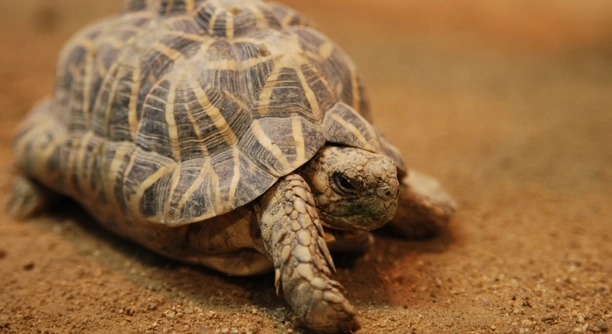
Indian Star Tortoises are herbivores and have specific dietary needs. Knowing which foods are safe for them is essential for their well-being. Gooseberries are often considered by tortoise owners, but are they suitable for this species?
Indian Star Tortoises can eat gooseberries in moderation. However, the fruit contains high levels of acid, which can cause digestive discomfort or other health issues if consumed excessively. It is important to offer gooseberries sparingly to avoid adverse effects.
The impact of gooseberries on a tortoise’s health depends on how often they are included in their diet. Understanding their dietary needs is crucial to ensuring their long-term health and well-being.
Nutritional Value of Gooseberries for Indian Star Tortoises
Gooseberries are packed with vitamin C and fiber, which are beneficial to many animals. However, for Indian Star Tortoises, their high acidity can pose potential risks. The vitamin C found in gooseberries can aid in boosting the immune system, but too much of it may lead to digestive issues, especially for a sensitive digestive system like that of a tortoise. The fiber is beneficial, but the fruit’s acidity can upset their stomachs or cause diarrhea. Moderation is essential when adding gooseberries to their diet. It is best to offer them as an occasional treat rather than a regular food item to avoid overwhelming their system.
Gooseberries, while nutritious, should be limited due to their acidity. Offering this fruit too frequently could lead to gastrointestinal problems in tortoises.
When adding new food items to an Indian Star Tortoise’s diet, it is important to consider both their nutritional benefits and potential side effects. A varied diet of leafy greens, grasses, and some fruit is ideal for keeping your tortoise healthy. Offering them small amounts of gooseberries ensures they can enjoy the treat without risking their digestive health. Always observe how your tortoise responds to new foods, and discontinue them if any negative symptoms arise. Moderation and balance are the key to a healthy diet for these reptiles.
Risks of Feeding Gooseberries Regularly
Feeding your tortoise gooseberries frequently could lead to health problems. The fruit’s high acidity may result in discomfort and poor digestion.
Excessive acidity in gooseberries can lead to stomach upset, resulting in softer stool or even diarrhea. It is crucial to maintain a careful approach when offering gooseberries to your Indian Star Tortoise to ensure they do not face long-term health consequences.
Safe Ways to Introduce Gooseberries to Your Tortoise
Gooseberries should be introduced gradually to your tortoise’s diet. Start with small amounts and observe for any adverse reactions, such as diarrhea or loss of appetite. If no issues arise, you can continue offering it in moderation.
It’s best to remove the skin and seeds before feeding gooseberries to your tortoise. The skin can be tough for them to digest, and the seeds could pose a choking hazard. Washing the fruit thoroughly ensures that any pesticides or contaminants are removed. Always cut the gooseberry into manageable pieces to make eating easier for your tortoise.
It’s important to vary your tortoise’s diet to prevent nutritional imbalance. Relying too heavily on any one food, including gooseberries, can cause deficiencies. Along with the occasional gooseberry, provide your tortoise with a range of leafy greens, vegetables, and safe fruits to ensure they receive the nutrients they need. This balanced approach supports their overall health and well-being.
Signs Your Tortoise May Be Overfed Gooseberries
If your tortoise shows signs of discomfort, such as excessive burrowing or lethargy, they may have eaten too many gooseberries. Keep a close watch for these symptoms after introducing the fruit.
In some cases, overconsumption of acidic foods like gooseberries can lead to digestive upset, which may result in softer stool or an increase in urination. If you notice these symptoms, remove gooseberries from their diet immediately. These signs often indicate that the fruit has upset their digestive system, which needs time to recover. Additionally, if your tortoise refuses to eat or seems to avoid food, it could be a sign of digestive discomfort or imbalance caused by overfeeding.
How Often Should You Feed Gooseberries to Your Tortoise?
Gooseberries should be given sparingly, ideally once or twice a month. Since they are not an essential part of a tortoise’s diet, it’s important not to overdo it. A small amount every few weeks is sufficient.
Overfeeding gooseberries can lead to health problems, particularly digestive upset. It is better to err on the side of caution and avoid frequent offerings.
Other Fruits Safe for Indian Star Tortoises
While gooseberries can be given in moderation, other fruits are safer for regular feeding. Apples, melons, and berries can be great options for variety in your tortoise’s diet. These fruits provide vitamins and hydration while being less acidic.
Always ensure that fruits are given in moderation and in small, manageable portions. Some fruits, like grapes, should be avoided due to high sugar content. Introduce new fruits one at a time to gauge your tortoise’s tolerance and reaction.
FAQ
Can Indian Star Tortoises Eat Gooseberries Every Day?
No, Indian Star Tortoises should not eat gooseberries every day. While the fruit contains beneficial nutrients like vitamin C and fiber, its high acidity can cause digestive issues when consumed in large quantities. Gooseberries should be offered sparingly and as an occasional treat to avoid health problems.
What Fruits Are Best for Indian Star Tortoises?
Indian Star Tortoises thrive on a varied diet that includes safe fruits like apples, melons, and berries. These fruits are less acidic and provide essential vitamins and hydration. Always remove seeds and cut the fruits into small pieces to make them easier for your tortoise to consume.
How Can I Tell If My Tortoise Is Overeating Gooseberries?
Signs of overfeeding gooseberries in your tortoise include lethargy, soft stool, and digestive discomfort. If your tortoise shows any of these symptoms after eating gooseberries, stop feeding them the fruit. Monitor their behavior closely and allow their digestive system to recover. It’s always best to limit any fruit that may upset their stomach.
Are Gooseberries Toxic to Tortoises?
Gooseberries are not inherently toxic to Indian Star Tortoises, but they should still be fed cautiously due to their acidity. While not poisonous, the fruit can cause digestive upset if consumed in excess. Moderation is key, and offering small amounts periodically is safer for your tortoise’s health.
What Other Foods Should I Avoid Feeding My Tortoise?
In addition to avoiding gooseberries in large quantities, there are other foods to steer clear of. High-sugar fruits, such as grapes and citrus, should be limited. Also, foods like iceberg lettuce and other high-water, low-nutrient vegetables offer little nutritional value. Stick to leafy greens like dandelion greens, collard greens, and clover for optimal nutrition.
Can I Feed My Tortoise Cooked Foods or Processed Snacks?
Indian Star Tortoises should only be fed raw, fresh foods. Cooked foods and processed snacks may contain added salts, sugars, or preservatives, which are harmful to their health. A natural, plant-based diet consisting of fresh greens, vegetables, and safe fruits is best for your tortoise’s well-being.
How Much Water Should My Tortoise Drink?
Tortoises do not drink much water in their diet but still need a constant supply of clean water for hydration. Make sure your tortoise has access to fresh water at all times. It’s also a good idea to occasionally mist their shell or soak them in shallow water to promote hydration.
Can I Feed My Tortoise Commercial Pellet Food?
Commercial pellet food can be included in your tortoise’s diet but should not be the primary food source. Pellets may lack essential variety and nutrients, so they should be used in moderation. A diet rich in fresh, natural foods such as leafy greens is more beneficial to your tortoise’s long-term health.
How Often Should I Feed My Tortoise?
The feeding frequency for Indian Star Tortoises depends on their age and size. For young tortoises, feeding once a day is recommended. For adults, 2-3 times a week is sufficient. Make sure to adjust based on your tortoise’s individual needs and always monitor their weight and health for any signs of underfeeding or overfeeding.
What Should I Do If My Tortoise Refuses to Eat?
If your tortoise refuses to eat, check for any signs of illness, stress, or dietary imbalance. Ensure the food is fresh, clean, and appropriate for their diet. Stress, changes in environment, or improper lighting and temperature can also cause loss of appetite. If the refusal continues, consult a vet specializing in reptiles.
Can I Feed My Tortoise Flowers?
Some flowers are safe for Indian Star Tortoises, but not all are suitable. Flowers such as hibiscus, dandelion, and clover are safe and can be offered as treats. Always ensure that the flowers are pesticide-free and have not been exposed to chemicals. Avoid feeding toxic flowers like lilies, daffodils, and azaleas.
Final Thoughts
Gooseberries can be a healthy treat for Indian Star Tortoises when offered in moderation. While the fruit provides beneficial nutrients like vitamin C and fiber, its high acidity means it should not be a regular part of their diet. Overfeeding can lead to digestive upset and other health problems. Therefore, it is best to feed gooseberries only occasionally, ensuring that your tortoise’s diet remains balanced with a variety of safe foods.
The primary focus for a healthy diet should always be on leafy greens and other vegetables that provide the essential nutrients your tortoise needs. Safe fruits like apples, melons, and berries can be introduced occasionally, but should not be relied upon as a main food source. A variety of these safe fruits and vegetables will give your tortoise the necessary vitamins, minerals, and fiber for optimal growth and well-being. Always be mindful of portion sizes to avoid overfeeding any one food.
It is crucial to monitor your tortoise’s overall health and eating habits. If your tortoise experiences any signs of discomfort, such as lethargy, digestive issues, or changes in behavior, it may be a sign that their diet needs adjustment. Consulting a reptile veterinarian can help you address any concerns and ensure your tortoise remains healthy. A balanced diet, proper hydration, and regular health checks are key factors in ensuring the longevity and happiness of your Indian Star Tortoise.

Hello,
If you enjoy the content that we create, please consider saying a "Thank You!" by leaving a tip.
Every little bit helps us continue crafting quality advice that supports the health, happiness, and well-being of pets around the world, for pets of all shapes, sizes, and species.
We really appreciate the kindness and support that you show us!