
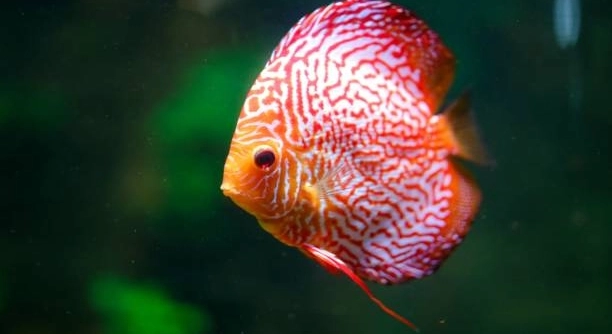
Keeping discus fish requires attention to their unique needs and environment. Many new hobbyists enjoy their vibrant colors but may unknowingly make mistakes that affect the fish’s health. Avoiding common errors is essential for successful discus care.
Seven critical mistakes must be avoided to maintain healthy discus fish. These include improper water conditions, overcrowding, poor diet, inconsistent maintenance, sudden changes, incorrect tank mates, and inadequate filtration. Each factor directly impacts discus well-being and longevity.
Proper discus care involves understanding these key pitfalls. Learning what to avoid will help maintain a thriving and balanced aquarium environment for these delicate fish.
Improper Water Conditions
Discus fish need very clean and stable water to thrive. They are sensitive to pH levels, temperature, and water hardness. The ideal temperature is between 82°F and 86°F, with a slightly acidic pH around 6.0 to 7.0. Sudden fluctuations in water parameters can stress them, leading to illness. Frequent water changes and testing help maintain the proper environment. Avoid using untreated tap water, as chlorine and other chemicals can harm the fish. Using a good water conditioner is important to remove harmful substances. Keeping the tank clean and well-filtered also supports their health.
Water quality directly affects discus survival and appearance. Poor water conditions often result in weakened immune systems and faded colors.
Maintaining stable water parameters requires regular monitoring and adjustments. Use reliable test kits to check ammonia, nitrites, nitrates, and pH levels. Make gradual changes when needed to avoid shocking the fish. Avoid overcrowding the tank, which can cause rapid water deterioration. Investing in a quality filtration system ensures waste is effectively removed. Clean gravel and decorations periodically to prevent harmful buildup. Taking these steps consistently promotes a healthy environment and long-lasting discus fish.
Overcrowding
Overcrowding stresses discus fish and worsens water quality.
Too many discus in one tank increase waste and reduce oxygen levels. This environment raises the risk of disease and aggressive behavior among fish.
A good rule is to allow at least 10 gallons of water per adult discus. More space helps reduce competition and stress, improving their overall health. Overstocked tanks are harder to maintain, requiring more frequent cleaning and water changes. Discus need space to swim freely and establish territories. Providing ample room supports natural behavior and vibrant colors. Planning tank size carefully and avoiding impulse additions prevent overcrowding problems. Maintaining a balanced population helps create a stable and peaceful aquarium environment for discus fish.
Poor Diet
Feeding discus fish the wrong diet can cause nutritional deficiencies and health issues. They require a balanced mix of protein and vitamins for optimal growth and color.
A diet based solely on flakes or pellets often lacks the nutrients discus need. Offering a variety of foods, including high-quality frozen or live options like bloodworms, brine shrimp, and specially formulated discus pellets, ensures proper nutrition. Overfeeding can lead to poor water quality, so feed small amounts two to three times daily, only what they can consume in a few minutes. Fresh, varied food supports healthy digestion and vibrant coloration.
Regularly rotating food types helps prevent dietary imbalances. Avoid feeding feeder fish, which may introduce diseases. Proper diet improves immunity and reduces stress, contributing to overall discus longevity.
Inconsistent Maintenance
Neglecting regular tank maintenance harms discus health and water quality. Skipping cleaning and water changes leads to toxic buildup and stress.
Routine maintenance includes weekly water changes of 25-30%, gravel vacuuming, and filter cleaning. Consistency prevents ammonia and nitrate levels from rising. Sudden large water changes can shock discus, so changes must be gradual. Keeping a maintenance schedule improves water stability and fish wellbeing. Monitoring equipment such as heaters and filters ensures they function properly. Consistent upkeep is essential for a balanced tank environment, minimizing disease risk and promoting discus vitality.
Sudden Changes
Sudden changes in water temperature or chemistry shock discus fish. This stress weakens their immune system and can cause illness quickly.
Avoid abrupt adjustments by making gradual changes over several hours or days. Stability is key to keeping discus healthy and calm.
Incorrect Tank Mates
Choosing the wrong tank mates can lead to stress and aggression. Discus are peaceful and need compatible companions.
Avoid aggressive or overly active fish that may harass discus. Suitable tank mates include tetras, dwarf corydoras, and peaceful rasboras. Proper selection helps maintain a calm, balanced aquarium environment.
Inadequate Filtration
Poor filtration results in toxic water conditions. Discus produce waste that quickly pollutes the tank without strong filtration.
A powerful, efficient filter designed for large tanks helps keep water clear and safe. Clean or replace filter media regularly to maintain optimal performance and healthy water quality.
FAQ
What is the ideal water temperature for discus fish?
The best water temperature for discus fish is between 82°F and 86°F. Maintaining this range keeps them comfortable and supports their metabolism. Temperatures outside this range can cause stress or illness.
How often should I change the water in a discus tank?
Water should be changed weekly, about 25-30% each time. Regular partial changes keep water clean without shocking the fish. Avoid full water changes, which can disrupt the tank’s balance.
Can I keep discus with other fish?
Yes, but choose peaceful species that thrive in similar water conditions. Suitable tank mates include tetras, dwarf corydoras, and peaceful rasboras. Avoid aggressive or fast-moving fish that may stress discus.
What do discus fish eat?
Discus require a varied diet rich in protein and vitamins. Good options include high-quality pellets, frozen or live bloodworms, brine shrimp, and specially formulated discus food. Avoid feeding only flakes or feeder fish.
How big should my discus tank be?
A minimum of 50 gallons is recommended for a small group of discus. Each adult discus needs about 10 gallons. Larger tanks help maintain stable water conditions and give fish ample swimming space.
Why are my discus losing color?
Color fading can be caused by stress, poor water quality, or inadequate diet. Check water parameters and ensure a balanced, varied diet. Reducing stressors like overcrowding or aggressive tank mates also helps.
How do I prevent diseases in discus fish?
Maintain clean water with regular testing and partial water changes. Avoid overcrowding and provide a nutritious diet. Quarantine new fish before adding them to the tank. Watch for signs of illness and act quickly if problems arise.
Can I use tap water for my discus tank?
Tap water can be used only if treated properly. Use a water conditioner to remove chlorine and chloramine. Test water parameters before adding it to the tank. Untreated tap water may harm discus fish.
How often should I feed discus fish?
Feed discus two to three times a day, giving only what they can eat in a few minutes. Overfeeding can pollute the water and cause health problems.
What type of filtration is best for discus tanks?
A strong, efficient filter that provides biological, mechanical, and chemical filtration is ideal. Canister filters or sponge filters are commonly used. Regular cleaning and maintenance of the filter are important to keep water quality high.
Final Thoughts
Keeping discus fish can be rewarding, but it requires careful attention to their needs. Avoiding common mistakes like poor water quality, overcrowding, and improper diet is essential for their health. These fish are sensitive and need stable conditions to thrive. Consistent water testing, gradual changes, and proper filtration help maintain a safe environment. Overcrowding and aggressive tank mates create stress, which can lead to illness and shorter lifespans. Feeding a varied and balanced diet supports their growth and coloration. Taking these precautions helps discus live longer and look their best.
Regular tank maintenance is also important. Cleaning the tank, changing water regularly, and monitoring equipment performance keep the environment stable. Sudden changes should be avoided, as discus fish are sensitive to fluctuations in temperature and water chemistry. Consistency is key in every aspect of their care. Good filtration and proper food rotation play a role in reducing disease risks. Avoiding overfeeding and removing uneaten food quickly keeps water clean and safe. Maintaining this routine takes effort but results in a healthier and more vibrant aquarium.
Understanding the basic requirements and potential pitfalls helps create a successful discus setup. Patience and attention to detail are necessary to keep discus fish healthy. Each step, from selecting tank mates to choosing the right food, impacts their well-being. Being mindful of these factors protects discus from stress and illness. Discus fish require dedication, but the vibrant colors and graceful swimming make it worthwhile. Following these guidelines will help maintain a thriving, peaceful environment where discus fish can flourish for years.

Hello,
If you enjoy the content that we create, please consider saying a "Thank You!" by leaving a tip.
Every little bit helps us continue crafting quality advice that supports the health, happiness, and well-being of pets around the world, for pets of all shapes, sizes, and species.
We really appreciate the kindness and support that you show us!