
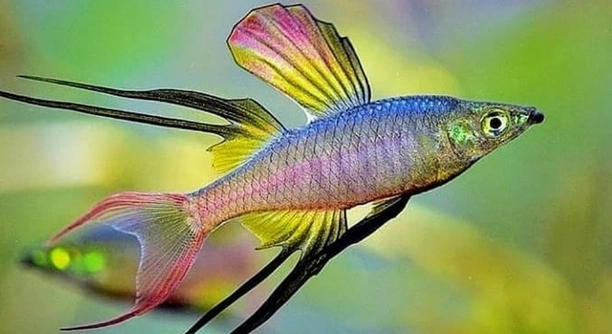
Have you ever needed to find a new home for your Threadfin Rainbowfish but weren’t sure how to do it kindly and safely?
The safest way to rehome a Threadfin Rainbowfish is through a gradual, stress-free process that includes assessing compatibility, preparing proper transport, and ensuring the new environment mirrors its natural habitat. Proper handling prevents shock and promotes healthy adjustment.
Each step of rehoming can make a big difference in your fish’s comfort and overall well-being during the transition.
Understanding When It’s Time to Rehome
Sometimes, even with the best care, a Threadfin Rainbowfish may need a new home. This could be due to tank overcrowding, incompatible tank mates, or changes in your schedule that affect maintenance. Recognizing the signs early can prevent unnecessary stress for your fish. If you notice aggression, frequent hiding, or poor appetite, it may be a signal that your fish feels uncomfortable. Creating a calm, balanced environment matters, but when that’s no longer possible, rehoming becomes the kindest choice. It’s about ensuring your fish continues to live comfortably and safely, even if it’s not under your care anymore.
When rehoming is done thoughtfully, it helps the fish adapt quickly to its new environment. The goal is to make the transition smooth, reducing stress and health risks.
By understanding your fish’s needs, you can make the rehoming process a positive step rather than a difficult one.
Choosing the Right New Home
Finding the right home for your Threadfin Rainbowfish is the most important part of the process. It ensures your fish continues to live in a stable, caring environment that suits its nature.
Start by looking for an experienced fish keeper or a local aquarium club where members understand delicate species like Threadfin Rainbowfish. Ask about their tank setup—pay attention to water parameters, tank mates, and feeding habits. This fish thrives in soft, slightly acidic water with gentle flow, so ensure the new setup meets these conditions. If you’re giving your fish to a store or breeder, confirm they practice ethical rehoming rather than reselling for profit. Be honest about your fish’s behavior and health so the new owner can prepare properly. When transferring your fish, use a clean, oxygenated bag and keep handling minimal to avoid stress. A little preparation goes a long way in keeping your Threadfin Rainbowfish safe and calm.
Preparing for a Smooth Transition
Before moving your Threadfin Rainbowfish, prepare both the current and new environments. This helps reduce sudden changes that can shock the fish and affect its health. Consistency in temperature, pH, and lighting will make the move less stressful.
Begin by slowly adjusting the water conditions in a separate holding tank to match the new setup. Avoid feeding your fish right before transport, as this reduces waste and keeps the water cleaner during travel. Use a breathable fish bag or container with stable oxygen levels, and keep it out of direct sunlight. Limit sudden movements while carrying the fish to avoid panic. Once at the new location, let the fish acclimate gradually by floating the bag in the new tank and mixing small amounts of tank water over 20 to 30 minutes. These small steps protect your fish from temperature shock and chemical imbalance.
After transfer, watch your fish closely for signs of stress, such as rapid breathing or hiding. A calm environment, dim lighting, and stable water conditions help it settle faster. Avoid feeding immediately after arrival; wait a few hours to allow your fish to relax. With gentle handling and patience, your Threadfin Rainbowfish will begin adjusting smoothly to its new surroundings.
Working with Local Aquariums or Groups
Many aquarium stores and local fish clubs can help you find a suitable new home for your Threadfin Rainbowfish. They often have knowledgeable members who understand the species’ care requirements and can ensure your fish goes to a responsible owner.
When reaching out, provide details about your fish’s age, size, and behavior to help match it with the right environment. Aquarium stores with good reputations often partner with local hobbyists who appreciate sensitive species. If you choose to post online, use community groups that focus on freshwater or rainbowfish care. Avoid mass-selling platforms that lack screening processes. When meeting potential owners, ask simple questions about their tank setup, experience, and fish compatibility. Taking these extra steps ensures your Threadfin Rainbowfish transitions to a safe, stable home where it can continue to thrive.
Handling the Transport Safely
During transport, keep your Threadfin Rainbowfish in a secure, insulated container to maintain stable temperature and oxygen levels. Use clean, conditioned water from the original tank to reduce stress and prevent sudden changes in water chemistry.
Avoid shaking or exposing the container to direct sunlight. Keep it in a quiet, dark space to help your fish stay calm. Limit the travel time when possible, and check that the container remains sealed and upright throughout the trip.
Acclimating to the New Environment
Once the fish reaches its new home, allow the sealed bag to float in the tank for about 20 minutes to equalize temperature. Gradually mix small amounts of tank water into the bag to help the fish adjust to the new conditions. After full acclimation, release it gently without pouring bag water into the tank. Observe quietly for the next few hours to ensure it is swimming normally and breathing steadily.
Monitoring After Rehoming
Keep in touch with the new owner for updates on the fish’s health and behavior. This follow-up helps ensure the transition was successful and that the Threadfin Rainbowfish is adapting well to its new home.
FAQ
How long does it take for a Threadfin Rainbowfish to settle in a new tank?
Threadfin Rainbowfish usually take a few days to a week to adjust fully, depending on stress levels and water compatibility. Keep lighting dim and avoid sudden movements around the tank. Feeding should resume slowly, starting with small amounts once the fish shows normal swimming behavior.
Can I transport more than one fish together?
Yes, but only if the container is large enough to maintain oxygen and stable temperature. Avoid overcrowding, as it increases stress and the risk of injury. Each additional fish requires more space and water volume for safe travel.
What water conditions are ideal for rehoming?
Soft, slightly acidic water with a gentle current suits Threadfin Rainbowfish best. Temperature should stay around 75–80°F (24–27°C), and ammonia, nitrite, and nitrate levels must be minimal. Keeping water chemistry consistent during transport reduces shock and supports healthy adjustment.
Do I need to quarantine before rehoming?
Quarantine is recommended if the fish has been exposed to illness or if the new home contains other fish. Even a short quarantine in a separate tank ensures no diseases are transferred and allows you to monitor for early signs of stress or infection.
Should I feed the fish before transport?
It’s better to avoid feeding for a few hours before moving your fish. This prevents water contamination from waste during travel and lowers the chance of digestive stress. Feed normally after the fish has acclimated to the new environment.
How should I handle sudden changes in water chemistry?
Gradually introduce small amounts of new tank water into the transport bag over 20–30 minutes. Sudden changes in pH, temperature, or hardness can cause shock. Careful mixing allows the fish to adjust slowly and reduces the risk of illness.
What if the fish shows stress during acclimation?
Signs of stress include hiding, rapid breathing, or erratic swimming. Keep the tank quiet, maintain stable water conditions, and avoid feeding immediately. Reducing light intensity and giving the fish space helps it regain confidence and adjust more smoothly.
Can a Threadfin Rainbowfish live alone in the new tank?
Threadfin Rainbowfish are social species and prefer a small group of their kind. If rehoming into a tank without others, provide visual stimulation and hiding spots to reduce stress. However, ideally, a new home includes at least three fish to support natural behavior.
How often should I follow up with the new owner?
Checking in once or twice during the first week is sufficient. Ask about swimming behavior, appetite, and overall health. This ensures the fish is settling in and allows you to offer advice on minor adjustments to water or tank setup if needed.
Is it necessary to transport the fish at night or during the day?
Transporting during cooler parts of the day or when the environment is stable is ideal. Avoid high heat or direct sunlight, which can raise water temperature quickly. A calm and quiet environment during transport reduces stress and helps the fish remain healthy throughout the process.
What equipment is essential for a safe move?
Use a secure, leak-proof container with sufficient water from the original tank, oxygenated properly. A soft net, thermometer, and water conditioner are helpful. Keeping the container insulated and stable prevents temperature fluctuations and physical stress during transit.
How do I prepare the new tank before arrival?
The tank should already have clean, conditioned water at the correct temperature and pH. Provide hiding spots and gentle filtration. Avoid adding new fish or making major changes during acclimation. This creates a calm, familiar environment for the arriving Threadfin Rainbowfish and reduces adjustment time.
Can stress from rehoming affect long-term health?
Yes, prolonged stress can weaken the immune system and make the fish more susceptible to disease. Minimizing handling, ensuring proper water conditions, and maintaining a quiet environment during and after transport supports recovery and long-term well-being.
What should I do if the new owner notices unusual behavior?
Unusual behavior, such as lethargy or rapid gill movement, often indicates stress or water issues. Advise them to check water parameters first and maintain consistent conditions. Sometimes simply allowing time in a calm environment resolves the behavior as the fish adapts to the new tank.
Is it okay to use a bag versus a small tank for transport?
A sealed, oxygenated bag is suitable for short trips and reduces handling stress. For longer moves, a small, insulated tank may be better to maintain water quality and temperature. Either method requires gentle handling and stable conditions to keep the fish safe.
How do I reduce aggression in a new group after rehoming?
If introducing Threadfin Rainbowfish to existing fish, do it gradually. Provide hiding spots, observe interactions, and avoid overcrowding. Separate aggressive fish temporarily if needed. Gradual integration helps maintain peace and supports healthy social behavior in the tank.
What are common mistakes during rehoming?
Common mistakes include sudden water changes, overfeeding before or immediately after transport, overcrowding, and rushing acclimation. Each can cause stress or illness. Planning carefully, monitoring conditions, and taking a patient approach ensures a safer and smoother transition.
How important is temperature stability?
Temperature swings can be highly stressful and lead to illness. Keep transport water consistent and acclimate slowly to the new tank. Even small differences in temperature can affect metabolism and immune function, so attention to this detail is crucial for safe rehoming.
Are there signs of permanent stress damage?
Persistent lethargy, poor appetite, or faded coloration may indicate long-term stress. Immediate adjustment measures can prevent this, but ongoing monitoring and proper care are essential. Early intervention helps the fish recover fully and maintain its natural behaviors in the new environment.
How can I make the transition less frightening?
Minimize handling, reduce noise and lighting, and maintain consistent water parameters. Floating the bag in the new tank and gradually mixing water reduces shock. Observing quietly without interference during the first hours helps the fish feel secure and adapt successfully.
What follow-up care ensures long-term health?
Provide stable water conditions, a balanced diet, and minimal stress in the first week. Monitor for illness, encourage gentle activity, and maintain social grouping. Consistent care and observation help your Threadfin Rainbowfish thrive and enjoy its new home fully.
Final Thoughts
Rehoming a Threadfin Rainbowfish can feel overwhelming at first, but approaching it step by step makes the process manageable. The most important thing is to prioritize the fish’s health and comfort. Each decision, from choosing the right new home to monitoring the fish after the move, has a direct impact on how well it adjusts. Taking time to plan and preparing the water conditions and transport method reduces stress and keeps your fish safe. Threadfin Rainbowfish are delicate creatures, and even small changes in their environment can affect their well-being. By being attentive and careful, you give the fish the best chance to continue thriving, even if it’s not under your care anymore.
It’s also helpful to remember that rehoming doesn’t have to be rushed. Gradual acclimation, careful handling, and clear communication with the new owner make a significant difference in the outcome. Maintaining stable water parameters, avoiding sudden changes, and providing familiar surroundings in the new tank support the fish’s transition. Observing behavior during the first hours and days helps you know whether the fish is adapting properly or if additional adjustments are needed. Simple measures, like minimizing noise and limiting direct handling, allow the Threadfin Rainbowfish to feel secure in its new environment. Even after the initial transfer, keeping an eye on feeding patterns, swimming behavior, and social interactions can indicate if the fish is settling in comfortably. Thoughtful attention during this period ensures that the fish experiences less stress and continues to thrive.
Finally, the process of rehoming a Threadfin Rainbowfish is an opportunity to act responsibly as a fish keeper. Providing a safe, suitable home demonstrates care and respect for the species. By preparing carefully, choosing the right recipient, and following proper acclimation practices, you can reduce risks and make the transition smoother. This approach benefits not only the fish but also gives you peace of mind, knowing that it will continue to live in a stable, supportive environment. Rehoming is not a failure; it is a responsible choice when circumstances change. Ensuring the fish’s health and happiness through proper planning and monitoring makes the experience positive for both the fish and the person giving it a new home. With patience, attention, and the right steps, Threadfin Rainbowfish can continue to live safely and happily in their new tank.

Hello,
If you enjoy the content that we create, please consider saying a "Thank You!" by leaving a tip.
Every little bit helps us continue crafting quality advice that supports the health, happiness, and well-being of pets around the world, for pets of all shapes, sizes, and species.
We really appreciate the kindness and support that you show us!