
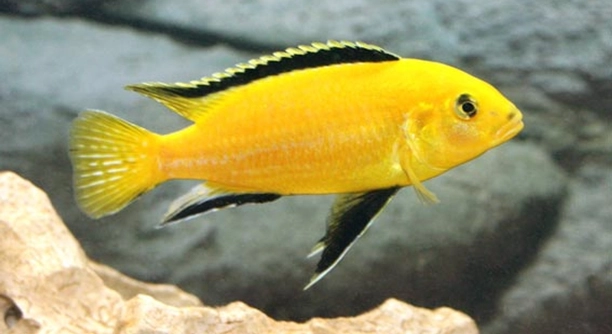
Caring for an Electric Yellow Cichlid can be a rewarding experience, yet these vibrant fish are sensitive to their environment. Observing subtle changes in behavior or appearance can help maintain their health and prevent serious illness before it escalates.
Electric Yellow Cichlids exhibit several visual signs when they are unwell, including faded coloration, clamped fins, lethargy, labored breathing, loss of appetite, abnormal swimming patterns, and visible spots or lesions. Identifying these indicators early allows for timely intervention and treatment.
Recognizing these signs ensures your fish receive proper care and protection, supporting their well-being and extending their life in a healthy aquarium environment.
Faded Coloration
When an Electric Yellow Cichlid begins to lose its bright yellow hue, it is often a clear indication of stress or illness. This fading can occur gradually, making it easy to overlook. Poor water quality, incorrect temperature, or a sudden change in the tank environment can all contribute to this symptom. Nutritional deficiencies also play a significant role; a diet lacking essential vitamins and minerals will reduce the vibrancy of their coloration. Observing your fish daily will help you notice even small shifts in their appearance. Along with color changes, other subtle signs like reduced activity or reluctance to eat may accompany this symptom. Prompt attention can prevent minor stress from developing into serious health issues. Maintaining stable tank conditions and providing a balanced diet are essential steps in preserving the natural brightness of an Electric Yellow Cichlid. Regular monitoring of water parameters ensures that any changes are addressed quickly.
Faded color is an early visual sign that should never be ignored. Immediate action can prevent further complications.
Keeping a consistent feeding schedule with high-quality food rich in carotenoids and vitamins supports natural coloration. In addition, maintaining clean water and proper tank temperature reduces stress, which in turn allows the fish to regain its vibrant yellow shade. Observing behavioral cues alongside coloration provides a fuller picture of health.
Clamped Fins
Clamped fins occur when the fish holds its fins close to its body, signaling discomfort or illness.
This condition often indicates stress caused by poor water quality, parasites, or bacterial infections. Clamped fins can limit swimming ability, leaving the fish more vulnerable to disease.
Monitoring the tank for changes in pH, ammonia, or nitrate levels is critical. Sudden shifts in water conditions often trigger this behavior. Ensuring proper filtration, regular water changes, and avoiding overcrowding can prevent the recurrence of clamped fins. Nutritional support also contributes to stronger fin health. If the behavior persists, isolating the affected fish for observation or treatment may be necessary. In severe cases, veterinary consultation can help address underlying health issues. Clamped fins often appear alongside other signs like lethargy or loss of appetite, providing additional clues about the fish’s condition. Early intervention can restore fin movement and reduce the risk of secondary infections, ensuring the Electric Yellow Cichlid maintains overall vitality in its aquarium habitat.
Lethargy
Lethargy in Electric Yellow Cichlids is marked by minimal movement and long periods spent resting at the bottom of the tank. It is often linked to stress, poor water quality, or illness and requires careful monitoring to prevent worsening health.
Prolonged lethargy can indicate underlying issues such as infections, parasites, or improper tank conditions. Water parameters should be checked immediately, including temperature, pH, and ammonia levels. Nutritional deficiencies can also contribute, so providing high-quality food with essential vitamins is important. Observing for other signs like clamped fins, loss of appetite, or abnormal swimming patterns helps determine the severity of the condition.
Addressing lethargy involves maintaining optimal tank conditions, performing regular water changes, and ensuring a balanced diet. Isolating the affected fish in a quarantine tank may reduce stress and allow for targeted treatment. Persistent lethargy may require consultation with an aquatic veterinarian to identify and resolve the root cause effectively.
Labored Breathing
Labored breathing is evident when the fish frequently gulps air at the surface or exhibits rapid gill movement. This condition often signals poor oxygenation, ammonia buildup, or gill infections.
Immediate assessment of water quality is crucial, focusing on oxygen levels, temperature, and chemical imbalances. Poor filtration or overcrowding can exacerbate the issue. Providing proper aeration, maintaining clean water, and reducing stress factors are essential steps. Observation of other symptoms such as lethargy, pale gills, or clamped fins can indicate a broader health problem.
Treatment may involve adjusting water parameters, adding aeration devices, and administering appropriate medications if infections are suspected. A consistent feeding schedule with high-quality food supports recovery, while regular monitoring ensures oxygen levels remain adequate. If labored breathing persists despite these measures, separating the affected fish from the main tank for closer observation can prevent further deterioration. Consulting a professional may be necessary to identify and treat underlying illnesses effectively, preserving the fish’s health.
Loss of Appetite
Loss of appetite in Electric Yellow Cichlids often signals stress, illness, or poor water conditions. It is important to address this promptly to prevent malnutrition and further health decline.
Offering high-quality, varied food can encourage eating. Monitor the fish closely and maintain clean water to support recovery.
Abnormal Swimming Patterns
Abnormal swimming patterns include erratic movements, floating sideways, or struggling to maintain balance. These behaviors often indicate swim bladder issues, infections, or neurological problems. Observing tank conditions and other symptoms can help identify the cause. Prompt adjustments in environment and diet are essential to restore normal behavior.
Visible Spots or Lesions
Visible spots or lesions on the body or fins usually point to bacterial, fungal, or parasitic infections. Immediate treatment is necessary to prevent further damage and spread to other fish. Monitoring water quality and maintaining a clean tank are key steps in recovery.
FAQ
How can I tell if my Electric Yellow Cichlid is sick?
Common visual signs include faded coloration, clamped fins, lethargy, labored breathing, loss of appetite, abnormal swimming patterns, and visible spots or lesions. Observing your fish daily and noting any sudden changes in behavior or appearance helps detect problems early.
What should I do if I notice faded coloration?
Check water quality and temperature first, as these often affect color. Provide a balanced diet rich in vitamins and carotenoids. Reduce stress by maintaining a stable environment and avoiding sudden changes in tank conditions. Daily observation ensures any improvement or worsening is noticed quickly.
Why are my cichlid’s fins clamped?
Clamped fins are usually a stress response caused by poor water quality, parasites, or bacterial infections. Ensure the tank is clean, check for ammonia and nitrate levels, and provide proper filtration. Isolating the fish temporarily can help it recover.
What causes lethargy in Electric Yellow Cichlids?
Lethargy is often linked to stress, illness, or nutritional deficiencies. Poor water conditions, overcrowding, and infections can contribute. Regular water testing, maintaining optimal conditions, and offering nutritious food are important. Persistent lethargy may require a quarantine tank or professional advice.
How do I address labored breathing?
Check oxygen levels, temperature, and water chemistry immediately. Poor aeration, overcrowding, or high ammonia can lead to labored breathing. Adding aeration, performing water changes, and treating possible infections are key steps. Observing other symptoms helps identify the root cause.
What should I do if my fish refuses to eat?
Loss of appetite can result from stress, illness, or poor water quality. Offer varied, high-quality food and maintain clean water. Monitor for additional signs like lethargy or clamped fins, which may indicate a deeper health problem requiring treatment.
Why is my cichlid swimming abnormally?
Abnormal swimming can indicate swim bladder issues, infections, or neurological problems. Observe tank conditions, water quality, and diet. Adjusting the environment, ensuring proper nutrition, and treating underlying illnesses help restore normal swimming patterns.
How do I treat visible spots or lesions?
Spots or lesions are often caused by bacterial, fungal, or parasitic infections. Isolate the affected fish if possible. Maintain clean water, monitor for spreading symptoms, and use appropriate medications if needed. Early intervention prevents complications and protects other tank inhabitants.
Can water changes prevent illness?
Yes, regular water changes reduce toxins, maintain pH balance, and support oxygen levels. Keeping water conditions stable prevents stress, which is a major factor in most illnesses affecting Electric Yellow Cichlids. Monitoring water quality is essential for long-term health.
How important is diet for preventing sickness?
A balanced, nutrient-rich diet supports immunity and overall health. Foods high in vitamins, carotenoids, and protein strengthen the fish’s ability to resist infections. Avoid overfeeding and ensure food variety to promote vibrant coloration and proper growth.
When should I consult a professional?
If symptoms persist despite proper care, or if multiple signs appear simultaneously, a professional or aquatic veterinarian can help diagnose and treat the issue. Early consultation increases the chance of recovery and prevents serious health decline.
How can I reduce stress in my cichlid?
Provide a stable environment with appropriate tank size, proper filtration, and minimal disturbances. Avoid overcrowding and sudden changes in water conditions. Hiding spaces and balanced social groupings can also help the fish feel secure and healthy.
Can sick fish recover fully?
Yes, if the underlying cause is identified and addressed promptly. Proper water quality, nutrition, and targeted treatment support recovery. Consistent observation ensures early intervention, increasing the likelihood of the fish returning to full health.
Final Thoughts
Caring for an Electric Yellow Cichlid requires attention to detail and consistency. These fish are sensitive to changes in their environment, and even small fluctuations in water quality, temperature, or diet can affect their health. Observing them daily for signs such as faded coloration, clamped fins, or unusual swimming patterns is essential. By paying close attention to their behavior and appearance, you can identify potential problems before they become serious. Maintaining a clean, stable tank environment with proper filtration, regular water changes, and balanced nutrition will help prevent most common health issues. Simple adjustments, like monitoring pH levels or providing high-quality food, can make a significant difference in the fish’s overall well-being. Consistency in care allows the Electric Yellow Cichlid to thrive and display its natural vibrant color and active behavior, which is a rewarding aspect of keeping these fish.
When illness occurs, early detection and action are crucial. Symptoms such as lethargy, labored breathing, or visible lesions should never be ignored. Promptly addressing these signs with water quality improvements, dietary adjustments, or medical treatment can prevent further deterioration. Isolating a sick fish in a quarantine tank can reduce stress and limit the spread of disease to other tank inhabitants. Paying attention to all aspects of care, including tank size, filtration, and diet, ensures the fish receives the support needed to recover. Recovery is often possible if issues are addressed quickly, and following proper treatment routines helps restore the fish’s health. Regular observation also builds an understanding of the fish’s normal behavior, making it easier to spot subtle changes that indicate stress or illness. Preventive care and attentiveness are key components in maintaining a healthy aquarium environment.
Maintaining a healthy Electric Yellow Cichlid is about balancing environmental stability and proper nutrition. Avoiding overcrowding, maintaining clean water, and providing a diet rich in essential nutrients helps the fish maintain its natural color and energy. Understanding the visual signs of illness allows you to act early, reducing the risk of serious health problems. While some conditions require medication or professional advice, many issues can be prevented through careful tank management and observation. Building a routine of checking water parameters, feeding appropriately, and monitoring behavior ensures long-term health. These practices not only support recovery from illness but also enhance the overall quality of life for the fish. With consistent care and attention, Electric Yellow Cichlids can thrive, offering both beauty and vitality to the aquarium. Observing, maintaining, and responding appropriately creates a stable environment where these fish can remain healthy and vibrant for years.

Hello,
If you enjoy the content that we create, please consider saying a "Thank You!" by leaving a tip.
Every little bit helps us continue crafting quality advice that supports the health, happiness, and well-being of pets around the world, for pets of all shapes, sizes, and species.
We really appreciate the kindness and support that you show us!