
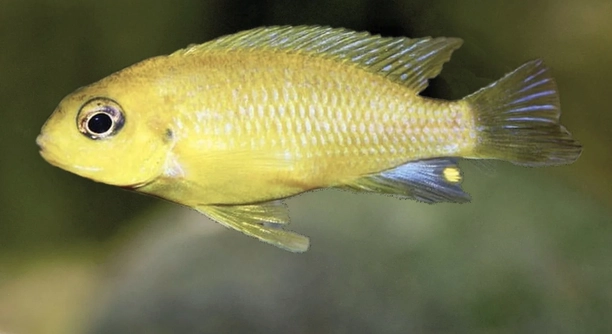
Do your Electric Yellow Cichlids sometimes seem eager for more food than usual? These bright, lively fish can easily overeat if their feeding habits are not carefully monitored. Observing their behavior is important for their health and tank balance.
Overeating in Electric Yellow Cichlids can lead to digestive problems, swim bladder disorders, and excess fat accumulation. It is essential to regulate portions and feeding frequency to maintain their optimal health and prevent long-term complications in captivity.
Monitoring feeding habits and understanding the consequences of overfeeding will help keep your cichlids healthy and active in their aquatic environment.
Signs Your Electric Yellow Cichlids Are Overeating
Overeating in Electric Yellow Cichlids can be subtle at first. You may notice bloated bellies or slower swimming patterns. These fish may also seem less active or hide more than usual. Uneaten food can accumulate at the bottom of the tank, leading to poor water quality. Observing feeding behavior is essential. If they dart to food aggressively or continuously pick at leftovers, it indicates they are eating too much. Over time, excess food can stress their digestive systems, making them prone to disease. Their bright colors may dull, and scales can appear stretched or shiny due to bloating. Tankmates may show signs of irritation if one fish dominates feeding, creating a stressful environment. Adjusting feeding portions and removing excess food promptly helps prevent health issues. Regular observation is key to catching overeating before it escalates into serious problems. Consistent routines and controlled portions protect both the fish and the tank environment.
Monitoring how your cichlids eat daily helps prevent health complications. Small adjustments can make a big difference in their wellbeing.
When you notice signs of overeating, it’s important to act immediately. Reducing the amount of food given at each feeding and spacing out meals allows their digestive systems to recover. Remove any leftover food quickly to avoid water contamination. Regularly testing water parameters ensures ammonia or nitrate levels do not rise, as poor water quality worsens health issues. Providing a balanced diet with proper nutrients supports their metabolism and keeps them active. Sometimes, offering vegetables or sinking pellets instead of only flakes slows their intake and reduces the risk of bloating. Observing interactions among tankmates ensures no fish is being pushed aside or overfed. Overfeeding is preventable with careful portion control, consistent feeding schedules, and attention to fish behavior. Keeping a feeding log can help track patterns and adjust portions as needed. Healthy feeding practices enhance their lifespan and maintain their vibrant colors. With attentive care, you can create a stable, healthy tank for your Electric Yellow Cichlids.
Potential Health Issues from Overeating
Overeating can lead to digestive issues and swim bladder problems. These conditions affect mobility and overall health.
Excessive food intake in Electric Yellow Cichlids stresses internal organs. Digestive blockages may cause bloating, constipation, and discomfort, making swimming difficult. Swim bladder disorders result from pressure on internal organs, leading to abnormal buoyancy or floating issues. Over time, fatty deposits may form, weakening immunity and increasing susceptibility to infections. Continuous overfeeding also harms water quality, creating a toxic environment that exacerbates health problems. Regular feeding control, careful monitoring of tank cleanliness, and dietary adjustments reduce these risks. Providing fiber-rich foods and avoiding over-reliance on flakes or pellets can improve digestion. Observing each fish’s eating patterns ensures no individual dominates or eats excessively. By addressing feeding habits proactively, you minimize the chance of chronic conditions and support long-term health. A healthy diet, proper tank maintenance, and attentive observation work together to keep Electric Yellow Cichlids active, colorful, and thriving.
Preventing Overeating in Electric Yellow Cichlids
Controlling portion sizes is the easiest way to prevent overeating. Feed small amounts two to three times a day and remove any uneaten food promptly. Consistency in feeding schedules keeps their digestion steady and prevents stress.
Using a measured feeding routine ensures each cichlid gets enough nutrition without excess. Avoid free-feeding, as it often leads to bloating and poor water quality. Introduce a variety of foods, including pellets, flakes, and occasional vegetables, to provide balanced nutrients. Observing how quickly they consume their meals helps adjust portions and prevents leftover food from decomposing in the tank. Gradually changing feeding amounts can help correct overeating habits over time without shocking the fish.
Adding vegetables or specialized sinking pellets slows their eating pace and promotes healthier digestion. Rotating diet types reduces the risk of nutrient imbalance and supports overall vitality. Monitoring the tank closely for leftover food prevents ammonia spikes and maintains clean water. Pairing proper feeding with regular water changes keeps the environment safe. Watching individual fish ensures none dominate meals, reducing stress. Gradual adjustments to feeding portions help maintain ideal weight, vibrant colors, and active behavior. Overfeeding is preventable with attention and structured routines.
Adjusting Diet for Long-Term Health
Balanced diets are key for strong, healthy cichlids. Avoid feeding only one type of food repeatedly, as it may lead to nutrient deficiencies.
Overfeeding often happens when fish are offered high-fat or protein-heavy foods too frequently. Introducing vegetables like peas or zucchini can improve digestion and reduce bloating. Providing a mix of pellets, flakes, and frozen foods supplies essential nutrients without overwhelming their systems. Observing each fish’s appetite helps identify which foods are consumed quickly versus leftovers that decay. Portion control and food variety together prevent obesity and digestive issues. Regularly adjusting diet based on activity levels and seasonal behavior maintains energy and supports immunity. A balanced diet ensures their bright coloration, mobility, and overall well-being remain consistent.
Maintaining variety and moderation in feeding supports both physical health and behavior. Overfed cichlids may become lethargic, while underfed ones show stress and color dulling. Feeding multiple small meals prevents sudden stomach overloads, which can cause swim bladder problems. Slow-feeding options like sinking pellets encourage controlled intake and reduce competition during meals. Vegetables and occasional protein treats promote digestion and nutrient absorption. Tracking feeding patterns and adjusting portions gradually helps maintain stable weight. Careful attention to diet improves resilience against disease and strengthens immune response. Long-term health depends on thoughtful feeding routines and balanced nutrition, ensuring Electric Yellow Cichlids thrive in a safe, well-maintained tank.
Monitoring Water Quality
Overfeeding affects water quality quickly. Uneaten food decomposes, raising ammonia and nitrate levels. Regular water testing helps catch problems early and keeps the tank safe for your cichlids.
Frequent partial water changes reduce toxins and prevent stress. Keeping filters clean also supports a stable environment, ensuring your fish remain healthy and active.
Feeding Schedules That Work
Feeding small amounts multiple times a day prevents overeating. A consistent schedule helps regulate digestion and reduces leftover food in the tank. Observing how much your cichlids consume in a few minutes allows precise portion control.
Observing Behavior Changes
Changes in swimming, hiding, or aggression can signal overeating. Watching behavior closely helps you adjust feeding practices before health issues develop.
FAQ
How often should I feed my Electric Yellow Cichlids?
Feeding them two to three times a day in small portions is ideal. Overfeeding can cause bloating, poor water quality, and stress. Observe how much they consume within a few minutes and remove any leftovers immediately. This keeps both fish and tank healthy.
What signs show my cichlids are overeating?
Bloating, slow swimming, hiding more than usual, and leftover food in the tank are common indicators. Their colors may appear dull, and scales can look stretched. Watching how aggressively they eat or if one fish dominates the food can help identify problems early.
Can overeating affect water quality?
Yes, uneaten food decomposes, producing ammonia and nitrates. These toxins stress fish, weaken their immune systems, and promote algae growth. Regular water changes, proper filtration, and feeding only measured portions help maintain a safe environment.
Are all types of food safe for frequent feeding?
No, high-fat or high-protein foods can easily lead to digestive issues if overfed. A mix of pellets, flakes, and occasional vegetables like peas or zucchini supports digestion and balanced nutrition. Rotate food types to prevent deficiencies and reduce overeating risks.
How can I slow down my cichlids’ eating?
Use sinking pellets or vegetables that require more effort to consume. This naturally slows intake and helps prevent sudden stomach overloads. Feeding smaller amounts and spacing meals throughout the day also encourages controlled eating.
What health problems come from overeating?
Digestive blockages, bloating, swim bladder disorders, and excess fat accumulation are common. Overfed fish are more prone to infections, and their activity levels drop. Addressing feeding habits promptly prevents long-term complications and improves overall well-being.
How do I adjust feeding if one fish dominates the tank?
Observe interactions closely. Offer food in multiple locations to reduce competition. Smaller, frequent meals allow all fish to get adequate nutrition without overfeeding others. Monitoring portion sizes prevents dominant fish from causing stress to tankmates.
Should I use a feeding log?
Yes, keeping a record of feeding times, amounts, and behavior helps track patterns. It allows adjustments based on appetite, activity levels, and seasonal changes. A log ensures overfeeding is avoided and health issues are caught early.
Can overfeeding affect color and behavior?
Yes, bloating and digestive issues can dull vibrant yellow colors and reduce activity. Stress from overeating or poor water quality may lead to hiding, lethargy, or aggression. Proper feeding routines maintain both appearance and behavior.
What role do water changes play in preventing overeating problems?
Frequent partial water changes remove uneaten food and toxins, maintaining stable water conditions. Clean, well-filtered water prevents ammonia spikes, supports healthy digestion, and reduces stress on the fish. Combining controlled feeding with good water quality is key for long-term health.
Is it okay to give treats like frozen foods or vegetables?
Yes, but in moderation. Treats like peas, zucchini, or frozen brine shrimp add variety and fiber, improving digestion. Avoid giving large quantities at once, as it can still cause bloating. Rotate treats to keep their diet balanced and prevent overeating.
How do I know when to reduce feeding portions?
Monitor behavior and physical signs. If fish appear bloated, sluggish, or hide more, reduce portions immediately. Leftovers accumulating in the tank or sudden dominance during feeding are also indicators to adjust amounts. Consistency prevents recurring issues.
Can overfeeding cause long-term health issues?
Yes, repeated overeating can lead to chronic digestive problems, obesity, swim bladder disorders, and reduced lifespan. Maintaining portion control, variety, and proper feeding schedules ensures your Electric Yellow Cichlids remain active and healthy for years.
How can I maintain a healthy tank while feeding correctly?
Feed small, measured portions, remove leftovers quickly, and perform regular water changes. Keep filters clean and monitor water parameters. Observe fish behavior and adjust food types and amounts as needed. A combination of proper feeding and tank maintenance supports thriving, vibrant cichlids.
This FAQ section covers the most common concerns and solutions for managing feeding habits in Electric Yellow Cichlids. Following these guidelines helps prevent health problems and maintains a balanced, healthy environment in the tank.
Final Thoughts
Keeping Electric Yellow Cichlids healthy requires attention to both feeding habits and tank conditions. Overeating can cause serious problems, including bloating, digestive issues, and swim bladder disorders, which affect their ability to swim properly. Controlling portions and feeding schedules is the simplest and most effective way to prevent these issues. Offering small amounts two to three times a day allows the fish to eat without overwhelming their digestive systems. Watching how much food they consume in a few minutes helps you adjust portions and ensures there is no leftover food in the tank. Removing uneaten food promptly is important because it can quickly decay, increasing ammonia and nitrate levels, which stress the fish and harm water quality. Regular observation is key. Noticing even small changes in swimming, appetite, or behavior can alert you to potential problems before they become serious.
A balanced diet is essential for their long-term health and coloration. Using a mix of flakes, pellets, and occasional vegetables or frozen foods provides the necessary nutrients without overloading them with fat or protein. High-fat or protein-heavy foods should be offered sparingly, as these can contribute to bloating and obesity if given in large amounts. Vegetables like peas or zucchini can improve digestion and slow down feeding, making it easier to prevent overeating. Rotating food types helps ensure they get a wide range of nutrients and prevents monotony, which can lead to picky eating or stress. Paying attention to each fish individually is important, especially in a community tank where one dominant fish may try to eat more than others. Spacing out meals and offering food in multiple locations can reduce competition and make sure all fish get their share without overeating.
Tank maintenance works hand-in-hand with proper feeding to keep Electric Yellow Cichlids thriving. Frequent partial water changes remove uneaten food and toxins, keeping the water clean and safe. A well-maintained filter supports a stable environment, reducing stress and the risk of disease. Monitoring water parameters like ammonia, nitrate, and pH levels ensures that the tank remains healthy. Keeping a feeding log or schedule can be helpful for tracking portions, types of food, and behavior changes. Gradual adjustments to diet and feeding routines prevent sudden stress or health issues. With consistent care, attention to feeding, and a clean tank environment, Electric Yellow Cichlids can stay active, vibrant, and healthy. Taking small, thoughtful steps every day ensures they enjoy a long and comfortable life in your aquarium.

Hello,
If you enjoy the content that we create, please consider saying a "Thank You!" by leaving a tip.
Every little bit helps us continue crafting quality advice that supports the health, happiness, and well-being of pets around the world, for pets of all shapes, sizes, and species.
We really appreciate the kindness and support that you show us!