
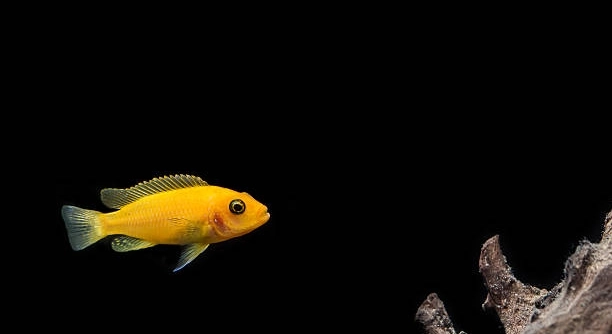
Do you ever notice your cichlids acting differently around certain areas of the tank? Many aquarists overlook the subtle ways these fish mark and expand their territories over time. Observing these changes helps maintain a balanced aquarium.
Cichlid territory expansion is often indicated by increased aggression, rearrangement of substrate, and strategic placement of decorations. These behaviors serve to assert dominance, establish boundaries, and protect resources, reflecting natural instincts that influence social hierarchies within the tank environment.
Recognizing these signs early allows you to manage space and prevent conflicts, ensuring your cichlids thrive in a well-structured aquatic environment.
Increased Aggression
When cichlids begin to expand their territory, aggression is often the first noticeable change. You might see chasing, nipping, or staring more frequently. Dominant fish will assert control over their preferred areas, particularly near hiding spots, feeding zones, or breeding sites. Even previously peaceful tank mates may show defensive behaviors as boundaries shift. This aggression is not random; it is a clear method for establishing dominance and protecting resources. Observing the timing and targets of these interactions helps determine which fish are attempting to expand their space. Changes in aggression can also indicate stress or environmental imbalance, so monitoring water quality, tank size, and hiding spaces is essential. Small adjustments, like adding plants or rearranging rocks, can reduce conflict while allowing natural behaviors to continue. Over time, understanding these patterns gives a better sense of each cichlid’s personality and preferred territory, which supports healthier social dynamics within the tank environment.
Even minor shifts in behavior can signal a larger territorial claim forming among cichlids.
Aggression in cichlids follows predictable patterns. It typically increases when resources are scarce or new fish are introduced. Dominant fish patrol their areas constantly, chasing others away from preferred locations. Subtle postures like flared fins, rapid movements, or changes in color accompany these behaviors. By documenting interactions, you can anticipate conflicts and make informed adjustments. Recognizing these cues early prevents injuries and maintains harmony. Tank structure, such as hiding spots and open swimming space, influences how aggression manifests. Proper arrangement reduces constant confrontations and provides retreat zones. Feeding schedules and placement also affect aggression levels, as fish defend access to food. Keeping a log of territorial disputes helps identify which fish are expanding space and how other tank members respond. Understanding these social dynamics allows for intervention when necessary, ensuring a more stable and predictable environment.
Rearrangement of Substrate
Cichlids often move sand, gravel, or small rocks to mark territory boundaries. This behavior is a natural instinct to claim ownership and shape their environment.
Substrate rearrangement is a common indicator of territorial expansion in cichlids.
When fish start shifting substrate, it serves multiple purposes. First, it creates defined areas for nesting or resting. Second, it signals dominance to other fish by visually marking the space. Observing where substrate movement is most frequent can reveal which sections of the tank are under dispute. Cichlids may dig pits, push pebbles, or move plants to suit their needs. The pattern and intensity of rearrangement often correlate with aggression levels; more active territories tend to be heavily modified. Owners can use these behaviors to anticipate conflicts or identify preferred hiding and breeding areas. Adjusting tank layout with additional hiding spots or barriers can reduce stress and prevent excessive fighting. Over time, watching how substrate changes evolve gives insight into each cichlid’s territorial preferences and strategies for coexistence. Recognizing these subtle environmental modifications ensures the tank remains balanced while allowing natural behaviors to occur.
Strategic Use of Decorations
Cichlids use rocks, plants, and ornaments to define their territory. They often hide behind or rearrange these items to mark boundaries and create safe zones.
Decorations act as both visual and physical markers for cichlids. Dominant fish will claim favorite spots and adjust surrounding elements to suit their needs. Hiding spots offer security, while open areas signal swimming dominance. Observing which decorations are frequently occupied or moved can reveal territorial boundaries. Adding extra decorations can reduce conflicts by providing multiple claimable spaces. Placement of items influences how territories form and how interactions occur. Adjusting decorations periodically helps maintain balance, especially in smaller tanks, preventing one fish from monopolizing the entire space.
Cichlids also use decorations to create breeding zones. Flattened rocks or hidden corners become nesting areas, signaling to other fish that the space is claimed. Maintaining variety in the tank’s layout allows each fish to feel secure while minimizing aggressive encounters. Understanding how decorations affect social hierarchy helps you manage conflicts effectively.
Increased Patrolling
Fish expand territory by moving along the edges and key points of their claimed space more frequently.
Patrolling behavior is a clear sign of territory expansion. Dominant cichlids swim deliberately along borders, checking for intruders. They repeatedly traverse the same paths to assert control, often returning to specific landmarks or hiding spots. This patrolling not only signals dominance but also allows the fish to monitor rivals and maintain a presence in the claimed area. Subordinate fish often avoid these paths, respecting the established boundaries. Tank size and layout influence the intensity of patrolling, with smaller tanks increasing the frequency of these movements. Observing patterns of movement helps identify which fish are expanding territory. Understanding these behaviors allows owners to intervene if necessary, preventing excessive stress and promoting coexistence.
In addition to maintaining boundaries, patrolling helps cichlids manage feeding and nesting zones. By controlling key spots, they ensure access to resources while reinforcing their dominance. Adjusting hiding spots and landmarks can influence these patterns, reducing tension and promoting balance within the tank. Regular observation of patrol routes provides insight into social hierarchies and how territories evolve over time.
Color Intensification
Cichlids often display brighter or more intense colors when defending or expanding territory. This visual change communicates dominance and signals ownership to other fish.
Color intensification is usually temporary and linked to specific areas or interactions. Fish may revert to normal tones when relaxed or away from contested zones.
Frequent Flaring
Flaring fins and gill covers is a common territorial behavior. Cichlids flare to make themselves appear larger and more intimidating.
Flaring is a direct method to assert dominance and warn intruders. It is often paired with chasing or circling behaviors. Observing the frequency and targets of flaring helps identify which fish are expanding their territory and which areas are under dispute. Proper tank design and sufficient hiding spaces reduce prolonged confrontations while allowing natural flaring to occur safely.
Guarding Nesting Sites
Cichlids protect specific areas where eggs or fry may be present, reflecting territorial expansion.
Guarding behaviors are more noticeable during breeding periods, and the fish will aggressively defend these zones from any perceived threats.
How can I tell if my cichlid is expanding its territory?
Territorial expansion in cichlids is shown through changes in behavior and environment use. Look for increased aggression, frequent flaring, and consistent patrolling of specific areas. Fish may rearrange substrate or decorations to mark boundaries. Brightening of colors and guarding certain zones, like breeding or feeding areas, also indicate expansion. By observing patterns over time, you can determine which fish are asserting dominance and which areas of the tank are being claimed.
Is territorial behavior normal for all cichlids?
Yes, territorial behavior is a natural instinct for most cichlid species. It helps establish social hierarchies, protect resources, and ensure breeding success. While aggression can be concerning in small tanks, it is an expected aspect of their social structure. Recognizing these behaviors allows for better tank management and prevents unnecessary stress or injury among fish.
What triggers territorial expansion in cichlids?
Territorial expansion can be triggered by several factors, including tank size, availability of hiding spaces, introduction of new fish, and breeding activity. Limited resources, such as food, shelter, or mates, often increase territorial behaviors. Environmental changes, like rearranging decorations or altering the substrate, can also stimulate fish to claim new areas. Keeping a stable and enriched environment helps moderate expansion and prevents excessive aggression.
How can I reduce conflicts during territorial expansion?
Conflicts can be minimized by providing sufficient space and multiple hiding spots for all fish. Adding decorations, plants, or rocks creates distinct areas and reduces direct confrontations. Maintaining stable water conditions, consistent feeding schedules, and monitoring dominant fish helps maintain balance. Avoid overcrowding, as limited space intensifies territorial disputes. Observing interactions and adjusting tank layout proactively keeps aggression manageable.
Does territorial expansion affect breeding?
Yes, territorial expansion is closely linked to breeding behavior. Dominant cichlids often secure nesting sites, which they aggressively protect. This ensures eggs and fry are safe from intruders. Territorial defense may increase temporarily during mating periods, with frequent flaring, chasing, and guarding behaviors. Providing multiple suitable nesting areas allows more fish to breed while minimizing conflicts.
Should I separate aggressive cichlids?
Separation is sometimes necessary if aggression becomes extreme, causing injuries or stress. Before isolating fish, consider adjusting tank layout, adding hiding spaces, or increasing the tank size. In community tanks, separating highly dominant fish temporarily can help restore balance. Observing behavior closely allows intervention only when necessary, preserving natural territorial instincts without causing harm.
Can tank design influence territorial behavior?
Tank design has a major impact on territorial behavior. Properly arranged decorations, plants, and substrate create natural boundaries, reducing disputes. Providing vertical spaces and hiding areas allows subordinate fish to escape aggression. Open swimming zones are also important for dominant fish to patrol. Thoughtful tank design helps maintain harmony while supporting natural territorial instincts.
Do all cichlids expand territory at the same rate?
No, territorial expansion varies by species, individual personality, and environmental factors. Some fish are naturally more aggressive and establish boundaries quickly, while others remain passive. Observing interactions and recognizing patterns helps predict expansion and manage tank dynamics. Adjusting space, decorations, and population density ensures a stable environment for all cichlids.
How often should I monitor territorial behavior?
Regular monitoring is essential. Daily observation helps detect early signs of aggression, substrate changes, or nesting behaviors. Recording patterns over time allows for adjustments in tank layout, hiding spots, or population management. Consistent monitoring ensures both dominant and subordinate fish coexist safely while maintaining natural territorial instincts.
Can territorial expansion cause stress in other fish?
Yes, aggressive or dominant behaviors can stress subordinate fish, leading to reduced feeding, hiding excessively, or weaker immune responses. Providing multiple territories, adequate hiding spaces, and sufficient resources reduces stress. Observation and careful intervention when necessary help maintain a healthy, balanced tank environment for all cichlids.
What is the best approach to managing expanding territories long-term?
Long-term management includes providing ample space, multiple hiding areas, stable environmental conditions, and sufficient resources. Understanding each fish’s behavior and monitoring interactions allows for proactive adjustments. Periodic rearrangement of decorations or addition of new structures can redistribute territories. Balancing dominant and passive personalities ensures reduced aggression, stable social hierarchies, and overall tank harmony.
Final Thoughts
Understanding cichlid territorial behavior is crucial for maintaining a healthy aquarium. These fish naturally claim spaces, defend resources, and establish social hierarchies. Recognizing signs such as aggression, substrate rearrangement, flaring, and patrolling allows you to respond appropriately and prevent conflicts. Observing color changes and guarding behaviors also provides insight into their instincts and overall well-being. By paying attention to these behaviors, you can support the natural tendencies of your cichlids while keeping the tank environment balanced and safe for all inhabitants.
Proper tank management plays a significant role in moderating territorial expansion. Providing ample space, hiding spots, and multiple areas for feeding or nesting reduces stress and prevents excessive aggression. Decorations and plants act as visual markers and natural boundaries, helping fish define their territories. Adjusting the tank layout periodically can redistribute claimed areas and limit prolonged confrontations. Regular monitoring of behavior allows you to identify dominant fish and intervene when necessary, either by rearranging the tank, adding extra space, or temporarily separating overly aggressive individuals. These steps ensure that territorial instincts do not lead to injury or chronic stress among tank mates.
Long-term observation and proactive management are key to a stable aquarium. Territorial expansion is not a problem to eliminate but a natural behavior to understand and accommodate. By creating an environment that supports personal space and resource access for each fish, you can foster harmony and reduce tension. Monitoring interactions over time helps track how territories evolve and which fish require additional support or space. Awareness of these patterns improves overall tank health, encourages normal behavior, and strengthens the balance between dominant and passive fish. With attention and careful adjustments, cichlids can thrive while maintaining their natural territorial instincts in a safe, well-structured aquarium.

Hello,
If you enjoy the content that we create, please consider saying a "Thank You!" by leaving a tip.
Every little bit helps us continue crafting quality advice that supports the health, happiness, and well-being of pets around the world, for pets of all shapes, sizes, and species.
We really appreciate the kindness and support that you show us!