
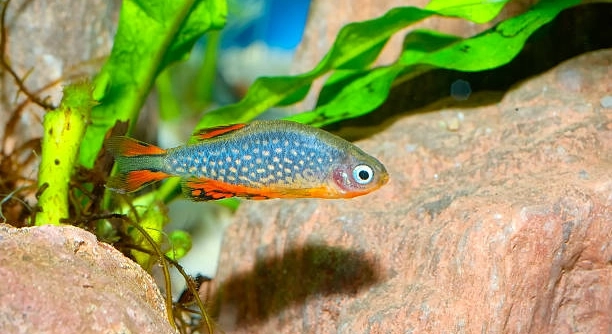
Danios are lively, small fish that brighten any aquarium. Observing their behavior can be fascinating, especially when certain conditions signal readiness to breed. Recognizing these cues helps hobbyists support their fish effectively and naturally.
Breeding in danios is often triggered by specific visual cues, including bright coloration, fin display, chasing behavior, spawning sites, group dynamics, mirror reflections, and water movement. Each signal communicates readiness and encourages mating behaviors within the group.
Knowing these cues can make breeding more successful. Observing their natural behaviors ensures healthier offspring and a more balanced aquarium environment.
Bright Coloration
Danios show their readiness to breed through vivid colors. Males often display brighter shades than usual, which signals vitality and fitness to females. Observing this change can help you identify the optimal breeding period. Bright coloration is not constant and may fluctuate depending on stress, water quality, or diet. When males display intensified hues, it encourages females to respond positively and engage in spawning behaviors. Setting up a healthy environment, with proper lighting and balanced nutrition, enhances these visual signals. Tanks with stable conditions allow colors to become more pronounced naturally. It is also common for females to show subtle color changes, indicating receptiveness. Paying attention to both genders gives a clearer picture of breeding readiness. Bright colors act as natural signals, reducing the need for other stimuli. This visual cue is reliable, especially when combined with other behaviors like chasing or spawning site interest. Observing these changes can make breeding more predictable and effective, supporting both the fish’s health and reproductive success.
Bright coloration signals readiness and helps guide timing for mating behaviors effectively in a controlled aquarium setting.
Tracking color changes along with other behavioral signs improves breeding outcomes. Consistent observation ensures the fish remain healthy and active.
Chasing Behavior
Chasing is a clear indicator that danios are preparing to breed. Males often pursue females actively, nudging or circling them within the tank. This behavior is more pronounced when females are receptive, and it usually follows periods of bright coloration. Chasing helps stimulate spawning instincts and strengthens pair interactions. While it may appear aggressive, it is a natural and harmless part of their breeding routine. Observing these interactions allows you to gauge compatibility between individuals and anticipate when eggs will be laid. Providing ample space and hiding spots reduces stress and supports healthier engagement. Chasing is often accompanied by fin displays and increased activity near plants or decorations, which can act as spawning sites. Maintaining clean water and stable conditions further encourages this behavior. Tracking patterns over several days can give insight into the optimal timing for breeding. Overall, chasing is a reliable visual cue that signals readiness and triggers the next stage in the reproductive process.
Chasing signals active mating readiness and encourages interactions that lead to successful spawning in the tank environment.
Consistent observation of chasing, combined with other visual cues, ensures healthier and more predictable breeding outcomes for your danios.
Fin Display
Fin display is a strong breeding signal in danios. Males often flare their fins to appear larger and more attractive. This behavior indicates confidence and readiness to mate, drawing attention from females and initiating courtship interactions.
Flaring fins serve as both a visual and social cue. Males spread their dorsal and anal fins, often vibrating slightly to catch the female’s attention. This display is usually more pronounced in well-lit tanks with stable water conditions. Females may respond by showing slight fin movements or positioning themselves near the males. Fin display is commonly observed alongside chasing, bright coloration, and exploration of potential spawning sites. Observing these patterns over several days can indicate when the pair is ready for egg-laying. Supporting proper nutrition and minimizing stress enhances fin brightness and movement, making the breeding signals clearer. Overall, this behavior is a reliable indicator of readiness and reproductive intent.
Fin display often precedes spawning activity and is a consistent visual cue, particularly when males combine it with chasing and bright coloration.
Spawning Sites
Spawning site selection is a key factor in danio breeding. Males and females actively inspect plants, decorations, or tank corners where eggs may be laid, showing intent to reproduce. They often return repeatedly to the chosen areas, signaling readiness.
Males frequently lead females to preferred spots, nudging or circling around plants and other surfaces suitable for egg adhesion. The choice of site depends on lighting, water flow, and available cover. Female danios assess the area for safety and suitability, often hovering or gently rubbing against surfaces before laying eggs. Observing which areas are repeatedly visited helps predict where spawning will occur. Providing dense plants, fine-leaved decorations, or spawning mops encourages natural behavior. Water conditions, including temperature and cleanliness, also influence site selection. Consistent observation of this pattern, along with fin display and chasing, increases the likelihood of successful breeding.
A well-prepared spawning site supports egg safety, reduces stress, and encourages natural reproductive behaviors, leading to higher hatching success.
Group Dynamics
Danios often show breeding readiness through social interactions. Males may compete subtly for female attention, while females respond by moving closer to preferred males. The group’s activity level can increase noticeably during this period.
Observing group dynamics helps identify which pairs are ready to breed. Active movement, frequent chasing, and positioning near spawning sites indicate reproductive intent. Stable group hierarchies encourage natural behaviors and reduce stress, supporting successful mating.
Mirror Reflections
Males sometimes respond to their reflection as if it were a rival or potential mate. This behavior can stimulate courtship displays and fin flaring, mimicking interactions with real fish. Providing a temporary reflective surface can trigger natural breeding behaviors.
Water Movement
Gentle water flow encourages danios to spawn. Moving water stimulates natural instincts, promotes egg distribution, and mimics conditions found in streams. Adjusting filters or using air stones can enhance these visual cues.
Plant Interaction
Danios often interact with plants during breeding. Rubbing, hovering, or hiding among leaves indicates readiness and comfort. Dense or fine-leaved plants increase successful egg-laying opportunities and reduce stress during the breeding process.
FAQ
How do I know when my danios are ready to breed?
Danios show readiness through a combination of behaviors and visual cues. Males often brighten in color, flare their fins, and chase females actively. Females may hover near plants, inspect spawning sites, or respond subtly to males’ displays. Observing these behaviors consistently over several days is the most reliable way to determine readiness. Combining visual signals like color intensity with interactive behaviors such as chasing or site inspection gives a clear picture of when breeding is likely to occur. Environmental stability, including water quality, temperature, and tank setup, also affects their breeding readiness.
Can lighting influence danio breeding?
Yes, lighting plays a significant role in triggering natural behaviors. Adequate light enhances color intensity, encourages activity, and signals day cycles that stimulate spawning. Danios respond best to consistent lighting, roughly 10–12 hours per day. Sudden changes or overly dim conditions can reduce activity and delay breeding. Natural or full-spectrum lighting helps highlight bright coloration, making fin displays and chasing more pronounced. Gradual light changes in the morning and evening can mimic natural conditions, further supporting reproductive behaviors. Maintaining a predictable lighting schedule encourages fish to follow natural rhythms, improving the likelihood of successful spawning.
Do I need a separate breeding tank?
While danios can breed in a main tank, a dedicated breeding tank often increases success. It reduces competition and stress, providing controlled conditions. Adding plants or spawning mops gives females safe places to lay eggs and reduces the chance of adults eating them. A separate tank also makes water maintenance easier and allows for temperature or flow adjustments that support egg development. Observing behaviors like chasing, fin display, and spawning site selection in a smaller, controlled environment can give better insight into readiness. After spawning, the eggs and fry can be safely removed or left in a protected setup for hatching.
How important is water quality for breeding?
Water quality is critical. Stable parameters, including temperature, pH, and cleanliness, encourage natural behaviors and reduce stress. Males may not display full coloration or chase effectively if conditions are poor. Similarly, females may avoid spawning sites if water is dirty or improperly conditioned. Regular water changes, gentle filtration, and monitoring of ammonia, nitrite, and nitrate levels are essential. Slightly warmer temperatures, within the recommended range for danios, can stimulate activity and egg production. Providing soft, slightly acidic water is often beneficial, though maintaining consistency is more important than exact numbers. Healthy water ensures both adults and offspring thrive.
What do I do after eggs are laid?
Danios may eat their eggs if left together, so separating them or using protective plants or mops is important. Eggs usually hatch in 2–3 days depending on temperature. After hatching, keeping water clean and free from strong currents supports fry survival. Feeding infusoria or finely crushed food helps the young fish grow during the first days. Observing their behavior, such as clustering near plants or slow movement, indicates health and development. Once fry are free-swimming, they can be gradually introduced to larger tank environments. Timing, gentle handling, and careful monitoring are key for healthy growth.
Can reflections or mirrors help trigger breeding?
Yes, temporary reflective surfaces can stimulate males to display fins and chase as if responding to a rival. This can increase overall activity and courtship behavior. Mirrors should be used carefully and only for short periods to avoid prolonged stress. Observing fish reactions allows you to identify readiness and reinforce natural interactions in a breeding tank.
How long does the breeding process usually take?
From initial displays like chasing and fin flaring to actual egg-laying, the process can take several days. Bright coloration and site selection often appear first, followed by persistent chasing and fin displays. Spawning may occur multiple times if conditions remain stable. Observing patterns across several days helps predict optimal timing for eggs. Consistency in water quality, temperature, and tank setup shortens delays and ensures that eggs are laid successfully.
What is the best diet to encourage breeding?
High-quality live or frozen foods, such as brine shrimp, daphnia, or bloodworms, enhance color, energy, and reproductive readiness. Feeding several small meals encourages activity and stimulates natural behaviors. Avoid overfeeding, as poor water quality from excess food can stress fish and reduce spawning. Balanced nutrition supports both egg production and male display behaviors. A varied diet over several days before breeding often produces the most vibrant colors and active interactions, signaling readiness to reproduce.
How do I protect fry once hatched?
Using fine-leaved plants or spawning mops allows fry to hide from adults. Gentle filtration and calm water help prevent injuries. Feeding appropriately sized food in small amounts encourages healthy growth. Observing fry behavior, such as clustering near cover or swimming freely, indicates development and comfort. Gradually integrating them into larger tanks ensures survival while maintaining a safe environment.
Breeding danios can feel rewarding when you observe their natural behaviors and see healthy eggs and fry. Paying attention to visual cues like bright coloration, fin displays, chasing, and site selection makes the process much more predictable. Each cue provides important information about readiness, and observing them over time helps you understand your fish’s patterns. Stable water conditions, proper lighting, and a well-maintained tank create an environment where these behaviors can occur naturally. By recognizing the subtle changes in both males and females, you can prepare a breeding setup that supports their reproductive needs. This preparation ensures the fish remain healthy and active, which is essential for successful spawning.
Providing suitable plants, decorations, or spawning mops allows the fish to choose secure sites for egg-laying. Danios often interact with these areas repeatedly, and observing their preference can guide you in protecting the eggs and fry. Water quality and temperature play a significant role in encouraging breeding behaviors. Slightly warmer, stable water conditions stimulate activity, while poor water conditions can reduce interest in spawning. Regular water changes, gentle filtration, and monitoring of pH, ammonia, nitrites, and nitrates are important for creating a safe environment. Clean water supports not only reproductive behaviors but also the health of adults and the survival of offspring. When eggs hatch, having cover for the fry and providing appropriately sized food ensures they grow properly and remain safe from potential harm.
Successful danio breeding depends on patience, observation, and consistency. It is important to recognize that each fish may behave slightly differently, and not all cues appear at the same time. Some males may show bright colors first, while females take time to inspect spawning sites. Observing interactions between individuals, including chasing, fin displays, and reactions to mirrors or gentle water movement, provides a complete picture of readiness. Supporting the fish with a nutritious diet, a stable tank environment, and proper hiding spaces increases the likelihood of successful breeding. Over time, tracking these patterns will allow you to predict when spawning will occur and manage the process efficiently. By focusing on these factors, breeding becomes less stressful for both the fish and the aquarist, resulting in healthy offspring and a thriving aquarium.

Hello,
If you enjoy the content that we create, please consider saying a "Thank You!" by leaving a tip.
Every little bit helps us continue crafting quality advice that supports the health, happiness, and well-being of pets around the world, for pets of all shapes, sizes, and species.
We really appreciate the kindness and support that you show us!